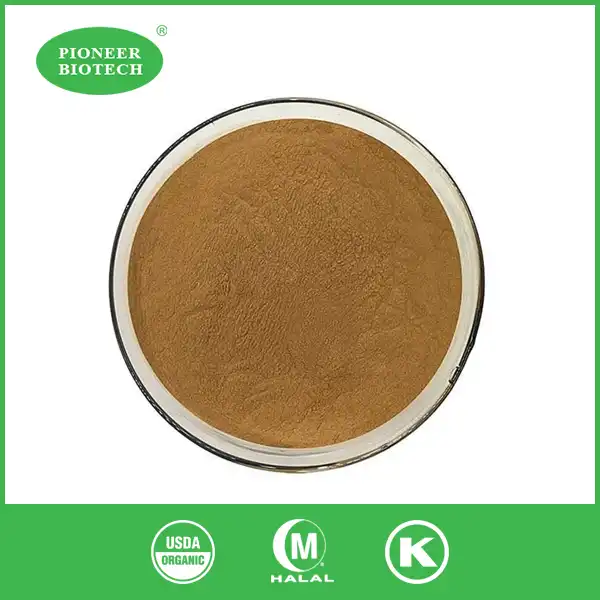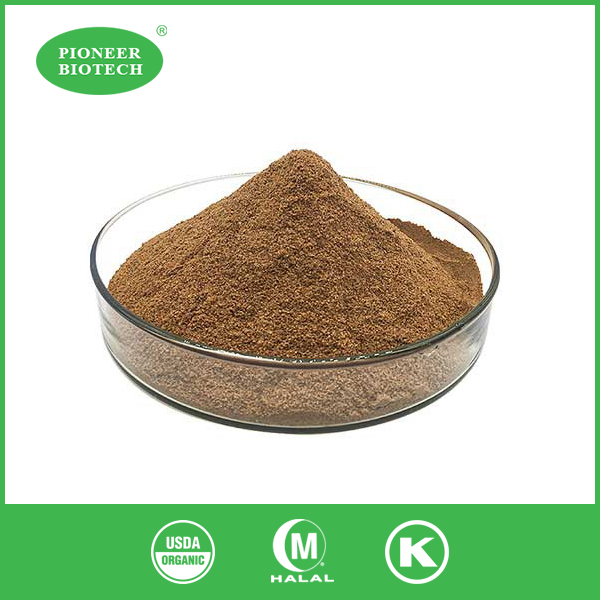

What is Astaxanthin Extract used for?
Astaxanthin extract is a potent antioxidant that is used in a variety of medicinal, cosmetic, functional food, and nutritional products. This naturally occurring compound comes from the microalgae Haematococcus pluvialis and protects cells very well against oxidative stress. This makes it very useful for companies that are making products to help the heart, fight aging, improve joint health, and make sports nutrition formulas. Because it is more stable and bioavailable, astaxanthin extract is a top choice for B2B buyers looking for solutions that have been scientifically proven to work and are ready for the market.


Understanding Astaxanthin Extract: Composition, Sources, and Mechanism
What Defines Astaxanthin Extract?
The phrase "astaxanthin extract" only refers to the concentrated form of the keto-carotenoid compound (3,3'-dihydroxy-β,β-carotene-4,4'-dione), which can be made chemically or extracted from living things. Unlike raw astaxanthin, the extract is cleaned up using methods like supercritical CO2 extraction or solvent extraction. This gives it regulated potency levels between 2% and 10% for business use. Astaxanthin extract from Haematococcus pluvialis is mostly found as the (3S, 3'S) stereoisomer in esterified form, which means it is attached to fatty acids that make it more stable while it is being stored and transported.
This chemical structure tells natural extracts from manufactured ones, which have a racemic mix of stereoisomers (3S, 3'S / 3R, 3'R / meso) that have different biological effects. People who work in procurement should know that natural esterified forms have better bioavailability in human clinical tests. This has a direct effect on how well products are said to work and how well customers do.
Biological Mechanisms Driving Market Demand
Astaxanthin extract has many uses because it works through many different routes in cells. The molecule can cross cell membranes because it has a conjugated double-bond structure that neutralizes free radicals on both the lipid and water surfaces. According to research, astaxanthin extract can stop singlet oxygen molecules 6,000 times better than vitamin C. This is a useful measure for formulators who care about how well ingredients work.
The chemical changes inflammatory pathways by stopping NF-κB from activating and lowering molecules that cause inflammation, such as IL-6 and TNF-α. These processes directly lead to benefits for the products: less muscle damage from exercise for sports vitamins, less skin inflammation from UV light for makeup, and better endothelial function for cardiovascular formulations. Understanding these paths helps product development teams make marketing claims that are backed up by evidence while also making sure they follow the rules set by regulators.
Key Uses of Astaxanthin Extract Across Industries
Nutraceutical and Dietary Supplement Applications
A lot of people want natural antioxidants, which is why the food supplement market is the biggest for astaxanthin extract. Manufacturers put this ingredient into products that are meant to achieve certain health goals. It is backed by scientific proof that appeals to consumers who care about quality.
Astaxanthin extract is used in cardiovascular health goods because it can improve lipid levels and lower oxidative stress in vascular cells. In clinical studies, daily doses of 6 to 12 mg were shown to lower LDL oxidation and raise artery elasticity measures. These results support how a product should be positioned in the competitive heart health area, where market share is driven by unique active ingredients.
More and more joint and mobility products contain astaxanthin extract because studies show that it has anti-inflammatory qualities that work well with glucosamine and chondroitin. The substance stops the COX-2 enzyme from working without the stomach problems that come with NSAIDs. This makes it a clean-label option for formulators who are making all-around joint support goods.
Eye health is another important area of application, especially for goods that help with digital eye pain and vision loss that comes with getting older. Astaxanthin extract gets through the blood-retinal barrier and builds up in the eye's cells, where it guards photoreceptors from damage caused by free radicals. Astaxanthin extract is different from other carotenoids like lutein because of its unique distribution pattern. This lets companies that make products for eye health make more specific claims about their products.
Cosmetic and Personal Care Formulations
Cosmetic scientists like astaxanthin extract powder because it has two useful properties: it is a strong antioxidant that protects cells and it has obvious anti-aging effects. The substance treats multiple skin problems at the same time, which makes manufacturing easier and gives customers real benefits.
Astaxanthin extract amounts in anti-aging skin care products range from 0.001% to 0.1%. This helps the skin's flexibility, reduces fine lines, and protects it against photoaging. The molecule's ability to absorb UV rays works well with regular sunscreens, making mixtures that stop damage and fix oxidative stress at the same time. Studies that look at wrinkle depth and skin moisture content show that direct use makes a difference after 8 to 12 weeks. This gives brands the scientific proof they need to back up their claims of effectiveness.
Astaxanthin extract is used in pigmentation control products because it stops the production of melanin. The substance lowers the activity of tyrosinase, which is the enzyme that controls how fast melanin is made. This makes it a natural choice to hydroquinone in brightening products. This method works well for clean beauty brands that want to use safe, effective ingredients that match what customers want in plant actives.
Functional Food and Beverage Integration
Astaxanthin extract is being used more and more in functional drinks and healthy foods because of the "beauty from within" trend. Adding lipophilic carotenoids to aqueous media is hard for product makers, which is why there is a need for specialized delivery systems.
Cold Water Dispersible (CWD) astaxanthin extract powders use microencapsulation technology to make the lipophilic extract stable in drinks. This is done by wrapping the extract in hydrophilic materials like gum arabic or modified starch. This mix can handle being pasteurized up to 80°C and still keep its color and effectiveness under normal food handling conditions. CWD grades that give regular dosing without separation or sedimentation are good for fortified dairy products, beauty drinks, and sports drinks.
Snack bars and useful candies need astaxanthin extract forms that are stable at high temperatures and can handle being extruded and baked. The carotenoid core is protected by double-shell microencapsulated beadlets against temperature shock. This lets them be used in protein bars, energy bites, and gummies. Brands that use natural colors to set their goods apart in busy stores like that they can keep the red-orange color throughout the shelf life.
Comparing Astaxanthin Extract with Alternative Ingredients
Astaxanthin Versus Conventional Antioxidants
While beta-carotene, vitamin E, and vitamin C are all well-known antioxidants, astaxanthin extract has unique benefits that should be taken into account when formulating. Comparative studies using oxygen radical absorption capacity (ORAC) show that astaxanthin extract is 54 times more powerful than beta-carotene as an antioxidant and 65 times more powerful than vitamin C in models of lipid peroxidation.
Different types of antioxidants have very different stability patterns. Vitamin C quickly breaks down in water-based solutions that are exposed to light and heat. This means that it needs to be protected and the pH needs to be changed, which makes production more difficult. Vitamin E is more stable, but it doesn't have the ability to cross membranes like astaxanthin extract does, which lets it protect both water-loving and fat-loving parts of cells at the same time. Because of this special molecular feature, formulators can protect all cells with just one ingredient instead of using complicated antioxidant mixes.
Natural Versus Synthetic Sourcing Considerations
Procurement teams weigh the pros and cons of both natural astaxanthin extract sources from plants and man-made production methods. People pay more for natural extracts from Haematococcus pluvialis because people like plant products and these extracts have better stereoisomer profiles. The (3S, 3'S) configuration shows better bioavailability and antioxidant activity in human tests, which backs up claims of effectiveness that allow for higher selling prices.
Petrochemical synthesis is a cheaper way to make synthetic astaxanthin, and the supply chain is stable and not affected by changes in agriculture. The racemic mixture, which has an approximately 1:2:1 ratio of 3S,3'S, meso, and 3R,3'R isomers, works well in situations where saving money is more important than bioactivity. Aquaculture feed is the main market for manufactured grades, and people buy them for their color effects rather than their health benefits.
Regulatory environments have a big effect on buying tactics. Astaxanthin extract that comes from H. pluvialis is GRAS (Generally Recognized As Safe) in the US and Novel Food approved in the EU. This makes it easier for supplement and food companies to get into the market. Some places have stricter rules about how synthetic forms can be approved for human use, so it's important to do a lot of research on the regulations before making your purchases.
Procurement Guide: Where and How to Source Astaxanthin Extract in Bulk
Supplier Evaluation Criteria
Quality assurance starts with a thorough check of the supplier's credentials, including licenses, analysis skills, and the openness of the supply chain. Good Manufacturing Practice (GMP) approval means that quality systems have been set up and tested for raw materials, processes, and final products. ISO 22000 approval shows that you can handle food safety, which is important for ingredients that will be used in food products.
Analytical method evaluation tells the difference between trustworthy providers and shady ones. Instead of colorimetric tests, which can't tell the difference between astaxanthin extract and cheaper carotenoids or synthetic colors, ask for HPLC (High-Performance Liquid Chromatography) research that follows USP monograph standards. The Certificates of Analysis should list the stereoisomer makeup, the state of esterification, and the results of any contaminant tests, such as those for heavy metals, pesticide traces, and microbial counts.
As governmental scrutiny grows around the world, paperwork for traceability becomes more and more important. Buyers can meet customer audits and governmental questions if suppliers keep full records of the chain of custody, from growing algae to extracting it and making the product. This openness lowers the risk of not following the rules and backs up claims of sustainability that appeal to brands that care about the environment.
Understanding Pricing Structures and MOQ Requirements
Prices for natural astaxanthin extract powder on the market vary a lot depending on how strong it is, what kind of preparation it is in, and whether it is certified. Knowing about these factors helps you make realistic budget plans and negotiate with suppliers in a way that keeps costs low while still meeting quality standards.
Pricing is directly affected by concentration levels. For cost-sensitive uses, 2% standardized extracts are the standard, while 5–10% concentrations attract higher prices due to the higher costs of concentration and the smaller amount of preparation needed. Powder forms that use microencapsulation technology usually cost more than oleoresins because they go through more steps in the processing process to make them more stable and useful.
Minimum Order Quantities (MOQ) show how suppliers handle their supplies and how much each batch costs. Established makers usually set MOQs between 25 and 100 kilograms for normal requirements. This lets smaller brands get high-quality goods without having to spend a lot of money. For custom recipes like specific strengths, unique delivery systems, or special mixes, higher MOQs of 100 to 500 kilograms are often needed to cover the costs of setup and analytical proof.
Volume-based pricing systems use tiered discounts to reward customers who make bigger promises. Annual supply deals lock in good rates and make sure there is a steady supply, which is especially helpful when demand is high and spot market stock is low. When looking at possibilities for big discounts, procurement managers should think about the total cost of ownership, which should include storage, insurance, and the chance that the item will become obsolete.

Logistics and Storage Considerat
To keep astaxanthin extract stable from the time it is manufactured until it is used in a final product, shipping and storage conditions must be carefully monitored. Although the linked polyene structure makes the molecule an antioxidant, it also makes it easy for light, heat, and air to break it down.
Using refrigerated cases or sealed packing with cold packs for temperature-controlled shipping keeps the extract from going bad while it's in transit. When temperatures rise above 30°C, oxidation rates speed up, which lowers strength and changes color profiles. This means that summer packages need extra protection. Reliable providers offer shipping methods that have been tested and shown to keep temperatures stable during normal transit times.
Specifications for packaging have a big effect on how long something will last and how easy it is to handle. When kept properly, vacuum-sealed metal foil bags with oxygen scavengers change the atmosphere in a way that makes the food stable for an extra 12 to 36 months. Flushing with nitrogen during packing adds another layer of protection against oxidation. This is especially important for higher potency grades where the surface area-to-volume ratio makes breakdown more likely.
Protocols for receiving and storing should say that things should be kept in cool, dark, dry places that are away from chemicals that react or smell strongly. Setting up FIFO (First In, First Out) inventory rotating and checking for color changes every three months stops the formation of degraded materials that could hurt the effectiveness of the product and customer happiness.
Ensuring Safe Usage and Managing Risks of Astaxanthin Extract
Recommended Dosage Guidelines and Safety Data
The clinical literature sets safe and successful dosage amounts for astaxanthin extract that are used to make new formulations and labeling suggestions. For general health purposes, daily doses of 4 to 12 mg have been shown to be safe in many human studies with no negative effects. Sports nutrition studies that measure exercise-induced oxidative stress and muscle damage factors support the use of 12 to 20 mg daily in performance and healing products for athletes.
Safety studies by global regulatory agencies support astaxanthin extract's low risk rating. The European Food Safety Authority (EFSA) looked at astaxanthin extract that comes from H. pluvialis and found that 0.034 mg/kg of body weight is an acceptable daily intake (ADI). The U.S. Food and Drug Administration (FDA) gave GRAS status to certain natural astaxanthin oleoresins, which means that they can be used in a lot of different foods and drinks without needing to be approved first.
Long-term safety data from dosage periods of 12 to 24 months show that healthy adults did not experience any major side effects. Mild stomach problems have been noted when amounts are higher than 40 mg per day, but they usually go away when the dose is lowered or food is taken at the same time. With this safety profile, formulators can make goods that can be used continuously for a long time instead of just for short amounts of time.
Quality Control and Batch Testing Requirements
Implementing thorough quality control methods protects the image of the brand and makes sure that all regulations are met throughout the life cycle of the product. Instead of depending only on seller Certificates of Analysis, testing of incoming raw materials should use independent analysis to check what the labels say.
Potency testing with HPLC shows that the concentration of astaxanthin extract meets the requirements. At the same time, related carotenoids are checked for signs of partial purification or adulteration. When advertising natural sources, stereoisomer analysis is very important because manufactured contamination is easy to find in HPLC methods that separate 3S,3'S from racemic mixes.
Heavy metal tests (for lead, arsenic, cadmium, and mercury) check for poisoning risks that come with growing algae in open ponds that might be exposed to pollution from the environment. Putting upper limits below legal levels (for example, less than 1 ppm of total heavy metals) protects vulnerable groups like children and pregnant women.
The rules for microbiological tests should include total aerobic plate counts, yeast and mold counts, and specific pathogen screens for E. coli, Salmonella, and S. aureus. Astaxanthin extract extraction methods usually get rid of microbial contamination. However, risks may be introduced during blending and packing of finished powder formulations, so the final product needs to be checked.
Conclusion
In conclusion, astaxanthin extract has strong antioxidant properties and is safe and well-regulated for use in a variety of industrial uses. Formulators can use it to make a wide range of products, from supplements for heart health to anti-aging cosmetics. Manufacturers also gain from stable supply lines and well-established quality standards. When buying teams know the differences between natural and manufactured sources, the right way to store them, and the analytical proof methods, they can make choices that meet both effectiveness needs and price limits. As the body of clinical proof backing astaxanthin extract's health benefits grows, this ingredient's market is likely to continue to grow. This is because people around the world want more scientifically proven natural actives.
FAQ
How does natural astaxanthin extract powder differ from synthetic versions?
The astaxanthin extract powder that comes from Haematococcus pluvialis is mostly the (3S, 3'S) stereoisomer in esterified form. It has better biological activity and bioavailability than manufactured racemic mixes. The naturally esterified form is more stable when stored and is better absorbed by human gut systems. Synthetic astaxanthin made from petrochemical processes has about the same amounts of three stereoisomers (3S,3'S, meso, 3R,3'R in a 1:2:1 ratio). This makes it cheaper for uses other than humans, like aquaculture feed, where color is more important than antioxidant activity.
What stability measures prevent degradation during shipping?
Reliable sellers use vacuum-sealed aluminum foil packing with oxygen scavengers that stop the conjugated polyene structure that makes astaxanthin extract biologically active from oxidizing on its own. Temperature-controlled operations that keep conditions below 25°C during transport protect against damage that happens faster in hot conditions. By filling with nitrogen during packing, the atmosphere is changed in a way that extends the shelf life from the usual 12 months to 24 to 36 months, as long as the food is stored properly in cool, dark places away from water and chemicals that react.
Can astaxanthin extract be formulated into water-based products?
Standard astaxanthin extract is lipophilic, which means it can't be directly added to water-based products. Cold Water Dispersible (CWD) grades that use beadlet microencapsulation technology solve this problem by putting astaxanthin extract, which is lipophilic, inside hydrophilic materials like gum arabic or modified starch. It is possible for these special forms to stay mixed in drinks and vitamins even after being pasteurized up to 80°C. This means that they can be added to sports drinks, beauty drinks, and enriched dairy products without separating or losing their color over time.
Partner with Pioneer Biotech for Premium Astaxanthin Extract Supply
Pioneer Biotech can help you with your product development by providing pharmaceutical-grade astaxanthin extract made in our GMP-certified facility in Hanzhong's famous "Medicine Herbs Valley." Our ISO 22000, HALAL, and KOSHER certifications make sure that we follow all global rules, and our vertically integrated supply chain ensures that each batch is the same, which is important for nutraceutical, cosmetic, and functional food uses. We offer full technical support, including advice on how to formulate, data on stability, and unique potency specs made to fit your exact needs. As a manufacturer with a lot of experience in making astaxanthin extract, we can offer flexible MOQ terms that work for both new names and established companies that need stable bulk supply. For full product specs, competitive quotes, and samples that show Pioneer Biotech's better quality in the competitive botanical extract market, please contact our procurement experts at sales@pioneerbiotech.com.
References
Ambati, R.R., Phang, S.M., Ravi, S., & Aswathanarayana, R.G. (2014). Astaxanthin: Sources, extraction, stability, biological activities and its commercial applications. Marine Drugs, 12(1), 128-152.
Fassett, R.G. & Coombes, J.S. (2011). Astaxanthin: A potential therapeutic agent in cardiovascular disease. Marine Drugs, 9(3), 447-465.
Guerin, M., Huntley, M.E., & Olaizola, M. (2003). Haematococcus astaxanthin: Applications for human health and nutrition. Trends in Biotechnology, 21(5), 210-216.
Capelli, B., Bagchi, D., & Cysewski, G.R. (2013). Synthetic astaxanthin is significantly inferior to algal-based astaxanthin as an antioxidant and may not be suitable as a human nutraceutical supplement. Nutrafoods, 12(4), 145-152.
Yuan, J.P., Peng, J., Yin, K., & Wang, J.H. (2011). Potential health-promoting effects of astaxanthin: A high-value carotenoid mostly from microalgae. Molecular Nutrition & Food Research, 55(1), 150-165.
Higuera-Ciapara, I., Felix-Valenzuela, L., & Goycoolea, F.M. (2006). Astaxanthin: A review of its chemistry and applications. Critical Reviews in Food Science and Nutrition, 46(2), 185-196.