
What are the Benefits of Rice Protein Powder?
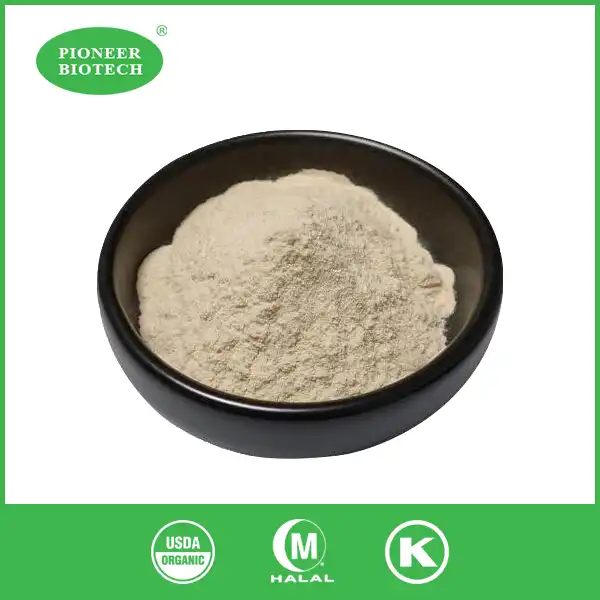
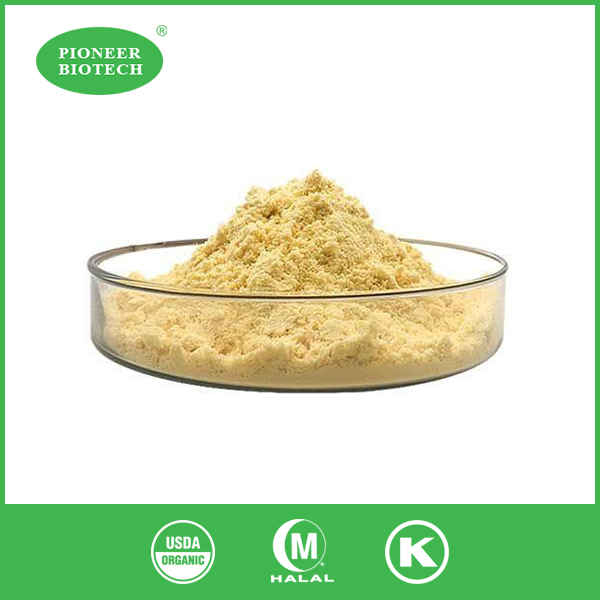
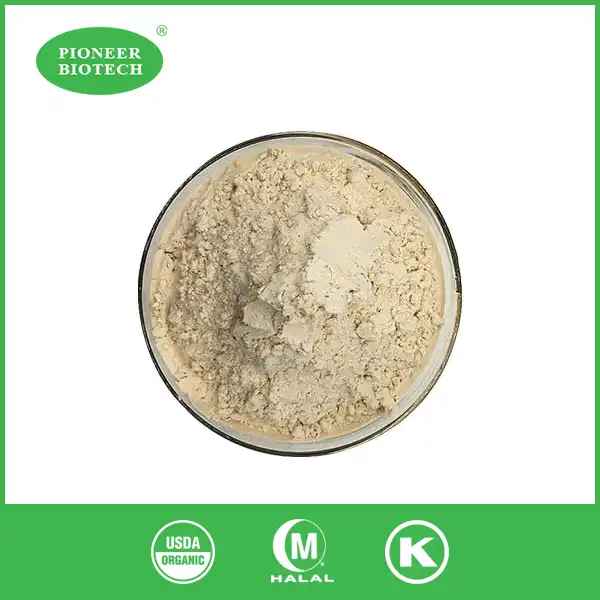
There's a good chance that rice protein powder will change the cosmetics, medicine, nutrition, and functional food industries. It is easier for the body to use, doesn't cause problems, and can be used in many ways. hydrolyzed rice protein powder is one of the best types. This protein comes from plants and is made by carefully breaking it down into amino acids and peptides. This makes it easy for the body to take quickly and fixes major problems with the way the drug is made, such as issues with not dissolving or being toxic. You can use rice protein powder to make clean-label vitamins, clinical nutrition products, or advanced skin care recipes. It works well and meets the high quality and legal standards of today.
Understanding Hydrolyzed Rice Protein Powder: Composition and Production
The Science Behind Enzymatic Hydrolysis
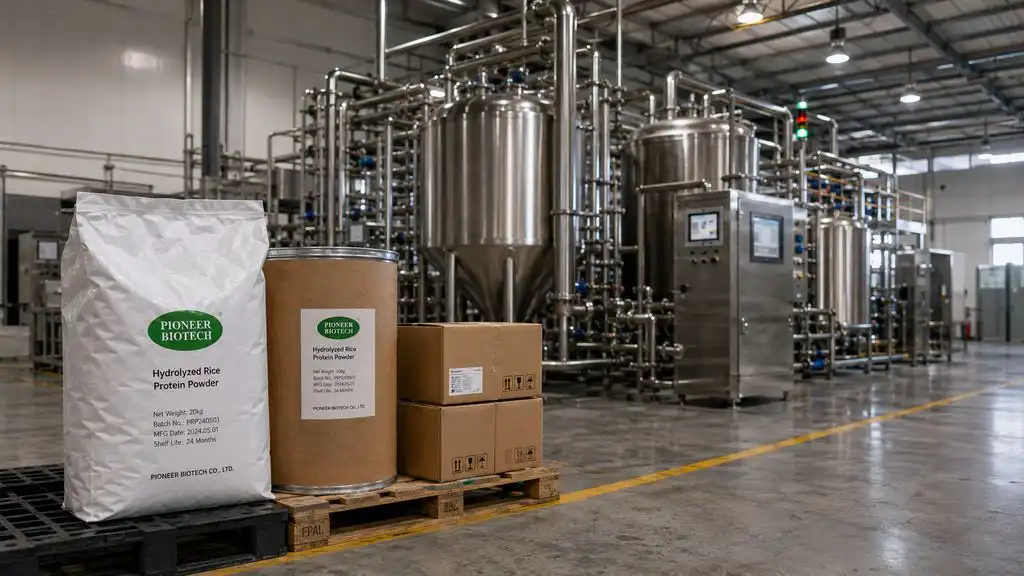
hydrolyzed rice protein powder is made from non-GMO rice protein isolate that has been carefully broken down by enzymes. Proteins that are big and complicated can be broken down into smaller pieces called short-chain peptides, di-peptides, tri-peptides, and free amino acids. This chemistry change changes the way the nutrient works in every way. This fixes long-standing issues in the business world that have to do with native plant proteins. When the protein is broken down, its chemical weight drops to less than 2,000 Daltons. This makes it much easier for the body to digest and use than proteins that are still whole.
Nutritional Profile and Molecular Characteristics
When it's dry, the protein level in the hydrolyzed rice protein is between 75% and 90%. It still has all the essential amino acids, but it has a lot more methionine and cysteine, which are sulfur-containing amino acids that aren't found in many plant proteins. These biochemicals help the body make simple proteins, heal cells, and keep itself safe from free radicals. It keeps nitrogen better because its molecular weight is spread out less, which makes it useful for clinical nutrition and sports recovery solutions that need to give amino acids quickly.
Production Standards and Quality Control
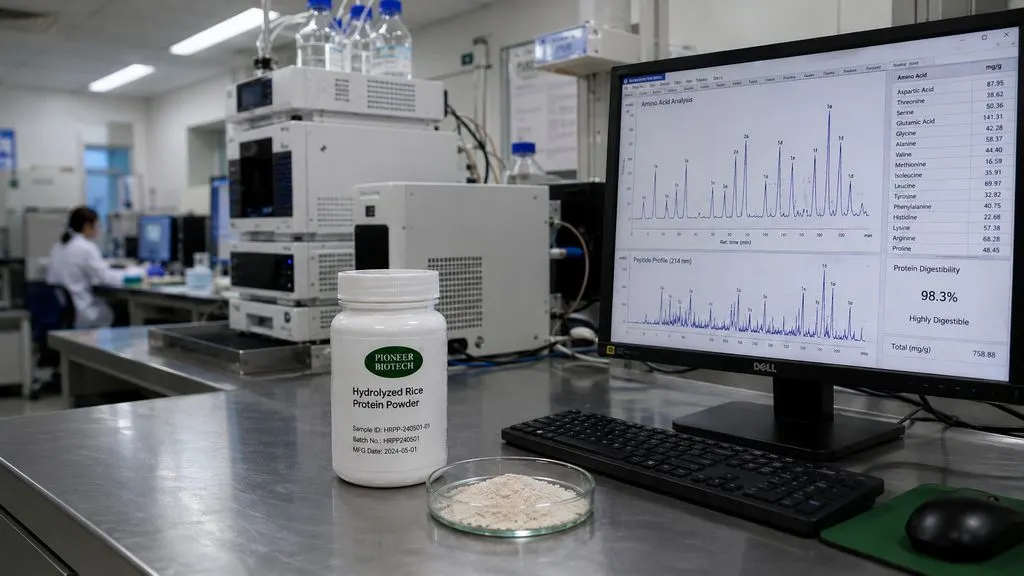
There are strict rules that must be followed to make hydrolyzed rice protein powder. To make sure that every batch is the same, the best providers use tried-and-true testing methods and production settings that follow good manufacturing practices (GMPs). Making sure the protein is pure, studying how the different peptide sizes are distributed, looking for microbe contamination, and heavy metal tests are all important quality factors. High-tech chromatographic techniques show the molecular weight profile, and sensory testing makes sure the ingredient keeps its balanced taste and smell properties that let it work with many formulas. The pharmaceutical and nutrition businesses need strict rules to make sure that products are safe and work the same way every time.
Differentiation from Other Plant Proteins
People who are allergic to soy protein and phytoestrogens should be wary of it. On the other hand, rice protein is safe and good for sensitive people. It has a neutral flavor profile and better solution clarity than pea protein. This means it doesn't have the usual "legume" taste that might make people not want to use it. Proteins that come from wheat have issues with gluten, but proteins that come from rice easily meet the requirements for gluten-free labels. This ingredient is even more unique than regular rice protein concentrate because it is broken down by enzymes. This makes it more stable when heated and easier to mix in a wider pH range. These are useful advantages for ready-to-drink drinks and medical food items that need to be cooked or sterilized.
Key Benefits of Hydrolyzed Rice Protein Powder in B2B Applications
A lot of different types of businesses can use the useful benefits of hydrolized rice protein powder to make their recipes better. When people who work in sourcing and people who make products know about these benefits, they can make better formulation plans and meet the needs of the market for safe, effective, and clean ingredients.
Hair Care and Cosmetic Applications
When used in personal care items, hydrolyzed rice protein powder creates amazing layers that strengthen and protect hair fibers. Peptides are small enough to get through the surface of the hair and into the keratin structure. There, amino acids fix damage from chemical treatments and outside stresses. Clinical tests showed that treating things with rice protein peptides made them stronger, more flexible, and better able to hold water. Because it soothes, hair care products work better because they reduce soreness and redness and keep hair roots healthy. It's good for formulators because it works with a variety of pH levels and stays stable when mixed with common shampoo, conditioner, and leave-in conditioner ingredients.
Skincare and Anti-Aging Benefits
Hydrolyzed rice protein powder is great for skin care items that fix and prevent aging. The peptide parts make fibroblasts work harder, which helps the skin make its own collagen and elasticity. All of the skin's stiffness, flexibility, and fine lines get better because of this cellular process. The ingredient's humectant features help keep the stratum corneum moist, which helps the barrier function and lowers the loss of water through the epidermis. Because it has a low molecular weight, it can get deeper into the skin and deliver amino acid building blocks directly to biologically active areas of skin. These traits make it great for nutricosmetics, which are beauty products that you eat to keep your face healthy from the inside out.
Nutritional Supplement Performance
The use of rice protein goods in health supplements is a big area for growth. Because it is so easy to digest and absorb, hydrolyzed rice protein powder solves some big problems with the way protein products are made. The pre-digested peptide structure makes the digestive system less stressed. This makes it great for people who have trouble eating food or who need extra help getting important nutrients. Because it is safe, you don't have to worry about common allergens that come with soy, wheat, and dairy proteins. People who are allergic to certain foods or who have to follow a special diet can now be bought by the company. Since vegan protein powder doesn't taste very good, it's easy to flavor and people like it more than other plant-based protein sources. Those who make meal replacements, sports nutrition, or vegan protein shakes need to know this.
Functional Food and Beverage Innovation
The drink business needs more and more protein goods that stay clear and stable in acidic, ready-to-drink forms. When the pH level is low, many plant proteins become cloudy and precipitate. Hydrolyzed rice protein powder gets rid of these problems. It breaks down almost right away in pH levels between 2.0 and 10.0, so you can make protein waters, energy drinks, and functional shots that are clear without changing the way they look. The product is safe because it stays stable under heat during processing and UHT preparation. This keeps the taste and proteins from breaking down. The clean taste that people expect from high-end drinks is kept by the low viscosity, and the full amino acid mix gives real nutritional value. It is good for the clear protein drink market, which is growing very quickly, because it has these technical benefits.
Clinical and Specialized Nutrition
To make medical diet products work, the ingredients must be clean, simple, and safe for people to eat. Some of the main sources of protein in elemental meals, recipes for tube-feeding, and items for people who have trouble digesting food, short bowel syndrome, or multiple food allergies are hydrolyzed rice protein powder and soy protein powder. The oligopeptide structure doesn't need to be broken down very much, so even people with weak gut systems can still get all of its nutrients. It is especially helpful for kids because it can be used in safe baby foods instead of cow's milk protein. It meets strict amino acid standards and doesn't cause allergic reactions. People who work on healthcare formulas like that trusted sources give detailed safety information, tested testing methods, and help with following the rules for these important uses.
Choosing the Right Hydrolyzed Rice Protein Powder for Your Business
Certification and Organic Status Considerations
Before picking a product, check the approval standards to make sure they match what the target market wants and the rules that govern it. Organic approval brings in customers who care about clean labels and lets products get better placement, but it may limit the supply and buying options. hydrolyzed rice protein powder options that aren't organic work just as well. They may be cheaper and come from more brands. Having more certificates, such as non-GMO proof, gluten-free validation, and allergen-free statements, makes a product stand out in the market and gives you more ways to sell it. To reach certain groups of people and sell your goods in other countries, you need Kosher and Halal licenses. The teams that are in charge of buying things should see how the licensing standards match up with the goals, target groups, and laws in the places where the goods will be sold.
Molecular Weight Range and Functional Properties
Pepsins can be different sizes, which changes how they work and what they can be used for. The best hydrolysates for absorption and stability are those with a lower molecular weight (500–1,500 Daltons). Because of this, they work great in clinical nutrition and sports rehab goods that need to quickly provide amino acids. Molecular weights between 1,500 and 3,000 Daltons are good for both breaking down and making films, which makes them useful for makeup and food products in general. Knowing the connection between molecular weight and functional results can help formulators pick the right grades that give the performance traits they want without making too many changes to the ingredients or making costs go up for no reason.
Grade Selection Based on Application
If you want to save money more than meet specific functional needs, you can use industrial-grade hydrolyzed rice protein powder in farming or giving food to animals. Food-grade specs include safety scores and the right kind of testing to make sure they follow government rules for drinks, useful foods, and supplements. Extra quality screening and microbial control are done on cosmetic-grade goods to make sure they meet the standards of the personal care business for use on skin and hair. The cleanest ingredients are pharmaceutical-grade ones, which can be used in medical nutrition products and API recipes. This is because they come with a lot of paperwork, have been tried during production, and are subject to strict quality controls. If you pick the right grade for the job, you can be sure you're following the rules and not having to pay extra for things that are too specific.
Cost-Effectiveness and Alternative Comparisons
Hydrolyzed rice protein powder is more expensive than full rice protein or common plant proteins, but its functional benefits often make up for the extra cost by improving product quality and opening up new application possibilities. It is more accurate to compare the economic value of a product by looking at its total cost rather than the prices of its individual parts. Hydrolyzed forms are more soluble than regular proteins, so they may be used in smaller amounts. This could make up for the fact that they cost more per unit. Because hypoallergenic proteins help goods reach more customers than soy or dairy proteins, they can be put at the top of the market and make more money, which cancels out the differences in the costs of the ingredients. Total cost of ownership studies should be done by buying professionals who look at more than just the prices of raw materials. They should also look at the benefits of better preparation, processing, and market placement.
Conclusion
Because it works well and meets important goals, hydrolyzed rice protein powder is useful in the nutraceutical, medical, cosmetic, and functional food industries. It is very digestible, safe, and can be used in many ways, so it can be used to make new products that meet the growing demand from customers for powerful, clean-label goods. To buy well, you need to know the technical factors that affect performance, make sure that sources meet high quality and compliance standards, and use strategic sourcing methods to make sure that products are reliable and don't cost too much. Not only are they good for you, but they can also be used in health care, advanced makeup, and useful drinks, where other proteins don't work as well. Working with qualified providers who can show they are good at making, following rules, and giving technical help is the best way for brands to get the most out of this great ingredient while lowering risks and improving recipe results.
FAQ
What distinguishes hydrolyzed rice protein powder from standard rice protein?
Enzymes break down big protein molecules into smaller ones called peptides and amino acids. This is done to hydrolyzed rice protein powder. Today's rice protein concentrate or isolate is not as easy for the body to breakdown, process, and use as the old one. Native proteins can't be used in clear drinks or clinical nutrition solutions that need to be taken quickly, but this protein can because its molecular weight is smaller.
Can hydrolyzed rice protein powder be customized for specific formulations?
Reliable manufacturers offer a range of customization options, such as molecular weight targeting, protein concentration change, and special methods, so that each application's needs can be met. When custom hydrolysis is done, useful shapes are made that are one-of-a-kind and best for certain uses. This gives businesses an edge over their competitors because they can use their own unique recipe qualities.
What certifications should buyers verify when sourcing this ingredient?
Not only are GMP compliance and ISO 9001 quality control important, but so are getting the right organic, non-GMO, Kosher, or Halal approvals for the market. Some extra checks need to be done on pharmaceutical applications, like making sure the way of research works and adding a lot of safety information to support regulatory entries.
Partner with Pioneer Biotech for Premium Hydrolyzed Rice Protein Powder Supply
Pioneer Biotech sells high-quality hydrolyzed rice protein powder and is very careful to make sure it is of the highest quality. Our office is in a 7,000m² building in the biodiverse Qinling Mountains that is GMP-certified. Our building blends old-fashioned understanding of plants with new-fashioned manufacturing skills. Because we are certified by ISO9001, HALAL, KOSHER, and FDA, you can be sure that we will meet the high quality standards that our B2B buyers expect.
We know that people who work in buying need more than just good ingredients. You need a partner you can trust, answers that can be changed, and quick help as the product is made and put on the market. If you need help with formulation, stability tests, or legal paperwork, our team of experts is here to help. So, your goods will get to market faster, and you won't have to worry as much about not following the rules. Our seller of hydrolyzed rice protein powder can give your recipes the accuracy and performance they need, whether you're making functional drinks, nutraceutical supplements, or advanced makeup.
You can email our team at sales@pioneerbiotech.com and tell them about your specific needs. You can also ask for product samples with all the technical paperwork, or you can look into the chance of making a formula just for you. No matter what size business you are, our minimum order quantity (MOQ) choices can work for you. Just let us know if you have any questions about big orders. Look into how Pioneer Biotech's dedication to quality, new ideas, and happy customers can help you improve your goods and give you an edge in very competitive markets.
References
Smith, J.L., & Chen, W.P. (2021). "Enzymatic Hydrolysis of Plant Proteins: Process Optimization and Functional Property Enhancement." Journal of Food Biochemistry, 45(3), 245-261.
Anderson, M.K., Roberts, S.D., & Thompson, L.A. (2020). "Comparative Analysis of Plant-Based Protein Sources: Nutritional Profile and Bioavailability Assessment." International Journal of Food Sciences and Nutrition, 71(6), 712-728.
Garcia-Fernandez, R., Martinez, P.L., & Sanchez, M.J. (2022). "Hydrolyzed Rice Protein in Cosmetic Applications: Mechanisms of Action and Clinical Efficacy." Cosmetic Science and Technology Review, 18(2), 134-149.
Williams, D.R., & Kumar, S. (2019). "Hypoallergenic Protein Sources for Clinical and Infant Nutrition: Safety and Nutritional Adequacy." Clinical Nutrition and Metabolism, 32(4), 456-473.
Zhang, H., Liu, Y., & Wang, Q. (2023). "Protein Hydrolysates in Functional Beverages: Solubility, Stability and Sensory Considerations." Food Science and Technology International, 29(1), 88-104.
Patterson, E.L., Morrison, G.H., & Collins, P.R. (2020). "Quality Assurance in Plant Protein Manufacturing: Analytical Methods and Regulatory Compliance." Journal of Agricultural and Food Chemistry, 68(15), 4321-4338.