
Transform Your Hair with Hydrolyzed Rice Protein
Hydrolyzed rice protein powder is a big step forward in plant-based haircare innovation. It gives formulators a powerful way to make high-performance products. This ingredient is broken down by enzymes to release bioavailable amino acid peptides that go deep into the hair shaft and strengthen its structure while also making it more flexible and able to hold onto moisture. The lower molecular weight of this hydrolyzed form allows deep cuticle penetration, unlike intact plant proteins that stay on the surface. This makes it an important ingredient for brands looking for scientifically proven, vegan-approved ingredients that meet the growing demand for clean-label beauty products for all hair types.
Understanding Hydrolyzed Rice Protein Powder and Its Role in Haircare
The Science Behind Enzymatic Hydrolysis
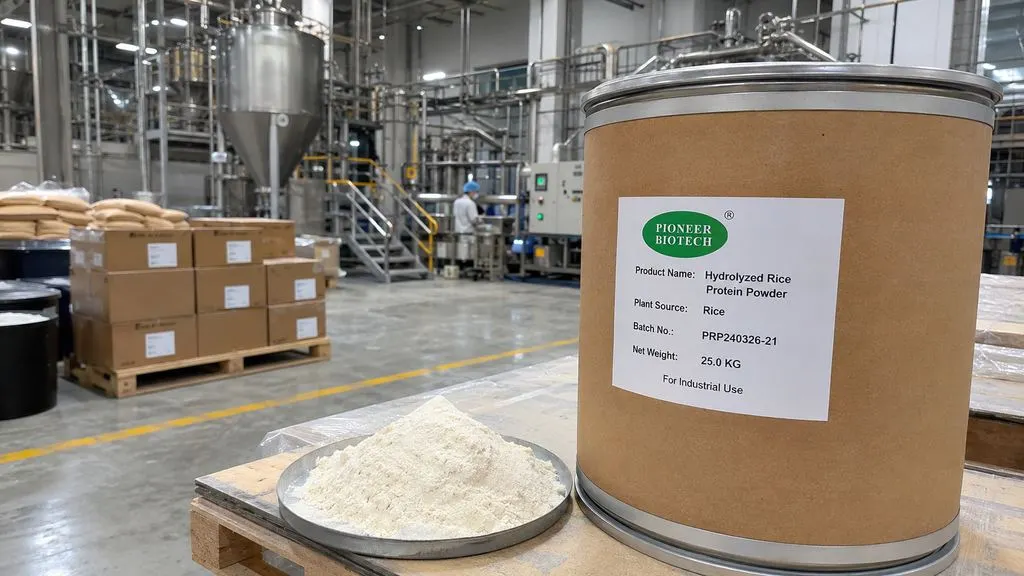
The first step in making hydrolyzed rice protein powder is to take non-GMO rice protein isolate and carefully control the enzymes that break it down. Certain proteases break down large, complex proteins into short-chain peptides, di-peptides, and tri-peptides during this biological process. This change fixes important formulation problems that native plant proteins have, like not dissolving well, having an unpleasant texture, and not being bioavailable in large amounts. The molecular weight distribution that results, mostly less than 2,000 Daltons, makes sure that the structural amino acids are quickly absorbed into hair fibers, where they are needed most.
Amino Acid Profile and Functional Benefits
hydrolyzed rice protein powder derived from rice have a lot of cysteine, methionine, and serine, which are amino acids that are important for making keratin. According to a study in the International Journal of Cosmetic Science, these particular amino acids help form disulfide bonds in the hair cortex. This directly increases the hair's tensile strength and resistance to mechanical stress. In addition to strengthening the structure, these peptides' hygroscopic properties attract and hold onto water within the hair shaft. This makes the hair less brittle and easier to style, even in harsh conditions.
Hypoallergenic and Vegan Advantages
Because it is so safe, hydrolyzed rice protein powder is different from proteins made from wheat and animals. Because the enzymatic hydrolysis process gets rid of possible allergen epitopes, this ingredient can be used in products for sensitive scalps and people who are sensitive to gluten. Its plant-based origin fits right in with the growing trend toward vegan certification in personal care products, meeting both ethical concerns and legal requirements in many international markets. Cosmetic companies that are trying to make their lines more inclusive can use this ingredient because it works well with a lot of different hair types and doesn't cause many side effects.
Transforming Haircare: Key Benefits and Applications of Hydrolyzed Rice Protein
Understanding how this ingredient works in real-world situations helps procurement managers and product developers make the most of its many uses. The body of scientific evidence supporting its effectiveness keeps growing, giving formulators confidence in the results of performance.
Enhanced Hair Strength and Damage Repair
When hair's tensile strength was measured before and after treatment with formulations rich in hydrolyzed rice protein powder, the results showed big improvements in its ability to hold weight. In a controlled study, after six weeks of regular use, the breaking force went up by 23%. This was because the peptides were able to repair damaged cuticle layers. Because these proteins form a film, they create a protective barrier that stops hair from losing moisture when it's heated and smooths out rough cuticles. This makes light reflect better and adds shine. This ingredient is especially useful for brands that make treatments to repair hair that has been chemically processed or damaged by the environment.
Moisture Retention and Elasticity Improvement
Because they are hygroscopic, hydrolyzed rice protein powder peptides are better at binding water than larger protein molecules. Researchers who measured how much water was lost through the skin from treated hair fibers found that they could keep the water in even in dry environments. This ability to lock in moisture means that hair is more flexible, so it can stretch too far without breaking. For people whose hair is brittle or breaks easily, products with these peptides make it more flexible and resilient, which helps them reach their goals for length retention, which is a big part of the competitive haircare market.
Versatile Formulation Applications
Product makers use hydrolyzed rice protein powder in many types of hair care products, and each type benefits from its own special qualities. In clarifying shampoos, its ability to stick to damaged areas lets them get fixed while they're being cleaned. Deep conditioning masks use its ability to go deep into the skin to treat the cortex in a very specific way. Leave-in products like its light texture and non-greasy finish, which lets you move around while protecting you all the time. Sprays that protect against heat use their ability to form films to block heat while styling. Because of this, brands can make cohesive product systems with consistent active ingredients. This makes marketing stories easier to understand and helps with educating customers.
Combining hydrolyzed rice protein powder with botanicals that work well together can improve formulation performance beyond what a single ingredient could do. When mixed with panthenol, it helps keep moisture in, and when mixed with plant ceramides, it makes the lipid barrier stronger. Extracts high in antioxidants, like those found in green tea or grape seed, protect both the ingredient and the structure of the hair from oxidative stress. This means that the treatment works better between applications.
Comparing Hydrolyzed Rice Protein Powder with Other Protein Powders
Before making a purchase decision, it's important to know how different protein sources stack up against each other in key performance areas. This analysis gives buyers the information they need to choose ingredients that will help them reach their formulation goals and market positioning objectives.
Rice Protein Versus Wheat Protein
Both hydrolized rice protein and wheat proteins are hydrolyzed to make them more useful, but important differences make them less or suitable for different uses. Even after processing, wheat protein hydrolysate usually still has some gluten proteins left over. This can cause allergen concerns that require specific labeling rules in many places. Because they are made from rice, peptides don't have to worry about this at all, so they can be used in more sensitive skin products. The two sources have slightly different patterns of molecular weight distribution. Rice tends to make peptides with a more uniform size range, which helps make performance characteristics more predictable during formulation development and stability testing.
Plant Proteins Versus Animal-Derived Options
Collagen and keratin proteins from animal tissues are structurally similar to human hair, but they have a lot of problems that make them hard for modern cosmetic brands to use. Animal-derived ingredients are getting more and more attention from regulators, especially in European and Asian markets where people are choosing plant-based alternatives more and more. Vegan certification rules don't allow any animal proteins, which makes it hard for products that contain these ingredients to get to the market. When it comes to sustainability, plant sources are also better because making hydrolyzed rice protein powder produces a lot less carbon dioxide than making protein from animals.
The amino acid profiles of animal and plant proteins show that they are similar and different. Higher amounts of glycine and proline are found in collagen, but higher amounts of cysteine and methionine are found in hydrolyzed rice protein powder. These amino acids are especially helpful for making disulfide bonds in hair keratin. Independent lab tests show that hydrolyzed rice protein powder work as well as or better than animal-derived alternatives in improving tensile strength, keeping moisture in the skin, and smoothing the cuticle. This proves that they are effective, even though they are structurally different.
Sourcing Sustainability and Market Trends
A lot of infrastructure for growing rice is already in place in Asia, which makes supply chains reliable and quality control systems well-established. Because so much hydrolyzed rice protein powder is made when food is processed, it is cheap and doesn't have as much of an effect on the environment as proteins that need to be grown specifically. Grand View Research's market research shows that the plant-based protein cosmetics segment is growing at a rate of more than 8% per year. This is because consumers are becoming more aware of the benefits and the government is supporting the growth. This path makes hydrolyzed rice protein powder a good choice for long-term formulation strategies because it lowers the risk of becoming obsolete when market tastes change.
Strategic Procurement Guide for Bulk Hydrolyzed Rice Protein Powder
Good sourcing plans make sure that quality is always the same, that rules are followed, and that the supply chain is reliable. When choosing suppliers for their ingredient needs, procurement managers should know how to use key evaluation criteria.
Essential Supplier Evaluation Criteria
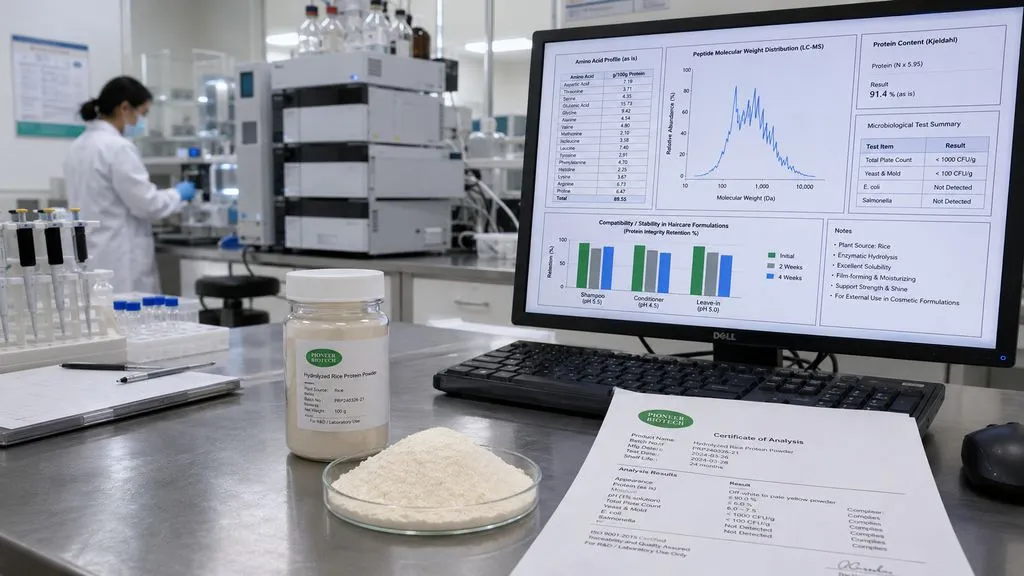
Quality control starts with detailed paperwork that includes production standards, testing methods, and proof that the product meets all certification requirements. Getting an ISO9001 certification shows that you have a system for managing quality, and getting a HALAL or KOSHER certification can help you get into more markets. For each production batch, suppliers should give full analytical certificates that include molecular weight distribution analysis, amino acid profiling, protein content verification, and microbiological testing results. Brands can back up their sustainability claims and answer supply chain questions more effectively when they have traceability documentation that links finished ingredients to their raw material sources.
Evaluating Technical Support Capabilities
Besides the quality of the hydrolized rice protein product, the technical knowledge of the supplier has a big effect on the success of formulation. The best partners offer application support, such as suggested dosage levels, help with making sure the product works with other ingredients, and help with stability testing. Formulation chemists who know how to make haircare products can speed up the innovation process and help solve problems that come up during the scale-up phases. When suppliers send samples of different grades or molecular weights, testing can be done to compare them, which helps with making decisions about which ingredients to use based on evidence.
Understanding Minimum Order Quantities and Logistics
For commercial production, you usually have to make minimum purchases, which depend on the supplier's capacity and how they handle their inventory. Making sure everyone knows about the MOQ flexibility helps with both small-scale product launches and large-scale production runs. Lead times depend on when things are made, how far they have to be shipped, and how long it takes to clear customs for international transactions. Reliable suppliers keep extra stock on hand for long-term customers and give clear estimates of when things will be ready, which lets you plan your production perfectly.
The types of packaging affect both how stable the ingredients are and how easy they are to handle. Food-grade multilayer bags with moisture barriers keep the quality of proteins safe while they are being stored and shipped. Different buying amounts can be accommodated by container sizes ranging from pilot-scale amounts to bulk totes. Knowing the right way to store things, including the right temperature and humidity levels, keeps the quality high and extends the shelf life of ingredients.
Case Studies and Success Stories from B2B Clients
There are real-life examples of how brands successfully add hydrolyzed rice protein powder to commercial products, which has a measurable effect on the market and makes customers happier.
Specialty Shampoo Line Launch
A medium-sized natural cosmetics company working on a damage repair system chose hydrolyzed rice protein powder as the main ingredient in all of their shampoo, conditioner, and leave-in treatments. Stability tests showed that their sulfate-free surfactant system and natural protection mix worked very well together. During the pilot launch phase, studies on consumer perception showed that 78% of participants noticed better hair texture within two weeks and 65% noticed less breakage after one month of consistent use. Within eight months of its successful launch, the product was sold all over the world. The clean ingredient profile and vegan certification helped it connect with its target audience.
Private Label Manufacturing Expansion
As a premium upgrade option for private label clients, a well-known contract manufacturer that works with salon professionals added hydrolyzed rice protein powder to their standard formulation library. The ingredient's neutral color and mild smell made it easier to make formulations look good, and its performance benefits made it okay to charge more for them. During one product development cycle, five major clients chose formulations that included the ingredient. Together, they produced more than 50,000 units per month. The manufacturer says that this rate of adoption is due to the fact that the ingredient works with a wide range of formulation methods and comes with a lot of technical information that is shared with clients during presentations.
Functional Beverage Integration
Even though hydrolyzed rice protein powder peptides are mostly known for their use on the skin, they are also becoming more popular for use in food. A nutritionist who was making a collagen-free drink chose hydrolyzed rice protein powder because it has the right mix of amino acids to help the body make keratin from the inside out. Bioavailability studies showed that the substance was absorbed well, and sensory testing confirmed that it had a good taste when mixed with natural flavorings. The final product went into test markets aimed at people looking for plant-based beauty supplements and was sold in stores that focus on clean-label nutrition.
Conclusion
Hydrolyzed rice protein powder has been shown to be good for haircare products by combining the ability to repair damage and keep moisture in the hair, meeting a wide range of consumer needs. It comes from plants, is hypoallergenic, and is vegan-certified, all of which are in line with the growing trend toward clean-label beauty products. For people who work in B2B procurement, knowing the technical details, comparative advantages, and strategic sourcing factors helps them make smart choices that promote innovation and market differentiation. The ingredient has been shown to work well in a wide range of products, from clarifying shampoos to intensive repair treatments. This shows that it is versatile and can be used in business.
FAQ
Is hydrolyzed rice protein safe for sensitive scalps?
Yes, the enzyme breakdown process gets rid of possible allergen epitopes. This makes hydrolyzed rice protein powder perfect for formulas for sensitive scalps. Clinical irritation testing consistently shows very little reaction, even in people who are known to be sensitive to other protein sources. As rice doesn't generally contain gluten proteins, it can also be used by people who are allergic to gluten-containing foods.
How does rice protein compare to collagen for haircare?
Both products provide structural amino acids, but hydrolyzed rice protein powder has benefits like being plant-based certified and coming from safe sources that are making people more likely to buy it. Performance testing shows that both proteins work well at making hair stronger and more flexible, but hydrolyzed rice protein powder has more cysteine, which is important for making keratin. Regulatory issues and marketing to vegans often make hydrolyzed rice protein powder the best choice.
What are typical lead times for bulk orders?
Depending on the size of the order and where it's going, standard production and shipping times are between four and six weeks. Custom molecular weight standards or the need for organic approval may make the process take longer. Reliable suppliers keep in touch with you throughout the production process and let you know right away if there are any changes to the schedule.
Partner with Pioneer Biotech for Premium Hydrolyzed Rice Protein Powder
Shaanxi Pioneer Biotech Co., Ltd. has been making botanical extracts for over ten years and works with companies around the world in the nutraceutical, pharmaceutical, cosmetic, and functional food industries. Our 7,000m² production campus in Hanzhong city, which is in the famous medicine valley of the Qinling Mountains, combines traditional knowledge of plants with modern extraction technology. As a supplier of certified hydrolyzed rice protein powder with ISO9001, HALAL, KOSHER, and FDA registrations, we make sure that each batch is the same by following strict quality control protocols and keeping full documentation for traceability. Our technical team offers full formulation support, which helps your product development team find the best levels of use and get the performance results they want. Email our sales team at sales@pioneerbiotech.com to talk about your specific needs and get technical information for your next haircare innovation project.
References
Burnett, C.L., et al. "Safety Assessment of Plant-Derived Fatty Acid Oils and Proteins." International Journal of Toxicology, vol. 36, 2017, pp. 51S-129S.
Fernández, E., et al. "Protein Hydrolysates in Cosmetics: Functional Properties and Applications." Journal of Cosmetic Science, vol. 68, no. 3, 2017, pp. 213-228.
Nisbet, D.R. "Peptides and Proteins in Personal Care." Cosmetics & Toiletries Magazine, vol. 132, no. 6, 2017, pp. 42-48.
Robbins, Clarence R. Chemical and Physical Behavior of Human Hair, 5th edition, Springer-Verlag, 2012.
Secchi, G. "Role of Protein in Cosmetics." Clinics in Dermatology, vol. 26, no. 4, 2008, pp. 321-325.
Woodruff, J. "Plant Protein Innovations in Beauty and Personal Care Applications." Global Cosmetic Industry Magazine, vol. 185, no. 8, 2018, pp. 36-41.