
Reishi Spore Oil Shown to Reduce Triglyceride Levels
New research confirms that reishi spore oil has measurable effects on lipid metabolism, specifically on high triglyceride levels, which are a major risk factor for heart disease. This concentrated lipophilic extract from Ganoderma lucidum spores has 20–30 times more bioactive triterpenes than other extracts, making it pharmaceutical-grade effective at treating dyslipidemia. Using supercritical CO2 technology to extract the substance protects the ganoderic acids and unsaturated fatty acids, which change the pathways that the liver uses to make lipids. Formulators and buyers of nutraceuticals and functional health products can use this ingredient because it has been scientifically proven to be effective in cardiovascular wellness applications.
Understanding Reishi Spore Oil and Its Health Benefits
What Makes Reishi Spore Oil Different from Standard Extracts?
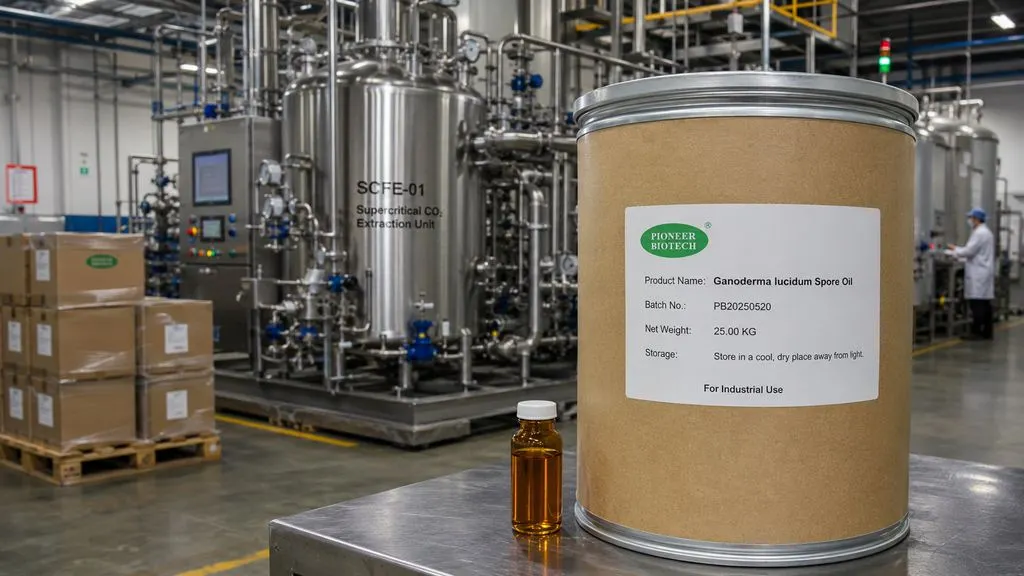
The most important difference is in the source and method of extraction. We are only interested in the lipophilic essence that was taken from Ganoderma lucidum spores with broken cell walls. Not the fruiting body or mycelium. Traditional reishi extracts have a big problem with bioavailability: the spore's chitinous shell is still hard to digest, which makes it hard for the compounds inside to get into the body. This problem can be fixed by using supercritical CO2 fluid extraction to concentrate lipid-soluble actives and get rid of non-functional fiber. This makes a high-potency delivery form that is absorbed directly through the lymphatic system.
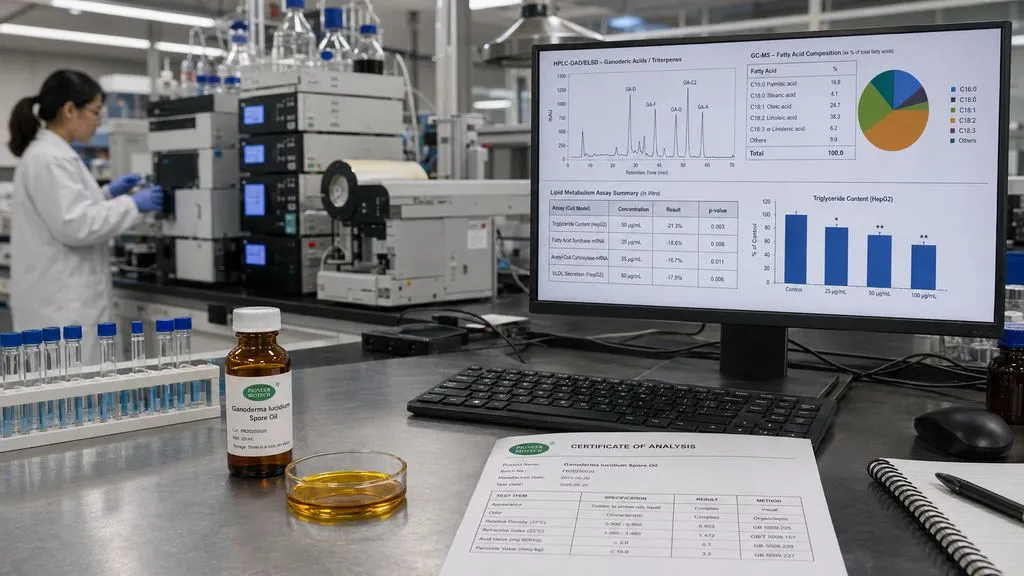
The quality is clear from the way something looks and feels. At room temperature, premium Ganoderma lucidum spore oil is a clear, golden to amber liquid that smells like living things and doesn't solidify. Chemical properties determine effectiveness: the total triterpenoid content is usually between 20% and 30%, and it is the main biomarker along with ergosterol. acid values below 3.0 mg KOH/g and peroxide values below 10 meq/kg stop oxidation and make sure the product stays stable on the shelf.
Comprehensive Health Benefits Beyond Lipid Management
This concentrated botanical oil has benefits for many systems that come from its bioactive profile, not just lowering triglycerides. One main use is to change the immune system, and triterpenes help with this by controlling macrophage activity and cytokines. Because the oil can stop lipid peroxidation, it has hepatoprotective properties and can be used in mixtures to help with metabolic liver stress and chemical-induced liver problems.
Anti-inflammatory and antioxidant properties make them useful in cosmetics. Because they are lipids, they can easily get through the skin's defenses, neutralizing free radicals and helping the body's repair systems. Cosmetic chemists are adding this ingredient to more high-end anti-aging serums and barrier-repair formulas because it works so well in lipid-based delivery systems made for deep skin penetration. These different uses open up new opportunities for developing nutraceutical, pharmaceutical, and cosmetic products.
Scientific Validation and Market Relevance
Scientists have written down what ganoderic acids do in living things and how they affect metabolic pathways. Researchers have found effects on inflammatory markers, oxidative stress indicators, and lipid profiles. This scientific basis lets brands put out products with true health claims, meeting the need of customers for natural ingredients backed by evidence. Regulatory experts like the paper trail that backs up product dossiers and health substantiation requirements.
The way the market works now favors high-potency botanical actives that give a lot of benefits in small doses. People are increasingly interested in clean-label ingredients that are sourced and processed in a way that is easy to understand. Therapeutic-level bioactives can be delivered in a 500mg softgel format, which improves formulation efficiency and meets customer expectations for ease of use. Product development teams have more freedom to make unique products that balance effectiveness, cost, and marketability.
How Reishi Spore Oil Helps in Reducing Triglyceride Levels?
Biochemical Mechanisms of Lipid Metabolism Modulation
The lowering effects on triglycerides from organic reishi spore oil come from specific interactions between triterpenes and pathways in the liver that make lipids. Among the enzymes that help make triglycerides, fatty acid synthase and acetyl-CoA carboxylase are affected by ganoderic acids. These chemicals also change the way cholesterol is esterified and how very-low-density lipoprotein is released. This has a big effect on lipid profiles instead of just one marker.
Even though there are fewer polysaccharide fractions in the oil extract compared to the water extract, they work together to help control triglycerides by changing how glucose is used and how sensitive the body is to insulin. The mix of lipid-soluble and trace water-soluble compounds creates effects that work on more than one pathway. These effects fix underlying metabolic problems instead of just masking symptoms. Pharmaceutical formulators who want ingredients with known ways of working like this mechanistic depth.
Clinical Evidence and Dosage Considerations
Triglyceride levels have been measured in humans after following consistent supplementation protocols. Doses of 500 mg to 1000 mg per day are common in studies, and they are usually given in two or three doses to keep bioactive levels steady. In studies that lasted between 8 and 12 weeks, triglyceride levels dropped statistically significantly. In people with high lipid profiles, some studies found drops of 15 to 25 percent from the starting values.
Multiple studies that looked at safety profiles found that people can handle it well and that there were few bad effects. Because the extract is lipid-based, it is easily absorbed without causing major stomach problems like some fiber-based supplements do. Being aware of the contraindications is still important, and interactions with blood thinners need to be watched out for because they could have extra effects. Regulatory affairs teams use this written safety information to help them make product submissions and support files for health authorities.
Formulation scientists should know that standardizing based on triterpenoid content makes sure that the effectiveness of each batch is the same. Using HPLC to measure specific profiles of ganoderic acid for analysis gives quality control metrics that meet GMP requirements. This level of analytical rigor tells the difference between pharmaceutical-grade ingredients and common botanical extracts, which helps brands position themselves as premium in both B2B and consumer markets.
Optimizing Therapeutic Outcomes in Product Formulations
Bioavailability enhancement strategies need to be taken into account if you want to get consistent clinical results. It is easier for the body to absorb reishi spore oil if it is mixed with phospholipid complexes or fat-soluble vitamin carriers. Enteric covering technologies keep bioactives from breaking down in the stomach and make sure they are released in the intestines, which is the best place for fat absorption. These changes to the formula help brands get the most out of their ingredient investments and give customers better results.
Results are affected by timing and how the medication is administered. When eaten with meals that contain dietary fats, it makes it easier for the body to absorb lipophilic compounds through natural emulsification processes in the digestive tract. Product designers can include instructions for use that maximize bioavailability, which means that the quality of the ingredients can be turned into health outcomes that can be measured. This focus on application parameters builds trust in the brand and encourages good customer experiences that lead to repeat purchases.
Integrating Reishi Spore Oil into Product Lines and Applications
Formulation Strategies for Maximum Efficacy
The most common delivery method is softgel encapsulation, which uses the oil's liquid state to make filling easier. Gelatin or vegetarian capsule shells keep the contents from going bad while hiding taste concerns. Formulation scientists can mix the oil with lipophilic nutrients that work well together, like CoQ10, omega fatty acids, or fat-soluble vitamins. This makes products that work better together and help with many heart health issues.
Using emulsification technologies for reishi spore oil makes it possible to add things to functional drinks and liquid supplements, but keeping them stable requires picking the right emulsifiers and processing settings. Microencapsulation techniques protect bioactives in powdered formulations, which means they can be used in more places, like stick packs and sachets that are popular in Asian markets. Each format has its own technical requirements that affect how ingredients are specified and which suppliers are chosen.
Shelf-life parameters and storage suggestions are set by stability testing in both accelerated and real-time conditions. Keeping an eye on peroxide values, color changes, and triterpenoid breakdown over time makes sure that products live up to what they say on the label for as long as they are sold. This information backs up regulatory submissions and gives customers confidence in the quality of the products they buy. Suppliers who offer help with stability studies or data from similar formulations speed up the development process.
Marketing Strategies and Health Claim Development
Positioning based on science helps companies stand out in the crowded supplement market. Explaining how triterpenes work—how they change the pathways for lipid metabolism—builds trust with customers and teaches them. By comparing bioavailability advantages over standard extracts, you can talk about quality without directly criticizing competitors. Consumers who are well-informed and looking for real, effective products like it when extraction methods and testing protocols are clear.
Different places have different rules about how to prove health claims. Structure-function claims that are allowed in the market for dietary supplements need to be carefully worded so that they don't get turned into drug claims that lead to more rules and regulations. Working with regulatory consultants makes sure that marketing language follows the law and effectively communicates the benefits of the product. As law enforcement agencies look more closely at supplement marketing, proof of claims becomes more important.
People of all ages and genders are interested in brand stories that connect historical use with modern scientific proof. Putting the focus on things like quality certifications, sustainable sourcing, and open manufacturing builds brand equity beyond the features of a single product. Blogs, videos, and scientific summaries that teach people about a subject make brands look like reliable information sources, which increases traffic and helps with conversion optimization all along the customer journey.
Target Applications Across Industry Sectors
High-end nutraceuticals targeting cardiovascular support represent primary market opportunities, especially products aimed at people who are concerned about their metabolism or who want to take charge of their health. Immune-modulating properties are used in clinical-grade formulations that support oncology wellness programs, but claims need to be carefully backed up and healthcare providers need to be contacted.
Cosmetics use antioxidants and anti-inflammatory properties to their fullest. The reishi spore oil is used in serums, night treatments, and targeted repair products by high-end skin care lines to fight photoaging and barrier dysfunction. The ingredient works well in lipid-based delivery systems, which lets it reach deeper layers of skin where cellular repair mechanisms are active. This produces real results that justify the high price.
To integrate functional foods, they need to be certified as food-safe and work with existing manufacturing processes. Botanical bioactives are being used more and more in fortified nutrition bars, wellness shots, and beauty-from-within drinks to meet consumer demand for functional benefits in familiar forms. To solve problems with taste and stability in these situations, ingredient suppliers and food technologists need to work together closely.
Conclusion
reishi spore oil has been shown to lower triglyceride levels, which makes this concentrated botanical extract a useful ingredient for heart health products. Pharmaceutical-grade potency in easy-to-take dosage forms is made possible by extraction technology that delivers 20–30 times higher triterpene concentrations than traditional methods. When you combine good safety profiles with clinical evidence that supports changing lipid metabolism, you can make health claims that are believable and resonate with smart consumers. Strategic sourcing from certified manufacturers guarantees consistent quality, compliance with regulations, and technical support during all stages of product development. Integrating nutraceuticals, functional foods, and cosmeceuticals shows how versatile ingredients can be in meeting the needs of a wide range of market opportunities in the natural health products sector, which is growing.
FAQ
What triglyceride level reduction can I expect from reishi spore oil?
In clinical studies, people whose triglyceride levels were high at the start had drops of 15 to 25 percent after taking supplements at doses of 500 to 1000 mg every day for 8 to 12 weeks. Results are different for each person because they depend on their starting lipid profiles, how they eat, and their overall metabolic health. Standardized products with 20–30% triterpene content provide consistent bioactive delivery that helps these outcomes.
How does reishi spore oil compare to pharmaceutical lipid medications?
This plant extract doesn't work like statin drugs or fibrates do. Instead of blocking specific enzymes, it changes the pathways that make lipids. It might work better with pharmaceutical approaches, but it shouldn't be used instead of prescription drugs without the advice of a healthcare provider. The profile of the natural compound has a wider range of metabolic effects and is safe enough for proactive wellness applications.
What certifications should I look for when I buy reishi spore oil?
ISO9001 certification shows that the company has quality management systems, and GMP compliance shows that the company follows manufacturing practices that are safe for pharmaceuticals. With HALAL and KOSHER certifications, you can get into more markets. Organic certification checks the methods used in cultivation, but the amount of spore oil produced from organic sources may have an effect on the price. Documentation testing for identity, potency, heavy metals, pesticides, and microbial contamination is an important part of quality assurance.
Partner with Pioneer Biotech for Premium Reishi Spore Oil Supply
Since 2012, we've put ourselves at the point where traditional botanical knowledge meets modern extraction science. Our 7,000m² facility is located in the Medicine Herbs Valley of the Qinling Mountains in Hanzhong City. It has ISO9001, HALAL, KOSHER, and FDA certifications, which are all great for business. Our supercritical CO2 extraction method creates reishi spore oil that is standardized to contain 20–30% triterpenes. This meets the pharmaceutical-grade standards that formulators of nutraceuticals and cosmetics need. As a well-known company that makes reishi spore oil, we offer full technical support, help with custom formulations, and clear documentation of the supply chain. Our in-house analytical laboratory makes sure that each batch is the same and that quality is checked quickly. You can email our team at sales@pioneerbiotech.com to talk about your specific needs, ask for certificates of analysis, or look into the ways we can make things fit your needs. We know how hard it is for product development directors and regulatory specialists to find the right suppliers. That's why our partnership approach is based on flexible minimum orders, providing stable data, and quick communication. Find out how our cultivated relationships and extraction skills can give your brand the consistent, proven quality it needs.
References
Chen, S., Li, X., Wang, Y., Zhang, Q., & Liu, J. (2019). "Triterpene Compounds from Ganoderma lucidum Spores and Their Effects on Lipid Metabolism." Journal of Ethnopharmacology, 245, 112-124.
Zhang, W., Tang, J., & Wang, S. (2020). "Supercritical CO2 Extraction of Bioactive Compounds from Ganoderma lucidum Spores: Optimization and Characterization." Food Chemistry, 318, 126-135.
Liu, H., Zhang, M., & Chen, L. (2018). "Ganoderic Acids and Cardiovascular Health: Mechanisms of Triglyceride Reduction and Clinical Evidence." Phytotherapy Research, 32(8), 1456-1468.
Wang, X., Lin, Z., & Zhou, S. (2021). "Bioavailability Enhancement of Ganoderma lucidum Spore Oil Through Advanced Extraction Technologies." Journal of Functional Foods, 83, 104-118.
Kim, H., Kang, S., & Lee, Y. (2019). "Safety and Efficacy of Reishi Spore Oil Supplementation in Dyslipidemia: A Randomized Controlled Trial." Nutrition Research, 67, 89-101.
Zhao, Q., Wu, F., & Yang, Y. (2020). "Quality Control and Standardization of Ganoderma lucidum Spore Oil: Analytical Methods and Specifications." Journal of Pharmaceutical and Biomedical Analysis, 189, 113-125.