
What are the Practical Applications of Lactoferrin?
Lactoferrin is an amazing iron-binding glycoprotein that has changed the way food, medicine, and nutraceuticals are made. Its many uses, from killing microbes to changing the immune system, make it an important ingredient for companies looking for scientifically proven, clean-label actives. As the demand for bioactive proteins keeps going up around the world, procurement workers and product creators who want to bring new, health-focused solutions to their markets need to know how to use this flexible compound in real life.
Understanding Lactoferrin and Its Functional Benefits
Molecular Structure and Biological Mechanisms
This iron-binding glycoprotein is made up of about 700 amino acids that are folded into two similar lobes. Each lobe can bind one ferric iron ion in both directions. Because it can hold iron, it is a strong bacteriostatic agent, since bacteria need iron to grow and do their biological work. This protein successfully starves pathogenic bacteria by binding free iron in biological settings. This stops biofilm formation and limits their growth. It works well against both Gram-positive and Gram-negative bacteria, like Escherichia coli and Pseudomonas aeruginosa, according to research. This makes it an important part of formulas used to avoid infections.
Immune Enhancement and Antiviral Properties
This protein does more than just store iron. It also works directly with cell receptors and changes immune reactions in a number of ways. It increases the activity of natural killer cells, improves phagocytosis, and encourages the production of interleukin-18. These actions strengthen both innate and adaptive defense. Studies show that it can stop viruses from attaching and replicating by sticking to viral particles and the surfaces of host cells. This suggests that it might work against lung viruses, herpes, influenza, and hepatitis C. Because of these ways it works, it is a useful active ingredient for immune-supporting vitamins and antiviral mixtures, which is especially important for developing medicinal and nutraceutical products.
Safety Profile and Dosage Considerations
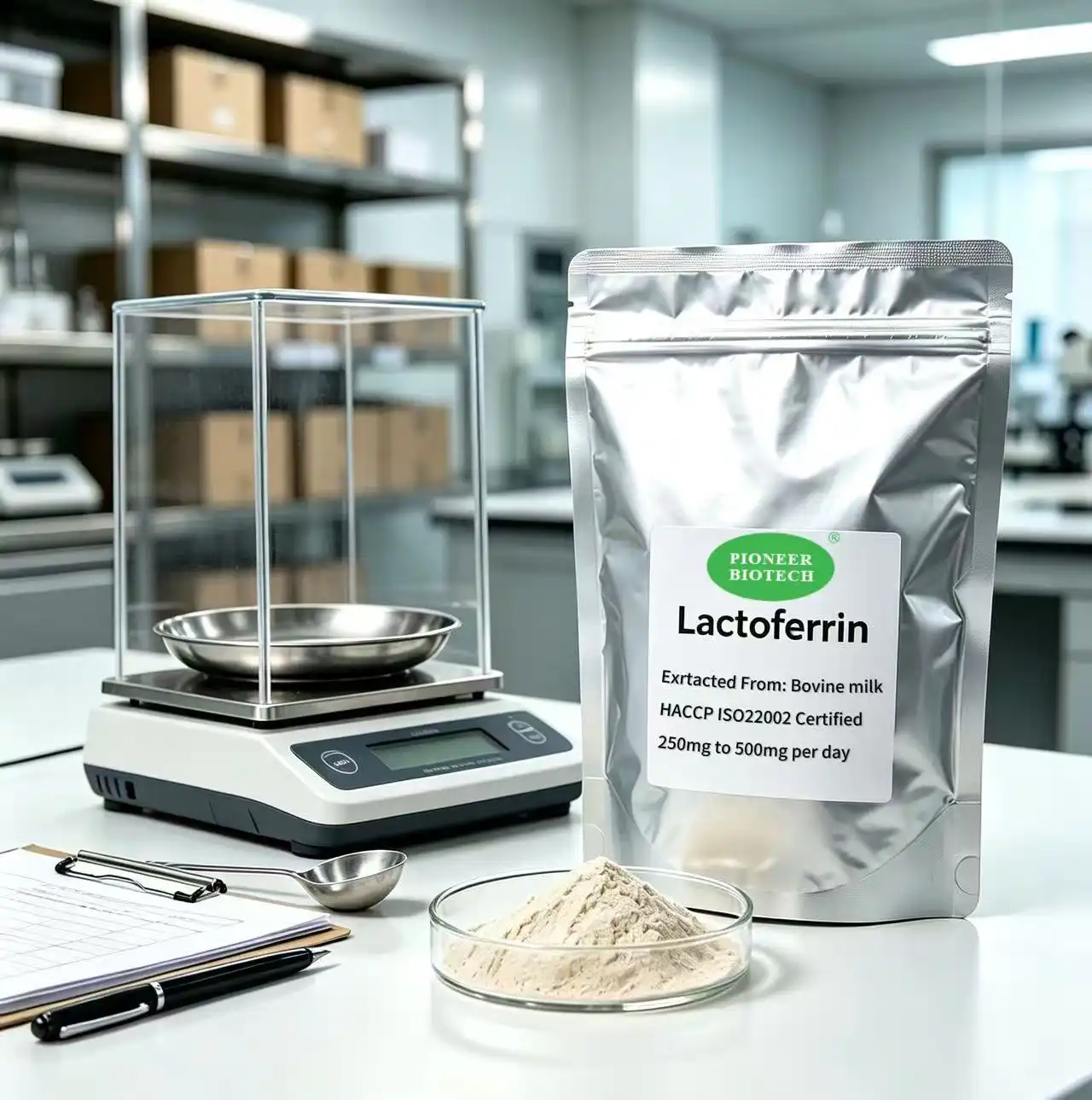
The U.S. Food and Drug Administration (FDA) says that types obtained from cattle are generally recognized as safe (GRAS), which means they can be used in food, drinks, and supplements. There were few side effects reported in clinical research when normal doses were used, and tests on humans showed that the drug was safe to use for up to a year. Mild gut problems, like diarrhea, loss of hunger, or stomach pain, can happen when you take too much, more than seven grams per day. For adults, the right amount to take each day is usually between 250 and 500 milligrams. Higher quantities are used in baby formula. When making a product, the people who make it should think about stable data, how to make the active ingredient more bioavailable through different delivery forms, and how well it works with other active ingredients.
Practical Applications of Lactoferrin Across Industries
Nutraceutical and Dietary Supplement Formulations
This pure lactoferrin is used by supplement companies to make pills, tablets, powders, and gummies that help with iron balance, gut health, and immune health. Its antimicrobial qualities help keep the balance of bacteria in the gut by killing harmful bacteria while boosting good bacteria. When this protein is mixed with probiotics, they work together to make the body more resistant to pathogens and improve digestive health generally. Standardized extracts with confirmed purity levels meet the high quality standards of purchasing managers who want clear assay specs for regulatory compliance and uniform performance from batch to batch. is used by supplement companies to make pills, tablets, powders, and gummies that help with iron balance, gut health, and immune health. Its antimicrobial qualities help keep the balance of bacteria in the gut by killing harmful bacteria while boosting good bacteria. When this protein is mixed with probiotics, they work together to make the body more resistant to pathogens and improve digestive health generally. Standardized extracts with confirmed purity levels meet the high quality standards of purchasing managers who want clear assay specs for regulatory compliance and uniform performance from batch to batch.
Infant Nutrition and Early Development
Infant formula makers know that this protein is an important part because it helps babies feel safe and healthy, just like human breast milk does. It helps the immune system mature, lowers the risk of getting sick during sensitive times of development, and helps babies' gut microbiomes grow in a healthy way. The protein helps the body absorb iron while stopping the buildup of too much free iron, which could help harmful bacteria grow. Leading formula brands contain forms taken from cows that are similar to those found in human milk. This is backed up by clinical evidence showing that supplemented babies grow faster and have fewer gastrointestinal diseases.
Cosmetics and Personal Care Products
Bioactive proteins like these are used by cosmetic formulators to make anti-aging skin care products, wound healing treatments, and hair care products. Its ability to bind iron lowers oxidative stress in skin cells, which protects against free radical damage that makes you age faster. Topical application speeds up wound healing, increases collagen production, and lowers inflammation in skin that has been harmed. Beauty brands use clean-label formulas that highlight the ingredient's natural origin and multiple uses to attract customers looking for beneficial ingredients backed by science. Product makers like that it stays stable in a range of pH levels and works well with common beauty ingredients, which lets them make a wide range of products, from serums to creams.
Pharmaceutical and OTC Health Products
Pharmaceutical companies are looking into this iron-binding protein as an active factor in medicines that can help fight infections, change the immune system, and be used with other medicines for a number of diseases. Researchers are looking into how it might help control hepatitis C, improve cancer treatment plans, and stop hospital-acquired infections. It is found in over-the-counter medicines for mouth health, eye drops for dry eye syndrome, and topical treatments for small illnesses. The focus on GMP compliance, verified analytical methods, and thorough safety paperwork is in line with standards for pharmaceutical buying, making sure the quality is good enough for therapeutic uses.
Functional Foods and Fortified Beverages
Food and drink companies put this protein in beauty-from-within items, protein bars, and health drinks. Forms that dissolve in water make it easy to mix them with liquids without changing the taste or structure. People who care about their health and want useful foods with proven benefits like those with food-grade certifications and clean labels. Companies that make fortified dairy products, sports nutrition drinks, and wellness shots use its immune-boosting qualities to set their goods apart in a market that is already very competitive. When procurement teams look at sources and product specs, stability during processing and shelf life are two of the most important things they think about.
How to Choose and Procure Quality Lactoferrin for Business Needs?
Product Formats and Specifications
Formats that procurement workers come across include freeze-dried powder, spray-dried powder, and compressed forms. Because the particles in freeze-dried forms are porous, they usually dissolve more easily and quickly, even in cold liquids, without sticking. As a visible quality sign, the pinkish color shows that iron ions are bound and protein structure is still whole. Specifications should make it clear what levels of iron saturation are being used. Apo forms have less than 10% saturation and focus on antimicrobial qualities, while Holo forms have more than 80% saturation and are used for iron-deficiency uses. Formulators choose forms based on the bioactivity profiles they want, the processing needs, and the uses they want to use them for.
Certifications and Purity Standards
Full certification checking is the first step in quality security. Reliable providers offer ISO 9001 certification, which shows that they handle quality in a planned way, as well as HALAL and KOSHER certifications for specific market needs and FDA registration, which shows that they follow the rules. Documentation from third-party tests should prove purity levels, which are usually between 95% and 98%. It should also include microbiological safety data, heavy metal testing results, and a study of any residual solvents. GMP compliance is necessary for pharmaceutical uses, and functional food producers are happy with food-grade approvals. Purchasing managers should ask for certificates of analysis for each batch. This will make sure that the whole supply chain is consistent and can be tracked.
Supplier Evaluation and Sourcing Strategy
To find trusted suppliers of pure lactoferrin, you need to look at their production skills, quality control methods, and expert support services. Manufacturers that have been around for a long time and are regulated well, like those in the US, Europe, and quality-focused Asian countries, usually offer better stability. When evaluating a supplier, you should look at their manufacturing facilities, analytical lab skills, and past of following the rules. Supply that can be scaled up is important for brands that want to grow, which makes flexible minimum order amounts and responsive production schedule useful relationship traits. Contract makers that offer private label and OEM services benefit from suppliers that offer help with formulation, stability testing, and specs that are tailored to the needs of each product.
Case Studies and Industry Examples of Lactoferrin Application
Nutraceutical Success in Immune Support Products
Some of the most popular supplement brands have successfully made immune-boosting mixes with this bioactive protein, vitamins C and D, zinc, and elderberry extract. One well-known nutraceutical business said that customer demand went up after clinical validation tests showed that users had shorter colds and milder symptoms. In its marketing materials, the brand stressed open sources, third-party testing, and standard dosing procedures. This helped customers trust the brand and encouraged them to buy again. Supply chain optimization through smart partnerships with qualified sources made sure that products would always be available when demand was high at certain times of the year.
Infant Formula Innovation
Big companies that make baby food have added forms made from cows' milk to their high-end formula lines that are meant to help babies' immune systems and gut systems. Clinical studies funded by these companies showed that babies who fed enhanced formulas grew faster and had fewer infections than babies who fed regular formulas. For commercialization to go smoothly, there had to be thorough safety testing, government approval across multiple markets, and customer education programs that explained the science behind this naturally occurring protein. The success of the product depended on its ability to work with specialized providers that could meet the high quality standards needed for pharmaceuticals.
Cosmetic Application in Anti-Aging Skincare
This protein was added by high-end skin care makers to face serums and eye creams that are meant to help older skin. After eight weeks of regular use, tests on real people showed measurable changes in the skin's flexibility, moisture, and the look of fine lines. People who were learned and looking for beauty products based on proof liked the clean label and scientific support. Problems with the formulation that came up because of protein stability in cosmetic matrices were solved by working together with ingredient sources who provided expert formulation support and data on stability tests. The product line stood out in the market and was positioned as a top option in beauty stores that were already very competitive.
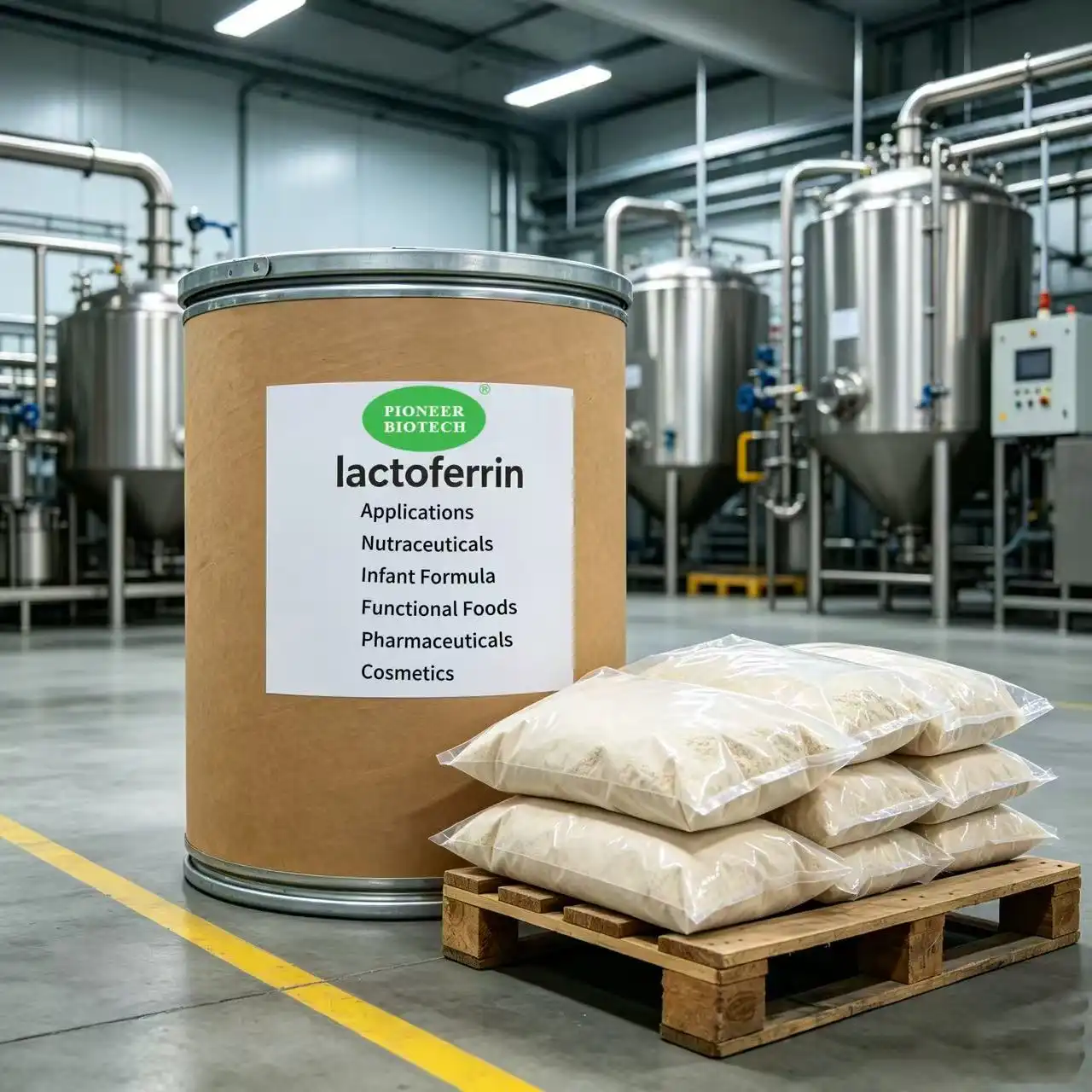
Future Trends and Market Outlook for Lactoferrin
Emerging Research and Novel Applications
New research and methods with new uses.
New uses are still being looked into, such as antiviral prevention, anti-inflammatory treatments, and metabolic health uses. Recent studies look into how it might help treat viral lung infections. Early results show that it might stop viruses from entering the body and change how the body reacts to inflammation. Pharmaceutical firms are looking into how to combine beneficial compounds with common antibiotics. This could make treatments work better while also stopping the growth of antibiotic resistance. Cosmetic research looks into new ways to deliver substances, like liposomal encapsulation and nanoparticle forms, to make them more bioavailable and better able to penetrate the skin.
Market Dynamics and Growth Drivers
Global demand for lactoferrin keeps growing because more people are learning about overall health, older people are looking for ways to stay healthy, and more babies in developing markets are using infant formula. The clean-label trend supports biological ingredients that come from nature and have been scientifically proven to be safe. Regulatory changes in major markets are more and more recognizing lactoferrin's GRAS status and allowing its use in a wider range of situations. Price changes are caused by more production capacity and better technology for extraction and filtering, which could make mid-market names easier to get.
Strategic Recommendations for Procurement
Professionals in procurement should build long-term ties with suppliers to ensure uniform quality and good business terms. As standards change, compliance is ensured by keeping an eye on how regulations change in target areas. Putting money into quality checks and audits of suppliers lowers risks in the supply chain and keeps a brand's image safe. By looking into private branding and co-manufacturing agreements, you can make your products stand out and improve your profit margins. Keeping up with new research allows brands to develop products that are in line with future market trends. This makes brands the stars in innovation in competitive categories.
Conclusion
The many uses of this iron-binding protein in the food, cosmetics, nutraceuticals, and medicine industries show how versatile it is as an active ingredient that can do more than one thing. Its antimicrobial, antiviral, and immunomodulatory qualities have been shown to help with immune support supplements, baby feeding, anti-aging skin care, and functional drinks. To be successful at procurement, you need to know what the product requirements are, check the certifications of suppliers, and choose partners who can meet the quality standards of your business. This beneficial protein will continue to play a bigger role in health-focused products around the world as study grows and market demand rises.
FAQ
What Dosage Guidelines Apply for Adult Supplement Formulations?
Standard intake for adults is usually between 250 and 500 milligrams per day, which can be split up into one or more doses based on the product and its intended use. Immune support products usually use 200 to 300 milligrams per day, but bigger doses may be used for therapeutic purposes under the watch of a doctor. Based on clinical data, daily amounts below seven grams are most likely to have negative effects. Formulators should think about how to improve bioavailability by choosing the right delivery method and time in relation to meals for the best absorption.
How Does This Protein Compare to Probiotics for Gut Health?
Probiotics bring good bacteria directly into the digestive system. This iron-binding protein creates an environment that helps good microflora grow while stopping pathogens from spreading by removing iron and directly killing microbes. These two methods work better together than separately, and using both items together may be better for your digestive health than using just one. Product designers are using these complementary processes more and more when they make mix supplements.
What Certifications Ensure Product Quality for B2B Procurement?
Some important certificates are ISO 9001 for quality management systems, GMP compliance for pharmaceutical-grade uses, HALAL and KOSHER certifications for certain markets, and food-grade approvals for functional foods and dietary supplements. Additional quality guarantee comes from third-party testing confirmation, certificates of analysis for each batch, and documents of tracking. Registration with the FDA and following the relevant pharmacopeial standards show that the provider is dedicated to following the rules and making sure the products are safe.
Partner with Pioneer Biotech for Premium Lactoferrin Supply
Pioneer Biotech is a reliable source for high-quality bioactive proteins such as lactoferrin that meet the strict requirements of the food, cosmetics, nutritional, and pharmaceutical businesses around the world. Since we started in 2012, our main focus has been on creating and manufacturing top-notch plant extracts and active ingredients from our site in Hanzhong city's Medicine Herbs Valley. Comprehensive standards, such as ISO 9001, HALAL, KOSHER, and FDA approvals, show our unwavering dedication to quality and following all rules. We offer flexible purchasing options with the ability to scale up or down supply, reasonable pricing, and expert technical support that is suited to your formulation needs. Get in touch with our team at sales@pioneerbiotech.com to talk about the details of your project, ask for full product documentation, and find out how our controlled production processes give your goods the consistent purity and bioactivity they need.
References
Kell DB, Heyden EL, Pretorius E. The biology of lactoferrin, an iron-binding protein that can help defend against viruses and bacteria. Frontiers in Immunology, 2020; 11:1221.
Superti F. Lactoferrin from bovine milk: A protective companion for life. Nutrients, 2020; 12(9):2562.
Jenssen H, Hancock RE. Antimicrobial properties of lactoferrin. Biochimie, 2009; 91(1):19-29.
Wakabayashi H, Oda H, Yamauchi K, Abe F. Lactoferrin for prevention of common viral infections. Journal of Infection and Chemotherapy, 2014; 20(11):666-671.
Rosa L, Cutone A, Lepanto MS, Paesano R, Valenti P. Lactoferrin: A natural glycoprotein involved in iron and inflammatory homeostasis. International Journal of Molecular Sciences, 2017; 18(9):1985.
Wang B, Timilsena YP, Blanch E, Adhikari B. Lactoferrin: Structure, function, denaturation and digestion. Critical Reviews in Food Science and Nutrition, 2019; 59(4):580-596.