
Choosing a High Quality Turmeric Extract Powder
Choosing the right curcumin extract powder is a smart choice that has a direct effect on how well the recipe works, how trustworthy the product is, and how competitive the market is. As the concentrated medicinal substance made from turmeric root, curcumin extract powder has standard levels of potency—often more than 95% purity—that raw turmeric can't match. Pharmaceutical developers, nutraceutical brands, and cosmetic formulators need to know about quality parameters like extraction methods, analytical verification, and supplier certifications in order to reduce procurement risks and meet regulatory requirements in global markets.
What Is Curcumin?
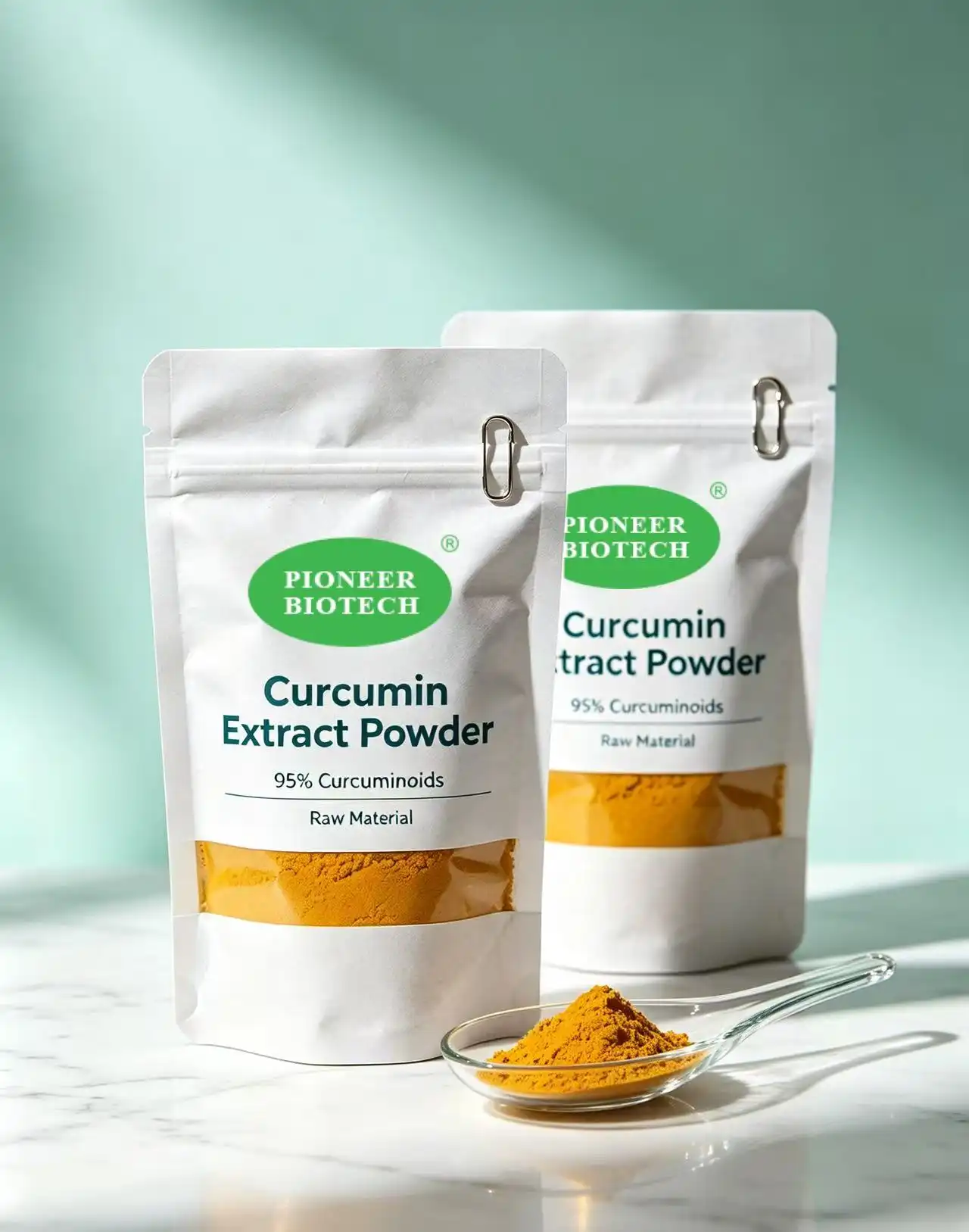
Turmeric (Curcuma longa) contains a main polyphenolic substance called curcumin, which gives the root its yellow color and health benefits. Researchers have found three main curcuminoids in turmeric: curcumin, demethoxycurcumin, and bisdemethoxycurcumin. Curcumin makes up about 77% of all the curcuminoids in standardized products. This bioactive chemical has strong anti-inflammatory and antioxidant properties. It does this by changing many cellular processes, such as stopping the release of pro-inflammatory cytokines and neutralizing free radicals.
Biochemical Profile and Standardization
Curcumin is valued in the pharmaceutical and nutraceutical businesses because it has biological functions that have been well studied. Standardization methods are used to make sure that high-quality curcumin extract powder always has the same amount of curcuminoid, which is usually between 95% and 98% pure. This uniformity is important because the healing effects are directly linked to the amount of curcuminoid used. Studies in the Journal of Medicinal Food show that controlled products consistently reduce inflammation, but the curcumin level of raw turmeric powder (2–5%) varies, leading to uneven outcomes.
Water Soluble Curcumin Powder Innovations
Traditional curcumin doesn't dissolve well in water and isn't very bioavailable, so it doesn't absorb well through the digestive system. This problem can be solved with water-soluble curcumin powder forms that use improved delivery methods such as cyclodextrin complexation, micellization, or phospholipid conjugation. These new developments make absorption rates 10–40 times higher than with regular extracts. This makes them very useful for use in drinks and quickly acting functional goods. Cosmetic makers also like water-soluble versions because they are easier to mix into water-based skin care products.
Understanding Curcumin Extract Powder: Composition and Benefits
The healing power of curcumin extract powder comes from its many biological activities, which have been proven over and over again in clinical studies. In some situations, the substance has anti-inflammatory benefits similar to non-steroidal drugs, but it doesn't have the stomach problems that come with non-steroidal drugs. This safety profile along with its effectiveness opens up huge market possibilities for B2B clients who are making dietary supplements or pharmaceutical formulas.
Evidence-Based Health Benefits
Clinical studies have shown that curcumin can help keep your joints healthy, your heart healthy, and your brain healthy. A study in Clinical Nutrition looked at 15 randomized controlled trials with a total of 1,223 subjects and found that curcumin supplements greatly decreased inflammation biomarkers such as C-reactive protein and interleukin-6. These results give strong scientific support to marketing claims and regulatory applications for nutrition brands that aim to treat inflammatory diseases.
Curcumin is an antioxidant that does more than just get rid of free radicals. Researchers have found that curcumin increases the activity of natural antioxidant enzymes such as superoxide dismutase and catalase, which protects cells over time. Because it works in two ways, curcumin is a great ingredient for anti-aging cosmetics, since oxidative stress makes skin look older.
Bioavailability Considerations
The biggest problem with preparation is still that native curcumin is not very bioavailable. Even at high doses taken by mouth, systemic exposure is limited by fast metabolism and poor absorption. Product makers deal with this in a number of ways by improving the products. According to study published in Planta Medica, piperine, which comes from black pepper, stops glucuronidation in the liver and intestines. This makes curcumin up to 2,000% more bioavailable. Nanoparticle coating, phytosome technology, and molecular changes that make lipids more soluble are some other options.
Recommended Dosage Strategies
The right dose depends on the type of product and the treatment goal. For standard curcumin extracts, you need to take 500–2,000 mg every day in two or three doses. For bioavailability-enhanced formulas, 80–500 mg every day is enough to get therapeutic results. When making dose plans that balance effectiveness with manufacturing costs, pharmaceutical makers need to think about these things. Regulatory dossiers for new drug applications or novel food submissions are stronger when they include clinical evidence that backs up particular dosage ranges.
Key Criteria for Choosing High-Quality Curcumin Extract Powder
Decisions about purchases need to be based on a systematic review of many quality aspects. Leading providers give buyers a lot of information that they can use to check that the product specs match the formulation requirements and legal standards.
Purity and Contaminant Testing
High-performance liquid chromatography (HPLC) research confirms the curcuminoid content as the main sign of purity. Premium products have 95–98% total curcuminoid content, and records of analysis show the exact amounts of each curcuminoid. Checking for contaminants is just as important as checking for active compounds. Lead, arsenic, mercury, and cadmium levels must be in line with ICH Q3D rules or USP standards, especially when used in pharmaceuticals.
Another quality issue that needs to be thought about for pure curcumin powder is microbial contamination, especially for food and health supplement uses. Total plate numbers, amounts of yeast and mold, and pathogen tests (for example, E. coli and Salmonella) should all meet or beat industry standards. Suppliers who offer gamma irradiation or steam cleaning services give customers even more safety without affecting the purity of the active substance.
Organic Certification Impact
Getting a USDA or EU organic approval means a lot more than just looking good on a marketing sheet. Organic approval makes sure that farming methods don't use synthetic fertilizers and pesticides, which meets both customer tastes and legal requirements in some markets. According to a study in the Journal of Agricultural and Food Chemistry, organic turmeric has higher amounts of antioxidants than normal crops. This could mean that organic turmeric is a better quality raw material.
Buyers who value openness and traceability will benefit from these certifications, which require thorough recording of the supply chain. The certification fee is usually between 15% and 30% more than regular extracts. This is more than made up for by better brand marketing and access to higher-end market groups.
Extraction Method Evaluation
The technology used for extraction has a direct effect on the end product's properties. Using ethanol or acetone for conventional solvent extraction leads to high yields and amounts of curcuminoids, but the leftover solvent needs to be tested to make sure it doesn't go over the limits set by the pharmaceutical industry. Supercritical CO2 extraction gets rid of worries about solvent waste while making extracts that are very pure. However, it costs more to make, so the prices are higher.
Clean-label markets like aqueous extraction methods because they make water-soluble extracts that can be used in food and drinks. There are clear benefits to each method. Pharmaceutical buyers prefer solvent-extracted materials because they are more pure and cost less, while functional beverage makers look for water-soluble versions that work best in liquid mixes.
Supplier Credibility Verification
Regulatory compliance licenses are basic signs of trustworthiness. GMP approval shows that a factory follows strict rules for making medicines. These rules include keeping the surroundings safe, making sure the machinery works properly, and keeping detailed records of each batch. Quality management systems are checked by ISO 9001 certification, and food safety management is checked by ISO 22000 certification.
Testing by a third party in separate labs is a fair way to check the grade. Leading sellers offer documents for each batch that are issued by recognized labs and confirm the product's name, purity, and lack of contamination. This paperwork is very important for regulatory checks and customer reports, which lowers the risk of not following the rules all along the supply chain.
Curcumin Extract Powder vs Alternatives: Making an Informed Comparison
B2B buyers need to look at a number of different product forms to find the best recipe performance and business viability. Depending on the needs of the product and the situation of the target market, each choice has its own benefits.
Extract Versus Raw Turmeric Powder
Only 2 to 5 percent of raw turmeric powder is curcuminoids, so much more of it is needed to have beneficial benefits. This makes compounding difficult. To get 500 mg of curcumin from a standardized extract, you need 10–25 grams of raw turmeric powder, which is too much for capsules or tablets. Aside from dose issues, the fact that raw turmeric's makeup changes from batch to batch makes quality control and checking label claims harder.
Curcumin extract powder has controlled, concentrated action that lets you precisely control the formulation. This uniformity is important for designing clinical trials because it makes sure that measures of the outcomes are accurate. Even though extracts cost more per kilogram, cost analysis often favors them because lower doses lower total formula costs and smaller serving sizes make it easier for people to follow the directions.
Powder Versus Other Formats
For large-scale production, bulk powder forms give you the most recipe options and the best value for money. Powders are easy to mix into pills, tablets, and blended solutions, and they keep their quality for a long time if you store them properly. Powder's low water activity makes it better for uses that need to avoid moisture, and it also makes products last longer than liquid extracts.
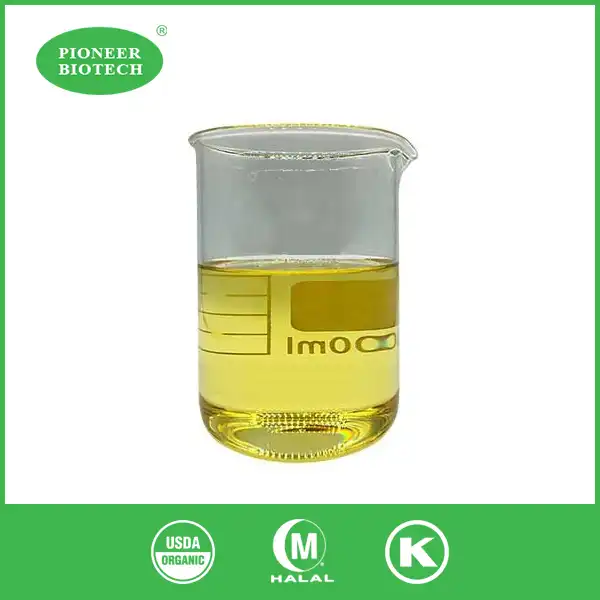
When water dispersibility is important, liquid extracts and oil-soluble formulas are used. Even though they usually cost more and last less long, these special forms are needed for beverage makers and cosmetics that are based on emulsions. The choice about the structure should be based on what the end product needs, not just how much the ingredients cost.
Bioavailability-Enhanced Products
Because standard curcumin isn't very well absorbed, many private methods have been created to make it work better. Piperine co-administration is still the most cost-effective method, but some markets are worried about adding black pepper extract. Phospholipid clusters (phytosomes) make drugs more bioavailable by making it easier for cells to take them in. This is backed up by clinical pharmacokinetic data showing higher plasma curcumin levels.
Nanoparticle versions have great uptake, but they are harder to regulate and cost more to make. Bioavailability changes must be weighed against business factors such as the cost of ingredients, the time it takes to get approval from regulators, and intellectual property restrictions. The best choice relies on the therapeutic goals, how the company positions itself in the market, and the price range that the target markets will accept.
Procurement Insights: Where and How to Source Curcumin Extract Powder?
Botanical products are supplied around the world by a variety of different types of suppliers, each of which has its own benefits depending on the situation. By knowing about these choices, you can make smart sourcing decisions that are in line with your business needs and risk tolerance.
Supplier Type Considerations
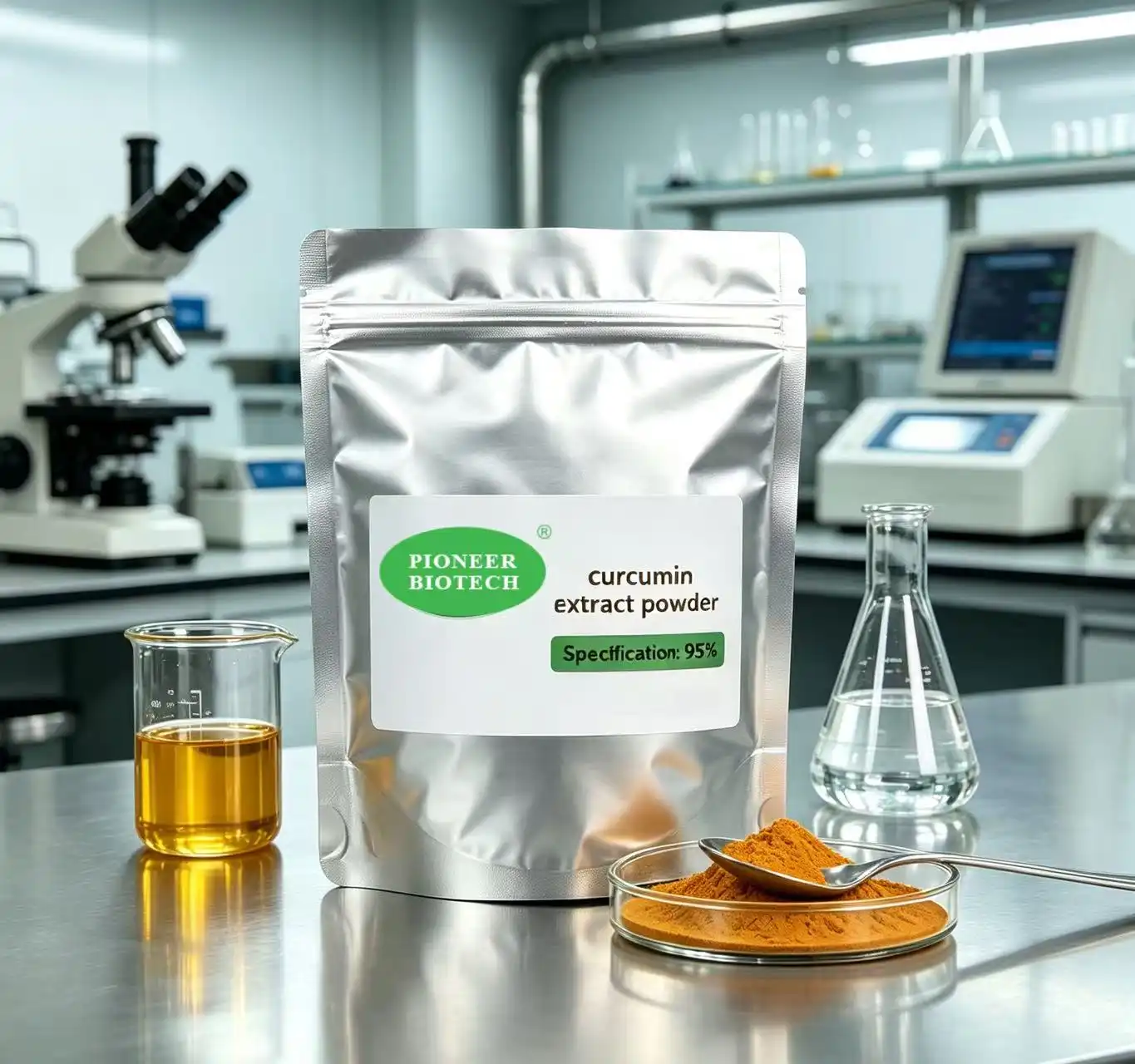
Direct producers who control cultivation, extraction, and standardization offer the most scientific help and openness in the supply chain. These sellers usually work with bigger customers who need consistent amounts of goods, and they offer low prices for long-term relationships. Companies like Pioneer Biotech are good examples of this model because they keep their operations combined from getting the raw materials to making the end extract.
Exporters and trading businesses help smaller brands and contract makers who need more than one source for ingredients get into new markets by lowering the minimum order numbers. Even though these middlemen might be useful, they make the supply chain more complicated and may make it harder to get the manufacturing paperwork that is needed to meet legal requirements.
Pricing Dynamics and Value Assessment
Prices for 95% curcumin powder on the market today vary a lot depending on a number of factors. Unit costs are affected by the extraction method, the state of the license, and the size of the order. Most of the time, conventionally extracted material costs less than CO2-extracted or organically approved substitutes. Instead of just looking at FOB prices, buyers should look at the total shipped cost, which includes freight, taxes, and quality inspection costs.
Most of the time, promises to buy in bulk open up better price tiers. Price stability is achieved through annual supply deals, which are good for both buyers and sellers. Buyers are protected from volatile product prices, and sellers are assured of steady demand. When deciding where to get ingredients, quality should always come first. Replacing bad materials and fixing problems with the market's image are much more expensive than the saves from buying cheaper ingredients.
Logistics and Regulatory Compliance
When sending plant extracts across international borders, they need to be carefully documented with things like phytosanitary certificates, certificates of analysis, and statements of regulatory compliance. Temperature-controlled storage during shipping keeps products stable, especially bioavailability-enhanced formulas that are easily broken down. Setting clear standards for quality acceptance before the shipment arrives stops expensive arguments and delays in production.
Different markets have very different rules about imports. Novel Food Rules in the European Union, U.S. Product acceptance is affected by the FDA's GRAS standing and supplement rules in each country. Suppliers with a lot of experience deal with these rules all the time, giving advice and paperwork that makes the customs clearance and regulatory filing processes go more quickly.
Best Practices and Tips for Using Curcumin Extract Powder in Manufacturing
For product creation to go well, formulation chemistry, stability issues, and quality control during production must all be taken into account. These steps make sure that finished goods meet the requirements and work as planned for as long as they are stored.
Formulation Compatibility
The chemical structure of curcumin makes it hard to formulate in certain ways. The chemical is sensitive to changes in pH, light, and reactive stress. Alkaline surroundings (pH above 7) break down things quickly, which limits their use in some drinks and personal care products. Antioxidant systems that use tocopherols or ascorbic acid help keep produced goods stable.
The choice of excipient affects both storage and absorption. Lipid-based carriers make it easier for curcumin to be absorbed and keep it from breaking down. Enteric coats stop early release in acidic stomachs, which makes absorption better in the intestines. For these formulation methods to be proven, they need to be tested for stability in both rapid and real-time conditions. This is to make sure that the amount of curcumin in the product stays within the limits set by the manufacturer throughout its shelf life.
Quality Control Protocols
Consistent quality is ensured by thorough testing at several steps of production. Verification of incoming raw materials should include confirming their identity using HPLC fingerprints, figuring out their strength, and checking for contaminants. During mixing and encapsulation, in-process testing keeps an eye on important factors and finds any changes before the batch is finished.
Testing the finished product verifies what the label says and makes sure it meets all the rules. The amount of curcumin, how it dissolves, the limits of microbes that can grow on it, and signs of safety all need to be checked. Third-party laboratory confirmation gives you extra peace of mind and proof that you can use during regulatory checks or customer reports. These good investments lower the risks of pulling out of the market and boost the trustworthiness of the brand with picky customers.
Safety and Risk Mitigation
Clinical tests have shown that curcumin is very safe, with doses of up to 12 grams per day having very few negative affects. However, because curcumin has mild antiplatelet activity, makers need to think about how it might combine with other drugs, especially blood thinners. Product labels should include the right warnings for people who are more likely to be hurt, like pregnant women and people who have recently had surgery.
Formulations with solubility boosters are mostly affected by allergen concerns. Some places require black pepper allergy labels to be put on goods that contain piperine. Cross-contamination must be avoided in manufacturing sites that use a lot of organic products by putting in place allergen control programs. These risk management steps protect customers and lower the manufacturer's exposure to liability.
Conclusion
To choose a good curcumin extract powder, you need to carefully look at the purity requirements, the way the powder was extracted, the supplier's certifications, and how well it works with other ingredients. There are a lot of different choices on the global market, from cheap standard extracts to high-end organic and bioavailability-enhanced versions. A good buying process combines technical needs with business needs, knowing that good investments pay off through legal compliance, product effectiveness, and market differentiation. As the number of people looking for plants that have been proven to work in clinical trials keeps growing, brands that want to stand out in the competitive health and wellness markets need to build relationships with reliable providers.
FAQ
What distinguishes curcumin extract from regular turmeric powder?
Curcumin extract is made up of pure curcuminoids (usually 95% or more) that are taken from turmeric root using special methods. Turmeric powder that you buy in stores only has 2 to 5 percent curcuminoids. It also has starches, proteins, and other plant parts. Because of this difference in concentration, extracts work consistently and reliably at smaller doses, while turmeric powder needs much bigger serves to provide the same amount of curcuminoid.
How can manufacturers improve curcumin bioavailability in formulations?
Several tried-and-true methods improve the absorption of curcumin. When taken with piperine, the absorption goes up by up to 2,000% because it stops metabolic breakdown. Phytosome technology, which involves phospholipid complexation, makes it easier for cells to take in substances by making lipids more soluble. Nanoparticle formulations, micellar dispersions, and structure changes are some other methods that can be used. Each has its own cost and regulation effects.
Which certifications should buyers verify when sourcing curcumin extract powder?
GMP certification proves that the product meets standards for making medicines, and ISO 9001 certification shows that the quality management system is working properly. Organic approvals (USDA, EU) check the farming methods used to make organic goods. Third-party testing records from approved labs provide an independent check of the product's purity, effectiveness, and contaminant levels. All of these licenses lower the risks of buying things and help make sure that regulations are followed in global markets for curcumin extract powder.
Partner with Pioneer Biotech for Premium Curcumin Extract Powder Supply
Pioneer Biotech provides pharmaceutical-grade plant products that meet the strict requirements of leading companies around the world that make medicines, cosmetics, and nutraceuticals. Our curcumin extract powder is 95–98% pure curcuminoid thanks to improved extraction methods and a lot of quality evidence, such as certificates of analysis for each batch. Our ISO9001, HALAL, KOSHER, and FDA-registered facility is in Hanzhong's famous medicinal herb valley. It offers a dependable source that is backed by strict quality systems. Our expert team works with you to find the best ingredient specs for your application, whether it needs regular extracts, organically certified materials, or water-soluble versions. Please email us at sales@pioneerbiotech.com so that our team of curcumin extract powder suppliers can talk about your needs and send you samples that show how committed we are to quality excellence.
References
Gupta SC, Patchva S, Aggarwal BB. "Therapeutic Roles of Curcumin: Lessons Learned from Clinical Trials." AAPS Journal, vol. 15, no. 1, 2013, pp. 195-218.
Hewlings SJ, Kalman DS. "Curcumin: A Review of Its Effects on Human Health." Foods, vol. 6, no. 10, 2017, pp. 92-107.
Prasad S, Gupta SC, Tyagi AK, Aggarwal BB. "Curcumin, a Component of Golden Spice: From Bedside to Bench and Back." Biotechnology Advances, vol. 32, no. 6, 2014, pp. 1053-1064.
Sahebkar A. "Are Curcuminoids Effective C-Reactive Protein-Lowering Agents in Clinical Practice? Evidence from a Meta-Analysis." Phytotherapy Research, vol. 28, no. 5, 2014, pp. 633-642.
Shoba G, Joy D, Joseph T, Majeed M, Rajendran R, Srinivas PS. "Influence of Piperine on the Pharmacokinetics of Curcumin in Animals and Human Volunteers." Planta Medica, vol. 64, no. 4, 1998, pp. 353-356.
Tayyem RF, Heath DD, Al-Delaimy WK, Rock CL. "Curcumin Content of Turmeric and Curry Powders." Nutrition and Cancer, vol. 55, no. 2, 2006, pp. 126-131.