
Marigold Extract: The Golden Eye Guardian
Marigold extract is one of the best natural sources of lutein, a pigment that is known for protecting eyesight from blue light and reactive damage. Mostly found in Tagetes erecta flowers, this golden pigment is a concentrated antioxidant that helps with eye health as well as skin defense and cell stability. We know that people who work in sourcing, like product development directors, QA managers, and supply chain experts, need ingredients that are reliable, scientifically proven, and backed by strong quality systems. This guide tells you everything you need to know to make smart choices about where to get high-quality carotenoids from marigolds, making sure your products meet the high standards that today's health-conscious customers expect.
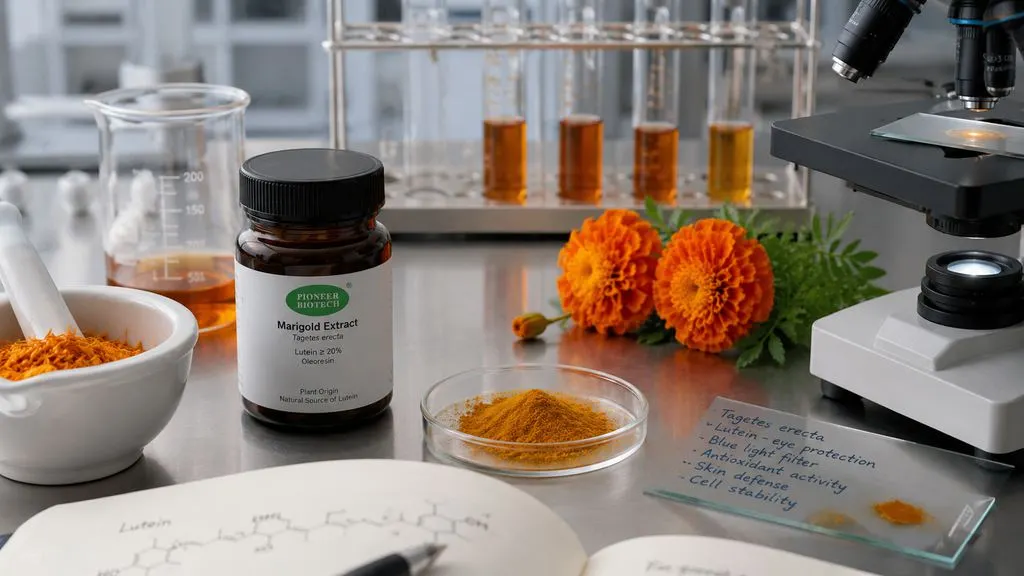
Understanding Lutein and Its Role in Eye Health
The Biochemical Foundation of Macular Protection
Lutein is a carotene from the xanthophyll family. It has special oxygen-containing molecule structures that make it a very good antioxidant. Unlike carotene, xanthophylls have hydroxyl groups that make it easy for them to fit into cell membrane structures. This carotene builds up with zeaxanthin in the macula of the human eye to make what scientists call macular pigment. This specialized defense system blocks high-energy blue wavelengths before they reach photoreceptor cells. At the same time, it gets rid of reactive oxygen species that are made when the brain processes images normally.
Clinical Evidence Supporting Vision Preservation
In the important Age-Related Eye Disease Study 2, taking 10 mg of this important xanthophyll every day slowed the development of advanced age-related macular degeneration by 25% over five years in people who already had early signs of AMD. Researchers first looked into beta carotene, but then they switched their focus to xanthophyll carotenoids after learning that smokers are more likely to get lung cancer. The switch kept the health benefits for the eyes while getting rid of the bad effects. This proves that these golden pigments are better options for long-term supplementation plans.
In addition to macular degeneration, new study shows that getting enough vitamin A is linked to fewer cataracts, better contrast awareness, and faster visual processing speeds. Because they are anti-inflammatory and fight oxidative stress, which is linked to diabetic retinopathy and glaucoma getting worse, these chemicals are useful for making eye health products that work for everyone.
Dosage Considerations for Product Development
Most clinical studies use daily doses of 6 to 20 mg, with 10 mg being the minimum amount needed to see a change in the macular pigment density. Pediatric study shows that exposure during pregnancy and as a baby helps the development of the visual system, but more research needs to be done to find the best amounts of exposure for mothers. When making goods, you should think about how bioavailability changes between free and esterified forms. Your test requirements should include free alternatives to make sure that dosing is the same across all product lines.
Comparing Natural Sources vs. Lutein Supplements for B2B Procurement
Limitations of Dietary Sources for Commercial Applications
While a cup of raw kale has about 11 mg of vitamin K and a cup of cooked spinach has 16 mg, using food-based sources to make products is hard for many reasons. The natural content changes a lot depending on the variety, the growing conditions, the time of harvest, and how long the food is stored. There may be 30% less carotene in one batch of leafy greens from the same area than in another lot picked weeks earlier. Because of this, dietary sources can't be used to make uniform supplements where accuracy from batch to batch is essential.
Bioavailability presents another obstacle for lutein powder. Food matrices hold xanthophylls together in complicated forms that need to be broken down by enzymes during processing. Absorption rates change depending on how well someone digests food, how much fat they eat at the same time, and how the food is prepared. For example, cooking spinach breaks down the cell walls, which makes twice as much of it available, but it also kills other nutrients at the same time.
The Case for Standardized Marigold-Derived Extracts
When Tagetes erecta leaves are extracted commercially, they give B2B clients the stability they need. Naturally, these plant-based sources have a lot of them in esterified form, which means they are joined to fatty acids like palmitic, myristic, or lauric acid. Our normal methods for extracting the oil give us stable potencies range from 5% to 80% purity, and our analytical specs have been confirmed by HPLC.
For buying choices, it's important to know the difference between esterified and free forms. Esters are stable molecules with fatty acid chains linked to hydroxyl groups. Marigold flowers make them on their own. During saponification, these links are broken, turning esters into free forms that are more like the molecules that people eat. Once taken, both have the same biological effect because digestive enzymes automatically break down esters during digestion. However, free forms are slightly more bioavailable in some delivery methods, especially when the mixture is water-dispersible.
Formulation Options and Quality Markers
When looking at different providers, you should see how well they can give you different presentations that fit your product architecture:
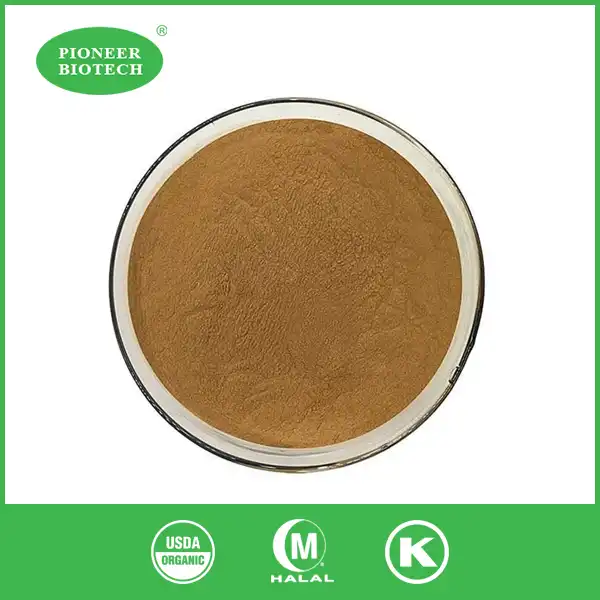
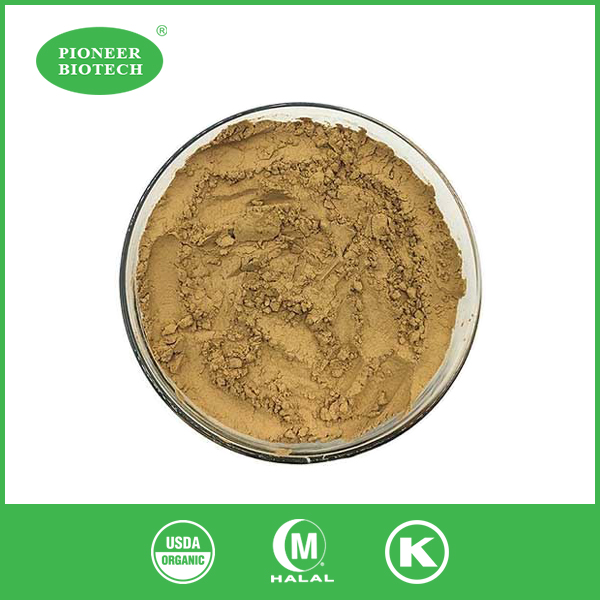
Powder concentrates powders make doses easy for use in capsules, tablets, and drinks. We keep a variety of strength grades on hand so that we can precisely control the mixture without diluting the excipients too much. Standard amounts use food-grade carriers and range from 5% to 20% and higher.
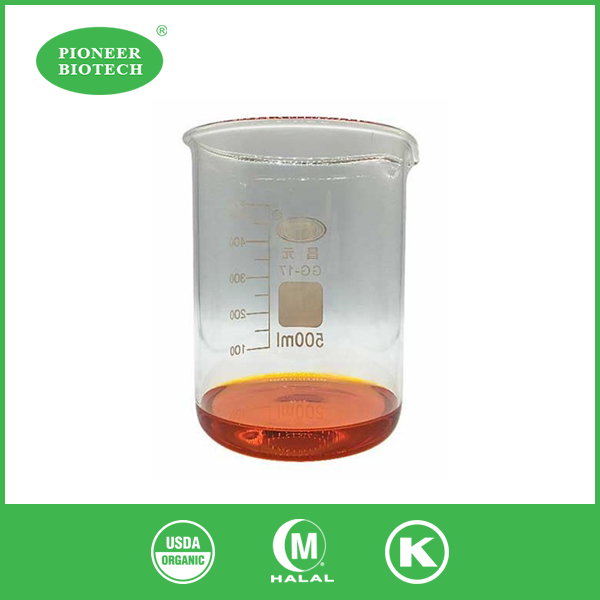
Oil suspensions: Because xanthophylls are lipophilic, oil solutions make them more stable and easier for the body to absorb in softgel formats. Natural triglycerides or modified vegetable oils are often used in these preparations to make regular dispersions that don't oxidize during storage.
Water-dispersible systems employ microencapsulation or emulsification technologies to make chemicals that normally dissolve in fat work with clear drinks and chewy formulas. This new idea gives functional food makers who are trying to get into the clean-label market more ways to use their products.
Zeaxanthin naturally occurs with its structural isomer in marigold products, usually in a 4:1 ratio that favors the molecule that has been studied more. This pairs works well together because both xanthophylls are found in different areas of the macula and work together to protect cells from UV light.
Procurement Guide for B2B Clients: Buying Lutein Extract and Supplements
Critical Supplier Selection Criteria
To find trusted ingredient partners, you have to look at more than just the basic product specs. Supply stability is important to make sure that your production plans don't get thrown off. Look at how possible suppliers handle growing relationships, extraction capacity, and inventory management. Vertical integration, which goes from the farm to the marigold extract plant, usually means that there is better control over the supply chain than when brokers buy material on the open market.
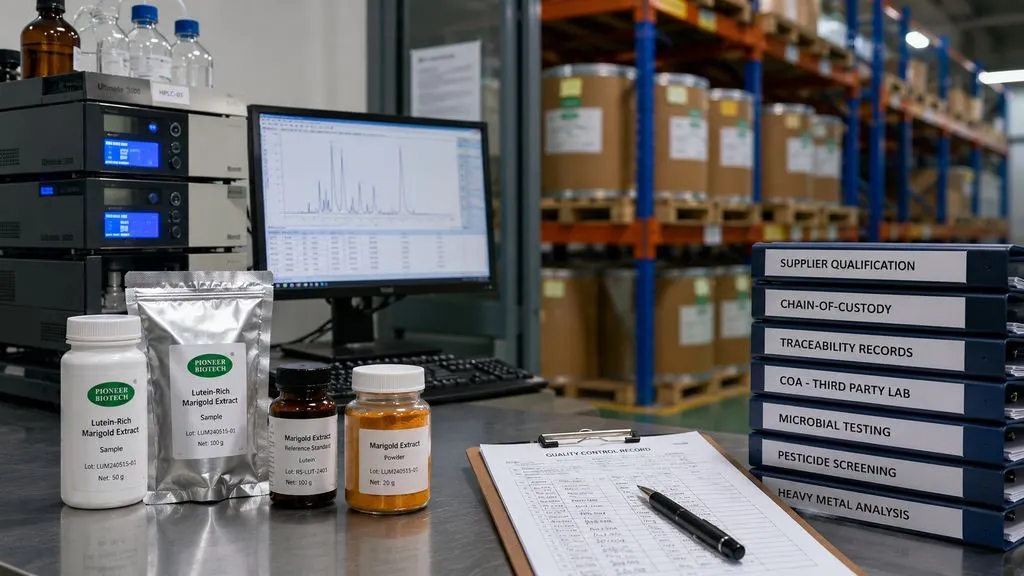
Traceability tools that meet foreign standards will help keep the good name of your brand. For certification of plant identity, screening for pesticide residues, heavy metal analysis, and microbial tests, ask for proof. Third-party certificates from approved labs back up claims, and clear records of the chain of custody make it easy to act quickly if quality problems arise later on.
Quality Assurance Benchmarks
GMP approval sets the bar for sellers who are serious about their work. We have HALAL and KOSHER certifications as well as ISO 9001 quality control systems to meet the needs of a wide range of customers. Even though material sellers don't have to be registered with the FDA, doing so shows that they are committed to following the rules and being ready for inspections.
Analytical methods check to see if sources can back up what's written on the label. High-performance liquid chromatography is still the best way to measure xanthophyll because it can separate geometric isomers and related chemicals with a level of accuracy that can't be reached with spectrophotometric methods. Ask for Certificates of Analysis that include chromatograms along with the summary numbers. This will allow your quality teams to check the accuracy of the methods.
Shelf-life estimates and packaging choices are based on facts about how stable something is in different storage circumstances. Studies that speed up the aging process show patterns of degradation, and real-time tracking proves what was predicted. Suppliers who provide detailed paperwork on stability show scientific rigor that helps new products start successfully.
Navigating Global Regulatory Landscapes
In the United States, these carotenoids are Generally Recognized as Safe, which means that there are no set upper intake limits. However, producers are smart and limit each dose to 20 mg until specific safety studies are done. According to European rules, they can also be used in food supplements without any limits on the amount. However, new food studies may be needed for highly concentrated forms or synthetic versions.
Oxygen and light sensitivity should be taken into account in packaging specs. Nitrogen pumping, amber containers, and foil bags all help to increase shelf life by reducing oxidative breakdown. When stored below 25°C in low-humidity areas, the drug's effectiveness is kept throughout the normal distribution timelines. When shipping abroad, choose packaging options that have been tested on your longest distribution lines to account for changes in temperature during transit.
Maximizing the Benefits of Marigold-Derived Lutein in Your Product Lines
Formulation Strategies for Enhanced Efficacy
Formulation chemistry needs to be thought about if you want to keep dosage stable over time. Antioxidant systems with tocopherols or ascorbic acid keep xanthophylls from oxidizing, especially when the ingredients are exposed to oxygen in the air during production. Chelating agents, such as citric acid, remove metal traces that are pro-oxidant, and moisture barriers stop hydrolytic breakdown.
Choosing ingredients that work well together boosts marketing stories and might even improve results. Additionally, omega-3 fatty acids help the body absorb fat-soluble pigments and provide their own health benefits for the brain and heart. People who want all-around vision support like bilberry and eyebright extracts, which creates possibilities for premium placement. Beta carotene and other vitamin A precursors finish the carotenoid range, but formulation amounts need to be carefully thought out because they work in different metabolic paths.
Real-World Success in Product Development
When nutritional brands release lines of supplements that are meant to improve eye health, they get a lot of positive feedback from customers when they use clinical evidence in their marketing materials. Products that use AREDS2 study and have third-party testing marks get higher prices because people think they are better quality. Clean labeling that emphasizes the botanical roots of marigolds appeals to people who are wary of synthetic ingredients, even though properly treated natural forms are biochemically equivalent to nature-identical forms.
Functional beverage makers get around problems with formulation by using advanced delivery systems that keep the drink clear while suspending chemicals that don't normally dissolve. These new ideas make it possible for shot-format goods to offer clinically relevant doses in single-serving containers that are easy to use and command premium store placement.
Addressing Common Development Concerns
Absorption rates of lutein are higher when eaten with dietary fats. Taking the supplement in the form of oil-filled pills or with food is the best way to make it bioavailable. Microencapsulation technologies make systems that self-emulsify and release chemicals when they come into contact with gut fluids. This makes them less reliant on eating fat at the same time.
At the suggested amounts, side effects are still very rare. A lot of safety records show that it is well tolerated. The only effect that has been seen is carotenodermia, which is a normal yellowing of the skin, when people take more than 20 mg of it every day for a long time. This harmless, changeable disease happens when carotenoids build up in fat tissue and goes away when the person stops eating those foods.
Innovation Pipeline and Emerging Technologies
When compared to traditional solvent methods, supercritical CO2 extraction produces concentrates that are more pure, with no traces of hexane or ethanol left over. This clean technology is good for organic product lines and European markets that have strict limits on residues.
Needed amounts are lowered by nanoparticle delivery methods, which also make it easier to target tissues. Liposomal encapsulation acts like organic membrane structures, which makes it easier for cells to take in substances and might even help retinal buildup. These technologies are the next big thing in bioavailability improvement, but they are still just starting to be used in the real world.
Conclusion
Carotenoids that come from marigolds are scientifically proven to meet the high standards of current supplement, drug, cosmetic, and functional food creation. There is more and more clinical proof that protects the eyes, and new uses in skin health and brain function are opening up new market possibilities. To do good buying, you need to look at providers' quality systems, analytical skills, ability to follow rules, and supply chain dependability. Formulation methods that balance bioavailability, stability, and related chemicals give goods an edge in the growing health market. As technologies for extraction and delivery get better, new possibilities for innovation keep popping up. Brands that work with providers who are driven to scientific quality and manufacturing rigor will benefit.
FAQ
What distinguishes lutein from zeaxanthin in supplementation?
The only thing that makes these structural isomers different is where the double bonds are located in their ring structures. This makes their three-dimensional shapes very different. Both build up in retinal tissue, but they do so in different areas of the macula. The combination that was studied is more common in the edges, while zeaxanthin is more common in the middle. This complementary distribution says that taking multiple supplements together is like eating naturally. Most naturally occurring marigold products have about a 5:1 ratio of the two, which is similar to how plants make them. Most clinical research looks at xanthophyll, which is the more common form, but new studies show that zeaxanthin may also help protect against UV light. When making decisions about what to buy, you should think about whether your target market values mixed formulas or single chemicals with specific health claims.
How do organic and manufactured forms compare in efficacy?
When made correctly, nature-identical molecules have the same chemical structure, bioavailability, and biological activity as plant products. Chemical synthesis can be used to make synthetic products that are more pure and cost less to make, but consumers tend to prefer products that come from plants, even though they are biochemically equivalent. To get organic approval for ingredients that come from marigolds, farmers must prove that they don't use any pesticides or chemicals that aren't allowed. This means that the ingredients cost more to grow and usually produce less. Comparative clinical studies have not yet shown differences in effectiveness; instead, brand positioning, target market tastes, and cost are what determine the choice.
What quality control measures validate bulk order authenticity?
In HPLC analysis, full certificates of analysis should show that the identity of the sample was confirmed by comparing the retention time to known reference standards. Purity assessment measures the amount of the target molecule while looking for similar substances, breakdown products, and possible contaminants. Because industrial processes make geometric isomer profiles that are different from natural biosynthesis, stereoisomer ratios can help find synthetic spikes in plant extracts. Testing for heavy metals, herbicide residue, and microbes makes sure that safety rules are followed. Verification by a third-party lab through independent testing boosts trustworthiness, especially when COAs come from providers' own facilities. Specification drift between deliveries can be avoided by asking for samples to be kept for future reference testing.
Partner with Pioneer Biotech for Premium Marigold Extract Supply
Pioneer Biotech provides pharmaceutical-grade plant products with full quality control and dependable shipping around the world. We have been a trusted source of lutein for nutraceutical brands, pharmaceutical companies, and beauty formulators across North American markets since 2012. This is because we focus on plant active ingredients. Our 7,000-square-meter GMP-certified plant is in China's famous herbal Qinling Mountains area. It blends traditional botanical knowledge with modern extraction technology to make standardized marigold extracts that range in strength from 5% to 80% and have been tested for stability.
Our processes are registered with ISO 9001, HALAL, KOSHER, and the FDA to make sure that the quality is always high enough to meet foreign standards. Established brands and new makers can both use our flexible minimum order amounts, and our technical team can help with formulations to make them more bioavailable and stable on the shelf. We encourage people in charge of product development, purchasing, and quality to ask for clear specs, proof of third-party testing, and samples that show how committed we are to excellence. Get in touch with us at sales@pioneerbiotech.com to talk about your unique needs and find out how our controlled supply chain can meet the needs of your formulas for reliability.
References
Bone, R.A., Landrum, J.T., & Tarsis, S.L. (1992). "Preliminary Identification of the Human Macular Pigment." Vision Research, 32(5), 789-795.
Seddon, J.M., Ajani, U.A., Sperduto, R.D., et al. (1994). "Dietary Carotenoids, Vitamins A, C, and E, and Advanced Age-Related Macular Degeneration." Journal of the American Medical Association, 272(18), 1413-1420.
Age-Related Eye Disease Study 2 Research Group. (2013). "Lutein + Zeaxanthin and Omega-3 Fatty Acids for Age-Related Macular Degeneration." Journal of the American Medical Association, 309(19), 2005-2015.
Kijlstra, A., Tian, Y., Kelly, E.R., & Berendschot, T.T. (2012). "Lutein: More Than Just a Filter for Blue Light." Progress in Retinal and Eye Research, 31(4), 303-315.
Stringham, J.M., & Hammond, B.R. (2008). "Macular Pigment and Visual Performance Under Glare Conditions." Optometry and Vision Science, 85(2), 82-88.
Granado-Lorencio, F., Herrero-Barbudo, C., Acién-Fernández, G., et al. (2009). "In Vitro Bioaccesibility of Lutein and Zeaxanthin from Commercial Products." British Journal of Nutrition, 101(9), 1284-1289.