
Astaxanthin Extract for athletes: Performance & Recovery Review
Astaxanthin extract has become a breakthrough ingredient in sports nutrition, giving players a scientifically proven way to improve their performance and heal faster. This strong carotenoid comes mostly from the microalgae Haematococcus pluvialis. It is a great antioxidant that gets rid of the free radicals that are made during intense exercise. Astaxanthin extract is different from other antioxidants because it can get through the blood-brain barrier and into muscle tissue, where oxidative stress is most important. We know that procurement professionals need evidence-based information when they're looking for active ingredients, and this in-depth review gives you just that for your sports nutrition formulas.
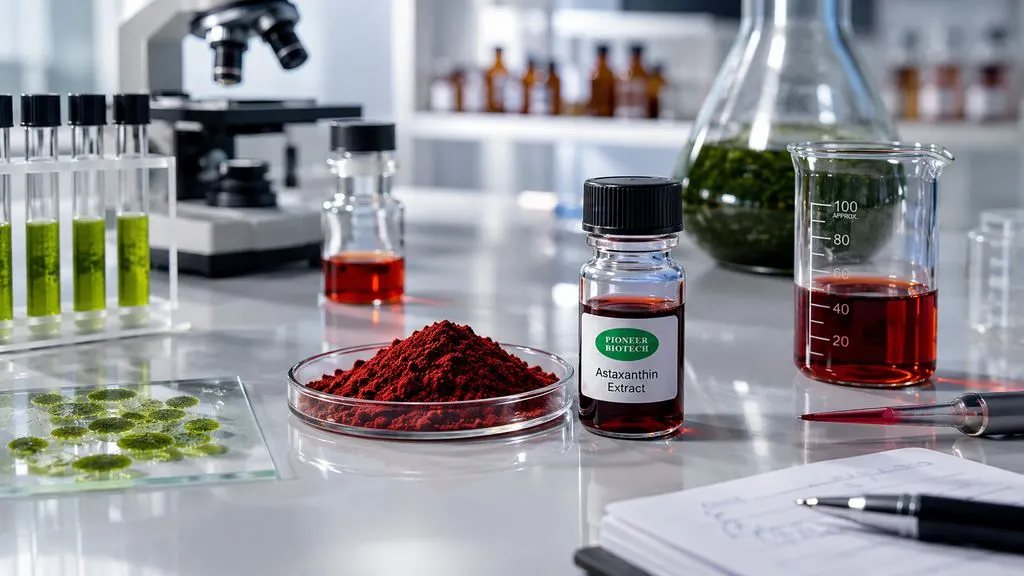
Understanding Astaxanthin Extract and Its Benefits for Athletes
According to comparison studies, astaxanthin extract's effectiveness starts with its special chemical structure, which makes it an extremely powerful antioxidant that is about 6,000 times stronger than vitamin C. This pigment dissolves in lipids and builds itself right into cell membranes, protecting them from oxidative damage that happens during intense exercise.
Natural versus Synthetic Forms: Critical Distinctions
The only form of natural astaxanthin found in Haematococcus pluvialis is the (3S, 3'S) stereoisomer, which has a lot more biological activity than manufactured versions. The healing potential of synthetic astaxanthin is lower because it is a racemic mixture made up of equal parts of three different stereoisomers. This difference is very important when looking for nutritional formulas. From working with supplement makers, we know that natural esterified forms are more stable during processing and storage, so the strength stays the same throughout the product's lifecycle.
Performance Enhancement Mechanisms
As athletes train, their bodies are constantly putting them up against oxidative stress. Astaxanthin deals with these problems in a number of different ways. Supplements lower the amount of lactate that builds up in muscles, which lets players keep working out harder for longer periods of time. Controlled studies have shown that time-to-exhaustion measures get better, with people's endurance increasing by 20–30% after taking supplements regularly.
Recovery Acceleration and Anti-Inflammatory Effects
Managing inflammation and oxidation harm is a big part of getting better after exercise. Astaxanthin changes inflammation factors like C-reactive protein and interleukin-6, which helps muscles heal more quickly. Researchers have found that adding astaxanthin to the supplement plans of bikers and runners led to less delayed-onset muscle soreness (DOMS) and better recovery signs. These results are especially important for sports nutrition companies that are making all-around healing products.
Additional Protective Benefits
In addition to improving efficiency, astaxanthin also protects the health of your face and eyes, which are very important for athletes who train outside. Reactive oxygen species are made by UV light and hurt skin cells. Astaxanthin's photoprotective features lessen these effects. For the same reason, its ability to cross the blood-retinal barrier protects eye cells from external stressors while training.
Optimizing Astaxanthin Extract Dosage and Usage for Performance
To supplement effectively, you need to know how dose, absorption, and the results you want to achieve are related. Clinical proof gives procurement workers clear instructions on how to define product formulas using astaxanthin extract powder.
Evidence-Based Dosage Recommendations
Doses between 4 and 12 mg per day are usually used in research methods that look at sports performance. Higher doses (12 mg) sped up these effects, as shown in studies using 6 mg per day to show improvements in endurance ability within four weeks. The dose you choose will rely on your product positioning and the type of person you want to buy it. Formulations for top athletes may need higher concentrations, while products for general fitness may work best in the 4-6 mg range.
Bioavailability Considerations
Astaxanthin extract is lipophilic, which means that it is best absorbed when eaten with fats. Bioavailability is affected by formulation decisions in a big way. When it comes to absorption, oleoresin products that are mixed in MCT oil or given in softgel pills usually work better than standard powder forms. But microencapsulation technology has come a long way, making it possible to make powders that stay stable while also being easier to mix. Formulators come to us especially asking for Cold Water Dispersible (CWD) grades for use in drinks, where regular powder forms would not work.
Safety Profile and Regulatory Compliance
Astaxanthin has a great safety rating, with few known side effects, even when taken in large amounts. Natural astaxanthin from algae has been given GRAS (Generally Recognized As Safe) status by regulatory bodies such as the FDA. When buying for health supplement uses, it is still important to use HPLC analysis to make sure that the stability between batches. We ask suppliers to provide Certificates of Analysis that prove the purity of the stereoisomer because this directly links to biological function and supports charging more in competitive markets.
Choosing the Right Astaxanthin Extract Supplier and Product for B2B Procurement
The choice of supplier for astaxanthin extract affects the standard of the product, compliance with regulations, and, in the end, market success. A lot of technical and business factors must be taken into account when making procurement choices.
Certification Standards and Quality Control
GMP approval is the minimum standard, but picky buyers look at more subtle signs of quality. ISO 22000 certification shows that you know how to handle food safety, and organic licenses from the USDA and EU let you reach higher-end customers. We look at analytical methods when we evaluate suppliers. HPLC should be normal, not extra. Spectrophotometric methods are not very specific, and they might give too high of an estimate of strength if cheaper carotenoids are present. Asking for proof data for analytical methods shows how knowledgeable and reliable the seller is.
Source Material Comparison
Whether you use Haematococcus pluvialis algae or Phaffia rhodozyma yeast has an effect on both cost and effectiveness. Astaxanthin that comes from algae is mostly found in esterified forms that are more stable and bioavailable. Material obtained from yeast makes free-form astaxanthin with a different stereochemistry (3R, 3'R), which is cheaper but has less biological action. According to market study, most high-end sports nutrition brands choose materials made from algae, even if they cost more because they have been shown to work better.
Formulation Options and Technical Support
More manufacturing options are available when suppliers offer different forms, such as oleoresin, microencapsulated powder, and CWD grades. Using materials like gum arabic or modified starch for microencapsulation keeps astaxanthin from oxidizing and makes it possible for it to be stable in a wide range of delivery methods. When making chewy vitamins, thermal stability is very important. Double-shell microencapsulated beadlets can handle processing temperatures above 80°C without breaking down much. Suppliers who offer expert formulation help are worth a lot more than just giving basic ingredients.
Supply Chain Reliability
Production planning is affected by minimum order amounts, lead times, and the ability to handle transportation. Formulation delays can be avoided by being clear about what stocks are available. When sending goods internationally, vacuum-sealed aluminum foil bags with oxygen scavengers keep the medicine's effectiveness. We put a lot of value on providers who communicate clearly about crop times and inventory levels, which lets us plan production schedules more accurately.
Integrating Astaxanthin Extract into Athletic Nutrition and Supplement Formulations
Astaxanthin extract powder should be added to sports nutrition and supplement formulas with a clear understanding of formulation chemistry, stability patterns, and putting together ingredients that work well together.
Concentration Specifications
The amount of astaxanthin in sports nutrition items is usually between 4 and 12 mg per dose. Capsules and softgels make it easy to get the right dose. To keep powder-based goods like protein blends and pre-workout recipes from going bad, microencapsulation needs to be carefully thought out. The deep red color is attractive, but it might not be ideal for some formulations. For example, for beverage uses that need a clear look, you need to use different packaging methods.
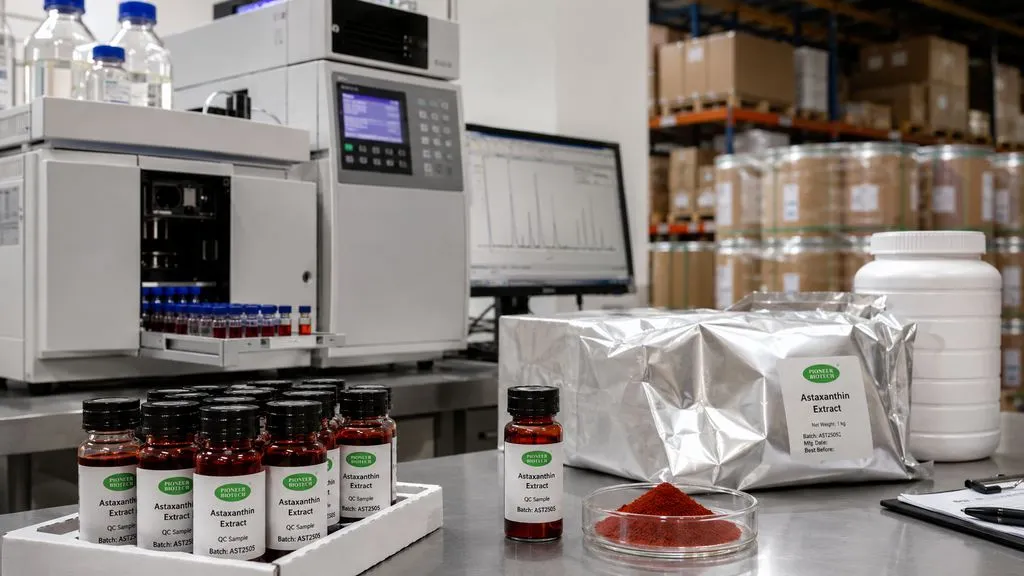
Synergistic Ingredient Combinations
When astaxanthin is mixed with other antioxidants that work well together, the total effect is stronger. Astaxanthin is protected from oxidation within the mixture by vitamin E, which also guards the membrane. It works well with CoQ10 to strengthen mitochondria, which helps cells make energy and deal with oxidative stress. Additionally, omega-3 fatty acids help the body absorb astaxanthin and have anti-inflammatory benefits that work with its own processes. These combos help products stand out in supplement markets that are already very crowded.
Stability During Processing
The methods used in manufacturing put thermal and mechanical pressures on sensitive actives that can break them down. Standard astaxanthin oleoresin breaks down quickly above 60°C, which limits how it can be used in some situations. Microencapsulated forms can handle normal packaging and tableting methods as long as the choice of excipients takes heat sensitivity into account. Stability tests at high temperatures (40°C, 75% relative humidity) shows how stable the mixture is and helps with shelf-life claims. We suggest working together with sources who can give you stability data that fits your unique manufacturing conditions.
Market Case Examples
Several well-known sports nutrition brands have successfully added astaxanthin to lines of products that are meant to help with healing. Astaxanthin is often mixed with branched-chain amino acids, electrolytes, and extra vitamins in these preparations, making them perfect for use after a workout. As a result of astaxanthin's ability to lower oxidative stress, consumers have said that these launches have led to shorter healing times and more consistent training. This kind of market confirmation makes the business case for including astaxanthin in the development of new products stronger.
Conclusion
In conclusion, astaxanthin extract is a highly proven ingredient that can be used in sports diet to improve performance and speed up healing. The difference between natural forms produced from algae and manufactured ones has a direct effect on their effectiveness, with natural esterified astaxanthin showing better bioactivity. The best daily dose is usually between 4 and 12 mg, and bioavailability depends on the type of preparation used. For example, oleoresin and microencapsulated forms each have their own benefits. When choosing a supplier, you need to carefully look at their certifications, analytical skills, and expert help. As the need for sports supplements based on evidence keeps growing, astaxanthin's strong clinical profile makes it a good choice for setting products apart and presenting them as special.
FAQ
What distinguishes natural from synthetic astaxanthin in commercial formulations?
The natural astaxanthin extract from Haematococcus pluvialis only exists as the (3S, 3'S) stereoisomer, which is a much better antioxidant than manufactured forms that contain racemic mixtures. Natural forms can also be found in esterified forms, which make them more stable during production and keeping. Even though synthetic astaxanthin is legal in some places, it doesn't have as much biological activity as natural sources and hasn't been tested in humans like natural sources have. Most of the time, procurement workers who are looking for high-end sports nutrition mention material that comes from algae.
How quickly do athletes experience measurable benefits from astaxanthin supplementation?
In clinical studies, oxidative stress markers start to show changes within two weeks of regular supplementation. However, performance improvements usually show up four to six weeks later. Endurance metrics show that improvements get better over time, which suggests that long-term nutrition has cumulative effects. People who report less sore muscles in the first two to three weeks may notice some recovery effects faster. These timelines help with promoting products and teaching customers about them.
What minimum order quantities and customization options exist for bulk procurement?
Minimum order amounts change by supplier and product type. For example, for specialized microencapsulated grades, the minimum order quantity is 5 kg. For normal oleoresin forms, it is 25 kg. Reliable providers let you make changes to the strength specs, encapsulation matrices, and package arrangements. Contract makers who work with a wide range of clients who have different volume needs can benefit from flexible MOQ arrangements. When you talk to providers about your unique formulation needs, they will often be able to offer customization options that aren't listed in standard product catalogs.
Partner with Pioneer Biotech for Premium Astaxanthin Extract Supply
Pioneer Biotech sells astaxanthin extract that is safe for use in medicines. They back up their products with detailed quality reports and technical know-how. Our natural material comes from algae and goes through strict HPLC testing to make sure it meets the high standards for (3S, 3'S) stereoisomer purity that your sports nutrition formulas need. Our GMP, ISO 22000, HALAL, and KOSHER-certified plant has been in the bioactive-rich Qinling Mountains area since 2012. During extraction and processing, we keep strict quality control. We offer different formats, such as oleoresin, microencapsulated powder, and CWD grades, and our minimum order quantity (MOQ) plans are open enough to work with both well-known supplement names and new supplement companies. Our expert team works directly with your R&D team, providing formulation advice and stable data that shortens the time it takes to make new products. To get samples, technical specs, and cheap quotes, email our buying experts at sales@pioneerbiotech.com. As the company you can trust, we're dedicated to providing steady quality that leads to better results for athletes and helps your brand stand out in the market.
References
Fassett, R.G., and Coombes, J.S. (2012). "Astaxanthin in Cardiovascular Health and Disease." Molecules, 17(2), 2030-2048.
Djordjevic, B., et al. (2012). "Effect of Astaxanthin Supplementation on Muscle Damage and Oxidative Stress Markers in Elite Young Soccer Players." Journal of Sports Medicine and Physical Fitness, 52(4), 382-392.
Bloomer, R.J., et al. (2005). "Astaxanthin Supplementation Does Not Attenuate Muscle Injury Following Eccentric Exercise in Resistance-Trained Men." International Journal of Sport Nutrition and Exercise Metabolism, 15(4), 401-412.
Earnest, C.P., et al. (2011). "Investigation of the Effects of Astaxanthin on Cognitive Function and Oxidative Stress Biomarkers." Journal of the International Society of Sports Nutrition, 8(19), 1-10.
Baralic, I., et al. (2015). "Effect of Astaxanthin Supplementation on Salivary IgA, Oxidative Stress, and Inflammation in Young Soccer Players." Evidence-Based Complementary and Alternative Medicine, Article ID 783761.