
Ashwagandha Guide: How to Use Ashwagandha Powder
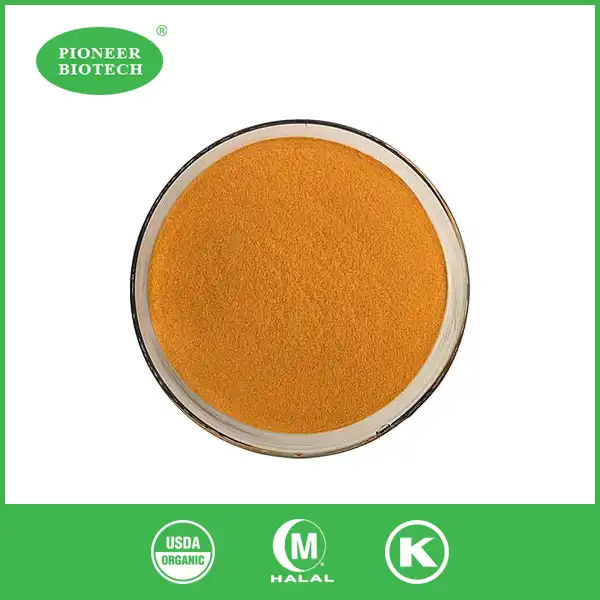
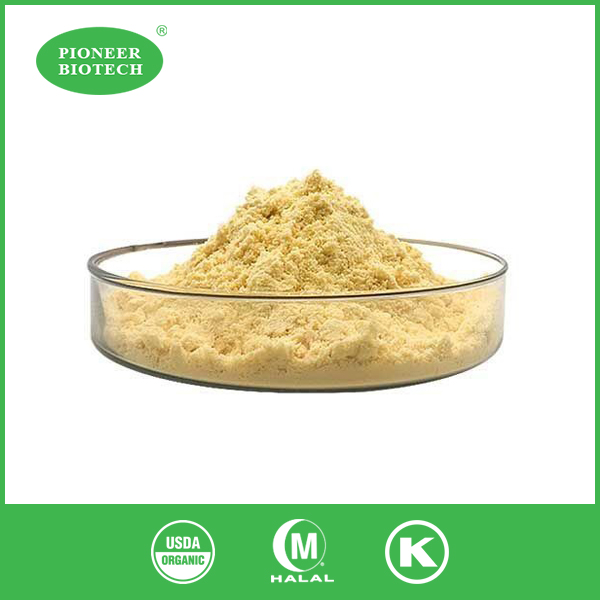
Ashwagandha root extract powder is a key ingredient in many current health products because it has a high concentration of withanolide and is easily absorbed by the body. Standardized ashwagandha root extract powder has bioactive concentrations ranging from 5% to 10%, while regular whole root powders only have 1% to 2% withanolides. This makes it the best choice for formulation teams making products to relieve stress, boost energy, and support the immune system. This guide talks about realistic guidelines for using botanical raw materials, standards for quality, and buying strategies that are made for business-to-business buyers who are trying to figure out how to get botanical raw materials.


Understanding Ashwagandha Root Extract Powder
Ashwagandha root extract powder comes from Withania somnifera, a sacred adaptogenic plant that has been used in Ayurvedic medicine for thousands of years. The process of extraction extracts important bioactive chemicals, mostly withanolides like Withaferin A, Withanolide A, and Withanone, which change how the body reacts to stress. The hypothalamic-pituitary-adrenal axis is affected by these chemicals. They control cortisol levels and support balance when the body or mind is under stress.
What Distinguishes Extract Powder from Other Forms?
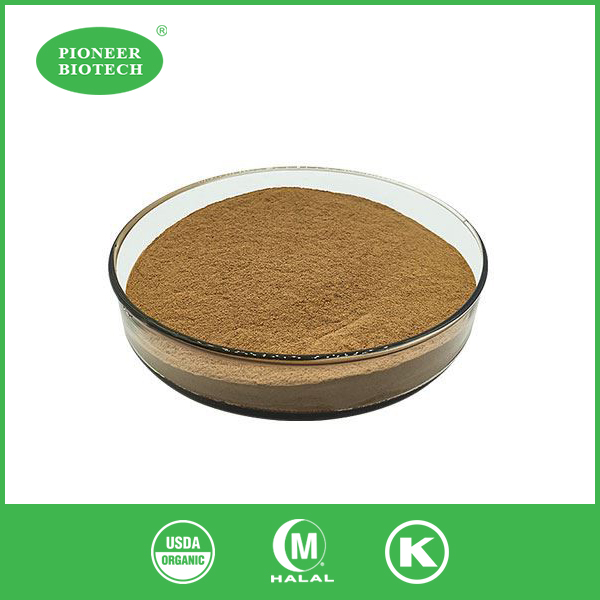
The main step in making ashwagandha root extract powder is separating it from the raw plant materials. To make whole root powder, the plant material is just dried and ground up. To make ashwagandha root extract powder, water, ethanol, or hydro-alcoholic mixes are used for solvent-based extraction. This method separates and concentrates withanolides while getting rid of inactive fiber and cellulose. This makes a strong, fluid powder that can be precisely dosed in functional drinks, pills, tablets, and packs. Liquid extracts are convenient, but they are harder to keep stable and cost more to ship because they contain water. Capsules are ready for consumers, but they limit the formulation options for B2B companies making unique mixes.
Primary Mechanisms and Health Applications
Researchers have found that ashwagandha's adaptogenic effects come from its power to change the way neurotransmitters and inflammation pathways work. Withanolides work on GABAergic receptors to help people relax without making them sleepy. People who took 300–600 mg of standardized ashwagandha root extract powder every day showed significant drops in their felt stress scores, improvements in the quality of their sleep, and improvements in their cognitive performance measures. Because these benefits have been proven, there are market possibilities for stress management supplements, nootropic blends, sports nutrition products, and integrative wellness mixes that focus on metabolic health and immune resistance.
How to Use Ashwagandha Root Extract Powder Effectively?
For successful product development, you need to know the best application factors that balance how well the product works, how safe it is, and how easy it is to make. How much withanolide to take depends on the dosage, the health claim being made, and the way the medicine is delivered.
Recommended Dosing and Timing Protocols
There is clinical data that suggests taking between 300 mg and 600 mg of an ashwagandha root extract powder that has been purified to contain at least 5% withanolides through HPLC analysis every day. To reach therapeutic levels, doses that are relatively higher than amounts that are lower are needed. When to give it depends on the results you want to see. Giving it in the morning can help you deal with stress and think clearly during the day, while giving it in the evening may help you fall asleep and stay asleep better. Taking daily doses in the morning and evening helps the body absorb them more evenly and covers more of the adaptogens over the course of the day and night.
Formulation Versatility Across Product Categories
Ashwagandha root extract powder works well with a variety of delivery methods. Encapsulation is still the most common way to package food supplements because it allows for accurate unit doses and longer shelf life. The powder's ability to be compressed is helpful for tablet recipes, but formulators need to take into account its earthy taste. For beverage uses, water-soluble extract types are used. However, hydro-alcoholic extracts may need to be solubilized using cyclodextrin complexation or liposomal encapsulation to become clear and stable in water-based media. Ashwagandha extract is used by functional food makers in protein bars, gummies, and sweets, where flavorings successfully hide the bitter taste of the herb.
Safety Considerations and Quality Assurance
Suppliers with a good reputation offer products that meet strict quality standards and have been tested in a variety of ways. The ICP-MS test for heavy metals shows that the USP standards are met: lead is less than 0.5 ppm, arsenic is less than 1 ppm, cadmium is less than 0.3 ppm, and mercury is less than 0.1 ppm. Testing for microbes makes sure that the Total Aerobic Microbial Count stays below 1,000 CFU/g and that harmful organisms like E. Salmonella, E. coli, and Staphylococcus aureus are absent. Screening for pesticide residues proves that the product meets EU MRL standards and, if necessary, USDA organic certificates. These quality standards lower the risk of contraindications and help with legal compliance in all foreign markets, such as the US with FDA control and Europe with EFSA rules.
Comparing Ashwagandha Root Extract Powder Variants
Purchasing teams have to make a lot of buying choices that have big effects on how well products work, how much they cost, and where they stand in the market. Figuring out the differences between variants lets you choose raw materials in a way that fits your brand's image and meets your technical needs.
Extract Powder Versus Alternative Forms
Traditional ways of preparation described in Ayurvedic books are used to make root-only extracts. These concentrate on underground plant structures where withanolide levels naturally build up. Leaf-inclusive extracts lower the cost of raw materials, but they also raise the amounts of Withaferin A, a cytotoxic substance that needs to be carefully evaluated for safety. Whole root powder needs little preparation and looks good on a clean label, but each batch is different and has a lower bioactive density. While liquid extracts make doses easier for consumers, they are harder to handle in industry because of the alcohol content, shipping weight, and need to be kept cold while stored.
Natural Sourcing Authentication
Botanical identity verification using HPTLC fingerprinting and DNA barcoding shows that the Withania somnifera species is real. This separates real material from material that has been mixed with related but different Withania species for economic reasons. The withanolide profiles depend on where the material comes from. Material from India usually has higher bioactive amounts than grown sources from other areas. Organic approval adds to the confidence in farming practices by not allowing synthetic pesticides and fertilizers that could leave behind contaminants that could affect the cleanliness of the final product.
Extract Concentration and Analytical Methodology
Quantification methods for withanolide have a huge effect on the reported strength numbers. Compound-specific recognition and quantification are possible with HPLC analysis, which is the gold standard for quality assurance in the business. When compared to HPLC values, gravimetric methods often give incorrect information about the amount of withanolide present, as they measure the total solids that were removed rather than specific bioactives. UV spectrophotometry has a moderate level of precision, but it can't tell the difference between different withanolide chemicals. To avoid confusion about the real bioactive content provided, procurement specifications must clearly state the needed analytical technique. Formulators can choose the right extract grades that meet the product claims they want to make, the price points they want to reach, and the regulatory placement strategies they want to use. Premium brands that want to make clinical-strength formulas use root-only extracts that have been HPLC-verified and certified organic. Value-oriented brands, on the other hand, may use common extracts that have been gravimetric-standardized to keep their prices low.
Procurement Guide: Buying Ashwagandha Root Extract Powder in Bulk
When you're buying on an industrial scale, you need to carefully look at the skills, quality systems, and business terms of each provider, not just compare prices. Strategic relationships with qualified makers help protect the supply chain and ensure stable product quality, which is good for the brand's long-term reputation.
Supplier Qualification and Certification Requirements
Qualified providers have complete quality management systems that are backed up by ISO 9001 certification. These systems show that they have structured control over the manufacturing processes, recording practices, and methods for ongoing growth. GMP approval gives more proof that facilities meet the strict cleaning standards needed for pharmaceuticals, as well as training and upkeep guidelines for staff and equipment. Certifications like Halal and Kosher make it easier for brands that want to reach certain types of customers to get into new markets. FDA registration makes it easier for goods to follow the rules when they come into the United States, and organic approvals from the USDA, the EU, or similar groups make sure that natural farming standards are followed all along the agricultural supply chain.
Cost Dynamics and Volume Considerations
Significant savings of scale are achieved when buying in bulk. As order numbers rise from sample sizes to metric ton shipments, costs per kilogram drop by a large amount. Concentration of withanolide has a direct effect on pricing structures. For example, 10% HPLC-standardized ashwagandha extract commands higher prices than 2.5% standards. Total landed costs are affected by how the packaging is set up. For example, material costs are lower for big bags weighing 10 kg to 25 kg than for smaller packages ready for consumers. The length of lead times changes with the seasons and the harvest cycles. If you contract ahead of time during high production times, you can get better prices and a sure share during times when supplies are low.
Regulatory Compliance and Documentation
For international trade to happen, there must be a lot of paperwork to back up the product specs, safety test results, and legal compliance. Certificates of Analysis show the results of tests for identity, purity, strength, and contaminants for each batch. Material Safety Data Sheets tell you how to properly store, handle, and respond to an emergency. Label standards and marketing claims are backed up by organic certificates and non-GMO statements. Country-of-origin paperwork makes it easier to clear customs and figure out tariffs. When suppliers offer full documentation packages, it's easier to import goods and there are fewer governmental delays that throw off production plans.

Market Insights and Trends for Ashwagandha Root Extract Powder
The global market for botanical extracts is still growing quickly. This is because more and more people want green, plant-based health remedies. More and more clinical proof supporting traditional use claims through modern study methods is good for ashwagandha in particular.
Demand Growth Across Industry Segments
Nutraceutical uses make up most of the market right now. Stress management and adaptogenic supplement groups are growing at double-digit rates every year in both North American and European markets. Pharmaceutical companies are looking into ashwagandha more and more as an extra treatment for metabolic syndrome and anxiety problems, and they are doing clinical studies to support possible over-the-counter drug uses. Cosmetic makers use ashwagandha root extract powder ingredients in anti-aging skin care products to take advantage of the antioxidant qualities and collagen-stimulating effects found in dermatological studies. Ashwagandha root extract powder is used by functional beverage makers to make ready-to-drink relaxing shots, sparkling adaptogens, and beauty-from-within elixirs for millennials and Gen Zers who want easy ways to stay healthy.
Innovation in Delivery Technologies
New formulation technologies go beyond traditional powder-filled pills to improve absorption and the user experience. Nanoemulsion methods make it easier for ashwagandha root extract powder to dissolve in water and be absorbed quickly. This makes it possible to use ashwagandha root extract powder in clear drinks and pills that fizz. Sustained-release matrix methods make withanolide release rates last longer, which could lower the number of times it needs to be dosed. Liposomal encapsulation keeps bioactives safe while they travel through the digestive system, which could make tissue transport more effective. These technology breakthroughs give brands that are willing to spend money on quality ingredient processing and new delivery platforms the chance to stand out.
Sustainability and Supply Chain Transparency
Conscious customers are asking for more information about how ingredients are sourced and how they affect the earth. Certifications for regenerative agriculture show a dedication to restoring soil health and protecting wildlife across all farming systems. When a product is labeled as "fair trade," it means that farmers in traditional growing areas are paid fairly. Traceability systems that use blockchain provide proof that plant materials were tracked from when they were picked in the field to when they were turned into a finished product. Brands that stress these aspects of ethical sources build trust with customers and get top spot in the health market, which is very competitive.
Conclusion
Ashwagandha root extract powder is a plant ingredient that has been shown to support a wide range of manufacturing goals in the nutraceutical, medicinal, cosmetic, and functional food industries. To make a good product, you need to pay close attention to the methods used to standardize the extracts, check the quantity of withanolide using HPLC analysis, and make sure there are no contaminations that meet international quality standards. Strategic relationships with suppliers that focus on certifications, full documentation, and technical support skills provide the supply chain dependability needed to increase output and keep brand consistency. As the market moves toward natural ways to deal with stress, new delivery methods, and honest ways of getting ingredients, brands that use premium-grade ashwagandha root extract powder in their unique product lines have a lot of room to grow.
FAQ
What differentiates root extract powder from whole root powder?
Ashwagandha root extract powder goes through solvent-based reduction methods that produce withanolide levels between 5 and 10 percent. Whole root powder, on the other hand, has bioactives that happen naturally at levels of 1 to 2 percent. Ashwagandha root extract powder offers more consistent dose responses and production options across all formulation types, while whole root powder is better for people who want lightly processed ingredients and traditional preparation methods.
How should ashwagandha extract be stored to maintain potency?
Keep ashwagandha root extract powder in cases that are tightly covered and out of the light, humidity, and temperature changes. The best places to store things are cool, dry places that are below 25°C and have a relative humidity of less than 60%. When stored properly, withanolide stays stable for 24 to 36 months after it was made, as long as it is kept in moisture-barrier bags with oxygen filters.
What safety considerations apply to different population groups?
Ashwagandha root extract powder is mostly tested for safety in clinical tests with healthy people ages 18 to 65. Because there isn't enough safety information, women who are pregnant or breastfeeding shouldn't use it. People who have autoimmune diseases, thyroid problems, or surgeries coming up should talk to their doctors before taking ashwagandha because it may affect their immune system and the risk of drowsiness.
Partner with Pioneer Biotech for Premium Ashwagandha Root Extract Powder
Since 2012, Shaanxi Pioneer Biotech Co., Ltd. has been a reliable source of ashwagandha root extract powder for companies around the world that make medicines, supplements, and cosmetics. Our factory is in Hanzhong's famous Medicine Herbs Valley, which is close to great plant sources. It also has ISO9001, HALAL, KOSHER, and FDA certifications, which mean that we don't skimp on quality. We offer HPLC-standardized extracts with levels of withanolides ranging from 2.5% to 10%, full Certificates of Analysis showing heavy metal compliance and microbial safety, and flexible minimum order numbers to help both new brands and well-known makers. Our expert team can help you with formulation advice, stability testing, and regulation paperwork, which will shorten the time it takes to make your product. Get in touch with our purchasing agents at sales@pioneerbiotech.com to ask for samples, talk about your needs, and find out how our ashwagandha root extract powder for sale can help your product line with authentic, rigorously tested botanical ingredients backed by quick service and steady supply.
References
Chandrasekhar K, Kapoor J, Anishetty S. A prospective, randomized double-blind, placebo-controlled study of safety and efficacy of a high-concentration full-spectrum extract of ashwagandha root in reducing stress and anxiety in adults. Indian Journal of Psychological Medicine. 2012;34(3):255-262.
Lopresti AL, Smith SJ, Malvi H, Kodgule R. An investigation into the stress-relieving and pharmacological actions of an ashwagandha extract: A randomized, double-blind, placebo-controlled study. Medicine. 2019;98(37):e17186.
Singh N, Bhalla M, de Jager P, Gilca M. An overview on ashwagandha: a Rasayana of Ayurveda. African Journal of Traditional Complementary and Alternative Medicines. 2011;8(5 Suppl):208-213.
Mishra LC, Singh BB, Dagenais S. Scientific basis for the therapeutic use of Withania somnifera: a review. Alternative Medicine Review. 2000;5(4):334-346.
Wankhede S, Langade D, Joshi K, Sinha SR, Bhattacharyya S. Examining the effect of Withania somnifera supplementation on muscle strength and recovery: a randomized controlled trial. Journal of the International Society of Sports Nutrition. 2015;12:43.
Speers AB, Cabey KA, Soumyanath A, Wright KM. Effects of Withania somnifera on reproductive system: A systematic review of the available evidence. Phytotherapy Research. 2021;35(6):2792-2804.