
Hydrolyzed Keratin: A Key Ingredient in Advanced Hair Care Formulations
Pure hydrolyzed keratin has emerged as a transformational element in the competitive field of hair care innovation, addressing molecular structural damage. The protein-derived component in this cosmetic, pharmaceutical, and nutraceutical mix is clinically proven to heal damaged hair, improve elasticity, and condition hair. Hydrolyzed keratin proteins can penetrate the hair cortex and restore structural integrity where conventional conditioning agents fail due to their lower molecular weights (500–3,000 Daltons).
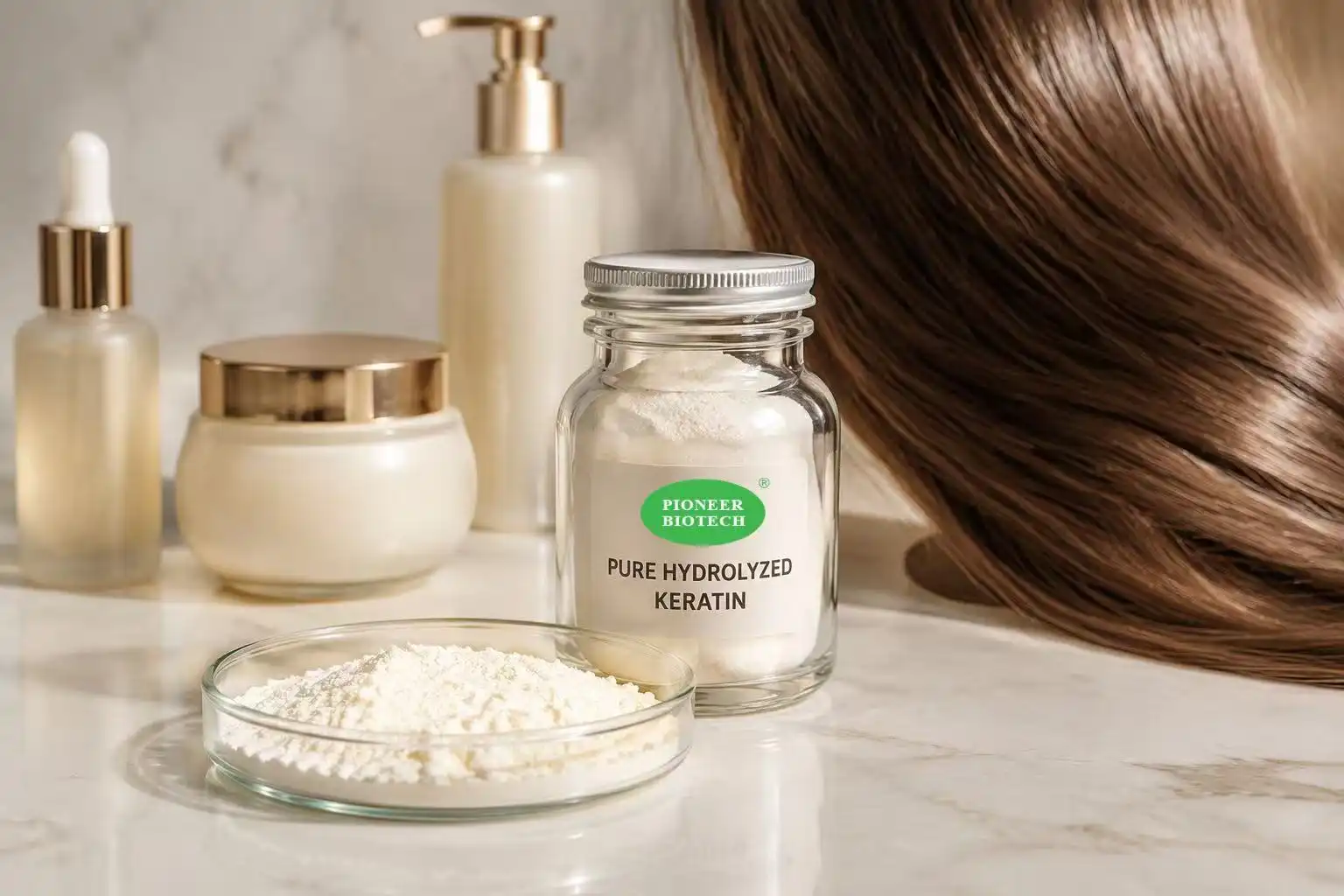
Understanding Pure Hydrolyzed Keratin: Composition and Benefits
The Molecular Architecture Behind Performance
Controlled enzymatic or acid hydrolysis separates insoluble native keratin into bioavailable peptide fragments in pure hydrolyzed keratin protein powder. Keratin from wool, chicken feathers, or duck feathers is converted into water-soluble chains rich in cysteine, serine, and glutamic acid, essential hair amino acids. The peptides are amphoteric, allowing ionic bonding to negatively charged damaged hair sites while remaining stable at pH 3.5–8.0.
Functionality is affected by molecular weight. Smaller peptides penetrate deep into the hair cortex for structural repair, whereas those between 1,500 and 3,000 Daltons produce protective cuticle layers to preserve hair. Pioneer Biotech's formulations include protein content exceeding 90% and regulated molecular weight distribution, guaranteeing consistent performance across formulation matrices.
Key Performance Advantages in Formulation Development
The main difference between hydrolyzed and native proteins is bioavailability. Peptides are tiny enough to pass cuticle scales and reach the cortex, where bleaching and perming need disulfide bond strengthening. In chemically treated hair, 2–5% hydrolyzed keratin formulations reduce breakage by 40% when used with heat styling.
Beyond healing, these peptides promote hair and skin NMF and moisture retention via humectant characteristics. The ability to cling to keratin substrates is due to electrostatic interaction between positively charged peptides and negatively charged damaged regions. This mechanism addresses B2B consumer product performance lifespan demands with long-lasting advantages that resist several wash cycles.
Safety profiles meet strict global regulations. Pioneer Biotech's hydrolyzed keratin removes pathogens like Escherichia coli and Staphylococcus aureus and keeps heavy metals below 20 ppm. These criteria benefit FDA-regulated pharmaceuticals and EU Cosmetics Regulation-compliant personal care items.
Comparing Hydrolyzed Keratin with Alternative Proteins in Hair Care
Functional Differentiation Across Protein Categories
Hydrolyzed collagen, silk protein, and wheat protein behave differently chemically. Collagen derivatives form films with limited penetration due to their higher molecular weights. Silk proteins have excellent slip and shine but lack sulfur amino acids for disulfide bond reconstruction. Gluten-intolerant people may be sensitive to wheat proteins, which add volume.
Natural hair contains 14–18% cysteine, which causes disulfide cross-linking and gives hair strength and structure. Pure hydrolyzed keratin peptides equal this. Keratin peptides fit seamlessly into the hair matrix as "missing puzzle pieces" to fill chemical damage or environmental stress voids due to their compositional similarity.
Procurement Considerations for Ingredient Selection
As formulators follow clean beauty trends, natural origin verification is crucial. Keratin made from bird feathers or sheep wool is renewable compared to synthetic alternatives, but procurement teams must guarantee ethical gathering and traceability. Supplier transparency about hydrolysis methods—enzymatic or acid-based—affects product odor and peptide distribution.
Formulation compatibility requires molecular weight-function matching. After chemical treatments, professional salon repair solutions use lower molecular weight grades (500–1,500 Daltons) to penetrate severely damaged components. Mid-weight (1,500–3,000 Daltons) daily maintenance shampoos and conditioners balance penetration and surface conditioning well. Pioneer Biotech lets formulators specify molecular weight distributions that match product positioning and performance claims with customizable hydrolysis levels.
Application format affects concentration advice. For optimal effectiveness, leave-in treatments and intense masks use 3–8% hydrolyzed keratin, whereas rinse-off shampoos use 1–3% owing to shorter contact time. Keratin combined with panthenol, ceramides, or plant oils boosts benefits and improves sensory qualities.
Procurement Insights: Sourcing and Buying Hydrolyzed Keratin
Quality Parameters and Certification Requirements
Several analytical parameters should be prioritized by procurement professionals when assessing pure hydrolyzed keratin suppliers. The premium-grade active ingredient concentration exceeds 90% protein by weight, as verified by Kjeldahl or Dumas methods. GMP producers must verify technical data sheet claims and batch-to-batch consistency using molecular weight analysis using Gel Permeation Chromatography (GPC) or Size Exclusion Chromatography (SEC).
Ash below 5% indicates full desalination after hydrolysis, lowering formulation stability and electrolyte concentration that might compromise preservation systems. Keratin proteins have a sulfur odor, but respectable producers deodorize them to reduce sensory effect without disturbing protein integrity.
ISO 9001 for quality management systems and HALAL, KOSHER, or COSMOS for natural cosmetics should be in certification portfolios. Suppliers targeting pharmaceuticals or the US market benefit from FDA registration. Pioneer Biotech has ISO 9001, FDA registration, and PCT patents for unique processing processes.
Global Supply Chain and Logistics Considerations
China, South Korea, and India are near chicken processing plants and wool producing areas, which explains their manufacturing concentration. Pioneer Biotech operates in Hanzhong, Shaanxi Province, in the "Medicine Herbs Valley of Qinling Mountains," which provides ingredient access and biotech infrastructure for controlled production.
Minimum order quantities vary per provider, from 25 kg samples for formulation research to multi-ton commercial production contracts. International warehouses reduce lead times for North American and European buyers, enabling just-in-time manufacturing without large inventory commitments. Pioneer Biotech keeps ready stock in strategic locations for fast shipment and flexible order volumes for contract manufacturers.
Third-party testing and plant audit acceptance show supplier quality system trust. Leading manufacturers allow independent lab analysis by SGS or Intertek and on-site manufacturing facility inspections for customer verification. Pharmaceutical QA/QC managers and dietary supplement companies need proven analytical procedures for regulatory filings, therefore transparency measures are helpful.
Practical Applications and Case Studies in Hair Care Formulations
Professional Salon Post-Chemical Treatment Systems
After bleaching or chemical straightening, professional colorists and stylists use intensive 5–8% pure hydrolyzed keratin repair treatments. Combined with blow-dryer or flat-iron heat, the peptides create protective polymeric networks that minimize the "gummy" texture of over-processed hair. When keratin-enriched treatments replace protein-free ones, salon professionals report better manageability and fewer breakage complaints.
A major European salon found that adding hydrolyzed keratin to their post-bleach procedure decreased hair breakage by 42% compared to quaternary conditioning chemicals alone. Dynamic mechanical research showed that keratin peptides recovered 65% of virgin hair strength following double-process bleaching, compared to 38% for competitive protein formulations.
Daily Maintenance Hair Care Products
Mass-market shampoos and conditioners include 1–3% hydrolyzed keratin to reduce split ends and frizz. Keratin peptides' substantivity to damaged sites allows tailored distribution, focusing advantages where structural compromise occurs rather than covering good hair. Selective depositing increases shine and reduces wet- combing force while saving money.
Emerging prospects include functional beverages and nutraceuticals. Beauty-from-within powdered drink mixes or capsules include hydrolyzed keratin, biotin, silica, and collagen peptides. Systemic amino acid delivery in these ingestible supplements promotes hair, skin, and nail health for holistic beauty. Brands joining this category need food-grade certifications and clean labels.
Innovation Trends in Formulation Technology
Keratin peptides are protected from degradation in high-pH relaxers and oxidative hair color systems by encapsulation. After chemical processing, microencapsulation or liposomal delivery methods release peptides to maximize repair potential while reducing product impairment. Dual-function goods that conduct chemical treatments and start repairs are possible with this technique.
Keratin and bio-mimetic lipids like 18-MEA (18-methyleicosanoic acid) mimic hair's hydrophobic surface layer, improving shine and minimizing frizz. The multi-functional formulations address multiple consumer concerns in one product, supporting premium positioning and differentiated marketing claims validated by clinical testing.
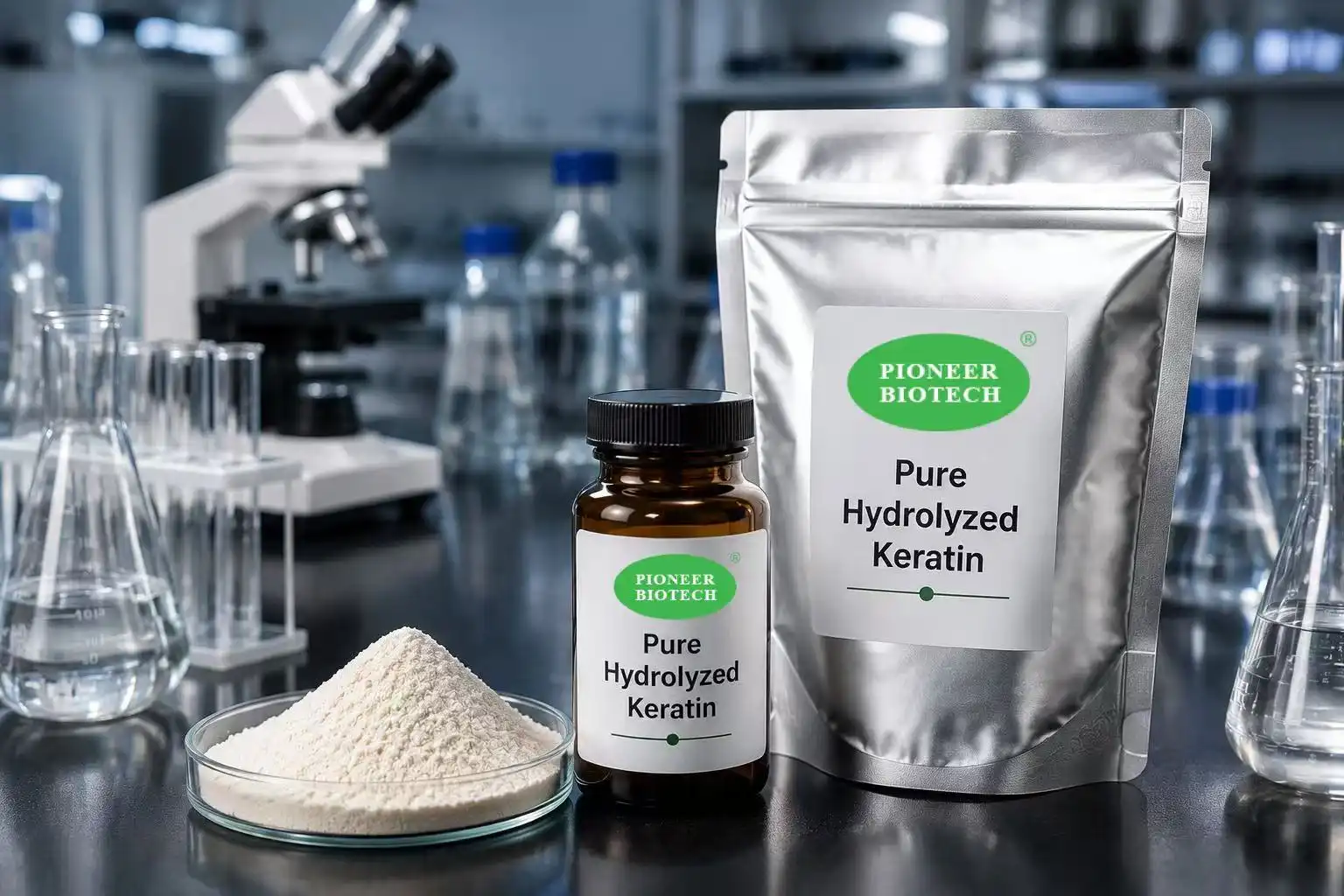
Future Outlook: Market Trends and Strategic Opportunities
Rising Demand for High-Performance Natural Ingredients
Consumer demand for natural, scientifically proven hair care components is growing the worldwide industry. Pure hydrolyzed keratin meets this need by using agricultural wastes and improving performance via instrumental analysis. Balanced brands fetch higher prices and have more customer loyalty than those depending simply on marketing tales without scientific evidence.
Sustainability goes beyond ingredient sourcing to manufacture. Enzymatic hydrolysis produces better peptides with less chemical waste than harsh acid treatments. Suppliers committed to green chemistry and circular economy models support North American and European retailers and brand owners' corporate sustainability initiatives.
Technological Advances in Processing and Analysis
Peptide size distribution may be precisely controlled using advanced hydrolysis methods to provide unique grades for particular uses. Controlled fragmentation patterns conserve functional amino acid sequences that boost biological activity, whereas ultra-low molecular weight versions (below 800 Daltons) target intense repair settings. Mass spectrometry and peptide mapping are needed for these breakthroughs, distinguishing leading producers from commodity suppliers.
The Personal Care Products Council standardizes ingredients to increase transparency and regulatory compliance across countries. Formulators may save formulation development time and ensure consumer safety by developing monographs and clarifying INCI.
Partnership Opportunities for Market Leadership
Private-label contract manufacturers increasingly seek out suppliers of raw materials and technical formulation assistance. Clinical research assistance, stability testing advice, and marketing claim substantiation make suppliers strategic partners rather than transactional vendors. Emerging companies without in-house R&D yet needing real product difference benefit from this collaborative strategy.
Brands seeking supply chain security and exclusive positioning may vertically integrate. Customized keratin grades from exclusive processing or co-development agreements assist intellectual property strategy and premium product positioning. These collaborations demand suppliers with technological flexibility and manufacturing capability to meet particular needs without sacrificing quality or delivery.
Conclusion
Pure hydrolyzed keratin is a scientifically proven option for formulators creating high-performance hair care products that repair and condition. Pure hydrolyzed keratin is vital for businesses seeking distinction in competitive marketplaces due to its molecular compatibility with hair's natural composition and varied applicability across professional, consumer, and ingestible forms. Successful procurement needs supplier assessment that emphasizes analytical verification, certification compliance, and technical assistance beyond commodity ingredient supply to strategic product creation and market positioning.
FAQ
1. What molecular weight is optimal for damaged hair repair?
Peptides ranging from 500 to 1,500 Daltons demonstrate superior penetration into chemically damaged hair cortex, enabling reconstruction of disulfide bonds compromised by bleaching, perming, or thermal styling. This molecular range balances small enough size for cuticle penetration with sufficient chain length to provide structural reinforcement. Formulations targeting intensive repair typically combine multiple molecular weight fractions to address both deep cortical damage and surface cuticle smoothing simultaneously.
2. How does hydrolyzed keratin compare to vegan protein alternatives?
Plant-based proteins such as hydrolyzed pea, quinoa, or chickpea proteins offer allergen-free alternatives lacking keratin's sulfur amino acid profile. While these provide conditioning and film-forming benefits, they cannot replicate disulfide bond reconstruction critical for chemical damage repair. Vegan proteins excel in volumizing and general conditioning applications but demonstrate limited efficacy in intensive repair scenarios where cysteine content determines performance outcomes.
3. What certifications should pharmaceutical buyers prioritize?
Pharmaceutical applications require GMP compliance verification, a certificate of analysis documenting heavy metal limits below pharmacopeial standards, and validated analytical methods traceable to recognized reference standards. Suppliers should provide stability data supporting shelf-life claims and microbial control documentation confirming sterility testing or bioburden limits appropriate for intended applications. FDA registration and drug master file availability streamline regulatory submissions for companies developing botanical drugs or OTC formulations incorporating keratin as active pharmaceutical ingredients.
Partner with Pioneer Biotech for Superior Hydrolyzed Keratin Solutions
Pioneer Biotech has established itself as a trusted pure hydrolyzed keratin manufacturer serving the cosmetics, pharmaceutical, and nutraceutical industries since 2012. Our facility in Hanzhong city combines strategic location within China's premier biotech region with comprehensive certifications including ISO 9001, FDA registration, HALAL, and KOSHER approvals. We offer protein content exceeding 90%, controlled molecular weight specifications between 500 and 3,000 Daltons, and customizable hydrolysis levels tailored to your formulation requirements.
Our commitment extends beyond ingredient supply to comprehensive support, including gift samples for formulation development, third-party testing coordination, clinical study assistance, and complete regulatory documentation. With ready stock in overseas warehouses and flexible minimum order quantities accommodating both development-stage brands and large-scale manufacturers, we provide the reliability and technical expertise your business demands. Contact our team at sales@pioneerbiotech.com to discuss how our hydrolyzed keratin solutions can elevate your product portfolio and accelerate your market success.
References
1. Robbins, Clarence R. "Chemical and Physical Behavior of Human Hair, 5th Edition." Springer-Verlag, 2012.
2. Fernández, Elena, and Barba, Carmen. "Peptide and Protein Delivery to the Hair Follicle: Novel Strategies and Applications in Hair Cosmetics." International Journal of Cosmetic Science, vol. 39, 2017.
3. Bhushan, Bharat. "Biophysics of Human Hair: Structural, Nanomechanical, and Nanotribological Studies." Springer, 2010.
4. Bouillon, Claude and Wilkinson, John. "The Science of Hair Care, 2nd Edition." CRC Press, 2005.
5. Gavazzoni Dias, Maria Fernanda Reis. "Hair Cosmetics: An Overview. "International Journal of Trichology, vol. 7(1), 2015.
6. Draelos, Zoe Diana. "Cosmetic Dermatology: Products and Procedures, 2nd Edition." Wiley-Blackwell, 2016.