
What Is Lactoferrin? A Complete Guide
Lactoferrin is a naturally occurring multifunctional glycoprotein predominantly found in colostrum, human milk, and bovine milk, with smaller concentrations present in saliva, tears, and other mucosal secretions. This iron-binding protein plays a critical role in immune defense, pathogen inhibition, and mineral bioavailability. As a high-value bioactive ingredient, lactoferrin has become indispensable across nutraceutical, pharmaceutical, cosmetic, and functional food industries. B2B buyers seeking to differentiate their product portfolios increasingly recognize lactoferrin's versatility, supported by robust scientific validation and growing consumer demand for clean-label, immune-supporting formulations.


Understanding Lactoferrin: Definition and Core Benefits
What Makes Lactoferrin Unique?
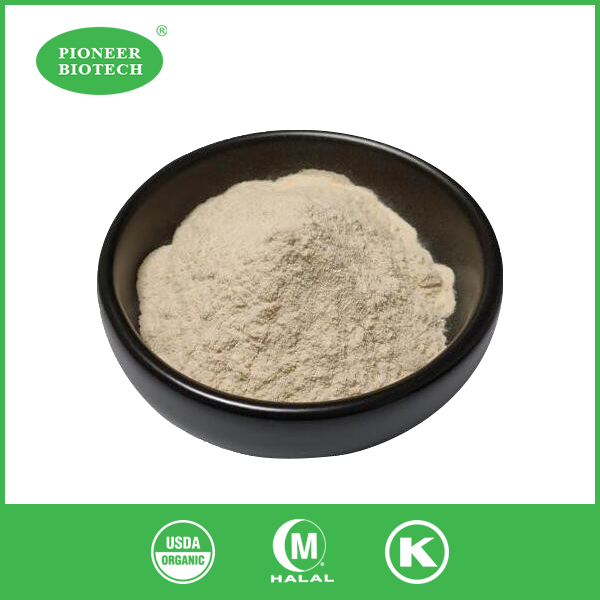
Lactoferrin is a transferrin family protein that binds iron. It has around 700 amino acids in it. Because of how its molecules are built, it can strongly connect two ferric ions, creating both holo-lactoferrin (which is full of iron) and apo-lactoferrin (which doesn't have any iron). Because of this molecular duality, it does many biological things, such as keeping iron levels fixed and killing bacteria directly. A lot of the time, high-purity freeze-dried lactoferrin powder is pink. This is because iron ions are connected to the polypeptide chain, which means the protein is whole.
Core Health Benefits for Product Development
The fact that lactoferrin can change the immune system is one of the coolest things about it. It helps immune cells find and get rid of pathogens better, which makes it a good choice for vitamins that boost the immune system and baby foods. It is called a broad-spectrum antibiotic because it can stop the growth of both Gram-positive and Gram-negative bacteria, viruses, and fungus. Studies show that lactoferrin stops bacteria from spreading by breaking microbe walls and taking away free iron, which pathogens need to grow.
The ability of lactoferrin to take in iron is very important for medicinal and nutritional uses. Studies have shown that taking lactoferrin supplements while pregnant raises iron levels just as well as taking regular ferrous sulfate supplements. These supplements are also often easier on the stomach. Iron can get to cells safely through this protein, which also stops the reactive stress that iron can cause. Having this balance is important for making iron-deficiency things that don't hurt anyone.
The anti-inflammatory and antioxidant features of lactoferrin make it useful in beauty and skin settings. It also helps keep minerals in balance and fights diseases. It is used in anti-aging serums, wound-healing creams, and lines for sensitive skin because it lowers signs of oxidative stress and makes the skin barrier work better. Because it can be used for so many things, lactoferrin is a useful chemical that can help a lot of different markets.
How Lactoferrin Works: Mechanisms and Scientific Insights
Immune Modulation and Pathogen Defense
Lactoferrin does more than just store iron; it also kills microbes. There are lipopolysaccharides on the walls of bacteria cells that the protein sticks to. This breaks down the membranes and stops biofilm formation. Lactoferrin prevents the growth of Pseudomonas aeruginosa biofilms in the lab by forcing bacteria to move by refusing them iron, which prevents them from sticking to surfaces. If a virus is dangerous, lactoferrin stops it from binding to host cell receptors and making copies of itself. The hepatitis C and herpes viruses were studied, and it was found that lactoferrin increases the amount of interleukin-18. The body needs this protein to fight viruses.
The protein also changes how bodies adapt to defend themselves. It changes how dendritic cells grow and how T-cells respond, which links the innate and adaptive immunity systems. Lactoferrin is very useful in goods for immune system-weak people, like kids and older people, because it can help keep the immune system in check.
Gut Health and Microbiota Balance
The mucosal immune system's first line of defense against bacteria in the gut is pure lactoferrin, which plays a very important role. It sends something into the gut that stops bad bacteria from growing and helps good bacteria grow. Lactoferrin stops Escherichia coli and other harmful bacteria from growing and helps the growth of Bifidobacterium, a type of probiotics that is important for the gut colonization of babies. This prebiotic-like action makes the gut barrier work better and stops inflammatory parts of bacteria from getting into the bloodstream.
Giving lactoferrin directly lowers the risk of sepsis in kids born before they're due. This proves that it works to protect weak groups. The protein's ability to keep the balance of microbes without hurting good bacteria is a big plus compared to regular antibiotics. It also fits with the move toward foods that are useful and clean.
Antioxidant and Dermatological Applications
Lactoferrin is an antioxidant because it can bind to iron and hold it in place. This action stops Fenton reactions from making hydroxyl radicals that are bad for you. In makeup, this means protecting against UV light-induced age and oxidative stress. The protein also lowers inflammation by changing nuclear factor-kappa B signaling. This stops cytokines from being made in tissues that are swollen. This is why lactoferrin is often found in high-end skin care products for sensitive or aging skin: it helps the skin grow back and fix its barrier.
Comparing Lactoferrin Sources and Supplements: Making an Informed Choice
Bovine versus Recombinant Lactoferrin
Lactoferrin from cow's milk or whey is mostly sold on the world market. This kind of lactoferrin is very valuable because it looks a lot like human lactoferrin (about 69% amino acid similarity). Because it is cheap and easy for the body to use, bovine lactoferrin is the best choice for most business-to-business uses. You could use recombinant lactoferrin made by microbial fermentation, which is good for markets that value products that aren't derived from animals. It costs more to make recombinant copies, though, and they need to be tried a lot to make sure they work the same as native forms.
People who work in buying should look at source materials based on what the end application needs. Good manufacturing practices (GMP) must be followed when making pharmaceutical-grade mixes that contain bovine lactoferrin that can be traced back to its source. The steps used must also be ones that have been shown to kill viruses. For makeup, less specific rules might be fine as long as they focus on facts about purity and stability. But for baby food, strict safety tests and papers from the government are needed.
Powder versus Capsule Formulations
For people who buy from other businesses, freeze-dried lactoferrin powder is the most useful form because it is simple to add to drinks, pills, tablets, and skin treatments. The process of freeze-drying keeps the bioactivity while making the structure thin. This makes it easier to dissolve, even in cold liquids. The wetness level in this style is usually less than 5%, so it will last longer if kept in a dry place.
The spray-dried lactoferrin is less expensive and solid enough for many tasks, but it might not dissolve as well as the freeze-dried form. When making ready-to-use pills, some people choose pre-encapsulated lactoferrin to speed up the process. However, this makes it harder to change the recipe. Most of the time, buying powder in bulk gives you more recipe freedom and better unit economics. Companies that make contracts and companies that can do their own packaging choose it over everything else because of this.
Lactoferrin versus Related Bioactives
Knowing what lactoferrin does and what other ingredients work well with it can help you make smart choices about how to prepare food. Colostrum has lactoferrin along with immunoglobulins and growth factors. Pure lactoferrin extract, on the other hand, has more constant antibacterial and iron-binding effects. There are a lot of macronutrients in whey protein, but lactoferrin can change the immune system in ways that whey protein can't. This means that the two things don't work against each other but rather with each other.
Probiotics contain live microbe cultures that are good for gut health, and lactoferrin helps the good bacteria by acting like a prebiotic and keeping pathogens away. While iron pills give you pure iron, lactoferrin gives you chelated iron, which is easier for your body to take and doesn't bother your stomach as much. To make a product that works better as a whole, formulators can mix lactoferrin with actives that work well with it. More and more, high-end multipurpose vitamins are using this way.
Purchasing Lactoferrin in Bulk: A Practical Guide for B2B Buyers
Identifying Reliable Sourcing Channels
You should only work with companies that have strong quality systems and clear supply lines to make sure you always have lactoferrin. Getting things from well-known sources directly saves money over going through brokers and helps expert teams work together on specific needs. When a business buys from another business, it should look for suppliers with GMP-certified facilities and clear quality control methods. As part of these, tried-and-true analysis methods like SDS-PAGE and HPLC should be used to check how regular each batch is.
The place where things are placed affects logistics and the security of supplies. A lot of reliable companies that make pure lactoferrin are based in places where dairy businesses have been around for a long time. It's simple for them to get the things they need. If you ask your sellers if they can make more of a product without any problems, you can avoid problems when demand goes up. Brands that want to grow their business or make more than one type of goods need to pay attention to this.
Key Procurement Specifications
Purity standards should be included in the purchase papers for uses in medicine and food. These usually have between 90% and 98% protein. The iron absorption level is another important thing to think about. Apo-lactoferrin that is less than 10% saturated kills microbes the best, while holo-lactoferrin that is more than 80% saturated works best in recipes for people who don't have enough iron. It is important that the amounts of bacteria, heavy metals, and liquids that are left over meet the standards set by the pharmaceutical industry or the laws of the countries where the product is sold.
Before you agree to buy in bulk, you can make sure that the specs are met by asking for certificates of analysis (CoA) for sample tons. Buyers are more confident when products are tested by allowed third parties. This is especially true for people who are entering regulated markets and need independent proof. It is easier to make new formulations when you have access to technical datasheets that show how the ingredients dissolve, how stable they are at high temperatures, and how well they work with common excipients.
Storage and Handling Requirements
To keep lactoferrin's bioactivity throughout the supply chain, it needs to be kept in controlled circumstances. Keep the protein below 25°C in containers that keep air and light out and the relative humidity below 60%. The protein will stay the same. In these conditions, freeze-dried lactoferrin powder is very stable and can be stored for more than 24 months. Proteins become less useful when they oxidize and group together quickly in hot or wet conditions.
Most of the time, stacked plastic bags with desiccants are the right packing materials that buyers should make sure that sellers use. Buyers should also make sure that contracts clearly state how the goods should be kept. Some recipes or markets need to be shipped in a chilled state, so setting up a cold chain is important. On the other hand, freeze-dried lactoferrin that is packed properly can normally handle normal shipping circumstances.

Safety, Dosage, and Regulatory Insights on Lactoferrin
Evidence-Based Dosage Guidelines
Lactoferrin has been shown in clinical tests to be safe for a variety of individuals and dose amounts. As a vitamin, adults usually take 100 to 300 mg per day. However, higher doses up to 600 mg have been shown to be safe in some treatment situations. Lactoferrin is found in baby formula in amounts that are about the same as in breast milk. Most of the time, 100 to 200 mg of lactoferrin are in 100 mL of condensed formula. Lactoferrin is usually taken twice a day by pregnant women who want to get more iron.
Safety Profile and Adverse Effects
Lactoferrin has a spotless record of safety. It is usually thought to be safe (GRAS) by the FDA to be used in baby food and other foods. There were not many side effects seen in clinical tests. Some people had small stomach problems, like nausea or loose stools, when they took bigger oral amounts. These effects are usually gone when the dose is changed or the drug is slowly titrated. If someone is allergic to cow's milk protein, they might still have an allergic response when they use lactoferrin from cattle. People who are allergic to these things need to be properly labeled and find other ways to get the goods.
Topical lactoferrin in cosmetic applications demonstrates low irritation potential, suitable for sensitive skin formulations. Comprehensive safety assessments conducted by regulatory bodies worldwide support the low risk profile of lactoferrin for all of its uses.
Regulatory Status and Quality Certifications
Lactoferrin is classified by the law in different ways depending on the country and the purpose of the drug. Animal lactoferrin from cows is GRAS for baby formula in the US. This means that it can be added without getting pre-market approval. The Dietary Supplement Health and Education Act says that the FDA is in charge of applications for dietary supplements. cGMP says that these forms must be made in a certain way, but they don't need to be accepted before they can be sold.
Lactoferrin is a brand-new food ingredient that has gained acceptance in certain European markets. The EFSA has said that it is safe to use. If somebody wants to sell new foods in the EU, they need to make sure that the people who make those foods follow the rules and get the paperwork they need. Some quality standards, such as ISO 9001, HALAL, and KOSHER, help a product reach more customers and show that it is of good quality. Pharmaceutical uses need to be more careful about following pharmacopeial manuals and standards for making drugs, so they need sellers who have worked with officials before.
Conclusion
Lactoferrin is a useful substance that has been shown by science to help the immune system, raise iron levels, improve gut health, and treat skin problems, among other things. Its special features—carrying iron, killing bacteria directly, adjusting the immune system, and being an antioxidant—make it stand out in nutrition, medicine, beauty, and useful food items. It is important to choose the right types of lactoferrin, check the quality systems of providers, and make sure that legal compliance matches the needs of target markets. More and more people want drugs that are safe and backed by science. Adding lactoferrin to high-end goods gives companies an edge because it has strong science behind it and can be used in many ways.
FAQ
Is lactoferrin suitable for all age groups, including infants?
Clinical research indicates that lactoferrin is safe for people of all ages. Foods for babies that have cow lactoferrin added are well accepted and good for their immune systems. This is especially true for kids who were born before they should be. Giving the substance by mouth lowers the risk of getting sepsis. There are good safety scores for apps for kids, adults, and older people. But people who are allergic to the protein in cow's milk should be careful with forms that come from cows.
How does lactoferrin compare to traditional iron supplements for absorption?
Chelated iron is easier for the digestive system to handle than ferrous sulfate thanks to lactoferrin, so people who take iron pills regularly don't have to deal with as much sickness and bloating. Women who are pregnant can still get iron deficiency treatments that work just as well and may be more likely to be followed through with because they have fewer side effects. The protein does more for the body than just replace iron. One of its other benefits is that it lowers inflammation.
What factors matter most when selecting a lactoferrin supplier?
Good companies show that they are GMP-approved, give full COAs with batch tracking, and are honest about their quality systems. It is very important to have scientific tools that can check the safety of germs, the quality of the protein, and the amount of iron present. People who can support long-term relationships and business growth are the ones who stand out. These suppliers have legal paperwork that fits the needs of target markets, production capacity that can be increased or decreased, and expert help with formula development.
Partner with Pioneer Biotech for Premium Lactoferrin Supply
Shaanxi Pioneer Biotech Co., Ltd. makes lactoferrin powder that is both pharmaceutical- and nutraceutical-grade and meets high standards around the world. We have been approved by ISO9001, HALAL, KOSHER, and the FDA. Our building is in Hanzhong's Medicine Herbs Valley. In other words, we are in charge of the whole supply chain, from getting the raw products to making sure they are good. We know that people who work in buying need more than just goods. They also need to be able to rely on relationships that are based on professional know-how and following the law.
Our team can help you with any production issue, whether you need help making drinks that work, cosmetic actives, iron-fortified goods, or pills that boost the immune system. We give full paperwork, like CoAs, stability data, and regulatory dossiers, which helps goods get licensed and on the market more quickly. Bioactive ingredients that are stable and of good quality are something we help both well-known companies and new ones. As a manufacturer of straight lactoferrin, we can give variable order quantities and a good price.
If you want to know more about our goods, test kits with samples, or special quotes, you can email our sales team at sales@pioneerbiotech.com. We want to help you bring unique formulations backed by science to market quickly and with confidence.
References
Kell, D.B., Heyden, E.L., & Pretorius, E. (2020). The biology of lactoferrin, an iron-binding protein that can help defend against viruses and bacteria. Frontiers in Immunology, 11, 1221.
García-Montoya, I.A., Cendón, T.S., Arévalo-Gallegos, S., & Rascón-Cruz, Q. (2012). Lactoferrin: A multiple bioactive protein with applications in health and disease. International Journal of Antimicrobial Agents, 40(6), 499-507.
Paesano, R., Berlutti, F., Pietropaoli, M., Pantanella, F., Pacifici, E., Goolsbee, W., & Valenti, P. (2010). Lactoferrin efficacy versus ferrous sulfate in curing iron deficiency and iron deficiency anemia in pregnant women. BioMetals, 23(3), 411-417.
Actor, J.K., Hwang, S.A., & Kruzel, M.L. (2009). Lactoferrin as a natural immune modulator. Current Pharmaceutical Design, 15(17), 1956-1973.
Giansanti, F., Panella, G., Leboffe, L., & Antonini, G. (2016). Lactoferrin from milk: Nutraceutical and pharmacological properties. Pharmaceuticals, 9(4), 61.
Cutone, A., Rosa, L., Ianiro, G., Lepanto, M.S., Bonaccorsi di Patti, M.C., Valenti, P., & Musci, G. (2020). Lactoferrin's anti-cancer properties: Safety, selectivity, and wide range of action. Biomolecules, 10(3), 456.