
Berberine HCl Powder: Benefits, Uses and Supplement Applications
Berberine HCl powder stands out as one of the most sought-after botanical alkaloids in the nutraceutical and pharmaceutical sectors, extracted primarily from Phellodendron amurense and Coptis chinensis. This standardized compound delivers consistent bioavailability and exceptional purity levels—typically 97% to 98% by HPLC analysis—making it an indispensable ingredient for formulating metabolic health supplements, cardiovascular support products, and advanced pharmaceutical preparations. As demand surges for natural alternatives to synthetic medications, understanding the technical specifications, health mechanisms, and procurement strategies for this golden crystalline powder becomes critical for product development directors, R&D leaders, and sourcing professionals navigating today's competitive health ingredient marketplace.
What is Berberine HCl Powder?
Chemical Structure and Botanical Origins
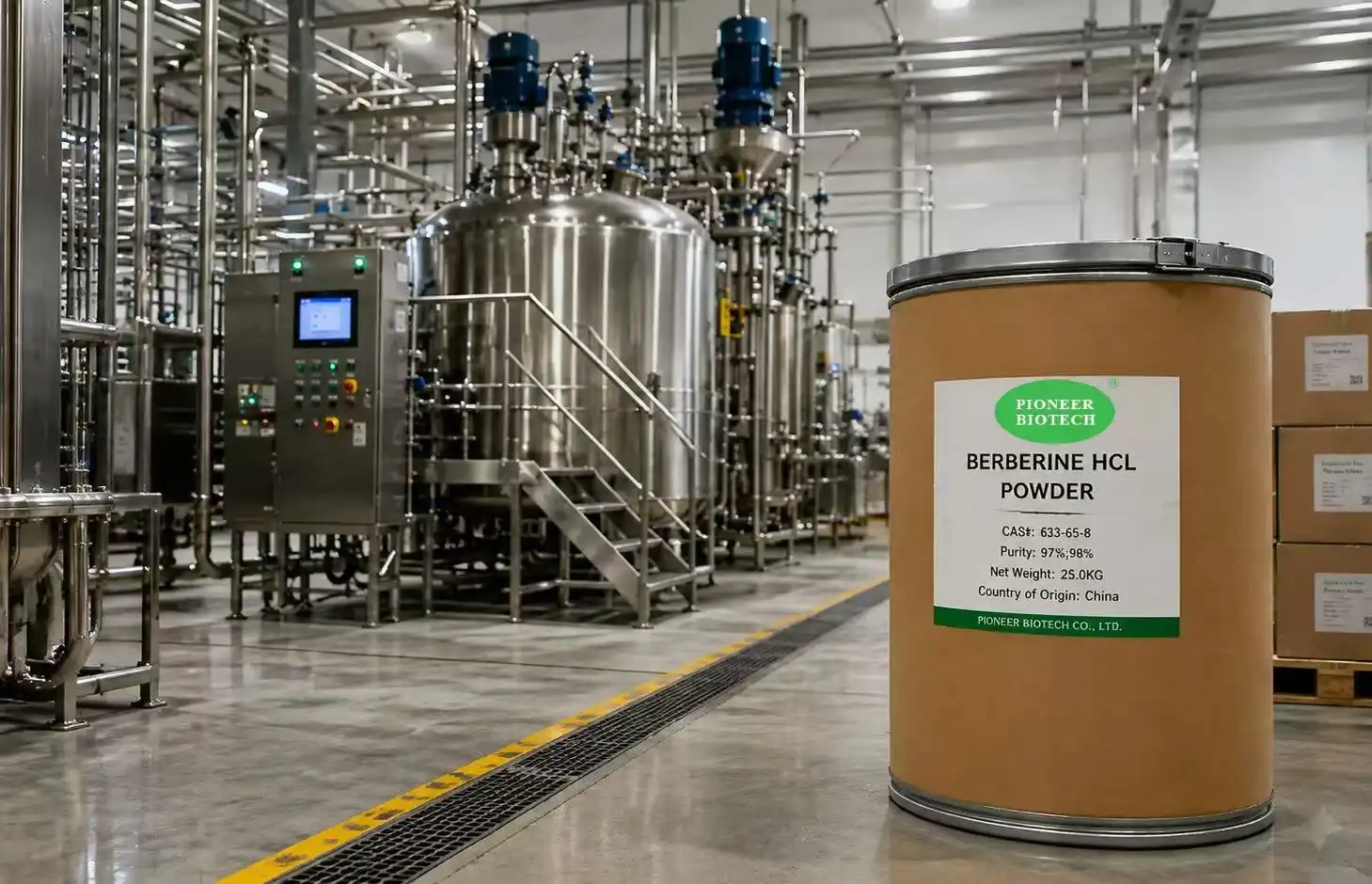
One type of berberine hcl powder is hydrochloride, which is an isoquinoline alkaloid and a quaternary ammonium salt. It is in the protoberberine group. The CAS number for it is 633-65-8, and its molecular formula is C20H18ClNO4. Its molecular weight is 371.81 g/mol. High-quality plant sources, such as Phellodendron amurense (also known as Golden Cypress or Amur Cork Tree) and Coptis chinensis (Goldthread), make sure that the natural origin that companies that make clean-label products look for.
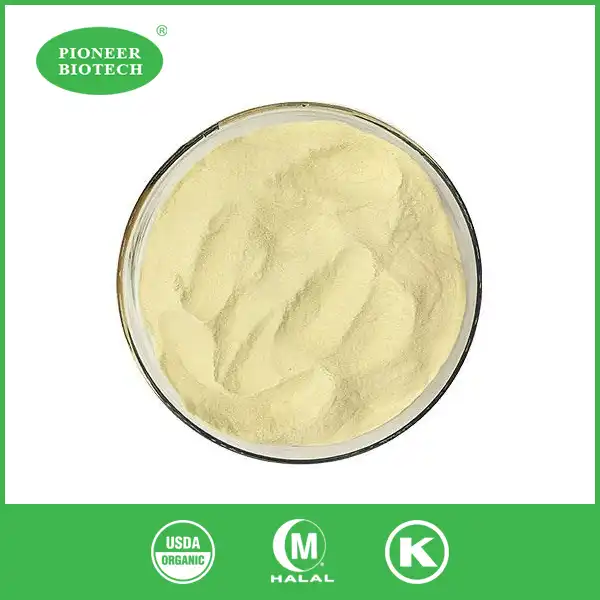
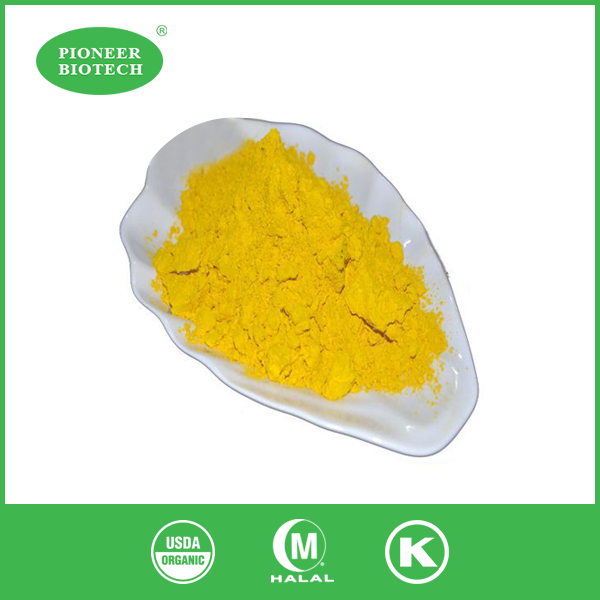
There are many ways in which the hydrochloride salt form of berberine, HCl powder, is better than the base form of the alkaloid. When working with alkaloid compounds, one problem that often comes up can be solved by making them more water-soluble. This makes the end goods more bioavailable. There is no smell to this bright yellow crystalline powder, but it tastes very bitter. Formulation scientists need to keep this in mind when they make new goods.
Distinguishing Berberine HCl from Alternative Forms
Berberine HCl powder and berberine sulfate are not the same in important ways. When tablets are compressed and worked on at normal temperatures, the HCl version is more thermally stable, so the tablets stay together during the manufacturing process. It keeps mixed substances steady for longer because it absorbs water less than other types of salt. This is something to keep in mind when making vitamins with many ingredients.
Once the full-spectrum plant powder is standardised to 97% or 98% pure, the differences between batches are gone. Regulatory experts like this consistency because it makes it easier to fill out the paperwork needed to get market authorisations in different places. A good flow in automatic packaging equipment and less bridging or caking during high-speed production runs are both made possible by the evenly distributed particle sizes. Usually, 95% of them pass through 80-mesh screens.
Health Benefits and Mechanism of Action
Metabolic Health and Blood Glucose Regulation
Studies in humans have shown that berberine HCl powder has strong effects on the metabolism of glucose in a number of different ways. This substance activates AMPK, which is known as the body's "metabolic master switch." It makes insulin work better at the molecular level, improves the absorption of glucose in muscle tissue, and lowers the production of glucose in the liver. Researchers who looked at berberine hcl powder and metformin found that both worked just as well at keeping blood sugar levels in the normal range. This naturally gives formulators an edge in terms of placement.
There are more things that the AMPK system does than just control glucose. LDL cholesterol and fat levels stay in a healthy range because it changes the way lipids are broken down. This ingredient is great for mixtures that target metabolic syndrome, a health problem that is becoming more common and affects millions of people around the world. It does two useful things. People who make products can use this activity with multiple goals to make metabolic wellness products that care for all health markers that are linked.
Cardiovascular Support and Lipid Management
Berberine HCl powder has important benefits for the heart in addition to its effects on metabolism. It helps endothelial cells do their job. These cells line blood vessels and act as a barrier. Controlling inflammatory pathways and oxidative stress reactions helps keep arteries healthy. It works really well with CoQ10, omega-3 fatty acids, and plant sterols, which are all ingredients that work well together to make heart-healthy goods.
The ability of berberine HCl powder to change fat levels comes from the way it affects the liver's lipid processing. It changes the steps that are used to make cholesterol and increases the production of LDL receptors. This makes it easier for LDL particles to leave the system. Scientific proof is used to back up marketing claims. This helps products stand out in the supplement market, which has a lot of competition.
Antimicrobial and Anti-inflammatory Properties
Because it is made up of alkaloid chemicals, it naturally kills many pathogens, like E. types of E. Salmonella and E. coli. The goods can be used for more than just vitamins because of this. They can also be used to treat skin issues and improve the taste of animal food. Berberine HCl powder is a natural way for companies that make veterinary feed supplements to help chickens, cows, and fish grow instead of using antibiotics.
NF-κB is one of the important inflammation signalling channels that is stopped by the anti-inflammatory effect. This is the method that beauty formulators use to make acne creams, skin care products that reduce inflammation, and wound care ointments. The very high standards (above 97%) make sure that chemicals and other impurities don't hurt the skin. This meets the strict safety standards set by rules for personal care products.
Usage Guidelines and Safety Considerations
Recommended Dosage Ranges
Supplemental guidelines usually say that 500 mg should be taken twice or three times a day with food. Splitting doses in this way makes absorption better and lowers the risk of stomach problems that can happen with big doses all at once. If formulation scientists are working on long-lasting delivery systems or microencapsulated matrices, they might want to change the release profiles to get patients to follow their treatment plans better and get better results.
Research has shown that doses between 900 mg and 1,500 mg per day are safe. This is called a "safety window." To make sure that you don't go over the daily limits, you should think about the amount of berberine HCl powder when you are making combination recipes. When applying to the government, it can help if you include written clinical data that supports the dose amounts you need to use. This makes the approval process go faster in a lot of places.
Safety Profile and Drug Interactions
Berberine HCl powder is safe as long as it is made according to standards for medicinal grade products. Lead limits of less than 3.0 ppm, arsenic limits of less than 1 ppm, cadmium limits of less than 1 ppm, and mercury limits of less than 0.1 ppm (as measured by ICP-MS) keep people safe. Total plate count, yeast and mold, coliforms, and pathogen screens for microbial pollution are some of the international guidelines for food safety.
When making something, you should think about how it might connect with other things. Berberine HCl powder can stop some cytochrome P450 enzymes from working. This might change how medicines that are taken at the same time are broken down. Labels should have the right warnings for people who take diabetes medicines, blood thinners, or medicines that only work for a short time. To meet the standards for pharmaceutical partners' due diligence, full safety records are kept. These records include mutagenicity studies and long-term damage data.
Berberine HCl Powder vs Alternatives: A Comparative Analysis
Comparison with Berberine Sulfate
Both types give berberine alkaloid, but how they are used changes the choices that can be made about how to formulate them. When it comes to making things like hot-melt extrusion or direct compression tablets, berberine HCl powder is more solid at high temperatures. The crystalline structure of the HCl form makes it easier for it to flow. This keeps powder mixes from segregating and makes sure that finished goods have more consistent content.
Cost is another thing that is taken into account when buying something. There are a lot of people who can easily make and buy berberine hcl powder, which is reflected in the low prices for large purchases. In places where production is ongoing, supply chain reliability is very important. For example, the hydrochloride form is always available because it is made in well-established factories, while less common salt types aren't as reliable.
Natural Alternatives and Botanical Competitors
Clearly, berberine HCl powder is better than other ingredients that help with glucose when looked at side-by-side. Chrome picolinate and cinnamon extract each work in their own ways, but when mixed with berberine HCl powder, they can work better together. In addition to its affects on metabolism, alpha-lipoic acid also helps with antioxidants. The herb Gymnema sylvestre changes how we taste and how insulin works in different ways. This can help us find new ways to market our goods.
Standardized berberine HCl powder has more of the active ingredient, so less of it is needed to work than whole-plant products. If this is true, then each daily dose needs fewer capsules or tablets. This helps people stick to their goals, which is important for long-term nutrition plans. Berberine HCL powder has a lot of strong clinical evidence to back it up, which is good for marketing teams. It's now easier to make advertising claims that smart people will believe.
Procurement Insights: Buying and Supplier Selection
Quality Specifications and Testing Standards
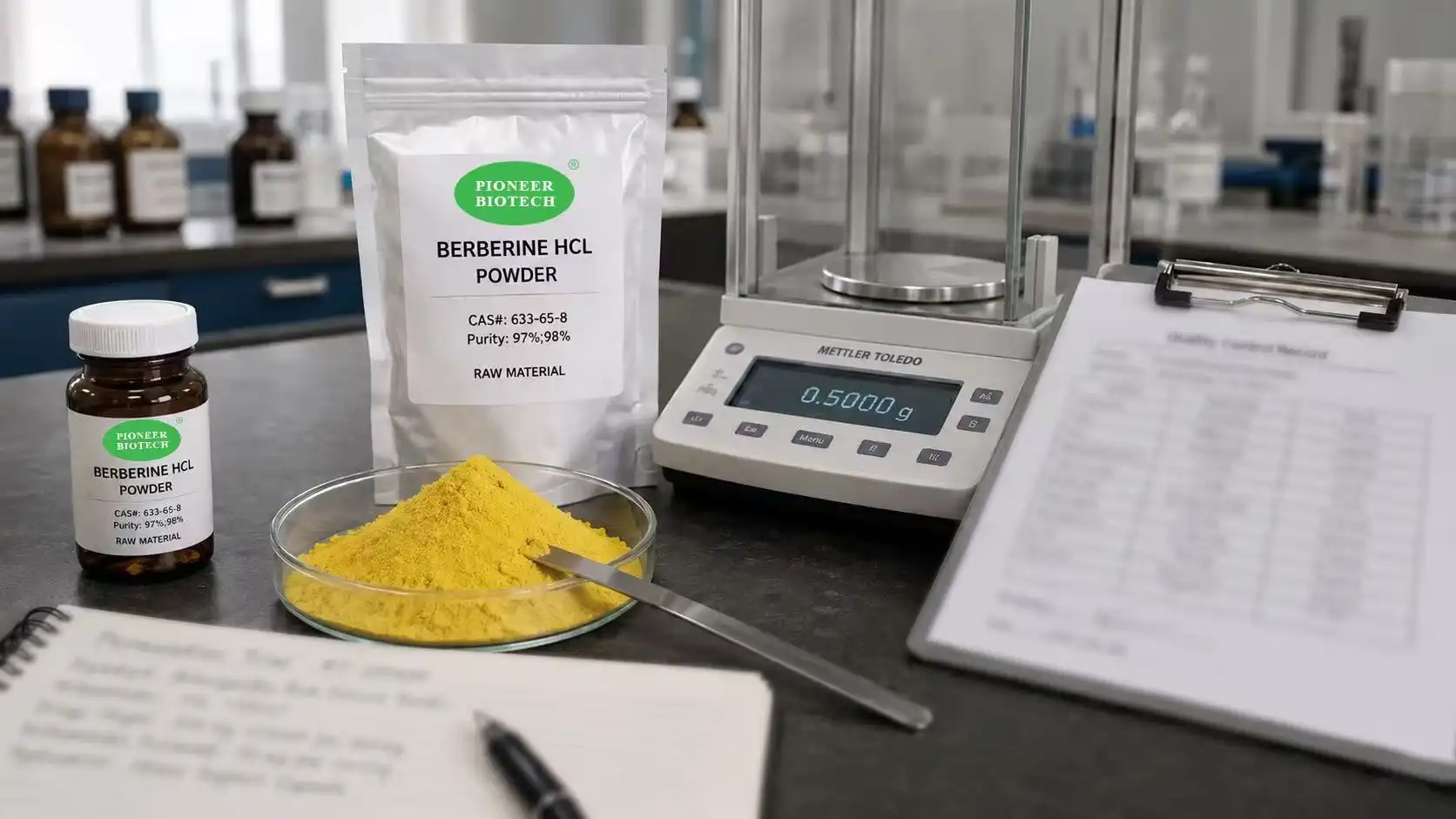
The people who work in procurement have to look at a lot of quality factors when they look at suppliers. It turns out that the purity levels that were said to be there are correct, and the Loss on Drying (≤12.0%) and Ash Content (≒0.2%) values show that the material was handled properly and there isn't much inorganic contamination. Thin Layer Chromatography (TLC) can be used to find out where a product comes from and make sure it is made from natural plants and not synthetic ones. This is a main method for high-end product lines that focus on herbal heritage to prove that they are real.
The GC-HS test for solvent residues makes sure that methanol and ethanol levels stay below the acceptable limits, which are usually 5,000 ppm and 3,000 ppm, to be exact. EU rules for plant products say that screening for PAH4 (polycyclic aromatic hydrocarbons) and aflatoxin is sufficient. When suppliers send full Certificates of Analysis (COA) with every shipment, it shows that they care about quality. This helps you with the processes for releasing incoming raw materials and meeting the needs of regulatory audits.
Certification Requirements and Compliance
To get into global markets, you need to get certain certifications. Systems for quality control, such as ISO9001 and ISO22000, make sure that the way things are made always stays the same. It is clear from the HACCP approval that a method for keeping food safe is being used at every step of the work process. People who need to eat kosher or halal food can go to shops that have those licenses. Filing with the FDA makes sure that the building knows the rules and is ready for checks.
Goods with clean labels and organic approvals (EU-ORGANIC, USDA-ORGANIC) are at the top of the market. However, they may not be easy to find because they come from plants that were grown or taken in the wild. More and more customers want papers that prove they are free of BSE/TSE, gluten, allergens, and non-GMOs. These documents also need to say that the products don't contain any allergens.
Evaluating Manufacturing Capabilities
Not only do quality certifications matter when picking a supplier, but so do their ability to do business. How reliably orders are met depends on how much capacity is available for production. Make sure that the production volumes match your projected needs and leave some room for changes in demand. The technology used for extraction changes both the amount that is made and how pure it is all over. Modern tools, like improved chromatographic cleaning and supercritical CO2 extraction, make the quality better than older ways.
Strategic suppliers offer expert help, which sets them apart from transactional sellers. The product development process goes faster when you can talk to formulation scientists who understand the issues you're having with your application. Your staff will be able to do their jobs better if you can support regulatory paperwork like Drug Master Files (DMFs), allergen statements, and stability data. Having samples ready for testing at the bench and on a larger scale lowers the risk before making big purchases.
We have all of these skills because Pioneer Biotech is in Hanzhong City, which is known as the "Medicine Herbs Valley of Qinling Mountains." Since 2012, our main focus has been on making herbal goods for the pharmaceutical, nutraceutical, and beauty industries. Our 7,000m² building is certified by the FDA, HALAL, ISO9001, and HALAL, so you can be sure that all of your needs are met.
Conclusion
People who make vitamins for digestive health, heart-healthy products, and natural drugs need berberine HCl powder. It is an important part of today's health product lines because it is standardized for purity, has strong clinical evidence, and can be used in many ways. Procurement pros can make smart sourcing decisions that protect the usefulness of goods, follow the rules, and put them in a competitive market by learning about the differences between chemicals, how they work therapeutically, and quality standards. It's becoming more and more important for long-term business success to build relationships with reliable producers who can offer pharmaceutical-grade quality as the need for natural ingredients backed by evidence grows.
FAQ
1. What is the difference between Berberine HCl and regular berberine powder?
The parent alkaloid or different salt forms may be in regular berberine powder, and the concentration of these can vary. The hydrochloride salt of berberine HCl powder is standardized to be 97-98% pure. It dissolves better in water and is best for the body. When it is being made, the HCl form is more stable at high temperatures and less likely to soak up water. This means that finished goods will stay stable longer.
2. How long does it take to see results from berberine supplementation?
For 8 to 12 weeks, taking supplements regularly at the recommended doses usually leads to changes in fasting blood glucose and lipid measurements. Different people have different reactions because it depends on their health at the start, what they eat and how much they move, and how the product was made, all of which can affect how well it is absorbed. Products that have berberine hcl powder and nutrients that work well together may work more quickly.
3. Can berberine be safely combined with other supplements or medications?
Berberine HCL powder can be mixed with things that work well together, like chromium, alpha-lipoic acid, and cinnamon extract, to help the metabolism even more. But there are some medicines that could interact badly with it, mainly diabetes medicines and blood thinners. It's important for people to know what they're taking and talk to their doctors before mixing medicines and pharmaceutical drugs.
Partner with Pioneer Biotech for Premium Berberine HCl Powder Supply
Pioneer Biotech is an expert at making drug-grade berberine HCl powder that is 97-98% pure and is made in an FDA-registered and GMP-compliant plant. Our well-known company makes berberine hcl powder for the beauty, health, and pharmaceutical industries all over the world. To keep your production schedules on track, we store ready-to-ship products in local warehouses. That's why we offer free samples to check the quality, full COA paperwork, and expert help 24 hours a day, seven days a week for formulating. Our team can help you with your big needs by emailing sales@pioneerbiotech.com. You can also get full specs or samples that show why top brands trust Pioneer Biotech as their key ingredient partner.
References
1. Yin J, Xing H, Ye J. "Efficacy of berberine in patients with type 2 diabetes mellitus." Metabolism: Clinical and Experimental, vol. 57, no. 5, 2008, pp. 712-717.
2. Zhang Y, Li X, Zou D, et al. "Treatment of type 2 diabetes and dyslipidemia with the natural plant alkaloid berberine." Journal of Clinical Endocrinology & Metabolism, vol. 93, no. 7, 2008, pp. 2559-2565.
3. Cicero AFG, Ertek S. "Metabolic and cardiovascular effects of berberine: from preclinical evidence to clinical trial results." Clinical Lipidology, vol. 4, no. 4, 2009, pp. 553-563.
4. Kumar A, Ekavali, Chopra K, et al. "Current knowledge and pharmacological profile of berberine: An update." European Journal of Pharmacology, vol. 761, 2015, pp. 288-297.
5. Imenshahidi M, Hosseinzadeh H. "Berberine and barberry (Berberis vulgaris): A clinical review. " Phytotherapy Research, vol. 33, no. 3, 2019, pp. 504-523.
6. Tan XS, Ma JY, Feng R, et al. "Tissue distribution of berberine and its metabolites after oral administration in rats." International Journal of Pharmaceutics, vol. 358, no. 1-2, 2008, pp. 196-202.