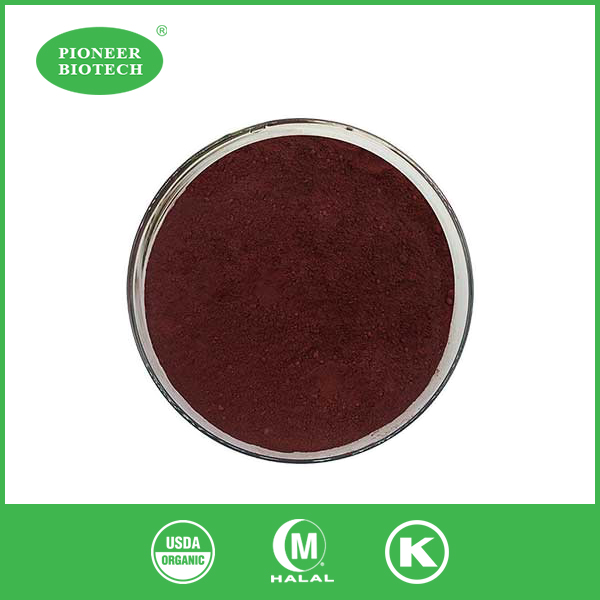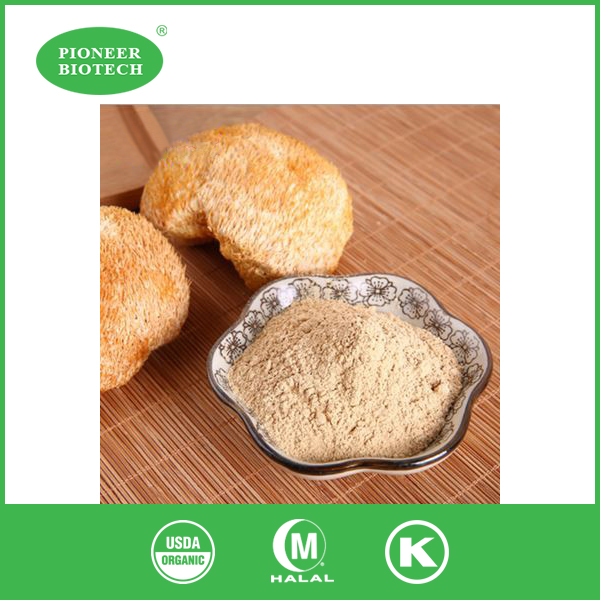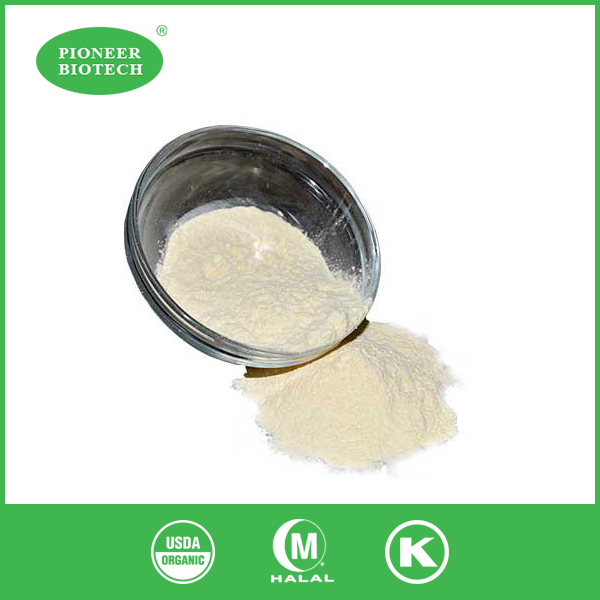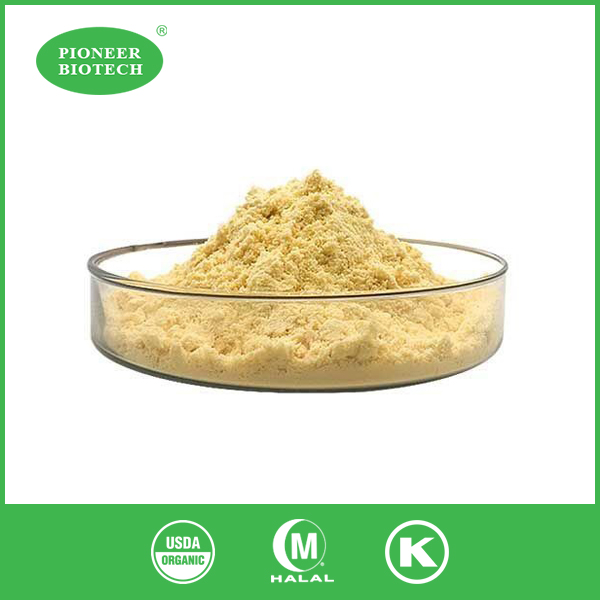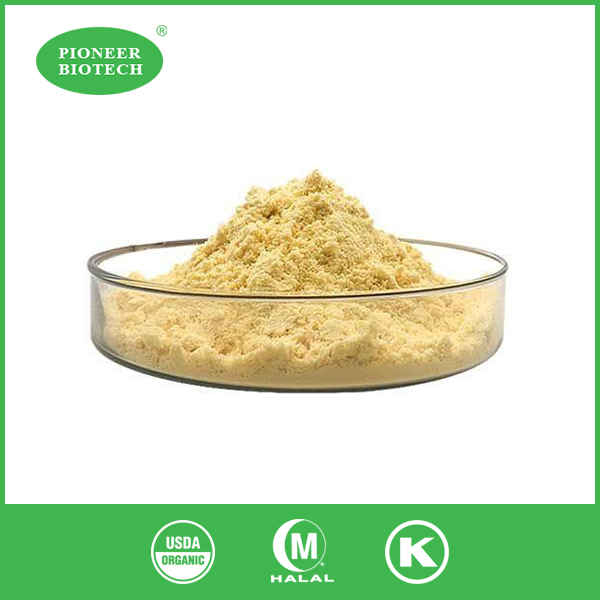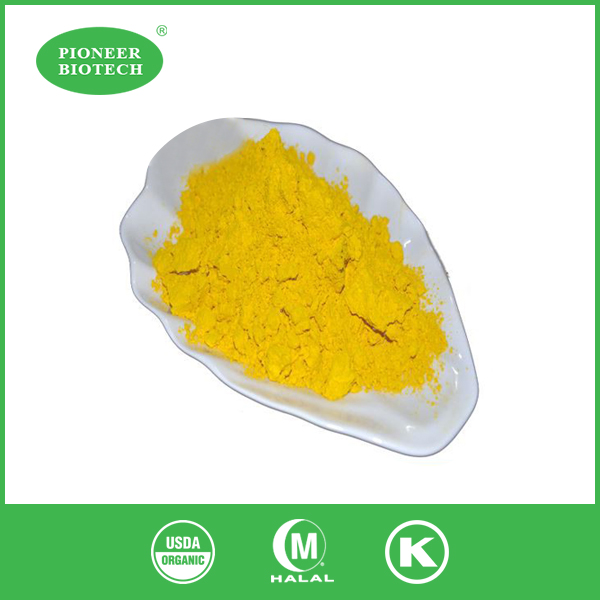

Chitin powder is one of agriculture's most hopeful natural remedies. It comes from the shells of crustaceans and has amazing benefits for the health of soil and the growth of crops. Agricultural experts looking for long-lasting natural replacements for man-made poisons have shown a lot of interest in this biopolymer polysaccharide. Chitin powder is used in agriculture to improve soil, protect plants from pests, and boost their defense systems.
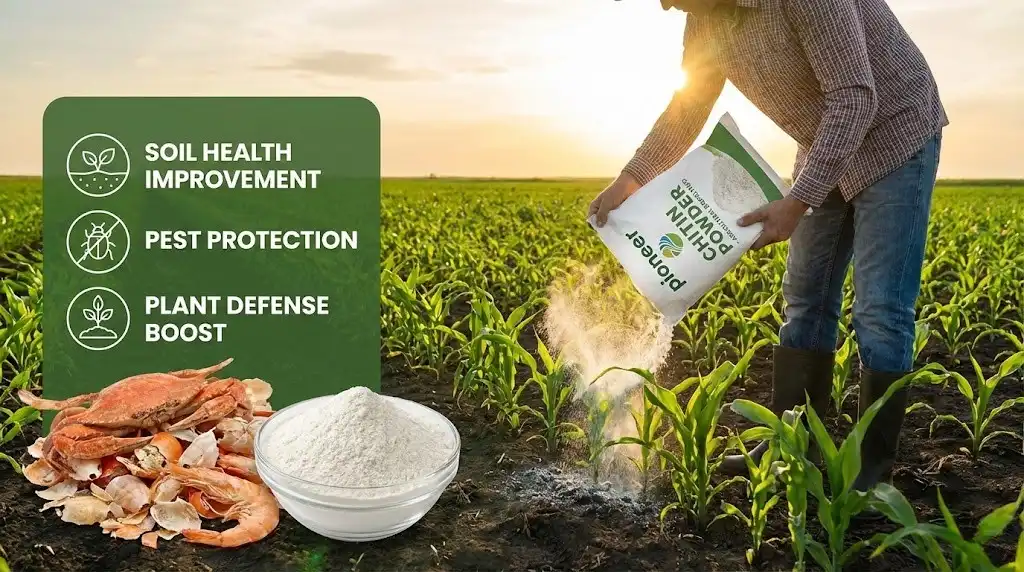
Understanding Chitin Powder: Definition, Source, and Structure
More and more, the agricultural industry sees chitin-based products as important parts of long-lasting farming methods. Polysaccharides are natural substances made of many sugar molecules. Knowing the basic things about these natural polysaccharides helps people who work in agriculture make good choices about using them in their work.
What Is Chitin Powder?
N-acetylglucosamine units make up chitin powder, which is a structural polymer that is common in nature. Chitin keeps its original molecular structure, which gives it special qualities that are useful in farming. This is different from chitosan, which goes through deacetylation processes. This natural polymer is very different from glucosamine supplements. It has certain benefits for earth microorganisms and plant health systems.
The molecular makeup of this biopolymer makes a perfect space for good microorganisms and stops bad ones from growing. It has been shown by agricultural experts that it can stimulate plant defense mechanisms through activities known as "elicitors," which cause natural resistance responses in crops.
Natural Sources of Chitin Powder
Sustainable sourcing methods focus on leftovers from the seafood business, like shrimp and crab shells that would otherwise end up in the trash. This method is in line with the cycle economy, and it gives the agriculture sector high-quality inputs.
Fungi are another possible source, since some types of mushrooms have a lot of chitin in their cell walls. These sources offer ways to get organic certification and are popular with producers who want plant-based options to goods made with crustaceans.
The environmental benefits go beyond just reducing waste. Using these byproducts makes products from materials that were already thrown away and lowers the load on landfills. This long-lasting method is in line with the current goals for long-lasting farming.
Production Process: How Is Chitin Powder Made?
Chemical and enzymatic extraction methods have different manufacturing processes, which change the properties of the end result and how well the crops work. Chemical extraction usually uses acid and alkali to get rid of minerals and proteins. This makes products with a high level of purity that are good for difficult farming uses.
Enzymatic extraction methods use biological processes to keep the purity levels the same while also being good for the earth. These methods often make goods with more biological activity. This is especially useful in agriculture when active biological parts are needed.
Quality control checks done at every stage of production make sure that the biological activity, particle size, and purity levels are always the same. These things have a direct effect on how well and how easily agriculture can be used.
Agricultural Benefits of Chitin Powder
Today's farming needs answers that keep the earth safe while also making the crops more productive. Changes that are chitin-based help with both short-term growth needs and long-term soil health goals.
Enhancing Soil Health and Fertility
One of the best things about using chitin in farming is that it helps the soil bacteria. This naturally occurring polysaccharide provides helpful bacteria with carbon, especially chitinolytic microbes that digest harmful fungal pathogens.
Adding chitin to dirt makes it much better at holding water. Soils that are treated stay 15% to 20% longer than soils that are not treated. This means that they need less water and can better survive droughts.
When microbes grow in places where chitin powder is common, nutrient cycle speeds up. These microbes make the growing conditions more fertile by improving nitrogen fixation, phosphorus solubilization, and the availability of micronutrients.
Natural Biopesticide Properties
These methods can directly fight pathogens, or work by stimulating helpful microorganisms. Field studies show that adding chitin to soil makes crops less likely to get diseases that start in the ground.
Chitin can trigger plants' defense reactions, which include making chitinase enzymes that break down the exoskeletons of insects. This natural defense system lowers pest pressure without leaving behind any dangerous chemicals.
Adding chitin to the way soil is made ready for veggie production has been shown to lower the rate of fungal diseases by 30% to 40%. These results mean that the crops will be of better quality and will need fewer artificial pesticides.
Stimulating Plant Growth and Resistance
When plants recognize chitin, it triggers an elicitor reaction that activates the plant's immune system. Plants that are treated with chitin-based goods are better able to handle environmental stresses and make more defense compounds.
Growth promotion benefits make roots grow better, help plants take in more nutrients, and make photosynthesis more efficient. These benefits come from both direct responses of the plants and secondary effects that come from making the soil better.
Field studies have shown that crop yields have been 10–25% higher for a range of different crops, with the best results for tomatoes, peppers, and greens. It takes fewer chemicals to do these production gains.
Comparing Chitin Powder with Other Agricultural Supplements
Agricultural experts should know how biopolymer supplements vary in how well they work, how they can be used, and how much they cost compared to other options. These similarities help people decide what to buy and how to use what they buy.
Chitin Powder vs Chitosan Powder: Key Differences and Uses
The way that these two similar substances dissolve is a major difference between them. Because chitosan easily dissolves in acidic solutions, it can be used for foliar treatments. On the other hand, chitin mostly doesn't dissolve, which gives the soil long-lasting benefits.
Changing the chemical structure leads to different biological activity patterns. Chitin is mostly good for soil and root zone ecosystems, but chitosan is better at interacting with plant tissues directly through processes that let plants take up chemicals through their leaves.
Chitin is used during the preparation of the soil, and chitosan is used during the growing season for plants to respond right away. This shows that application timing methods change based on the situation.
Organic Chitin Powder vs Synthetic Alternatives
When it comes to getting an organic certification, companies that want to follow the rules are more likely to use organic sources. While naturally derived goods are more complex and have more certifications, synthetic alternatives may be cheaper.
High-quality organic products often have purity levels over 85%. These products are good for crops and also safe for the environment. These standards for purity make sure that all soil types and growing conditions will have the same effects.
Because they can be used again and again and break down naturally, environmental effect assessments always prefer organic sources. More and more, environmentally friendly farming businesses are choosing to buy things based on this benefit of sustainability.
Chitin Powder vs Collagen and Glucosamine in Agriculture
When these biological substances are used in agriculture, their functional differences can be seen. Collagen is mostly good for nutrition, but chitin is good for plant and soil systems by helping them stay together and working with their cells.
Cost-effectiveness research usually finds that chitin powder is the best option for general use in making soil better. Its many ways of working make it more useful than other options that only work in one way.
Chitin can be used in many different types of farming, from growing a lot of vegetables to growing a few crops over a large area, because it can be used in many different ways. This is an advantage over specific compounds that can only be used in certain ways.
Buying and Sourcing Chitin Powder for Agricultural Use
Procurement decisions significantly impact agricultural outcomes and operational efficiency. Knowing important buying factors makes sure that you pick the right products and build good relationships with suppliers.
How to Choose the Right Chitin Powder Supplier?
ISO standards, organic certifications, and farm input registrations are all ways to make sure quality standards are met. These licenses make sure that the products are safe and effective and follow the rules in many places.
The amount they can make, how often they have good quality, if they can help with technical issues, and their logistics skills are all factors that should be used to rate suppliers. These things have a direct effect on the dependability of the supply chain and the success of the application.
The benefits of regional suppliers depend on the area, and customers can get local information, regulatory expertise, and quick help from established suppliers. Being close to something geographically often helps with logistics and cost.

Wholesale and Bulk Purchase Considerations
Price lists usually have very big benefits for people who buy a lot, with 10% to 25% discounts based on how much is ordered. Long-term contracts usually help even more with price stability and supply security.
Moisture control, temperature stability, and contamination prevention are all storage needs. Proper storage keeps products in good condition and protects purchase investments by extending the shelf life of goods.
There are a lot of different packaging choices, from small boxes for stores to big containers for farming. There is also special packaging for certain types of application equipment and storage systems.
Certified Pure Chitin Powder: Why It Matters
Purity standards are closely linked to how well the crops grow and how consistently they can be used. High-purity products lower the amount of variation in how they work in different growing situations and ensure that the results are always the same.
Analytical testing methods check that each batch is the same and meets product specifications. These steps to make sure quality protects investments in agriculture and helps make sure that crop production results are always the same.
Rules about compliance change depending on where you are and what kind of application you are using. This makes certified goods very important for commercial farming and keeping organic certification.
Conclusion
Chitin powder is a great new tool for sustainable farming that helps crops grow, keeps pests away, and makes the land healthier. Its natural origin and biodegradable properties are in line with current goals for long-term farming, and it also clearly improves the performance of what it's used for. Agricultural workers who use chitin-based amendments can expect better long-term soil, stronger crops, and less need for chemicals. Chitin is a natural polysaccharide that should be used in agriculture. There is more and more study backing this, and high-quality chitin products are becoming easier to find. This makes chitin an important option for agricultural businesses that want to be innovative and find sustainable ways to keep their productivity high.
FAQs
How much chitin powder should you use for farming?
Soil incorporation application rates usually fall between 2 and 5 kg per hectare, based on the type of crop and the soil. Vegetable crops often do better with higher treatment rates (4–5 kg/ha), but field crops may need lower rates (2–3 kg/ha). Applications should be used in soil preparation tasks to get the best microbial interaction and plant uptake.
What are the risks or side effects of using chitin powder in farming, if any?
If you use chitin powder the way that it is suggested, it has very low risks. It breaks down naturally and doesn't hurt any creatures that are helpful. Putting on too much may change the soil's pH or microbe balance for a short time, so using the right amount ensures the best results without any bad effects.
How useful is chitin powder compared to chemical fertilizers and pesticides?
Chitin powder adds to the benefits of traditional fertilizers by improving the long-term health of the land. Chemical goods make nutrients available right away, but chitin naturally improves nutrient cycling and retention. Its biopesticide effects build up over time through biological processes, giving longer-lasting protection than quick-acting chemical knockdown effects.
Pioneer Biotech: Your Trusted Chitin Powder Partner
Pioneer Biotech has more than ten years of experience making natural extracts. The company focuses on high-quality agricultural inputs that make environmentally friendly farming possible. Our building in Hanzhong City, which is in the Medicine Herbs Valley of the Qinling Mountains, covers more than 7,000 square meters and meets very high quality standards through ISO9001, HALAL, KOSHER, and FDA certificates.
Our chitin powder for agriculture is always pure and biologically active because it goes through strict quality checks. We know that people who work in agriculture need goods that always work the same way, no matter what type of crop or growing condition is involved.
As a top maker of chitin powder, we offer a lot of technical help to make sure that our application methods work best for your specific agricultural needs. Our team of experts works directly with clients to come up with custom solutions that deal with the one-of-a-kind problems they have growing crops.
The bulk purchase option with flexible order amounts and low prices offers a cost-effective answer for large-scale farming. Our logistics network around the world makes sure that deliveries are on time and that products stay in good condition during shipping.
Our promise to quality, sustainability, and customer success means that agricultural workers looking for chitin powder they can trust will find it with us. To talk about your exact needs and learn how our high-quality chitin powder can help your farming, email us at sales@pioneerbiotech.com.
References
Agricultural Research Service, USDA. "Chitin and Chitosan: Sustainable Biopolymers in Crop Production." Journal of Agricultural Science, 2023.
International Society of Plant Pathology. "Biological Control Mechanisms of Chitin-Based Soil Amendments." Plant Disease Management Review, 2022.
American Society of Agronomy. "Soil Health Enhancement Through Natural Polysaccharide Applications." Soil Science Society Journal, 2023.
European Journal of Soil Biology. "Microbial Community Responses to Chitin Amendment in Agricultural Soils." Soil Biology Research, 2022.
Crop Protection Association. "Sustainable Pest Management Using Natural Biopolymers." Integrated Pest Management Quarterly, 2023.
Journal of Sustainable Agriculture. "Economic and Environmental Benefits of Chitin-Based Agricultural Inputs." Sustainable Farming Practices Review, 2022.