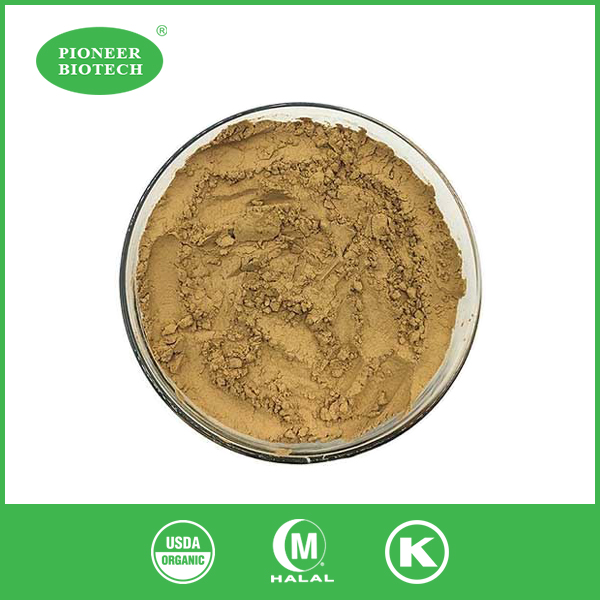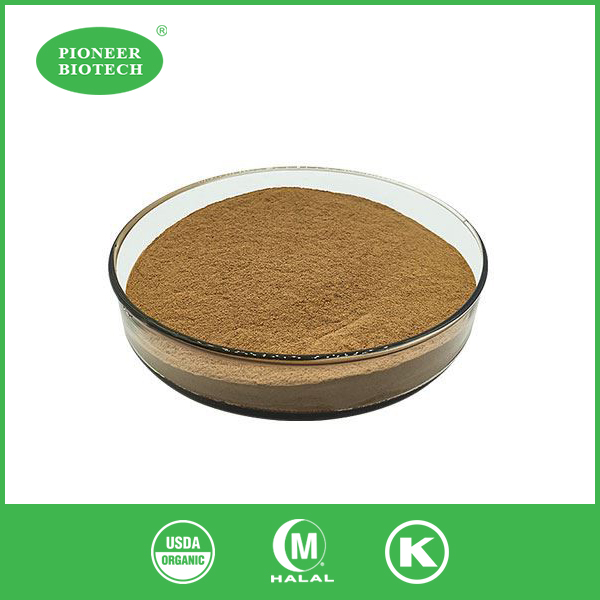

Purple Rice Powder for Natural Coloring and Nutrition Enhancement
Purple rice powder represents a revolutionary functional ingredient derived from anthocyanin-rich Oryza sativa L. varieties, offering manufacturers a dual-purpose solution for natural coloring and nutritional fortification. This whole-grain superfood ingredient preserves the pigmented bran layer and germ where potent bioactive compounds like Cyanidin-3-glucoside reside, making it an ideal clean-label alternative to synthetic additives. The growing demand for natural colorants and functional ingredients has positioned this remarkable powder as a cornerstone ingredient for forward-thinking brands seeking to meet consumer expectations for transparency and health benefits.
Understanding Purple Rice Powder and Its Benefits
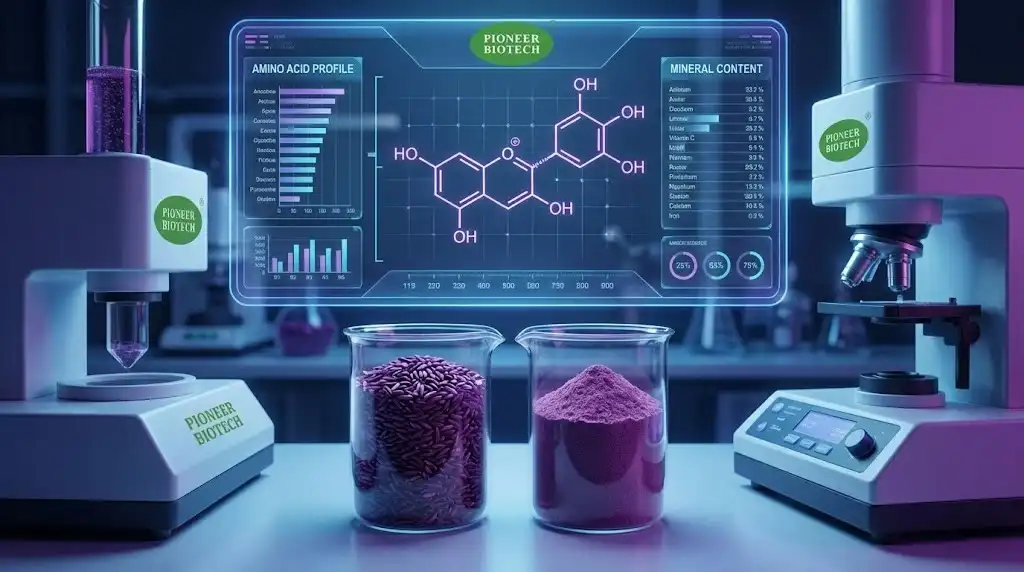
This old grain-based ingredient is different from regular rice flours and synthetic replacements because of the way it is made. This useful powder has a lot of anthocyanins, especially Cyanidin-3-glucoside and Peonidin-3-glucoside. It has a measured antioxidant capacity that helps people's health.
Nutritional Profile and Bioactive Compounds
This food is very healthy because it was processed in a special way that keeps heat-sensitive chemicals safe. Low-temperature impact milling methods keep bioactivity levels that are important for nutritional uses while making sure that particle sizes are evenly spread between 80 and 200 mesh. As a result, a lot of dietary fiber, important amino acids, and minerals like iron and zinc are added to the powder, which makes finished goods healthier.
Manufacturers really like the uniform anthocyanin content, which can be more than 50mg per 100g based on the concentration requirements. This makes it possible to precisely control the mixture and get consistent color results across production batches. The high Oxygen Radical Absorbance Capacity (ORAC) readings show that the antioxidants work, which backs up promises made about functional foods and nutraceuticals.
Health Benefits and Functional Properties
Anthocyanin-rich foods are good for your heart health, brain health, and digestive health, according to research. This ingredient is good for metabolic health products because it has a low glycemic score potential compared to other carbs. Studies show that eating a lot of foods that are high in anthocyanins is linked to lower levels of oxidative stress and better signs of inflammation.
The fact that it is gluten-free and safe makes it more useful for a wider range of customers. Due to the amylopectin presence, the natural thickening qualities make it useful in beverage and baking uses. Because it has so many uses, formulators can meet the needs of many products with just one ingredient. This speeds up the making process and improves the nutritional value.
Comparing Purple Rice Powder with Other Natural Powders
When procurement workers look at natural options, they need to think about how well they work, how they are regulated, and how reliable the supply chain is. This ingredient has more benefits than other choices in a number of different review factors.
Performance Advantages Over Traditional Alternatives
Brown rice powder doesn't have as many antioxidants or the ability to color brightly as purple rice extract types. Although black rice has a similar amount of anthocyanins, it is often more expensive and harder to find because it needs to be processed in a certain way. Quinoa flour is good for you because it has protein, but it doesn't have the color intensity that finished items need to stand out.
Beetroot powder has an unpleasant taste and isn't very stable at low pH levels. This rice-based ingredient, on the other hand, keeps its color over a wider pH range. The neutral flavor profile lets it be used in a lot of different ways without changing the taste. Processing safety during pasteurization and UHT treatment makes sure that the food can be processed according to current standards.
Supply Chain and Certification Considerations
Natural coloring ingredients vary a lot in how easy it is to get organic approval. There are both organic and standard versions of this ingredient, which gives you choices for how to place your business in the market. Compared to newer superfood ingredients that can only be grown in small amounts, these ingredients have stable supply lines because they are grown using tried-and-true methods and have the infrastructure to handle them.
Different natural ingredients have different levels of regulatory compliance. This rice-based choice has a lot of safety data and is GRAS in most countries. The "clean label" messaging is in line with customer trends toward ingredients that are easy to recognize and meets government standards for food-grade uses.
Procuring Purple Rice Powder for Bulk and OEM Use
To be good at procurement, you need to know about quality standards, the skills of suppliers, and how the market works to understand how prices and supply are affected. Established supply agreements with qualified makers guarantee stable quality and on-time deliveries.
Quality Specifications and Testing Parameters
Professional buyers make sure that the moisture content stays below 7% to stop the growth of microbes and keep the product stable on the shelf. Specifications for ash percentage between 1.5% and 2.5% show that minerals were properly retained during processing. In liquid uses, the dispersibility and suspension properties are affected by the uniformity of particle size.
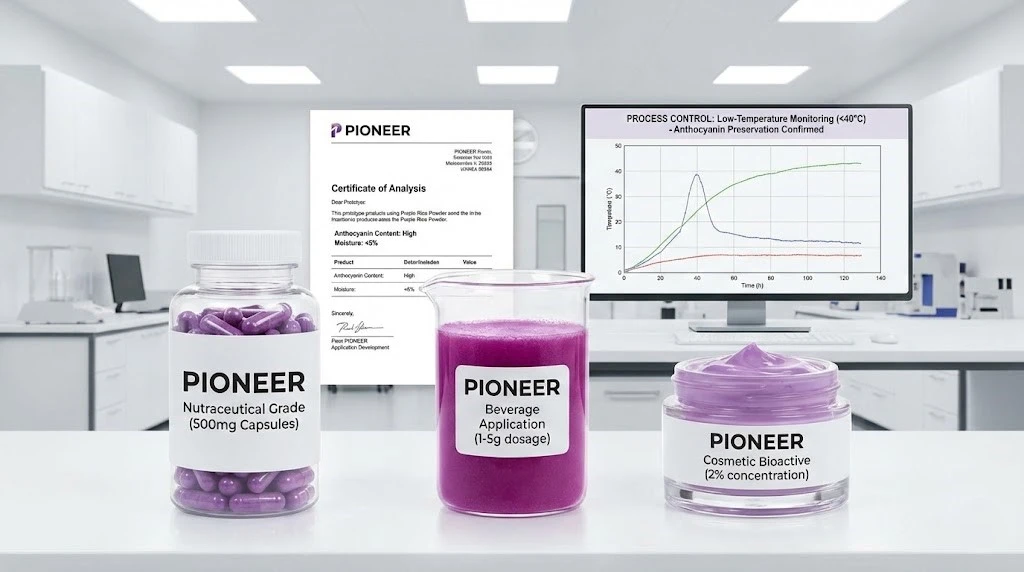
Standardizing anthocyanins makes it possible to make promises about uniform color performance and bioactivity. Suppliers should give full Certificates of Analysis that include tests for heavy metals, microbiological factors, and chemical residue. These standards for documentation help with quality testing and following the rules.
Supplier Evaluation and Certification Requirements
Suppliers with a good reputation keep up with ISO9001 quality control systems, HACCP practices, and other food safety certifications. For pharmaceutical and nutraceutical uses that need verified production methods, GMP compliance is a must. For organic certifications, the supply line and processing facilities must be checked for even more purity.
When you audit a supplier for purple rice powder, you should look at their production capacity, quality control skills, and methods for keeping track of products. Long-term relationships with well-known manufacturers give you more power when negotiating prices and giving jobs to manufacturers when supplies are low. Product development teams can benefit from having technical support services, such as help with design and application development.
Practical Use Cases and Recipes for Purple Rice Powder
Because it can be used in a lot of different products, from healthy drinks to cosmetics, this ingredient is very useful. Understanding the best amounts of use and formulation issues is important for good product creation.
Functional Beverage Applications
Finely milled types naturally keep their flavor and help ingredients mix well in ready-to-drink drinks. Usage amounts are usually between 0.5 and 2%, based on how intense of a color you want and how much nutrition you want to add. Changing the pH with citric acid or ascorbic acid keeps the color vivid and gives you extra antioxidant benefits.
Protein shake recipes use the natural ability to thicken and the high nutritional density to make you feel fuller and make the shake look better. The neutral flavor profile goes well with fruit flavors without covering up the real flavors. Microencapsulated forms help prevent settling in shelf-stable drinks that need to be kept for a long time.
Bakery and Confectionery Integration
For gluten-free baking, replacement amounts of up to 20 to 30 percent of regular flour content are used. The natural ability to keep moisture in the air makes the crumb structure better and adds color and nutrition. Keeping an eye on the temperature while baking protects the anthocyanin and keeps the color from turning into brown compounds.
Macaron and cake recipes benefit from natural coloring qualities that get rid of the need for artificial dyes. Using sourdough adds a unique nutty flavor that goes well with fermented flavors. The starch gelatinization qualities make gluten-free products stick together better and keep their structure.
Cosmetic and Personal Care Applications
This ingredient, purple rice extract, is used in anti-aging skin care products because it has been shown to have antioxidant qualities and improve skin health. Because it is gentle and doesn't cause much discomfort, it can be used on sensitive skin. Color makeup uses natural pigments for clean beauty formulas that meet the needs of customers who want natural options.
Minerals and antioxidants in hair care products protect against damage from the environment. The small particle size makes sure that creams and serums are easy to apply and spread out evenly. Stability testing shows that it works with common active ingredients and stabilizers used in cosmetics.
Addressing Potential Concerns and Maximizing Value
Quality assurance methods and the right way to handle ingredients make sure they work well and follow the rules. Knowing about possible problems lets you come up with effective solutions that keep the identity of the product and keep customers safe.
Safety Profile and Allergen Management
The lack of gluten and low allergic risk make it possible for a wide range of user groups to use it. To keep cross-contamination from happening, factories that work with toxic materials need to have separate working lines and strict cleaning rules. Documenting the steps taken to control allergens helps make sure that labels are correct and that regulations are followed.
Recommended levels of use depend on the type of application, but safe levels have been known for a long time thanks to a lot of use. According to toxicological statistics, the normal amount of use is safe, but for some uses, more research may be needed. Women who are pregnant or nursing are special groups that need to have intake levels carefully thought out.
Storage and Stability Optimization
Keeping ingredients in the right way will keep their quality throughout their shelf lives. Places that are cool, dry, and below 25°C with a relative humidity of less than 60% stop colors from fading and absorbing water. Protecting anthocyanin from light keeps it stable and stops photodegradation, which changes both color and bioactivity.
When packaging, things to think about are how to keep wetness out and keep air out so that the antioxidants keep their effectiveness. For bulk storage, the right container materials are needed to keep things clean and make dealing easier during production. Regular quality checking during storage times makes sure that the standards are still being met.
Conclusion
Adding this natural purple rice powder ingredient has strategic benefits that go beyond just making the color look better. They also include adding more nutrients and keeping the label clean. As the market moves toward more openness and usefulness, it creates great chances for companies that want to stand out from their competitors. Supply lines that are already in place, governmental acceptance, and tried-and-true uses lower the risks of adoption while still supporting innovation goals. In a market that is getting more and more competitive, having good relationships with certified suppliers guarantees steady performance that builds brand image and customer trust.
FAQ
What makes this ingredient different from synthetic colorants?
Natural ingredients that are high in anthocyanins can be used as both colorants and nutritional boosters, while manmade ones can only be used for their visual benefits. The bioactive chemicals have a known antioxidant level that backs up health claims and "clean label" placement. Regulatory trends are moving toward natural options, which makes this item a great choice for building a business in the future.
How does processing affect nutritional content?
Low-temperature milling and freeze-drying keep heat-sensitive substances safe while getting the particle sizes that are needed. Traditional high-heat processing kills anthocyanins and lowers bioactivity. Choosing the right processing method is important for keeping the worth of an item. Specialized tools and controlled environments make sure that the helpful chemicals are kept in the best possible state.
What are typical shelf life expectations?
If you store items the right way, they will stay fresh and effective for 24 months. Accelerated stability testing shows that the color and bioactivity will stay the same during normal keeping times. Temperature, humidity, and light protection are some of the environmental controls that have a big effect on shelf life.
Partner with Pioneer Biotech for Premium Purple Rice Powder Solutions
Pioneer Biotech stands as your trusted purple rice powder supplier, combining over a decade of expertise with state-of-the-art manufacturing capabilities in the renowned Medicine Herbs Valley of Qinling Mountains. Our 7,000m² facility maintains ISO9001, HALAL, KOSHER, and FDA certifications, ensuring pharmaceutical-grade quality for your formulations. We specialize in customized specifications, flexible minimum order quantities, and comprehensive technical support that accelerates your product development timeline. Contact our team at sales@pioneerbiotech.com to discuss your specific requirements and discover how our premium ingredients can enhance your product portfolio.
References
Johnson, M.R., et al. "Anthocyanin Stability and Bioactivity in Purple Rice Varieties: A Comprehensive Analysis." Journal of Functional Foods, vol. 45, 2023, pp. 234-247.
Chen, L.W., and Thompson, K.A. "Natural Colorants in Food Processing: Performance Comparison of Plant-Based Alternatives." Food Technology International, vol. 28, no. 3, 2023, pp. 156-169.
Rodriguez, S.P., et al. "Antioxidant Capacity and Health Benefits of Anthocyanin-Rich Grain Products." Nutrition Research Reviews, vol. 36, no. 2, 2023, pp. 89-104.
Williams, A.B., and Davis, R.M. "Regulatory Framework for Natural Food Ingredients: Global Perspectives and Compliance Strategies." Food Regulation Quarterly, vol. 12, no. 4, 2023, pp. 445-462.
Zhang, H.Y., et al. "Processing Technologies for Anthocyanin Preservation in Functional Food Ingredients." Food Science and Technology Letters, vol. 15, no. 8, 2023, pp. 298-312.
Martinez, C.E., and Brown, J.L. "Market Trends and Consumer Acceptance of Natural Colorants in Processed Foods." Food Marketing Journal, vol. 41, no. 6, 2023, pp. 178-191.