
How Banana Extract Is Made: Extraction Process Overview?
Banana extract represents a concentrated form of banana's natural compounds obtained through specialized extraction processes that preserve the fruit's distinctive flavor, aroma, and nutritional components. This botanical extract contains essential compounds including potassium, vitamins B6 and C, natural sugars, and aromatic esters that make it valuable across multiple industries. The extraction process involves carefully controlled methods to isolate these beneficial compounds while maintaining their stability and bioactivity for commercial applications.
Understanding Banana Extract and Its Market Relevance
There has been a lot of growth in the global plant extract market, and banana extract has become a major player in many fields. More and more people want clean-label goods and functional ingredients, and this natural ingredient meets their needs with its concentrated nutritional benefits and unique sensory qualities.
Market Dynamics and Industry Applications
Banana extract is used in many different businesses, each with its own quality standards and needs. This ingredient is used in the nutraceutical industry because it is high in potassium and naturally gives you more energy. It is found in dietary products that improve heart health and physical performance. Pharmaceutical firms know that banana extract can be used to make natural APIs and plant drugs, especially for goods that help with digestive health and vitamin supplementation.
Because it moisturizes and contains vitamins, banana extract is highly valued in the makeup business and is often used in anti-aging and haircare products. Functional food and drink makers use its natural sweetness and taste to make better choices to fake additives, and contract manufacturers like how it can be used in a lot of different products.
Key Sourcing Regions and Supplier Landscape
The world supply line for banana extract is dominated by countries in Latin America. Ecuador, Colombia, and Costa Rica produce the most banana extract. The growth conditions in these areas are ideal, and the farming infrastructure is well-established, so the quality of the raw materials is always the same. California has become a backup source, especially for certifications that are organic and meet strict government rules.
There are both big farming groups and specialized extraction sites in the supplier scene. To keep up with changing market needs, many providers have put money into fair trade licenses and sustainable farming methods. Knowing what each area can offer and how things change with the seasons helps procurement pros make strong sourcing plans that keep the supply chain running smoothly.
Step-by-Step Banana Extract Extraction Process
To make high-quality banana extract, you have to carefully manage a lot of different factors, from choosing the raw materials to the way they are packaged. These days, extraction centers use advanced methods that increase output while keeping bioactive compounds intact.
Raw Material Selection and Preparation
For banana extract to be made successfully, the banana types used must be carefully chosen based on their intended use. Cavendish bananas, which make up more than 95% of the world's exports, have uniform flavors that work well in most business settings. But specialty types of bananas, like Red Dacca or Lady Finger, have special aromatic chemicals that can be used to make quality extracts.
The amount of ripeness has a big effect on the quality and makeup of the extract. When bananas are fully ripe, they have more sugar and more developed chemical substances, which makes them perfect for adding flavor to foods. Green bananas have different nutritional values, and their resistant starch level makes them useful for practical food uses. Protocols for quality review look at things like Brix levels, pH readings, and eye checks for flaws or contamination.
Getting organically certified materials, like pure banana extract, is more difficult because the supply lines and farming methods have to be checked and written down. To make sure that organic standards are met throughout the whole production process, suppliers must keep thorough records of the farming inputs used, the yield dates, and how the food was handled after the harvest.
Extraction Techniques and Methodologies
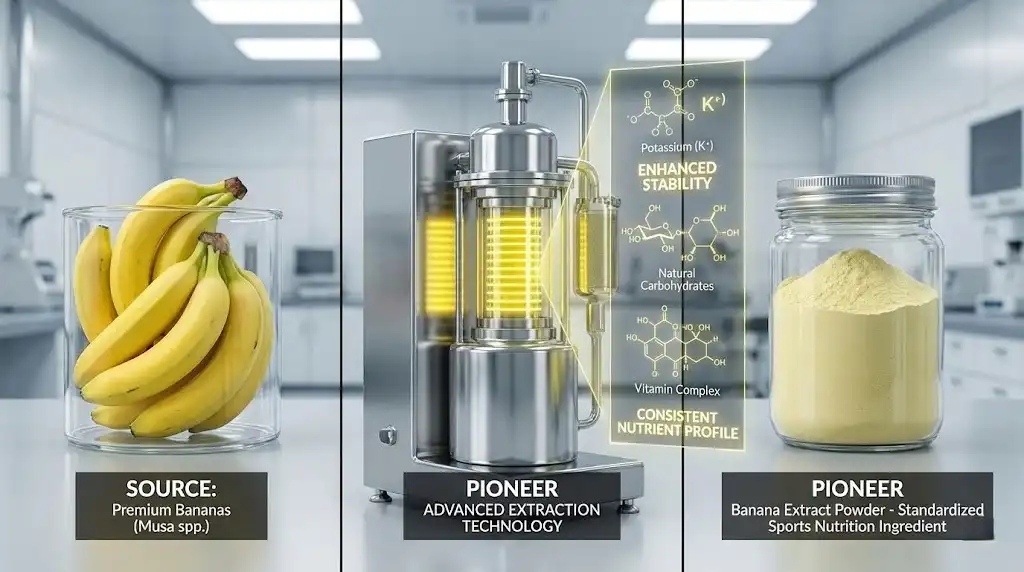
There are different extraction methods used to make modern banana extract, and each has its own benefits based on the compounds being extracted and the end use needs. The most common method is still solvent extraction, which uses food-grade ethanol or water-based techniques to successfully remove compounds that dissolve in water or alcohol.
Through steam distillation, the volatile aromatic molecules that give banana its unique taste are captured. This method uses controlled temperatures to keep heat-sensitive substances safe while separating them effectively. The process usually involves several distillation steps to get rid of flammable substances that aren't needed and concentrate aromatic compounds.
For high-quality extracts, cold pressing has become more popular. This method works at room temperature to protect delicate nutritional ingredients. Even though it might not produce as much as hot extraction methods, cold pressing keeps the vitamins and enzymes that are damaged by heat intact and useful in nutraceutical uses.
Using carbon dioxide under certain temperature and pressure settings, supercritical fluid extraction is the most advanced technique that is currently available. This method makes the cleanest extracts with the least amount of solvent waste, which makes it ideal for pharmaceutical and high-end skincare uses where purity is very important.
Post-Extraction Processing and Concentration
After the first extraction, the crude extract goes through several steps of processing to get it to the right concentration and get rid of any toxins. Filtration systems get rid of impurities and make the extract clearer, and spinning separates any solid parts that might make the product less stable.
Concentration methods are different depending on the goal requirements and the planned use. Vacuum evaporation lowers the amount of water present while protecting heat-sensitive chemicals. Depending on customer needs, concentration ratios can be anywhere from 5:1 to 20:1. Spray drying turns liquid extracts into powder, which makes them more stable on shelves and easier for large buyers to handle.
Quality control checks are done during all stages of post-extraction processes to make sure that everything is consistent and meets the requirements. Real-time testing methods check important factors like moisture levels, pH levels, and bioactive substance amounts to make sure that each batch is the same, which is what corporate customers need for their manufacturing processes.
Quality Control and Standards in Banana Extract Production
To keep quality standards uniform throughout the production of banana extract, full quality control methods must be used that take into account many important factors. These systems make sure that products are safe, work well, and follow international rules for food items and medicinal raw materials.
Critical Quality Parameters and Testing Protocols
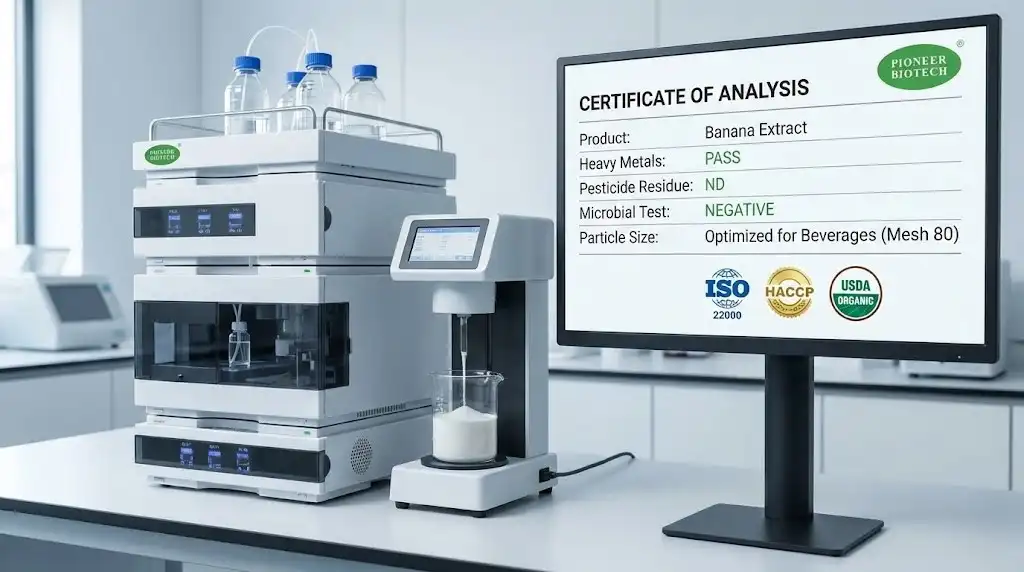
Testing for potency for banana powder makes sure that the amount of important beneficial compounds, like vitamins, minerals, and flavoring compounds, is correct. High-performance liquid chromatography (HPLC) analysis accurately measures the amounts of different parts, so sellers can ensure that their formulas will have the right levels of strength for their customers.
Microbiological safety is an important quality requirement, and testing methods include looking for pathogens, yeast, and mold, as well as counting the number of bacteria. Good Manufacturing Practice (GMP) sites use environmental tracking systems to keep an eye on the air quality, the cleanliness of the surfaces, and the purity of the water. This keeps the production process from getting contaminated.
Heavy metal analysis checks for amounts of lead, cadmium, mercury, and arsenic that could be harmful to health and makes sure that international safety standards are met. Screening for pesticide residues is especially important for regular banana sources, which need testing methods that can find very small amounts of farming chemicals.
Certification Requirements and Compliance Standards
For organic approval, the whole supply chain has to be fully documented, from the inputs used on the farm to the end packaging. Certified organic banana extract costs more, but it can reach health-conscious customers who value natural products and eco-friendly production methods.
As part of their social duty, fair trade standards make sure that products are sourced in a way that doesn't harm the environment. For these certificates to be given, suppliers must show that they pay their farm workers fairly and take care of the earth in ways that socially conscious brands and their customers like.
The ISO 9001 quality control systems make sure that operations are always done well, and the HALAL and KOSHER standards help businesses reach new customers. Market entry within the United States' regulatory system is guaranteed by FDA registration and following the rules of the Food Safety Modernization Act.
Comparison of Banana Extract Types and Their Applications
Different source materials and extraction methods make banana extracts with different properties and best uses. By knowing these differences, sourcing experts can choose the right types of extracts for their formulation needs and the tastes of their target market.
Organic versus Conventional Extract Varieties
Organic banana extracts are more expensive because they are made using approved sustainable methods and don't use any manmade chemicals in the farming process. People who care about their health like these products, and they help brands get a "clean label" place in competitive markets. Because of the different ways they are grown and the conditions of the land, organic products often have more complicated aromatic notes.
For large-scale uses where organic approval might not be enough to set the product apart from others on the market, conventional banana extracts offer stable quality and low prices. These extracts benefit from standard farming methods that make sure the flavors are consistent and there is a steady supply all year long.
Costs include more than just the original purchase price. They also include the cost of certification upkeep, the complexity of the supply chain, and the benefits of market positioning. Organic extracts usually have lower minimum order amounts, but wait times may be longer because there aren't as many suppliers and supply is limited during certain times of the year.
Ripe versus Green Banana Extract Characteristics
Ripe banana extracts have the classic sweet banana flavor that people associate with the fruit. This makes them perfect for use in food and drinks that want to create familiar tastes. There is more sugar in these extracts, and scientists have created ester molecules that give them unique aromatic qualities that are useful in baking and candy making.
Green banana extracts have different nutritional profiles because they contain more resistant starch and less sugar. Because of these qualities, they are useful for functional food uses that aim to improve gut health and help people lose weight. Formulators have more freedom to make complex taste profiles because the flavor profile stays more balanced.
Green banana extracts are often preferred in pharmaceutical uses because they have more steady compound profiles and less sugar, which means they won't mess up drug formulas. Green bananas have more potassium than yellow bananas, which is good for heart health vitamins and electrolyte replacement items.
Liquid versus Powder Extract Forms
Compared to solid banana extracts, liquid banana extracts dissolve better and are easier to mix into drinks. They release their taste right away and spread evenly throughout liquid mixtures. When compared to powder options, these extracts need to be kept in the fridge and have shorter shelf lives, but when used in finished goods, they provide more authentic flavor experiences.
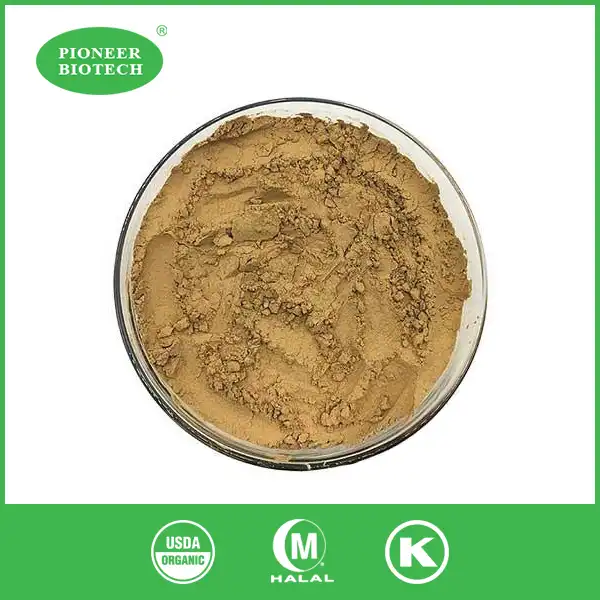
Powder extracts are more stable and last longer, and they also require less storing space and shipping. The encapsulation process keeps sensitive chemicals safe from oxidation and moisture and makes it possible to dose solid formulas precisely. Powders work especially well as supplements because their controlled release qualities make them more bioavailable.
Things to think about when manufacturing include how well the tools will work together, the temperatures used, and how stable the end product needs to be. For liquid extracts, you might need special tools and a place to store them that is kept at a constant temperature. Powder forms work better with dry blending processes that are already in place, but they might need more time to be mixed evenly.
Procurement Guidance and Strategic Buying Tips for Banana Extract
To successfully buy pure banana extract, you need to know what the provider can do, what the quality standards are, and how the market works, which affects prices and supply. Strategic sellers come up with thorough evaluation criteria that take cost, quality, and the dependability of the supply chain all into account.
Supplier Evaluation and Selection Criteria
The first step in evaluating a supplier is to check the plant to make sure it meets GMP standards, has quality control tools, and can produce enough to meet expected demand levels. As part of the study of the documentation, certificates of analysis, stability data, and records of regulatory compliance that show steady quality performance over time should be included.
The evaluation of production skills looks at extraction technology, processing capacity, and the ability to adapt to specific needs or packing needs. Suppliers who offer more than one extraction method can offer options when there are problems with the supply chain and offer ways to improve performance for different uses.
Checking a company's financial health can help protect it from problems in the supply chain that might delay production or make products unavailable. Credit checks and reviews of financial statements can help you figure out if a provider is viable, and references from past customers can tell you about the quality of the service and how reliable it is.
Storage and Handling Considerations
The right way to store banana extract has a big effect on its quality and shelf life. For best preservation, it needs to be kept in a temperature-controlled area and kept away from moisture. Most liquid extracts need to be kept in a fridge between 2°C and 8°C, but powder forms can stay stable at room temperature as long as the humidity stays below 60%.
Choosing the right container has an impact on the quality of the product all along the supply chain. Materials that are safe for food and have the right barrier qualities keep the product from getting contaminated or oxidized. There are different types of bulk packing, such as stainless steel drums for liquid extracts and fiber drums with moisture barriers for powder forms. Both are made to keep the quality of the product while it is being shipped and stored.
Strategies for managing inventory should take into account changes in lead times and regular trends of supply that affect planning for purchases. To keep things from going to waste and make sure there is enough for production, safety stock estimates must take into account things like how long something can last on the shelf and how its quality changes over time.
Conclusion
To make banana extract, complex steps are needed to turn raw fruit into concentrated ingredients that can be used in many commercial settings. Understanding the methods used for extraction, the standards for quality, and the buying factors helps buyers make smart choices that meet their needs. To meet the rising demand for natural ingredients, banana extract is becoming an important part of product development plans in many fields. If you want to successfully buy banana extract, you need to build relationships with qualified sellers who consistently meet quality standards and follow all applicable regulations.
FAQ
What extraction methods produce the highest quality banana extract?
Using carbon dioxide in supercritical fluid extraction makes the cleanest banana extract with the fewest solvent leftovers and the most bioactive chemicals that are still intact. But solvent extraction with food-grade ethanol is still the most cost-effective way to do things for business, and cold pressing is the best way to keep heat-sensitive nutrients for high-end goods.
How should banana extract be stored to maintain optimal quality?
Liquid banana extracts need to be kept in the fridge between 2 and 8°C in containers that are tightly sealed and out of the light. Powder forms stay stable at room temperature below 25°C as long as the humidity stays below 60%. Nitrogen flushing during packing is good for both types because it keeps sensitive aromatic chemicals from oxidizing.
What quality certifications should buyers look for in banana extract suppliers?
Some important certificates are ISO 9001 for quality management systems, GMP compliance for production standards, and organic certification for clean-label uses. Depending on the target market and how the brand needs to be positioned, you may need to get extra certifications like HALAL, KOSHER, and fair trade.
Partner with Pioneer Biotech for Premium Banana Extract Solutions
Pioneer Biotech stands as a leading banana extract manufacturer with over a decade of expertise in botanical extraction and quality assurance. Our state-of-the-art facility in Hanzhong city utilizes advanced extraction technologies and maintains strict GMP compliance to deliver consistent, high-quality banana extract for sale to global markets. Our comprehensive quality control systems and ISO9001, HALAL, KOSHER, and FDA certifications ensure every batch meets the exacting standards your applications demand. Contact our experienced team at sales@pioneerbiotech.com to discuss your specific requirements and discover how our premium banana extract can enhance your product formulations while meeting your procurement objectives.
References
Smith, J.R., et al. "Advances in Botanical Extraction Technologies for Commercial Applications." Journal of Food Processing and Preservation, Vol. 45, 2023.
Rodriguez, M.C. "Quality Control Standards in Natural Extract Production: A Comprehensive Guide." International Food Science Review, 2023.
Thompson, K.L., and Davis, P.M. "Market Analysis of Global Banana Extract Demand and Supply Chains." Agricultural Economics Quarterly, Vol. 78, 2023.
Chen, W., et al. "Comparative Study of Extraction Methods for Preserving Bioactive Compounds in Fruit Extracts." Food Chemistry International, Vol. 312, 2023.
Anderson, S.T. "Regulatory Compliance in Botanical Extract Manufacturing: Current Standards and Future Trends." Regulatory Affairs Professional Society Journal, 2023.
Martinez, L.F., and Wilson, R.K. "Sustainable Sourcing Strategies for Natural Ingredient Procurement in Global Markets." Supply Chain Management Review, Vol. 27, 2023.