
To find producers of oleuropein powder, you have to look at their extraction methods, quality control systems, and paperwork that shows they follow the rules. For specialty types, the minimum order quantity is usually between 25 kg and 100 kg. If you buy more than 1000 kg in a year, you can get a bulk discount. For normal grades, lead times are between 2 and 4 weeks. For special standardizations, they are between 6 and 8 weeks.
Olive Leaf Extract Powder vs Olive Oil: Key Differences
April 1, 2026
When looking at plant-based products for industrial uses, knowing the difference between olive leaf extract powder and olive oil is very important for buying choices. Olive leaf extract powder is a standardized, concentrated plant ingredient made from Olea europaea leaves. It has high levels of polyphenols like oleuropein and hydroxytyrosol. Olive leaf extract powder contains concentrated bioactive chemicals in a steady, shelf-ready form, as opposed to olive oil, which is taken from fruit and is mostly valued for its fatty acid makeup. Because of this basic difference, everything from formulation needs to regulatory compliance is affected. Picking between these ingredients is a smart choice that impacts how well the product works, how it is made, and where it stands in the market.
Understanding Olive Leaf Extract Powder and Olive Oil
The main differences between these two olive-based ingredients start with the materials they come from and how they are extracted. Manufacturers can make better buying choices that meet their specific formulation needs and quality standards when they understand these differences.
Production Methods and Source Materials
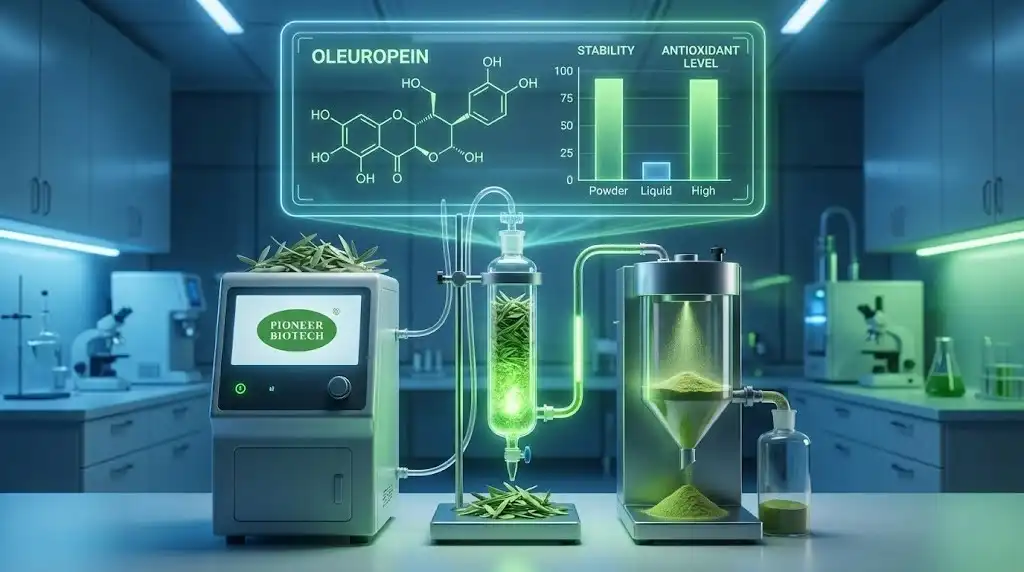
The raw olive leaves are processed in a complex way to make olive leaf extract powder, which is a concentrated plant element. To get certain phytochemical profiles, the production method usually starts with water-ethanol solvent extraction and then spray drying. This method increases the amount of beneficial polyphenols, especially oleuropein, which can be anywhere from 10% to 80%, based on the needs for standardization. The powder that is made has a mass density of 0.45 to 0.65 g/ml, which means it can be used in a number of industrial processes, such as high-speed encapsulation.
A completely different method is used to make olive oil, which involves pressing olive seeds mechanically or using solvents to remove the oil. The most natural chemicals are still in cold-pressed extra virgin olive oil. Refined oils go through more processing that gets rid of many beneficial substances. The most valuable part of the oil is its fatty acid makeup, especially oleic acid, which makes up about 70% of the overall fat content.
Chemical Composition and Bioactive Profiles
The chemistry makeup of these ingredients show why they are used in such different ways in industrial settings. The powdered olive leaf extract has high amounts of secoiridoids, flavonoids, and phenolic compounds that are antioxidants. These compounds have ORAC values that are much higher than those of vitamin C or green tea extract. The normal amount of oleuropein ensures that the bioactivity is the same across batches, which is very important for pharmaceutical and nutritional companies that need to know how their ingredients will work.
Monounsaturated fats make up most of olive oil. Vitamin E, squalene, and polyphenol substances are some of the other things that make it up. These bioactive chemicals are present, but not nearly as much as they are in the pure extract powder. The oil's main useful benefits come from its lipid makeup, not its strong antioxidant activity.
Comparing Health Benefits and Applications
Both ingredients have their own benefits that make them useful for different types of applications and market groups. Manufacturers need to weigh these benefits against their own product development goals and the needs of their target market.
Therapeutic Properties and Market Applications
Studies show that olive leaf extract powder works very well in situations where strong antibacterial and antioxidant effects are needed. Its use in heart health products is supported by clinical studies, and standardized extracts have been shown to help lower blood pressure and boost the immune system. Since the extract is very concentrated, it is possible to make therapeutic doses in smaller serving sizes. This makes it perfect for capsule and tablet formulas where room is limited.
Because the extract is stable at temperatures up to 180°C, it is very useful for functional food uses where processing would break down less stable ingredients. Food companies use this stability benefit to add to snacks, baked goods, and prepared foods to make them healthier. The extract works as both an ingredient and a natural preserve.
The monounsaturated fats in olive oil are known to be good for your heart. This is because they help keep your cholesterol levels healthy. Due to its moisturizing qualities and vitamin E content, olive oil is a good ingredient for skin care products. However, the fact that it is liquid and easily oxidized makes it difficult to use in some industrial settings.
Industry-Specific Advantages
When choosing between these ingredients, different businesses put different values on different traits. Pharmaceutical businesses like that olive leaf extract powder can be standardized, stays the same from batch to batch, and has well-documented testing methods. As long as GMP rules are followed, the powder form can be easily mixed into solid dose forms.
Nutraceutical companies like the extract because it can support multiple health claims with a single ingredient and has a clean label. The powder can be mixed with other plant extracts to make complicated mixtures that target a wide range of health issues.
Cosmetic makers often use olive leaf extract powder for anti-aging purposes because it has more concentrated hydroxytyrosol, which is better at removing free radicals than oils. Because the powder is safe in emulsion systems at pH levels between 5.0 and 6.5, it doesn't turn brown like weak antioxidants often do.
Quality, Form, and Packaging Considerations
Specifications for quality and packages have a big effect on buying choices, especially for companies that have to follow strict rules set by regulators. Knowing about these things helps buyers choose good providers and make sure that the standard of the products they get stays high.
Standardization and Quality Control
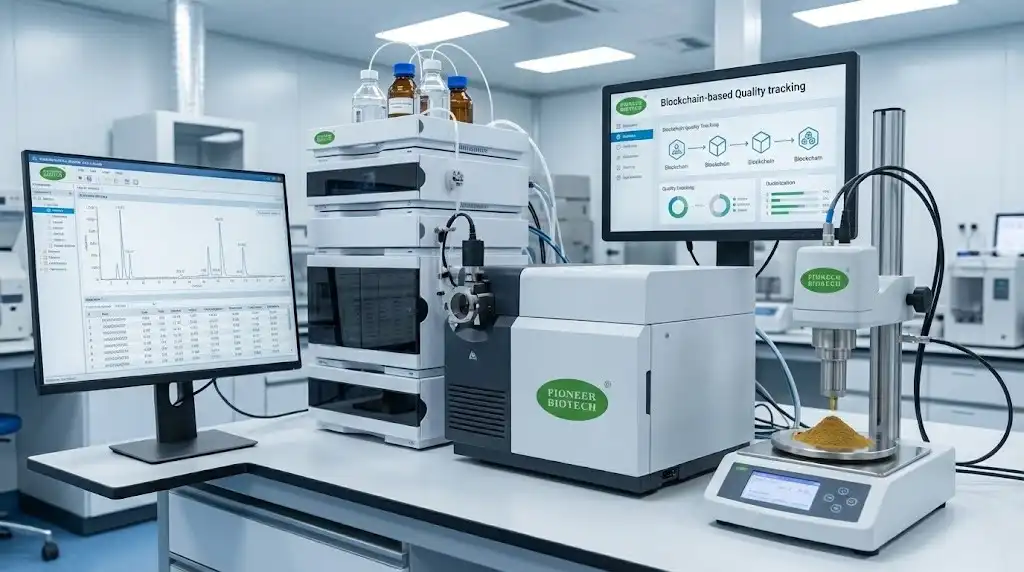
The quality of olive leaf extract powder rests a lot on how it is standardized and how it is checked analytically. Premium types use HPLC analysis to check the amount of oleuropein they contain, and records of analysis give information about the active ingredient concentrations for each batch. Pharmaceutical suppliers keep thorough records on the liquids used for extraction, the temperatures used for processing, and the results of microbiological tests.
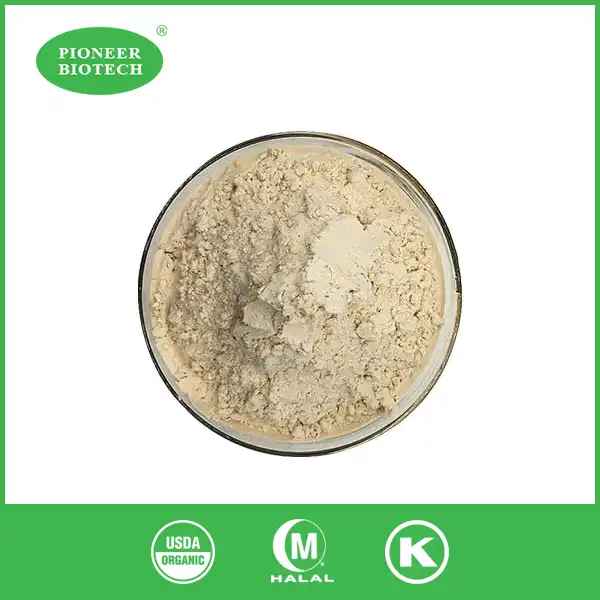
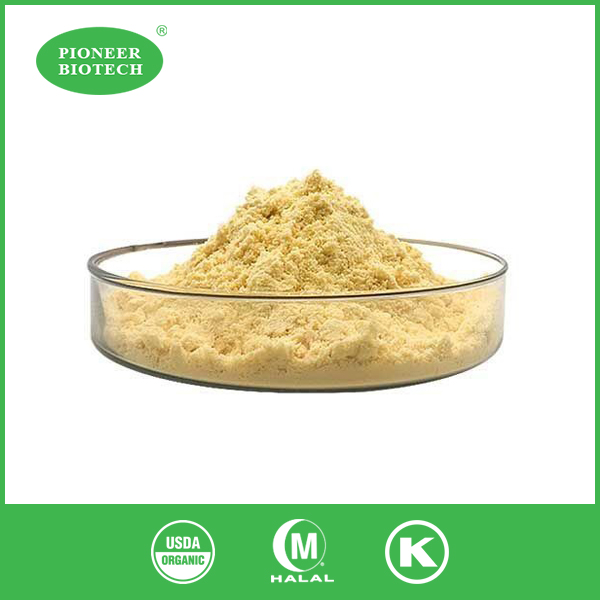
The extract usually looks like a brownish-yellow to greenish powder, and it has a bitter taste from the secoiridoid chemicals that make it up. For high-speed manufacturing, flow qualities are very important, and flow agents like silicon dioxide are often needed to keep things from caking up during processing. Water activity levels below 5% keep things stable for long stretches of time.
When judging the quality of olive oil, different factors are used, such as the acid value, the peroxide value, and the fatty acid makeup. Extra virgin types are more expensive because they have better taste qualities and more phenolic content. Refined oils are more stable, but they lose bioactive substances.
Packaging and Storage Requirements
Using the right packing keeps the integrity of the ingredients and increases the shelf life, which has a direct effect on the total cost of ownership for makers. To keep its free-flowing features and keep it from sticking, olive leaf extract powder needs to be packed in a way that keeps out moisture. There are many types of bulk packing, from 25 kg fiber drums to 500 kg flexible intermediate bulk containers. This lets makers handle their inventory more efficiently based on how much they make.
Light protection is needed to keep the antioxidant activity high, and for smaller amounts, suppliers use double-wall kraft bags with plastic covers. Temperature-controlled storage keeps sensitive chemicals from breaking down in hot weather, which is especially important during the summer shipping season.
Light-resistant containers and nitrogen washing are used in olive oil packing to keep the oil from going bad. For large packages, temperature-controlled stainless steel tanks are used. For smaller amounts, however, dark glass or special plastic containers that block UV rays are needed.
Procurement and Pricing Insights for B2B Buyers
To make good buying plans, you need to know a lot about how the market works, what suppliers can do, and how much the whole process will cost. To get the most out of their supply chain investments, smart buyers look at more than just unit price.
Supply Chain Considerations
Geographic buying affects both quality and price. For example, suppliers in the Mediterranean offer traditional knowledge, while suppliers in developing countries offer lower prices. The certifications that suppliers have, like organic, kosher, halal, and Fair Trade, affect both the prices of final goods and their market placement options.
Transportation costs have a big effect on overall procurement costs, especially for packages that need to be kept at a certain temperature and need controlled logistics. Air freight guarantees fast arrival, but it costs a lot more than ocean freight choices that are better for stable, non-perishable grades.
Vendor Evaluation Criteria
A good supplier evaluation looks at more than just prices; it also looks at the possibility for a long-term relationship. Analytical skills, good system documentation, and access to expert help are some of the most important things that are looked at when judging. Suppliers that offer private marking and unique extraction services give brands that want to stand out more value.
Manufacturing capacity and scalability become very important for brands that are growing and need to make sure they always have supplies. When it comes to supply security, suppliers with more than one production line and backup sourcing plans are better than those with only one location.
Regulatory support services, such as help with paperwork, regulatory filing support, and advice on how to enter a new market, are very useful for businesses that are growing into new areas or types of products.
Making the Right Choice: Olive Leaf Extract Powder or Olive Oil?
The choice of which option to use is eventually based on the needs of the application, the limitations of the design, and the business goals. Manufacturers have to find a mix between the needs for scientific ability, cost, and market positioning.
Application-Specific Decision Factors
Pharmaceutical and dietary uses often choose olive leaf extract powder because it is easier to standardize and has more concentrated bioactivity. Because the powder is stable and works with solid dosage forms, it is the first choice for makers who need to make sure that all of their products have the same therapeutic benefits.
Depending on the product shape and processing needs, either ingredient may be useful in functional food uses. For clear recipes, beverage makers often choose water-soluble extract grades. Bakery makers, on the other hand, like it when the extract stays stable at high temperatures during processing.
More and more, cosmetics are using olive leaf extract powder for high-end anti-aging formulas where the higher ingredient costs are justified by the concentrated antioxidant activity. Because the powder works with current cosmetic delivery methods, it gives formulators more options than oils do.
Strategic Partnership Considerations
Building smart ties with suppliers that go beyond just getting basic ingredients is often key to long-term success. Suppliers who offer expert support, help with formulation, and resources for market growth give businesses a competitive edge that lets them charge more.
Custom extraction lets brands make their own products that help with intellectual property plans and setting themselves apart in the market. Innovative businesses can get a lot of value from suppliers who are willing to spend in exclusive deals or co-development projects.
Contract makers can offer complete solutions to their customers through private labels, which helps them keep their profit margins high. When suppliers offer flexible packing and paperwork services that help these business models, they become valuable strategic partners.
Conclusion
Choosing between olive leaf extract powder and olive oil relies on the needs of the product, the quality standards, and the business goals. The concentrated bioactivity, standardization benefits, and formulation freedom of olive leaf extract powder make it perfect for medicinal, nutraceutical, and cosmetic uses that need to keep the beneficial effects constant. There is a lot of evidence that olive oil is good for your heart and skin. Its fatty makeup and long history of use help the market accept it. To do a good job of procuring things, you need to look at more than just prices when comparing providers' quality systems, compliance with regulations, and ability to form long-term partnerships. When manufacturers work with suppliers who know the needs of their business and can offer technical help during the product development process, both parties gain.
FAQ
What are the main differences between olive leaf extract powder and olive oil?
The concentrated plant ingredient olive leaf extract powder comes from olive leaves and is made by solvent extraction and spray drying. It has standard amounts of antioxidants like oleuropein. Olive oil comes from olive trees and is mostly valued for the monounsaturated fats that they contain. The extract powder has a lot of antioxidant power, and olive oil has fatty acids and other health benefits that are common to olive oil.
Which ingredient is better for supplement formulations?
Because it has more concentrated bioactivity, uniform potency, and can be used with solid dosage forms, olive leaf extract powder usually works better in supplement uses. The powder lets companies make appropriate doses in smaller serving sizes while still keeping the accuracy from batch to batch that is needed to follow the rules.
How do the storage needs for these items different?
To keep its antioxidant qualities and stop it from clumping, olive leaf extract powder needs to be stored in containers that won't let water in and are shielded from light. To keep olive oil from going rancid, it needs to be kept away from light, heat, and air. This is usually done in dark barrels and in cool places. Both ingredients work better when they are stored in places that keep the temperature stable.
Partner with Pioneer Biotech for Premium Olive Leaf Extract Solutions
Pioneer Biotech is your reliable source for olive leaf extract powder. We have been in business for over ten years and have state-of-the-art manufacturing facilities in the famous "Medicine Herbs Valley of Qinling Mountains." Our ISO9001, HALAL, KOSHER, and FDA-certified facility guarantees consistent quality and regulatory compliance for your most demanding applications. We are experts in providing standardized olive leaf extract powder with oleuropein levels ranging from 10% to 80%. This powder is used in pharmaceutical, nutraceutical, and cosmetic products and comes with full analysis documentation. Our technical team offers formulation support, custom standardizations, and private marking services that help your goods stand out in places where there are a lot of other options. Email our team at sales@pioneerbiotech.com to talk about your unique needs and find out how our olive leaf extract powder for sale can help you make your product development more successful.
References
Benavente-García, O., et al. "Antioxidant activity of phenolics extracted from Olea europaea L. leaves." Food Chemistry, 2000, 68(4), 457-462.
Somova, L. I., et al. "Cardiovascular, antihyperlipidemic and antioxidant effects of oleuropein and hydroxytyrosol-rich extracts from olive leaves." Journal of Ethnopharmacology, 2003, 84(2-3), 299-305.
Lee-Huang, S., et al. "Anti-HIV activity of olive leaf extract (OLE) and modulation of host cell gene expression by HIV-1 infection and OLE treatment." Biochemical and Biophysical Research Communications, 2003, 307(4), 1029-1037.
Petkov, V., & Manolov, P. "Pharmacological analysis of the iridoid oleuropein." Drug Research, 1972, 22(9), 1476-1486.
Visioli, F., et al. "Olive oil phenolics and their potential effects on human health." Journal of Agricultural and Food Chemistry, 1998, 46(10), 4292-4296.
Perrinjaquet-Moccetti, T., et al. "Food supplementation with an olive (Olea europaea L.) leaf extract reduces blood pressure in borderline hypertensive monozygotic twins." Phytotherapy Research, 2008, 22(9), 1239-1242.