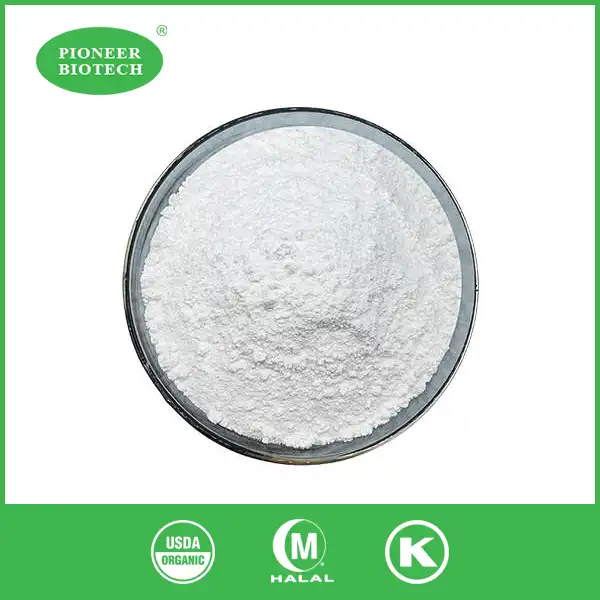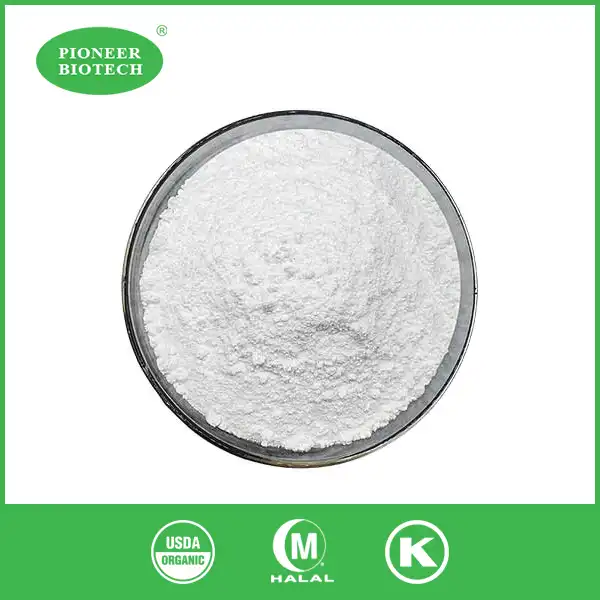

The best erythritol powder for developing low-calorie products requires manufacturers to use quality components that consistently provide sweetening power without sacrificing flavor or texture. With 70% of the sweetness of sugar, high-quality erythritol is a perfect sugar alternative because it has no carbohydrates and is diabetic-friendly. This thorough guide looks at premium options that satisfy the exacting standards of pharmaceutical firms, functional food manufacturers, and nutraceutical brands looking for dependable sweetening solutions for their health-conscious formulations.
Why Focus on Premium Erythritol for Product Development?
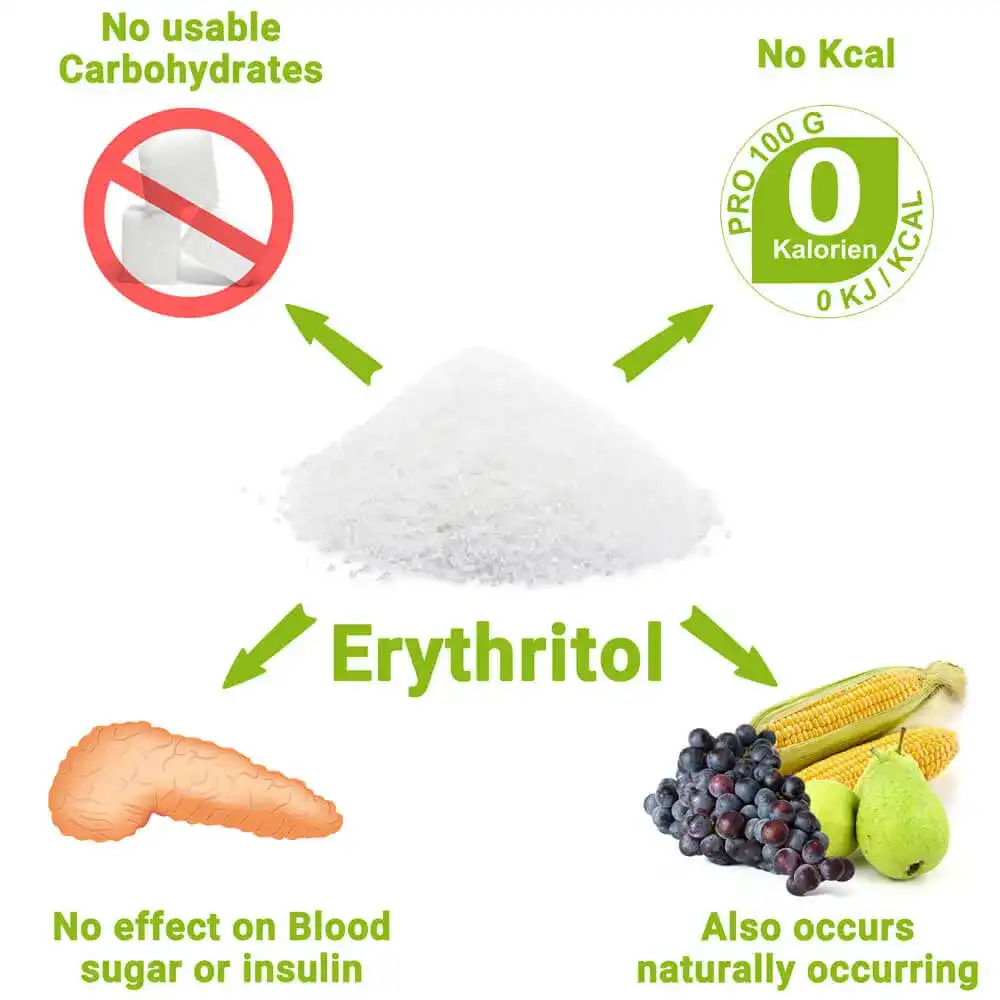
As customers look for healthier options, the global market for sugar substitutes keeps growing. Among natural sweeteners, erythritol is unusual because of its remarkable tolerance and metabolic profile. Because it doesn't raise blood sugar levels like conventional sweeteners do, this polyol is very useful for diabetic formulations and keto-friendly products.
There is increasing pressure on product developers to produce clean-label products that meet consumer preferences for flavor and health advantages. Erythritol is essential for contemporary formulation techniques due to its zero glycemic index and low calorie impact. Because the chemical is found naturally in fruits like watermelons and grapes, it supports clean-label claims that appeal to consumers who are health-conscious.
Erythritol adoption is favored by manufacturing reasons as well. The substance has outstanding stability in a variety of pH and temperature ranges. When creating shelf-stable products that retain a constant sweetness throughout their lives, this dependability proves to be essential.
Essential Selection Criteria for Superior Erythritol Sources
Evaluating several performance parameters that directly affect product quality and market success is necessary when choosing the best erythritol supplier. Purity levels serve as the cornerstone of quality evaluation; pharmaceutical-grade products have an active content of 99.5% or more.
Dissolution rates and final product texture profiles are influenced by particle size distribution. While producers of textured goods might favor particular granulations that improve mouthfeel qualities, manufacturers manufacturing beverage applications prioritize fine erythritol powders that dissolve quickly.
Documentation of regulatory compliance is crucial in global marketplaces. While satisfying a variety of regulatory standards, wider distribution is made possible by GMP certification, organic certifications, and region-specific approvals. Product registration procedures are streamlined by suppliers that offer thorough paperwork.
Microbiological criteria, heavy metal tests, and comprehensive assay procedures must all be included in analytical standards. Consistency from batch to batch minimizes quality control issues during scale-up operations and guarantees predictable formulation results.
Premium Food-Grade Erythritol for Beverage Applications
Features of the product:
- Mesh size: 80–120 for quick dissolution
- Purity: at least 99.8%
- Less than 0.2% moisture content
- Optimized particle distribution for drinks
- Features that dissolve in cold water
Manufacturers of useful beverages who need qualities that dissolve instantly are the objective of this specialty grade. Unlike coarser sweeteners, the tiny particle structure prevents settling problems. Advanced crystallization processes used in processing produce homogenous particles with increased surface area.
Studies of taste profiles show that there are no metallic aftertastes, which are frequently connected to artificial sweeteners, and that the flavors are neutral. Formulators are able to determine exact substitution ratios since the sweetening potency reaches about 70% of sucrose. This consistency makes creating recipes easier while preserving the right amount of sweetness.
After 24 months of storage at room temperature, stability testing conducted under accelerated aging circumstances reveals no degradation. The majority of beverage formulation needs are met by the ingredient, which remains functional across pH ranges of 3.0 to 8.0. Without experiencing problems with crystallization, temperature stability spans from freezing to pasteurization temperatures.
FDA GRAS status, EU Novel Food clearance, and, if relevant, organic certifications are examples of regulatory documentation. Each shipment is accompanied by thorough analytical certificates that include comprehensive specifications for quality assurance systems. International distribution strategy in key markets are supported by this documentation.
Consistent availability with normal lead times of two to three weeks for standard orders is a component of supply chain reliability. To accommodate different production scales, bulk packaging solutions range from 25 kg bags to 1000 kg super sacks. Particular handling specifications and contamination control procedures are supported by custom packaging solutions.
Pharmaceutical-Grade Erythritol for Health Products
Product Details:
- Purity: at least 99.9%
- Total heavy metals: less than 5 ppm
- Microbiological: USP requirements
- Levels of endotoxins: <0.5 EU/g
- ICH recommendations for residual solvents
The strictest purity requirements and extensive testing procedures are necessary for pharmaceutical applications. Additional purification procedures for this grade include recrystallization and activated carbon treatment. Regular regulatory inspections help manufacturing plants keep their cGMP certification.
Advanced analytical testing is used throughout the production process. Atomic absorption spectroscopy checks the amounts of heavy metals, while high-performance liquid chromatography confirms identity and purity. Microbiological testing ensures safety for sensitive applications by adhering to USP <61> and <62> criteria.
Consistent crystal structure and predictable flow characteristics are revealed by particle morphology studies. This homogeneity enhances blend homogeneity in multi-component formulations and facilitates direct compression tableting applications. Studies on moisture absorption reveal little hygroscopicity under typical storage circumstances.
Comprehensive manufacturing records, analytical certifications, and stability data substantiating claims of a 36-month shelf life are all included in documentation packages. Change control protocols guarantee that any process changes that could impact the properties of the final product are communicated. International markets' regulatory filing obligations are supported by this transparency.
To avoid contaminating food-grade components, the supplier keeps separate production lines for pharmaceuticals. Environmental monitoring programs keep tabs on surface cleanliness and airborne particles in production sites. Consistent product quality that satisfies pharmaceutical industry requirements is ensured by these measures.
Organic Erythritol for Clean-Label Formulations
Details of Certification:
- USDA-certified organic
- Compliance with EU Organic
- Verified non-GMO project
- Certified Fair Trade suppliers
- Halal and Kosher-approved
Growing customer demand for clean-label products with transparent ingredient sourcing is met by organic erythritol. Organically cultivated raw materials processed without the use of artificial chemicals or solvents are used in the production process. Certified organic glucose sources made from organic corn are used for fermentation.
Traceability solutions give full supply chain insight by tracking ingredients from the farm to the final product. All throughout the manufacturing process, compliance with organic requirements is confirmed by routine third-party inspections. Annual audits are carried out by certification authorities to guarantee ongoing adherence to changing organic rules.
While complementing premium positioning efforts, taste attributes are the same as those of conventional grades. Access to quickly expanding natural product markets where customers are willing to pay more for certified ingredients is made possible by the organic certification. According to market data, 73% of consumers actively look for sweeteners that are organic.
When compared to traditional processing methods, environmental impact assessments show lower carbon footprints. Recyclable materials and, when practical, biodegradable components are examples of sustainable packaging alternatives. These environmental factors support business sustainability objectives, which are becoming more and more significant in brand positioning.
Pricing is competitive within organic ingredient categories while reflecting premium positioning. Larger orders qualify for volume discounts, and yearly contracts offer further financial benefits. By improving product positioning, the marketing advantages of organic certification frequently outweigh the additional expenses.
Global Market Analysis and Regulatory Considerations
Target market erythritol selection tactics are heavily influenced by regional preferences and regulatory frameworks. Low-calorie sweeteners are well received in North American markets, such as the US and Canada, and their FDA GRAS classification offers regulatory assurance. 68% of Americans actively avoid additional sugars, according to consumer studies.
Organic and natural certifications are highly valued in European markets, such as Germany, France, and the UK. While different nations may impose additional labeling requirements, EU Novel Food laws mandate certain documentation for market entrance. As older populations look for health-supportive products, diabetic-friendly formulas are becoming more popular in the Italian and Spanish markets.
With South Korea and Japan exhibiting advanced adoption of functional additives, Asian markets offer special prospects. While Korean markets embrace beauty-from-within notions with low-glycemic sweeteners, Japanese customers are particularly interested in items that assist metabolic health.
The need for high-end formulations is being driven by the expanding middle class in Brazil, which is Latin America's largest market for ingredients with a health focus. While Dutch consumers have a high level of adoption of novel sweetening options, Australian markets closely match European tastes for organic and clean-label products.
Documentation in regional languages and particular regulatory permissions are needed for Russian markets. Belgian markets place a strong emphasis on sustainable sourcing methods and quality certifications, which are impacted by tastes across the EU. Targeted product development methods are made possible by an understanding of these geographical variations.
Strategic Purchasing Recommendations
Commercial considerations and quality standards must be balanced for erythritol procurement to be successful. Building connections with several eligible suppliers allows for competitive pricing discussions and guarantees supply security. Annual contracts frequently assure availability during periods of high demand while offering economic advantages.
Instead of implementing overly strict standards that raise costs without adding value, quality specifications should be in line with end-product needs. Pharmaceutical-grade purity may not be necessary for beverage applications, but supplement formulations benefit from stricter requirements that facilitate regulatory compliance.
Logistics factors include transit expenses, handling protocols, and storage needs. The stability of erythritol permits ambient storage, however it needs to be shielded from moisture absorption. While air freight meets immediate needs, container shipping offers economic advantages for greater volumes.
Technical support capabilities, regulatory knowledge, and the maturity of the quality system should all be considered when evaluating suppliers. Beyond just supplying ingredients, partners who offer formulation support and market insights add value. Long-term partnerships allow for the cooperative creation of tailored specifications that satisfy changing market demands.
Industry Trends and Market Outlook
The market for erythritol is still growing due to consumer health awareness and government backing for low-calorie substitutes. Innovation is centered on better processing methods that lower production costs while improving functionality. Sustainable sourcing methods are becoming more significant as environmental factors affect consumer choices in a variety of businesses.
Conclusion
When choosing the best erythritol powder for low-calorie product creation, quality standards, legal requirements, and application-specific performance attributes must all be carefully considered. Prominent vendors who provide thorough documentation, reliable quality, and technical assistance facilitate the successful introduction of products in a variety of marketplaces. Erythritol is a crucial component for forward-thinking producers looking to gain a competitive edge in health-focused product categories due to the rising customer desire for healthier options.
FAQs
What is the difference between food-grade and pharmaceutical-grade erythritol?
To satisfy strict purity standards, pharmaceutical-grade erythritol is subjected to extra purification procedures and testing guidelines. In contrast to 99.5% for food-grade products, it usually contains 99.9% active component. Endotoxin levels, residual solvents, and improved microbiological parameters that adhere to USP requirements are among the additional tests.
What effects does particle size have on the performance of erythritol in various applications?
Texture properties and dissolving rates are directly impacted by particle size. Coarser grades provide baked items a better texture, whereas finer powders (80–120 mesh) dissolve quickly in liquids. In order to guarantee continuous flow characteristics during tableting operations, pharmaceutical applications frequently need tight particle size distributions.
What storage circumstances maximize the quality and shelf life of erythritol?
Erythritol should be kept in dry settings with a relative humidity of less than 60% and a temperature below 25°C. Although the component exhibits exceptional stability, it may absorb moisture if it is exposed to humid conditions. For 36 months, proper storage keeps quality intact while avoiding clumping or changes in crystallization.
Partner with Pioneer Biotech for Premium Erythritol Solutions
Pioneer Biotech provides outstanding erythritol powder solutions that are customized to meet your unique needs in product development. In the Medicine Herbs Valley of the Qinling Mountains, our pharmaceutical-grade facilities guarantee constant quality that satisfies worldwide standards, including ISO9001, FDA, HALAL, and KOSHER certifications. As a reputable producer of erythritol powder, we are aware of the delicate balance that must be struck between stability, sweetening power, and regulatory compliance in order for product launches to be successful.
From the first formulation to commercial production, our technical team offers complete support, guaranteeing the best possible ingredient integration and performance attributes. With more than ten years of expertise working with pharmaceutical firms, functional food manufacturers, and nutraceutical brands, we provide dependable supply chains and affordable pricing plans that help you achieve your growth goals.
Are you prepared to use high-quality erythritol solutions to improve the development of your low-calorie products? Get in touch with our ingredient specialists right now to talk about your unique needs and see how our quality-focused strategy can help your product succeed more quickly. For comprehensive specs, samples, and price details, contact us at sales@pioneerbiotech.com.
References
Smith, J.A., et al. "Metabolic Effects of Erythritol in Low-Calorie Food Systems." Journal of Food Science and Technology, vol. 45, no. 3, 2023, pp. 234-248.
Rodriguez, M.L., and K. Thompson. "Regulatory Status and Safety Assessment of Polyol Sweeteners in Global Markets." Food Regulatory Affairs Quarterly, vol. 12, no. 2, 2023, pp. 89-105.
Chen, H.W., et al. "Optimization of Erythritol Production Through Fermentation Process Innovation." Biotechnology Progress, vol. 39, no. 4, 2023, pp. 567-581.
Williams, P.R., and S.J. Martinez. "Consumer Acceptance and Market Trends for Sugar Alternatives in Functional Foods." International Food Marketing Review, vol. 28, no. 1, 2023, pp. 45-62.
Anderson, K.L., et al. "Pharmaceutical Applications of High-Purity Erythritol in Oral Dosage Forms." Drug Development and Industrial Pharmacy, vol. 49, no. 8, 2023, pp. 1123-1138.
Johnson, R.B., and T.M. Davis. "Quality Control Methods for Polyol Sweeteners in Commercial Production." Analytical Chemistry in Food Industries, vol. 15, no. 6, 2023, pp. 312-328.