
It's not enough to just compare price and general specs to find the right heme iron polypeptide powder. For supplement makers, drug companies, and functional food brands, the performance of the final product is affected by the quality of the ingredients, production standards, application needs, and the dependability of the supplier. Compared to other iron ingredients, heme iron polypeptide is valued for its special structure, high bioavailability, and better tolerance in general. To find a good provider of ingredients, you need to carefully look at their quality control systems, testing methods, legal paperwork, and production skills. Pioneer Biotech helps people who are making functional and nutritional supplements by giving them heme iron polypeptide powder solutions. This guide talks about the most important things that companies should think about when choosing heme iron ingredients for their products.
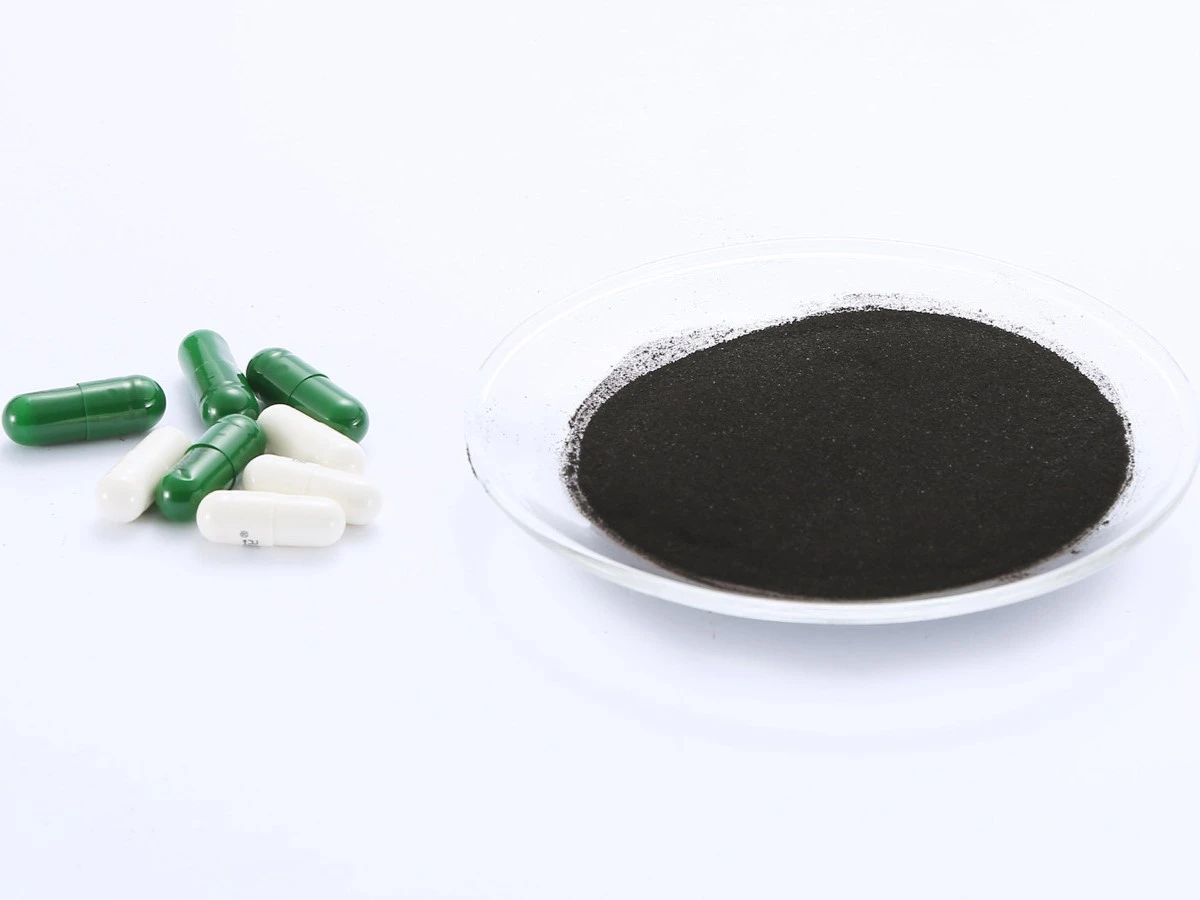
Understanding Heme Iron Polypeptide Technology
Iron is an important mineral that helps the body carry oxygen, use energy, and do other normal things. Traditional non-heme iron sources, on the other hand, can be absorbed differently depending on what you eat and how they combine with other nutrients. The heme iron structures that are naturally found in animal proteins are used to make heme iron polypeptide. Iron and peptide parts are mixed under controlled conditions to make an ingredient that is meant to be used in nutrition. The peptide structure helps keep the iron stable and may make it easier for supplement formulas to work with it. Heme iron ingredients are often chosen by makers who want more recipe options and better customer acceptance than some other types of iron salts.
Manufacturers of goods with heme iron polypeptide powder should think about a number of things: elemental iron content; purity of ingredients; stability during processing; compatibility with other nutrients; and the rules and regulations in the markets that the products are meant for. Whether it's for pills, tablets, powders, or useful food items, the right ingredient criteria should match the job.
Key Quality Specifications for Heme Iron Polypeptide Powder
One of the most important things to think about when looking for healthy foods is quality control. Reliable manufacturers should help with product development by giving clear specifications and test records.
Elemental Iron Content
The elemental iron content of heme iron polypeptide powder depends on the manufacturing process and ingredient specifications. Buyers should confirm:
- declared iron content;
- testing methods;
- batch-to-batch consistency;
- specification documents.
Analytical methods such as atomic absorption spectroscopy or other validated testing technologies may be used to determine iron levels.
Rather than focusing only on iron concentration, product developers should evaluate the balance between iron content, bioavailability, stability, and application requirements.
Purity and Safety Testing
A qualified supplier should have comprehensive quality testing procedures covering:
- microbiological analysis;
- heavy metal testing;
- moisture content;
- physical properties;
- stability evaluation.
Heavy metal control is especially important for mineral-related ingredients because contamination risks must be carefully managed throughout sourcing and manufacturing.
Testing documentation, including certificates of analysis (COA), helps customers verify that each batch meets agreed specifications.
Physical Properties and Processing Performance
For supplement manufacturers, the physical characteristics of powder ingredients directly affect production efficiency.
- Important factors include:
- particle size distribution;
- flowability;
- solubility characteristics;
- compatibility with other ingredients.
For example, powder characteristics can influence capsule filling, tablet compression, and blending uniformity.
Therefore, suppliers should provide technical information that helps customers evaluate whether the ingredient is suitable for their production process.
Manufacturing Standards and Supplier Quality Systems
Choosing a supplier with strong manufacturing controls can help lower the risks that come with developing and selling a product.
GMP-Based Manufacturing Practices
Good Manufacturing Practices (GMP) provide a framework for controlling production processes, sanitation, documentation, and quality management.
When evaluating a heme iron polypeptide powder supplier, buyers should review:
- manufacturing facility standards;
- quality management procedures;
- raw material control systems;
- batch documentation practices.
A reliable manufacturing system helps ensure consistent ingredient quality across different production batches.
Certifications and Compliance Documentation
Different markets may require different regulatory documentation. Before purchasing, companies should confirm which certifications and documents are available for their target applications.
Common documents buyers may request include:
- certificate of analysis (COA);
- product specification sheet;
- manufacturing information;
- quality certificates;
- regulatory support documents.
Certifications such as ISO9001, HALAL, or KOSHER may also be important depending on customer requirements and target markets.
How to Evaluate a Heme Iron Polypeptide Powder Supplier
Choosing the right supplier involves more than reviewing a product catalog. A long-term ingredient partner should provide technical support, documentation, and reliable communication.
Review Technical Capability
Professional suppliers should be able to provide:
- detailed product specifications;
- analytical information;
- application guidance;
- technical responses during product development.
This support can help companies avoid formulation problems and shorten development timelines.
Check Quality Documentation
Before cooperation, buyers should request relevant quality documents, such as
- COA reports;
- testing information;
- production specifications;
- quality control procedures.
Transparent documentation allows manufacturers to evaluate whether the ingredient meets their internal standards.
Consider Supply Stability
Supply reliability is essential for commercial products. Companies should evaluate:
- production capacity;
- lead time;
- inventory management;
- communication efficiency.
A stable supply chain helps brands maintain consistent product availability after launch.
Application Considerations for Heme Iron Polypeptide Powder
The best heme iron ingredient depends on the format of the final product, the people who will be buying it, and the rules that need to be followed. For different uses, you might need to think about different processing and specification issues.
Dietary Supplements
Eme iron polypeptide powder is often found in pills, tablets, and powder mixes that are sold as nutritional supplements.
Important things for supplement makers to think about are compatibility with other active ingredients, stability during storage, correct dosage design, and acceptance by the consumer.
When heme iron is mixed with other nutrients, producers should look at how the ingredients affect each other and make sure the end formula stays good for as long as it's stored.
Functional Foods and Beverages
When functional foods are used, they often need extra attention to taste, color, spreadability, and stability during processing.
Because food and drink processes are so different, choosing ingredients should take into account how the end product will be made.
For instance, companies that make powdered nutrition products might focus on how well they blend, while companies that make drinks might put more emphasis on how well the ingredients are spread out and how they taste.
Pharmaceutical and Specialized Nutrition Applications
The paperwork needed for medicine or specialized food items is generally longer and more detailed.
Businesses may need more information about the following: Methods of production, norms for quality, analysis tools, and facts on reliability.
Working with suppliers who know what kinds of paperwork are needed by regulators can help speed up the product development process.
Dosage Considerations and Safety Information
The right amount of heme iron polypeptide depends on what it will be used for, who it is meant for, and the market's regulatory needs.
When making a product, the dose should be based on recommended daily intake requirements, the amount of elemental iron provided, the reason for supplementation, and the rules that apply.
Because different groups of people have different iron needs, makers should carefully make mixtures and give users the right instructions.
It is important to be careful when developing long-term iron supplements, keeping safety in mind and following all health rules.
When making finished goods, companies should make sure that the labeling, dosage instructions, and claims meet the needs of the people they want to sell them to.
Why Supplier Selection Matters for Product Success
Having a good ingredient is only one part of making a good product. The end result is also affected by the supplier's professional skills, how well they communicate, and their quality control system. A trustworthy company that sells hemi-iron polypeptide powder should be able to help customers with:
Product Development Support
Technical assistance during formulation can help customers evaluate:
- suitable product formats;
- ingredient compatibility;
- specification requirements;
- processing considerations.
This cooperation is especially valuable for companies developing new nutritional products.
Quality Transparency
Clear communication about manufacturing and testing helps build long-term partnerships.
Suppliers should be prepared to provide:
- product specifications;
- quality documentation;
- batch information;
- technical responses.
Transparent quality management reduces uncertainty during purchasing and production.
Flexible Business Cooperation
Depending on what stage of business they are in, each customer has different needs.
Smaller-scale development help may be needed for new brands, while stable commercial supply may be needed for established manufacturers.
Throughout the lifetime of a product, a seller who knows about these differences can offer better options.
Conclusion
To choose the best heme iron polypeptide powder, you need to carefully look at the quality of the ingredients, the manufacturing standards, the needs of the application, and the supplier's abilities. For people who make products and buy them, the most important things are not just how well the ingredients work, but also how consistent they are, how well the paperwork works, and how reliable the supply will be in the long run. Companies can better handle formulation problems and make nutritional products that meet market expectations if they work with an experienced ingredient supplier. Pioneer Biotech is dedicated to providing customers with dependable heme iron ingredient options and expert technical help while their products are being developed.
Partner with Pioneer Biotech for Premium Heme Iron Solutions
Pioneer Biotech specializes in providing nutritional ingredient solutions, such as heme iron polypeptide powder, to companies that make supplements and functional nutrition products. Pioneer Biotech helps customers with product specifications, quality documentation, and technical communication during the development process. They have experience making ingredients and managing quality. To meet the needs of customers in a variety of markets, our quality systems can comply with ISO9001, HALAL, KOSHER, and FDA rules. Advanced testing methods and production controls help make sure that the quality of the products stays the same. Pioneer Biotech can help you figure out what ingredients you need and find good solutions, whether you are making capsules, tablets, powder blends, or other nutritional products. For information about product specs, technical details, or ways to work together, please contact sales@pioneerbiotech.com.
References
Lynch, S.R. “The effect of calcium on iron absorption.” Nutrition Research Reviews, vol. 13, no. 2, 2000, pp. 141–158.
Zimmermann, M.B. and Hurrell, R.F. “Nutritional iron deficiency.” The Lancet, vol. 370, no. 9586, 2007, pp. 511–520.
Hurrell, R. and Egli, I. “Iron bioavailability and dietary reference values.” American Journal of Clinical Nutrition, vol. 91, no. 5, 2010, pp. 1461S–1467S.
Cook, J.D. “Diagnosis and management of iron-deficiency anemia.” Best Practice & Research Clinical Haematology, vol. 18, no. 2, 2005, pp. 319–332.
Abbaspour, N., Hurrell, R., and Kelishadi, R. “Review on iron and its importance for human health.” Journal of Research in Medical Sciences, vol. 19, no. 2, 2014, pp. 164–174.
Pasricha, S.R., et al. “Iron supplementation benefits physical performance in women of reproductive age: a systematic review and meta-analysis.” Journal of Nutrition, vol. 144, no. 6, 2014, pp. 906–914.