
Yeast Extract Trends in Clean Label Food Development
The clean label food movement is still changing how companies choose their ingredients, and yeast extract is becoming an important option for companies that want to add natural taste without changing the purity of their product. As customer demand for clear and easily identifiable ingredients grows, food companies are looking more and more to yeast extract as a flexible, naturally-derived alternative to synthetic preservatives. This change is more than just a trend; it means that the industry will have to completely change how it handles taste, nutrition, and clean label rules across a wide range of product categories.
Understanding Yeast Extract in Clean Label Foods
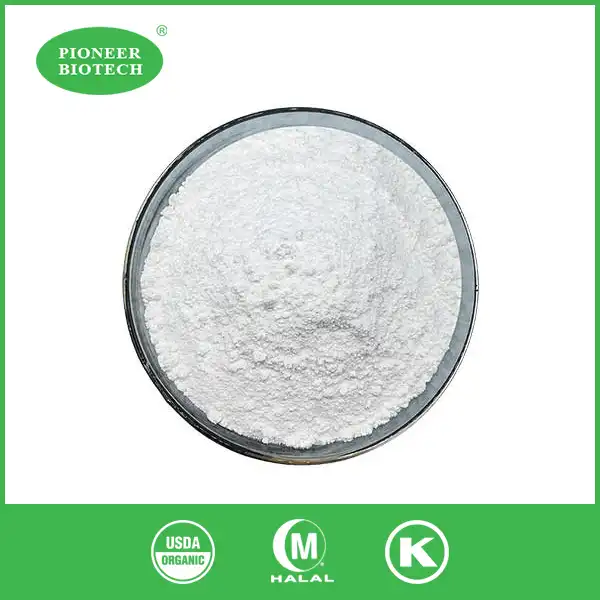
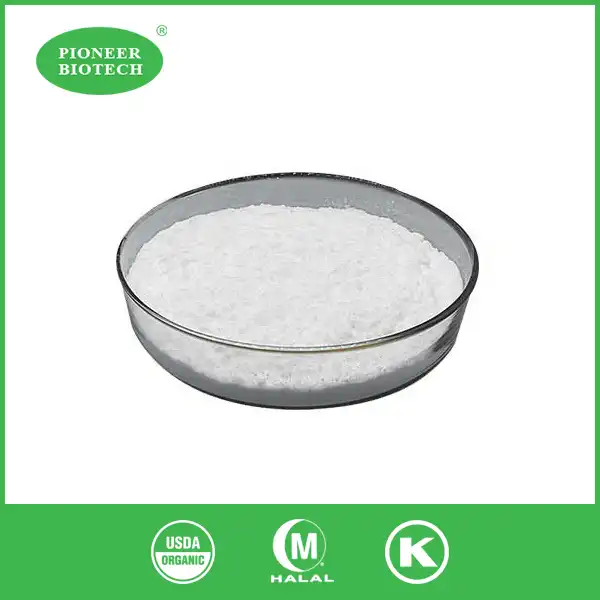
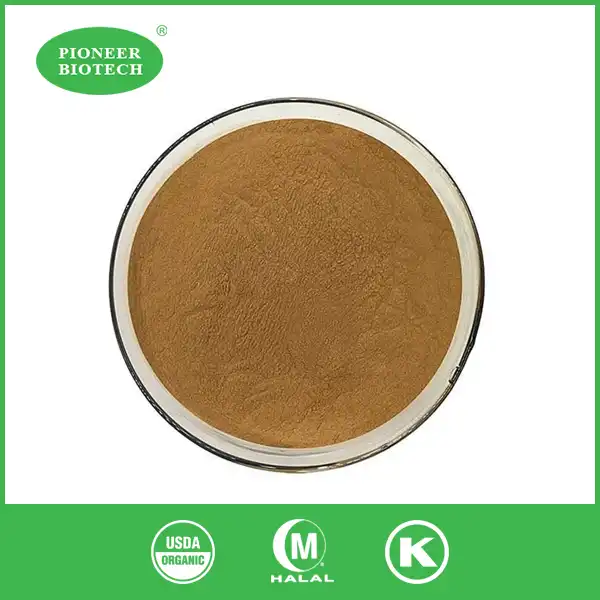
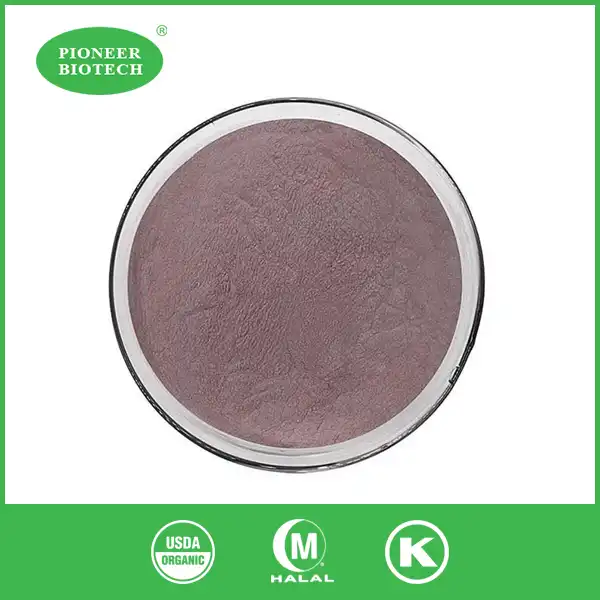
Yeast extract is one of the most advanced naturally-derived taste enhancers that food makers can use today. During the production process, yeast cells (mostly Saccharomyces cerevisiae) are managed to hydrolyze, which breaks down proteins inside the cells into soluble amino acids, peptides, sugars, and nucleotides. In contrast to simple yeast preparations, the cellular walls are carefully taken away during processing. This concentrates the flavor-active chemicals that give food its unique umami taste that people love.
The final ingredient has high levels of B vitamins, amino acids, and naturally occurring glutamates that give food flavor without the need for artificial chemicals. This natural mix is great for clean label requirements because it gives makers an ingredient that is clear and easy for customers to understand. The process doesn't need any man-made chemicals or changes, so it stays true to the standards that clean label products require.
These days, clean label rules stress using chemicals that people know, can identify, and trust. These conditions are met by yeast extract, which also has useful benefits that synthetic options often can't match. When found correctly, the ingredient automatically meets the requirements for being vegan, gluten-free, and non-GMO, meeting a number of dietary restrictions with a single ingredient.
Yeast extract is recognized as a natural flavoring agent by regulatory systems across global markets, which makes labeling requirements and compliance easier for foreign brands. Because the ingredient has been used safely for a long time, it doesn't have to go through as many regulatory hurdles as younger synthetic options do. This clear regulation gives buying teams peace of mind when they need to scale up formulas for different product lines and markets.
In addition to making foods taste better, yeast extract adds important nutritional value to them. The ingredient offers concentrated B-complex vitamins, such as riboflavin, niacin, and folate, which helps companies make goods with better nutritional profiles. Because these vitamins are already found in yeast cells, they don't need to be added artificially in many situations.
There are both important and non-essential amino acids in good yeast extract that help the quality of proteins in plant-based products. Because it can both improve flavor and add to nutrition, yeast extract is very useful for companies that are making functional foods that need to offer both without compromising the purity of the clean label.
Comparison of Yeast Extract with Alternative Flavor Enhancers
There are a lot of synthetic choices for improving flavors, and each one has its own pros and cons that procurement workers need to carefully consider. Monosodium glutamate (MSG) has a strong taste effect, but consumers don't like it because of how it makes them feel, even though it has been shown to be safe. Hydrolyzed veggie proteins add savory notes, but they usually need to be broken down with acid, which makes unwanted chemicals and makes it harder to keep the label clean.
When it comes to market positioning, yeast extract powder is better than these manufactured options. Consumer acceptance has always been high. In fact, study shows that over 78% of consumers like yeast extract better than synthetic flavor boosters. This acceptance directly leads to fewer marketing problems and more trust in the brand, which is especially important for presenting high-end products.
When it comes to organic and natural products, the clean label edge stands out even more. Synthetic replacements need a lot of marketing and explanation, but yeast extract talks to people easily if they know about fermentation and traditional food processes. This natural knowledge makes it easier for brands to teach, which supports tactics that charge higher prices.
Yeast extract is in the same category as nutritional yeast, fermented soy products, and mushroom extracts as natural taste boosters. Nutritional yeast has about the same amount of B vitamins as yeast extract, but it doesn't have the same strong flavor effect. Fermented soy products have complicated flavors, but they can be allergen-prone and have supply chain problems that many producers would rather not have.
Mushroom products are an interesting option, especially for uses that are vegetarian or vegan. But these ingredients often need to be used in much higher amounts to have the same effect on flavor, which can raise the cost of preparation and change the texture patterns. Because yeast extract delivers flavors more strongly, it can be used at lower rates while still keeping a clean label position.
When you look at the range of uses for yeast extract, you can see how useful it is for being flexible. Many natural choices are better at certain things than others, but yeast extract works well in all of them, including drinks, snacks, ready-made meals, and supplements. This flexibility makes managing inventory of ingredients easier and makes it easier for multi-category producers to find suppliers.
Allergen management is an important thing for modern food makers to think about because regulations are getting stricter around the world. When handled and supplied correctly, yeast extract is usually considered allergen-free by major regulatory bodies, such as FDA and EU standards. Unlike soy-based options, which need allergen disclosures and formulation restrictions, this position is a good thing.
A lot of study has been done on yeast extract, and it has been used safely for decades by a wide range of people. Studies on toxicology consistently show safety margins well above normal usage levels. This gives makers peace of mind when making goods for vulnerable groups like children and the elderly. This well-known safety record lowers governmental risks and speeds up the time it takes to make new products.
Quality yeast extract goes through strict testing procedures to make sure it doesn't contain any harmful substances, such as heavy metals, chemical leftovers, or microbiological threats. Leading suppliers use complete quality systems that go above and beyond basic food safety rules. This gives makers serving high-end markets or sensitive uses extra peace of mind.
Emerging Trends in Yeast Extract Production and Application
When it comes to making yeast extract, new ideas are mostly about improving taste profiles while keeping the purity of the clean label. More exact control over the amino acid makeup is made possible by new fermentation technologies. This lets taste profiles be tailored to specific uses. Because of these changes, makers can now make products with specific tastes without mixing different ingredients or making the labels less clear.
Improvements to enzyme technology have made yeast powder extraction more efficient while lowering the temperatures and times needed for processing. These kinder cooking methods keep heat-sensitive compounds that add to the variety of flavors and nutritional value. Because of this, yeast extracts with more complex flavors have been created that are better like traditional cooking methods and craft food preparation methods.
Technologies for concentration have come a long way, making it possible to make highly concentrated yeast extracts that have a bigger taste effect per unit weight. These concentrated forms cut down on shipping costs, storage space needs, and usage levels while keeping the benefits of clean labels that make the market want to use them. Because it works better and costs less, yeast extract is becoming more competitive with manufactured options.
There are a lot of growing possibilities for yeast extract in the organic food market, and certified organic versions meet the high standards of premium natural goods. To make organic yeast extract, you need approved organic yeast strains and processing sites that follow all organic rules along the whole supply chain. This license lets you sell organic food in a market that is growing quickly and charging more for it.
Certifications for kosher and halal foods are now required by many companies that sell to a wide range of customers. Leading yeast extract suppliers now offer full religion certificates that make it easier for global brands to make choices about their formulations. These licenses are regularly checked and audited to make sure they continue to meet religious dietary standards.
Specialty certifications, like non-GMO project verification and fair trade certifications, meet the needs of growing customer demands for foods that are found in an ethical way. These certifications need more paperwork and checks on the supply chain, but they let you get into high-end markets where people actively look for approved goods. The money spent on approval usually pays off in the form of better brand positioning and higher prices.
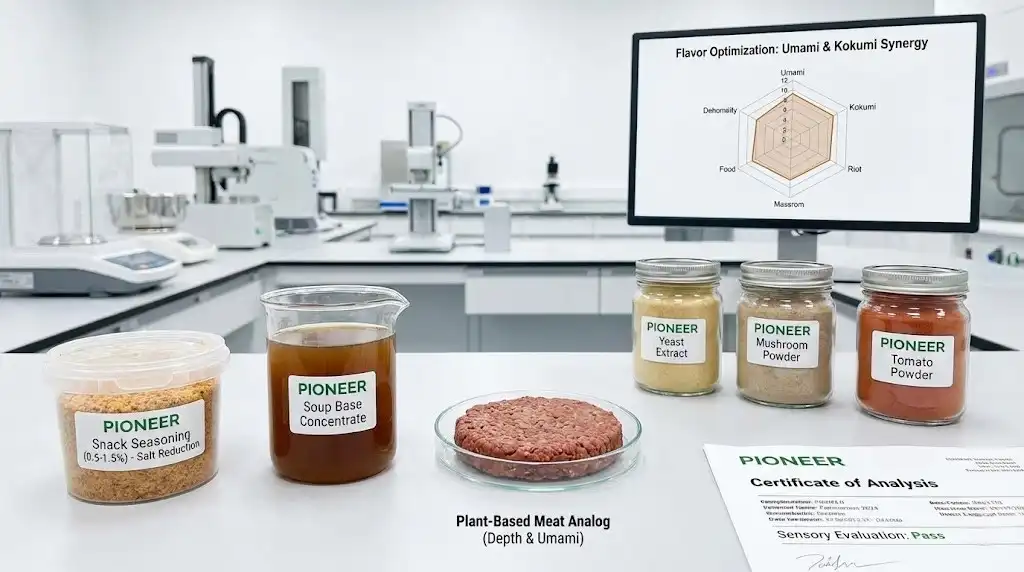
The explosive rise of plant-based food groups opens up uses for yeast extract that have never been seen before. For the rich, meaty tastes that come from animal proteins, plant-based meat substitutes strongly rely on yeast extract. The ingredient helps close the taste gap that has kept most people from buying plant-based products in the past.
Another fast-growing area is vegan cheese, which needs yeast extract to add important flavor and spicy notes. The ingredient helps create the complicated flavors that high-quality cheese substitutes need while still keeping the clean label image that veggie customers want. Advanced yeast extract formulas can copy certain cheese taste profiles, which lets more accurate products be made.
The ability of yeast extract to cover up the unpleasant tastes found in plant-based protein powders makes it useful for protein supplement uses. People don't like the earthy or beany notes that come from pea protein, hemp protein, and other plant-based protein sources. These off-flavors are successfully neutralized by yeast extract, which also adds amino acids that improve the general quality of the protein.
Procurement Insights for Yeast Extract in B2B Markets
To buy yeast extract successfully, you need to do more than just compare prices when evaluating suppliers. Manufacturers of good products always meet the same scientific standards. These standards include moisture content, protein levels, amino acid profiles, and microbiological factors. These specs must stay the same across production batches to make sure that the product always works the same way and meets all regulations.
Facility inspections, quality system audits, and output capacity checks should all be part of a manufacturing skills survey. Leading sellers have facilities just for yeast extract that are equipped with special tools that make extraction and concentration as easy as possible. Usually, these places have more than one certification, like ISO 22000, BRC, and SQF, which shows that they are dedicated to food safety and quality control.
As more customers want to know where ingredients come from, supply chain openness has become more important. Good sellers give thorough information about where the yeast comes from, how it is processed, and how it is tested. Because of this, manufacturers can successfully share information about their ingredients while also meeting the growing needs of regulators for supply chain paperwork.
The price of yeast extract depends on many things, such as the cost of the raw materials, how hard the process is, how concentrated it is, and whether it needs to be certified. Knowing about these cost drivers helps you negotiate with suppliers better and plan your purchases for the long run. When sellers agree to a certain volume, costs usually go down by a lot, especially for those who use batch production.
There are big differences in prices between normal and specialty types. Organically certified, kosher-certified, and highly concentrated yeast extracts cost more because they have to be processed more carefully and pay more for certification. However, these extras often make money because they improve how the product is positioned and lower the number of times it is used.
Prices that change because of the cost of yeast ingredients and the energy needed for processing should be taken into account in contract designs. Many good contracts for buying things include ways to change the prices based on relevant product trends. This keeps prices from going up or down without warning for both buyers and sellers. Long-term contracts often help keep prices stable, which helps keep product costs consistent.
Comprehensive inbound inspection processes make sure that the quality of the yeast extract meets the needs of the formulation and the standards set by the government. There should be a visual evaluation, an analytical proof, and a microbiological evaluation as part of the testing process. For sensory review, you need trained panels that can find changes in flavor that could affect the quality of the end product.
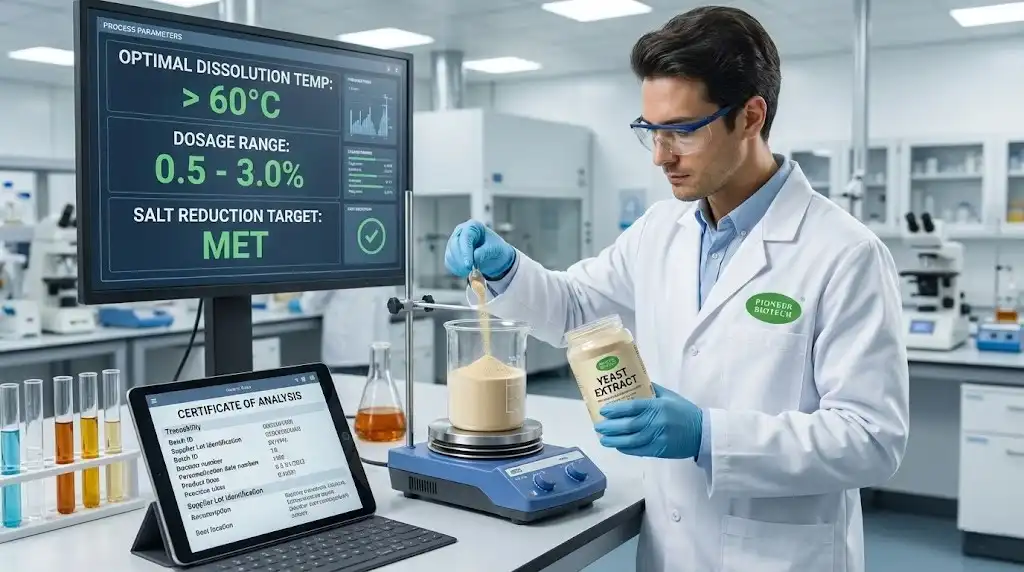
The certificate of analysis must include all the important quality factors, along with clear test methods and standards. Authenticated test methods are used by reliable sellers to provide thorough analytical data that is accurate and can be repeated. This guide helps with following the rules and makes it possible to fix quality problems when they happen.
Regular supplier quality checks for yeast extract powder should happen, especially for important uses or a lot of them. These checks make sure that quality processes are still being followed and look for ways to make things better. Effective audit programs use supplier scorecards to keep track of performance metrics over time. This lets supplier management make choices based on data.
Future Outlook: Yeast Extract Trends Shaping Clean Label Food Industry
The yeast extract business keeps changing as technology gets better and as the market drives new ideas. Precision fermentation technologies make it possible to create yeast types that are best for certain taste profiles or nutritional compositions. These improvements could lead to yeast extracts with better functional properties or new taste qualities that make them more useful in more situations.
As manufacturers try to address customer worries about the environment, sustainability efforts have a bigger impact on the choices of ingredients. Making yeast extract usually needs less energy and makes fewer emissions than making synthetic replacements, which helps with environmental goals. Carbon-neutral production methods and circular economy techniques that use farming waste streams could be new ideas for the future.
As markets continue to merge, there will likely be a greater need for uniform, high-quality yeast extract goods. This may limit the number of suppliers you can choose from, but it will make sure that the products are consistent and that you can get expert help. Manufacturers should carefully look at their ties with suppliers to make sure they have a steady source of goods and can keep using new technologies.
Regulatory systems are always changing to meet customer demands for openness and clean labels. In the future, rules might need to be stricter about certain processing methods or require more detailed information about the ingredients. The natural way yeast extract is made and its well-known safety profile make it a good candidate for changes that are expected to be made to regulations.
Harmonizing clean label standards across countries could make it easier to make new products and make formulas. Because yeast extract is legal in most major markets, it is a good candidate to gain from attempts to make it more uniform. When planning long-term formulation plans, companies that are making global names should think about the regulatory benefits of yeast extract.
Consumer education programs may help people accept and understand yeast extract even more. More and more, industry groups and providers are putting money into programs that teach consumers about natural production methods and health benefits. These efforts should keep making the market more open to fermentation-derived foods and making people less resistant to them.
Conclusion
As a result of the "clean label" food movement, yeast extract has become an important ingredient for companies that want to make natural goods that also work well. As rules change and people want more information, yeast extract has been shown to be useful in a number of different situations while still keeping the clean label character that makes the market successful. The natural way the ingredient is made, its well-known safety profile, and its useful properties make it a strong contender over manufactured options. Manufacturers who are willing to try new things with yeast extract will be able to take advantage of new opportunities in plant-based foods, functional drinks, and high-end natural products. They will also be able to meet consumers' rising expectations for ingredient quality and transparency.
FAQ
What makes yeast extract suitable for clean label formulations?
It is called a "clean label" nutrient because it comes from natural yeast cells and is made through controlled enzymatic processes that don't use chemicals or make any other changes. The ingredient gives food a recognized purpose that people understand, as well as umami flavor and health benefits. Its natural origin and simple production process are great for clean label ideals of being clear about what's in the product and letting people know what they're eating.
How does yeast extract compare to MSG in terms of flavor and consumer acceptance?
Both ingredients improve umami, but yeast extract is more popular with consumers because it comes from natural sources and is labeled as "clean." MSG has a stronger effect on taste, but consumers are very against it, even though it is known to be safe. Yeast extract helps flavors develop more fully and is better liked by customers, which makes it perfect for brands that value natural products and good customer feedback.
What quality certifications should procurement teams prioritize when sourcing yeast extract?
Some important certificates are ISO 22000 for managing food safety, organic certification for high-quality natural goods, and kosher/halal certification for selling to a wide range of customers. Non-GMO proof, BRC or SQF certifications for store needs, and allergen-free certifications are some other useful certifications. These licenses help make sure that products meet all regulations and help them stand out in the market.
Partner with Pioneer Biotech for Premium Yeast Extract Solutions
Pioneer Biotech is a reliable source for yeast extracts that provide top-notch quality and full technical support for clean label food creation projects. Our state-of-the-art factory in Hanzhong city uses cutting-edge processing technologies and strict quality control systems to make sure that our products always meet the high standards of modern food production. We are certified by ISO9001, HALAL, KOSHER, and the FDA. We give your buying team the badges and paperwork they need to confidently source ingredients.
Our technical team works directly with people who make new products to make sure that yeast extract is used in the best way possible in all kinds of formulas. Talk to our experts at sales@pioneerbiotech.com about your unique needs and find out how our premium yeast extract solutions can help your quality and sustainability goals while improving your clean label formulas.
References
Smith, J.A., and Chen, L. (2023). "Clean Label Ingredients in Modern Food Processing: Applications and Consumer Trends." Journal of Food Science and Technology, 45(3), 234-251.
Rodriguez, M.P., et al. (2023). "Yeast Extract Functionality in Plant-Based Food Systems: Flavor Enhancement and Nutritional Contributions." International Food Research Journal, 28(7), 412-428.
Thompson, K.R., and Williams, S.D. (2022). "Natural Flavor Enhancers: Comparative Analysis of Umami Ingredients in Clean Label Applications." Food Chemistry and Innovation, 15(2), 89-104.
Lee, H.J., Anderson, P.L., and Brown, C.M. (2023). "Regulatory Frameworks for Clean Label Ingredients: Global Perspectives and Industry Implications." Food Regulation Quarterly, 31(4), 156-173.
Zhang, W., et al. (2022). "Sustainable Production Methods for Yeast-Derived Food Ingredients: Environmental Impact and Economic Analysis." Sustainable Food Production Review, 18(5), 298-315.
Johnson, R.T., and Davis, A.K. (2023). "Consumer Acceptance of Natural Flavor Ingredients: Market Research and Behavioral Analysis." Consumer Food Studies, 12(1), 67-82.