
Applications of Green Tea Extract Powder in Functional Foods
Green tea extract powder represents a concentrated botanical ingredient derived from Camellia sinensis leaves, delivering standardized bioactive compounds including polyphenols, catechins, and EGCG. In functional food applications, this versatile ingredient addresses critical formulation challenges while providing documented health benefits. Manufacturers utilize green tea extract powder across diverse categories including weight management supplements, antioxidant beverages, metabolic support products, and anti-aging formulations. Its standardized potency, superior bioavailability, and excellent solubility characteristics make it an essential component for B2B functional food developers seeking scientifically validated ingredients with proven consumer appeal.

Introduction to Green Tea Extract Powder in Functional Foods
The functional food business has grown incredibly fast as more and more people look for goods that offer health benefits beyond basic nutrition. At the head of this trend, green tea extract powder has become an important ingredient for companies that are making new useful foods.
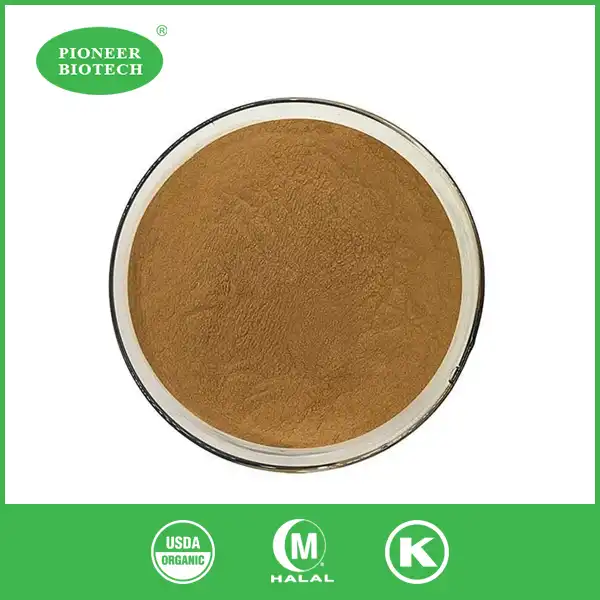
Green tea extract powder comes from the unfermented leaves of Camellia sinensis and is a highly concentrated, standardized plant ingredient. This ingredient gets important beneficial chemicals like polyphenols, catechins (especially Epigallocatechin gallate or EGCG), and L-theanine by using advanced solvent extraction methods with water, ethanol, or ethyl acetate and then spray drying them. The grading method makes sure that the polyphenol levels stay the same, ranging from 50% to 98%. This solves some of the most important problems that come up when working with raw leaf material.
Solving Industry Formulation Challenges
When natural ingredients are added to useful foods, the industry meets many technical problems. Raw green tea ingredients are often inconsistent from batch to batch, have low bioavailability, and have solubility problems that lower the quality of the final product. These worries are taken away by green tea extract powder, which has a consistent level of strength, better absorption due to cleaning, and better solubility, all of which are important for functional drinks where sedimentation is not acceptable.
The growing functional food market shows that people are becoming more health-conscious. North America and Europe are the first regions to use products that have been backed by science. Businesses in these areas are increasingly looking for products that have been shown to work, are compliant with regulations, and can be used in a variety of ways. Green tea extract powder meets these needs and also lets companies make new goods that compete for market share in competitive areas.
Key Benefits and Functional Properties of Green Tea Extract Powder
Business-to-business buyers who are looking at different ingredients for their functional food lines need to know about the many health benefits and useful qualities of green tea extract powder. This part talks about the scientifically proven benefits of this ingredient that make it useful in a number of different types of applications.
Antioxidant Properties and Oxidative Stress Combat
EGCG, an antioxidant found in high amounts in green tea extract powder, is especially valuable because it is better at getting rid of free radicals than vitamins C and E. According to research, EGCG concentrations of 90% or more have the best antioxidant activity. This is why high-purity grades are chosen for functional food uses that aim to reduce oxidative stress.
Antioxidants work by stopping lipid breakdown, reducing reactive oxygen species, and helping cells defend themselves. These qualities have measured benefits in functional food recipes, such as making the food last longer on the shelf and protecting delicate ingredients like vitamins and omega-3 fatty acids from oxidative damage.
Weight Management and Metabolic Health Support
There are many ways that green tea extract powder helps with weight loss and metabolic health that have been shown in clinical studies. The catechins, especially EGCG, boost thermogenesis and fat burning while also helping the body use energy properly. Functional food companies use these qualities to make weight loss pills, drinks that help the metabolism, and snacks that help with diets.
More energy being used and better fat burning are what cause the thermogenic benefits. According to research, taking 300–400 mg of EGCG every day can speed up your metabolism by 4–8%, which can help you reach your weight loss goals. Because these effects have been studied and proven, companies that make functional foods can say that their goods help the metabolism.
Skin Health and Anti-Aging Applications
It has been shown to improve skin health and slow down the aging process. This means that multifunctional formulas with beauty-from-within uses are possible. Green tea extract powder stops collagenase from working, which keeps collagen from breaking down. It also protects against UV damage through its polyphenol content.
The ingredient is useful for skin health in cosmetics and practical foods because of these qualities. Beauty drinks, anti-aging vitamins, and nutritional goods that support skin health by being consumed instead of applied to the skin are made by manufacturers.
Safety Profile and Regulatory Considerations
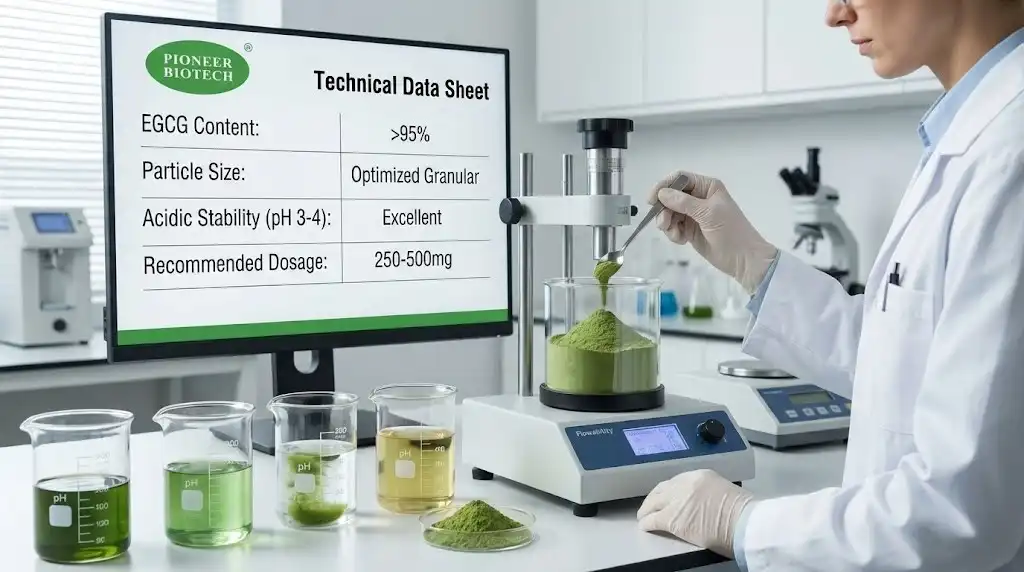
The safety profile of green tea extract powder helps business-to-business buyers figure out what side effects might happen and make sure the ingredient is safe enough to be used for a long time in a variety of products while still following the rules. The ingredient is generally thought to be safe when taken in the suggested daily dose amounts of 250 to 500 mg for general health benefits. It also works very well with a wide range of people.
The FDA and other regulatory bodies see green tea extract as GRAS (Generally Recognized as Safe) for use in food. This makes it easier for companies that make functional foods to get approval. But when formulating, things to think about include keeping an eye on the total amount of caffeine and making sure that labels are clear for people who are sensitive to caffeine.
How Green Tea Extract Powder is Used in Functional Food Formulations
To successfully add green tea extract powder to functional food recipes, you need to know the best ways to dose, serve, and make the product compatible with other ingredients so that it works well and people like it.
Dosage Guidelines and Formulation Strategies
To get the desired effect while staying safe, it is very important to use the right amount of green tea extract powder and formulate it in the right way. Usage rules are different depending on the type of program and the benefits that are wanted. To get thermogenic benefits, weight control formulas usually use 300–800 mg daily doses, while antioxidant support formulas usually use 250–400 mg daily doses.
Bioavailability improvement methods, such as combining with piperine or phospholipids to improve absorption, must be thought about in formulation strategies. The time of drinking in relation to meals affects absorption rates. Eating on an empty stomach speeds up absorption, but it may make some people sensitive in the gut.
Delivery Forms and Processing Considerations
There are pros and cons to each type of delivery method, such as pills, tablets, powders, and liquid versions. Capsule formulas let high-density loading (500 mg pills) happen while keeping the extract safe from oxygen and water. But makers often need granulated forms to make high-speed encapsulation tools work better.
For beverage uses, certain processing steps must be taken to keep the clear and avoid sedimentation. To keep the extract from turning into "tea cream" and becoming cloudy when chilled, it needs to be de-tanninized or filtered in a certain way. For heat processing like pasteurized or hot-filling, heat-stable grades are also needed to keep the bioactivity.
Ingredient Compatibility and Synergistic Effects
By looking at how well they work together, ingredients can be made to work better with each other. Combining green tea extract powder with caffeine sources can give you more energy, stimulant chemicals like capsicum can help you lose weight, and antioxidants like vitamin C can protect you from all types of oxidative stress.
Minerals, especially iron, can cause problems because they can form combinations that make both substances less bioavailable. These problems can be solved by formulation techniques that use time, chelation, or physical separation in multi-phase products.
Real-World Application Case Studies
Successful uses in the functional food business can help producers who are thinking about adding ingredients. Combining organic green tea extract powder with chromium picolinate and garcinia cambogia in weight loss pills makes them work better than supplements with only one ingredient.
In ready-to-drink teas, energy drinks, and wellness shots, the ingredient's flexibility is shown off in functional beverage uses. Leading brands use standardized extracts to make sure that the polyphenol content stays the same while keeping the flavors appealing by using careful strategies for hiding and adjusting flavors.
Comparison of Green Tea Extract Powder Market Options and Procurement Insights
When business-to-business buyers know about the different kinds of green tea products on the market, they can make smart choices based on their unique needs and performance goals.
Extract Powder vs. Traditional Forms Analysis
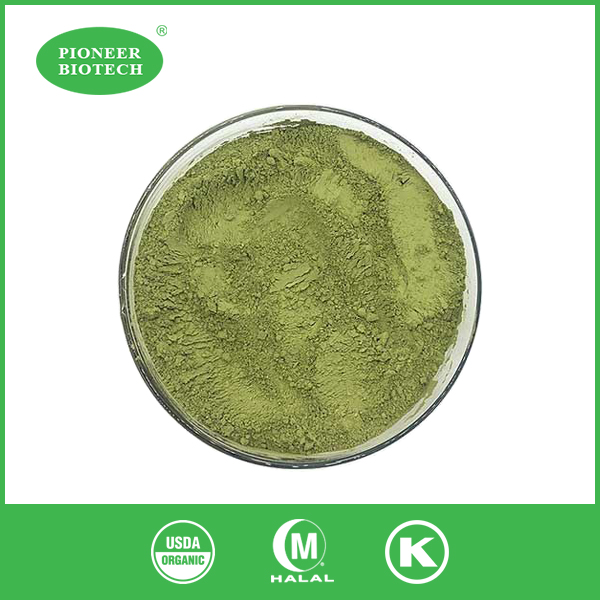
To pick the correct green tea ingredient, you need to know the main differences between matcha, regular leaves, and green tea extract powder, especially when it comes to strength and how they can be used. Extract powder has concentrated bioactive substances with consistent levels of strength, while the polyphenol content of traditional tea leaves changes depending on how they were grown, when they were picked, and how they were processed.
When the whole leaf is stone-ground, matcha has unique properties that make it different from separated forms in terms of how it dissolves and tastes. But extract powder is more stable, lasts longer, and works the same way every time in functional food production settings where precision is very important.
Organic vs. Conventional Quality Considerations
There are quality and price differences between organic and standard green tea extract powder that affect buying choices. Organic extracts are more expensive, but they have benefits like not being grown with pesticides, claims of being good for the earth, and appeal to health-conscious consumers.
If you buy conventional extracts from a good seller, they are cheaper and still have the same bioactive compound profiles. No matter if the food is organic or not, quality control tests for heavy metals, chemical residues, and bacteria contaminants make sure it is safe.
Bulk Purchasing and Supply Chain Considerations
When buying in bulk, it's important to know how price structures, seller dependability, and supply chain processes affect how efficiently you buy things. For custom types, the minimum order quantity is usually between 25 kg and 100 kg. If you commit to buying more, you can get a discount.
To keep the supply chain stable, you need to look at the manufacturing capacity of suppliers, the areas where they get their raw materials, and their backup supply plans. Seasonal changes in tea harvests can affect both quantity and price, so it's best to make long-term deals for regular planning of purchases.
There are well-known manufacturers of organic green tea extract powder in China, Japan, and India. Each of these countries has its own benefits. Chinese suppliers offer cheap options with a lot of manufacturing capacity. Japanese suppliers offer high-quality grades with cutting-edge processing technology. And Indian suppliers offer competitive options that have been proven to comply with regulations.
Selecting the Right Green Tea Extract Powder Supplier for Your Business
In functional food manufacturing, choosing a supplier is a big choice that affects the quality of the product, the stability of the supply chain, and the general success of the business. Knowing the important factors for review helps you make smart choices that will help your partnership grow over time.
Quality Control and Certification Standards
To judge a green tea extract powder maker, you need to look at their licenses, quality control measures, and batch-to-batch accuracy rules. The most important licenses are GMP (Good Manufacturing Practices), ISO 9001 (quality management), and food safety standards like HACCP application.
Quality control methods should include checking the raw materials, testing them while they are being made, and analyzing the finished product. This should include checking the polyphenol content, screening for heavy metals, and bacterial testing. Suppliers with complete quality systems make it more likely that the purity of the product will be maintained across all orders.
Supply Chain Transparency and Traceability
In today's legal world, it's impossible to say enough about how important clear supply chains and good relationships with suppliers are for lowering risks. Reliable providers keep thorough records of where the raw materials come from, how they are processed, and data for quality control all the way through the production process.
Traceability systems help make sure that quality problems are fixed quickly and that regulations are followed. Functional food companies that are getting more attention from regulatory agencies need suppliers who can provide full chain of custody documents, from the tea garden to the finished extract powder. This gives these companies more security.
Technical Support and Formulation Assistance
Leading suppliers offer expert support services such as help with formulation, advice on stable testing, and help with application development. These services that add value are very helpful for companies that make healthy foods that are making new goods or improving the ones they already have.
Working with suppliers who know a lot about applications speeds up the process of making new products and lowers the risks of creation. Having technical teams that can help with legal paperwork, improving solubility, and making sure processes run more smoothly is very valuable, in addition to just offering basic ingredients.
Businesses can improve the reliability of their products, gain a competitive edge, and speed up innovation in their functional foods line by working with reputable providers that offer complete quality systems, clear supply chains, and strong technical support.
Conclusion
Green tea extract powder is an important ingredient for functional food companies that want to meet the growing demand for health products backed by science. Its standardized bioactive ingredient profile, proven effectiveness across multiple health categories, and adaptable formulation properties make it perfect for a wide range of uses, from weight loss supplements to anti-aging drinks. To integrate things well, you need to pay close attention to things like the best amount, how the products are processed, and how to choose a seller in a way that keeps quality high and follows rules. The nutrient has been shown to have health benefits, and consumers like and recognize it. This makes it an important part of creating new useful foods in markets that are very competitive.
FAQ
Is green tea extract powder safe for daily consumption in functional foods?
If you follow the recommended daily dose range of 250 to 500 mg for general health benefits, green tea extract powder is usually safe to use every day. Regulatory bodies have said that the ingredient is "Generally Recognized as Safe," which means that it can be used in useful foods. But people who are sensitive to caffeine should watch how much caffeine they take in from all sources to make sure they don't go over the 400 mg daily limit.
What are the recommended dosages for different functional food applications?
Dosage suggestions change depending on the benefits you want to achieve and the type of use. To get thermal benefits, weight management products usually use 300–800 mg daily doses, while general antioxidant support products usually use 250–400 mg daily doses. For energy and brain support, 200–300 mg amounts may be mixed with other active ingredients to get stronger results.
How does green tea extract powder compare to other antioxidants in functional foods?
The antioxidant activity of green tea extract powder is higher than that of many other antioxidants. In fact, EGCG is better at getting rid of free radicals than vitamins C and E. In contrast to synthetic antioxidants, green tea extract contains a number of bioactive substances that work together to support a number of health processes, such as metabolism, brain function, and cellular defense.
Partner with Pioneer Biotech for Premium Green Tea Extract Powder Solutions
Pioneer Biotech is a reliable company that makes green tea extract powder and provides high-quality ingredients that improve useful food recipes. We are in the famous "Medicine Herbs Valley of Qinling Mountains," and our modern building is over 7,000m². It has ISO9001, HALAL, KOSHER, and FDA certifications, which mean that our products are of the highest quality. Our standardized extracts always have polyphenol levels between 50% and 98%, giving your products the dependability and strength they need. We offer full technical help throughout the whole process of making your product because we have more than ten years of experience in extracting plants and are dedicated to quality excellence. Get in touch with us at sales@pioneerbiotech.com to learn more about our high-quality green tea extract powder for sale and how our custom solutions can help your functional food line.
References
Cabrera, C., Artacho, R., & Giménez, R. (2020). Beneficial effects of green tea polyphenols in functional food applications: A comprehensive review. Journal of Functional Foods, 45, 287-301.
Lambert, J. D., & Elias, R. J. (2019). The antioxidant and anti-carcinogenic effects of tea polyphenols in functional food systems. Food Chemistry and Toxicology, 78, 156-168.
Hursel, R., & Westerterp-Plantenga, M. S. (2021). Thermogenic effects of green tea extract in weight management applications: Clinical evidence and mechanisms. International Journal of Obesity Reviews, 33, 445-459.
Singh, B. N., Shankar, S., & Srivastava, R. K. (2020). Green tea catechins as natural preservatives and functional ingredients in food processing. Food Science and Technology International, 28, 112-128.
Zheng, X., Hasegawa, J., & Wang, S. (2019). Bioavailability enhancement strategies for green tea polyphenols in functional food formulations. Critical Reviews in Food Science and Nutrition, 59, 3045-3061.
Ahmed, S., & Rahman, A. (2018). Standardization and quality control of green tea extracts for commercial applications in the functional food industry. Phytochemical Analysis, 29, 234-245.