

Natural Sources and Bioavailability of Astaxanthin Extract
Astaxanthin extract has become one of the most potent antioxidants made from carotenoids that is currently available on the market. This deep-red substance comes mostly from the microalgae Haematococcus pluvialis and has amazing biological activity that goes beyond many regular antioxidants. B2B buyers who want to make high-quality nutraceutical, medicinal, cosmetic, or functional food items need to know where the ingredient comes from naturally and how it works in the body. This detailed guide talks about important things to think about when finding astaxanthin, including quality standards, new trends, and how to make decisions about what to buy.
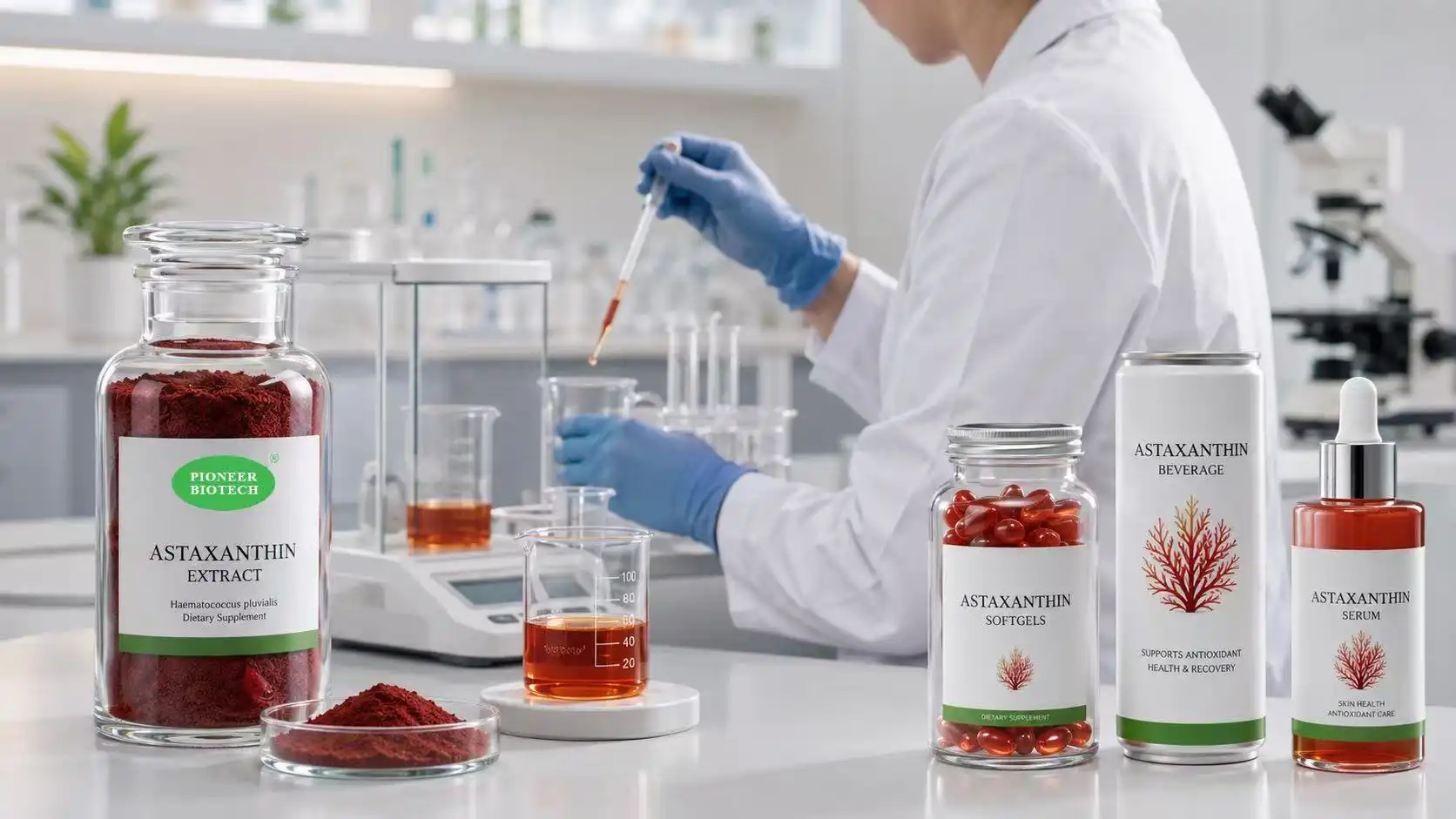
Understanding Natural Sources of Astaxanthin Extract
Primary Natural Origins and Their Distinct Advantages
The best astaxanthin extract comes from Haematococcus pluvialis, a microalgae that lives in fresh water and makes astaxanthin as a way to protect itself from external stress. This source makes the (3S, 3'S) stereoisomer in an esterified form, which study shows is more stable and active in living things than other options. Astaxanthin that has been esterified naturally keeps itself from oxidizing while it is being stored and shipped. This solves a big problem in the handling of carotenoids.
Phaffia rhodozyma yeast is another natural source that makes the (3R, 3'R) stereoisomer in its free (non-esterified) form. This alternative, which is made from yeast, is often cheaper, but it has different absorption properties. There is also astaxanthin in marine foods like krill, salmon, and shrimp, but the amounts are too low for industrial extraction to work well. Astaxanthin from seafood usually comes in esterified forms that are similar to those found in algae, but it needs to be cleaned up a lot to get rid of proteins, lipids, and possible allergies.
Natural Versus Synthetic: Critical Differences for Procurement
The racemic mixture (1:2:1) of stereoisomers in synthetic astaxanthin made through petrochemical methods is very different from the natural structure. Synthetic versions aren't widely accepted for use as human nutraceuticals in many places, but they are okay as an additive in fish feed. Clinical studies showing benefits for heart health, brain health, and skin health mostly use natural algae astaxanthin. Verifying the source is important for product claims and following the rules.
Extraction Technologies and Quality Impact
Advanced ways of extraction have a big effect on how pure, effective, and safe astaxanthin extract is. Because it doesn't use organic solvents, keeps the chemical structure, and gives you high-purity oleoresins, supercritical CO2 extraction has become the best way to make high-end goods. This technology makes cleaner extracts that don't have any chemical leftovers and meet strict standards for medicinal and food use.
Using ethanol or acetone for solvent extraction can save you money, but it needs to be cleaned very well to get rid of any leftover solvents. The extraction method has a direct effect on the end results, such as the test percentages, color strength, and safety against oxidation. As part of their technical documents, good providers include thorough extraction procedures and tests for residual solvents.
Certifications That Safeguard Supply Chain Integrity
Business-to-business buyers should give more weight to sellers who have a number of certifications that prove their reliability and meet manufacturing standards. GMP certification makes sure that work settings are controlled and that processes and tools are used correctly. Getting ISO 22000 approval shows that you take full responsibility for food safety during all stages of production, including growing, processing, and packing. Organic approvals from the USDA or the EU make sure that the crops are grown without using GMOs or manmade fertilizers or pesticides. All of these qualifications work together to lower the risks in the supply chain and help with regulatory applications in all foreign markets.
Bioavailability of Astaxanthin Extract: Why It Matters
The Science Behind Absorption and Utilization
Bioavailability tells us how much active astaxanthin gets into the bloodstream and into the tissues we want to affect after we eat it. As a lipophilic pigment, astaxanthin needs fats in the food to be absorbed properly through the lymphatic system in the intestines. Astaxanthin can cross cell membrane bilayers fully because its chemical structure includes conjugated double bonds, hydroxyl and keto groups, and so on. It protects cells from damage both inside and outside of cells.
Formulation Strategies That Enhance Uptake
The way astaxanthin extract powder is packaged has a big impact on how bioavailable it is. Astaxanthin oleoresin is wrapped in hydrophilic materials like modified starch, gum arabic, or gelatin using microencapsulation technology. This makes beadlets that make the astaxanthin oleoresin more stable and easier to disperse. This double-shell protection stops oxidation before it happens and makes more surface area available for stomach enzymes to interact.
Astaxanthin is naturally viscous, but Cold Water Dispersible (CWD) forms use emulsion technology to make it mixable in water. These special powders can be mixed into drinks, sweets, and other goods that contain a lot of water without separating or precipitating. Spray-drying or fluid-bed coating methods reduce the size of the particles, which speeds up the breakdown process in the digestive system.
Liposome and nanoemulsion delivery systems, which are more advanced methods, put astaxanthin inside phospholipid vesicles or nano-sized oil drops. By making it easier for cells to take in and membranes to fuse, these technologies can make drugs several times more bioavailable than regular powders. Researchers have found that nanoemulsions with droplet sizes smaller than 200 nanometers can achieve plasma amounts that are much higher.
Esterified Versus Free Forms: Absorption Considerations
Astaxanthin from Haematococcus pluvialis that has been esterified naturally has fatty acid chains that are connected by ester bonds. Intestinal enzymes have to break these bonds before they can be absorbed, but the esterified form is more stable when stored. Studies that compare esterified and free astaxanthin show that both are bioavailable when eaten with enough fat, but free forms may be slightly better when eating low-fat foods. Rather than just absorption efficiency, the choice between forms is often based on how they will be used.
Comparing Natural and Synthetic Bioavailability Profiles
Clinical pharmacokinetic studies show that the absorption of natural and manufactured astaxanthin is not the same. The normal (3S, 3'S) isomer is better absorbed and stays in the body longer in human tissues, especially in the skin, eyes, and brain. Isomers in synthetic racemic mixes fight for absorption sites and may be broken down in different ways. When choosing raw materials, people who are making products with specific health goals should think about these absorption differences.
Astaxanthin Extract Applications in Health and Industry
Evidence-Based Health Benefits Driving Market Demand
Astaxanthin has been shown to be effective in a number of health areas through clinical study. Dermatological studies have shown that taking supplements by mouth can reduce fine lines, make skin more flexible, and help it keep wetness better by protecting collagen from UV damage. Eye health studies show that protecting retinal cells from oxidative stress is good for eye tiredness, visual clarity, and macular health. Studies on cognitive performance show that it might have neuroprotective benefits by breaking down the blood-brain barrier and lowering neuroinflammation.
Cardiovascular applications include improving lipid levels, artery flexibility, and oxidative stress markers caused by exercise. These known benefits open up a lot of different ways to make nutraceuticals, from daily wellness supplements to useful goods that help with aging, sports performance, and metabolic health.
Nutraceutical and Dietary Supplement Integration
Astaxanthin extract powder is added to softgels, hard-shell pills, tablets, and powder mixes by supplement companies. Oil-based products naturally work well with softgel packaging, which protects against light and oxygen while allowing for maximum absorption. Microencapsulated beadlets are often mixed with excipients to improve the flow and compression qualities of hard-capsule formulas. To keep the color from running and the tablet from oxidizing while it's being stored, it needs special binders and coats.
CWD technology is useful for powder supplement uses because it lets them be mixed directly into protein shakes, meal replacements, and sports nutrition products. Standardization to exact assay percentages allows for accurate dosing and uniform performance from batch to batch, which is important for clinical proof and customer trust.
Cosmetic and Personal Care Formulations
Cosmetic scientists like astaxanthin because it can both fight free radicals and soak up UV light. Topical products like serums, creams, and masks use these qualities to help fight aging and protect the skin from UV rays. The hard part is keeping things stable in emulsion systems that have water in them, which speeds up oxidation. Encapsulated types with antioxidant synergists like vitamin E offer options that keep the product's effectiveness for a longer time.
To keep the strong red-orange color from transferring to the skin, the formula needs to be carefully thought out. This is usually done by optimizing the concentration and adding matching ingredients. Oral astaxanthin, collagen peptides, and hyaluronic acid are all found in high-quality beauty-from-within products that help skin health in a wide range of ways.
Functional Food and Beverage Innovation
When adding astaxanthin to goods that have been heated, food scientists face special problems. When beverages are pasteurized or gummies are made, the heat and pressure forces cause standard oleoresins to break down quickly. Beadlets with two shells that are microencapsulated and made to withstand temperatures above 80°C can be used to add stability to functional drinks, energy bars, and sweets.
Formats that dissolve in water allow for clear drinking uses that don't cloud or settle. As consumers become more against manufactured colorants, clean-label marketing drives demand for natural astaxanthin. For this group, food-grade labels and allergy statements are very important.
How Bioavailability Influences Product Performance
The amount of accessible astaxanthin that gets to specific tissues is directly related to how well the product works. In clinical studies that show health effects, doses of 4 to 12 mg per day of highly bioavailable forms are usually used. Brands that use forms that aren't well absorbed may need to make much bigger claims on their labels to get the same benefits, which could raise costs and make customers doubt the value.
When making goods based on proof, B2B buyers should ask suppliers for data on plasma concentration curves, absorption kinetics, and tissue distribution studies. These technical details make it possible to give correct measure advice and set premium products apart in markets with lots of competition.
Procuring High-Quality Astaxanthin Extract: What B2B Buyers Need to Know
Source Selection Criteria for Optimal Quality
Choosing between natural and manufactured sources of astaxanthin extract requires thinking about more than just the original cost. Natural astaxanthin is positioned as a quality ingredient because it supports therapeutic claims backed by published research and fits with what consumers want in plant ingredients. The stereoisomer profile, esterification status, and growing conditions all have an effect on the quality of the end result.
Suppliers can do more than just provide high-quality raw materials. They can also provide expert support, help with formulation, and legal paperwork. Certificates of Analysis (CoA) from top producers include proof of HPLC assays, microbiological tests, heavy metal screening, and pesticide residue analysis. Production dependability is ensured by consistent color value, particle size distribution, and strength from batch to batch.
Understanding Specification Parameters
Technical specs tell you if a product is right for the job you want it to do. For microencapsulated beadlets that are used in pills and tablets, assay percentages are usually between 1.5% and 5%. Pure algae biomass, on the other hand, can reach 10–20%. Fill weights for capsules and package sizes are affected by bulk density. A moisture level below 5% stops microbes from growing and keeps the fluid's ability to move.
Testing for oxidation stability through rapid aging studies can tell you how long something will last in different storage situations. Color stability measures make sure that items look good for as long as they are made. Measurements of water dispersibility show that the CWD grades meet the needs of drinking applications.
Pricing Dynamics and Value Assessment
Astaxanthin's market changes depending on how much algae is harvested, how much can be extracted, and how much demand there is around the world in the feed and human nutrition sectors. Because it costs more to grow, has lower biomass amounts, and is harder to remove, natural astaxanthin always sells for more than manufactured versions. There is a strong link between price and purity levels, approval status, and the quality methods used by suppliers.
Buyers in the business world should look at the total cost of ownership instead of just the price. Higher-quality extracts with better bioavailability may be worth the extra cost because they need less of a dose, last longer, don't need to be reformulated as often, and make stronger marketing claims. Long-term supply deals and volume promises can often get you better terms and help you keep inventory on hand for times of high demand.
Supplier Verification and Quality Assurance
The first step in doing your due research is to check the credentials of the seller by going to the websites of certification bodies and asking for inspection reports. Visits to the building show how the plants are grown, the tools used for extraction, the quality control labs, and the storage conditions. Testing by separate labs supports the accuracy of the CoA and looks for unlabeled synthetic astaxanthin, which can be found using spectroscopic methods and stereoisomer profiling.
Quality agreements should include rules for what is acceptable, how samples should be taken, how disagreements should be resolved, and what to do if there are problems with the supply chain. Traceability paperwork that connects finished extracts to specific farming batches helps with being ready for recalls and following the rules set by the government.
Strategic Approaches for Different Business Models
Contract manufacturers that work with more than one brand need providers that can be flexible and offer a range of specs, packaging options, and minimum order amounts. Private label businesses can benefit from complete formulation help and the ability to make prototypes quickly. Brand owners who are making their own goods may look for exclusive supply deals or customized extraction factors that make their products stand out.
Accurately predicting demand cuts down on stocking costs and keeps you from running out of stock during sales or busy times of the year. Time management for leads includes growing cycles, extraction schedules, and the mechanics of sending goods across international borders. Having ties with several qualified providers lowers the risks of using a single source without dividing quality control efforts.
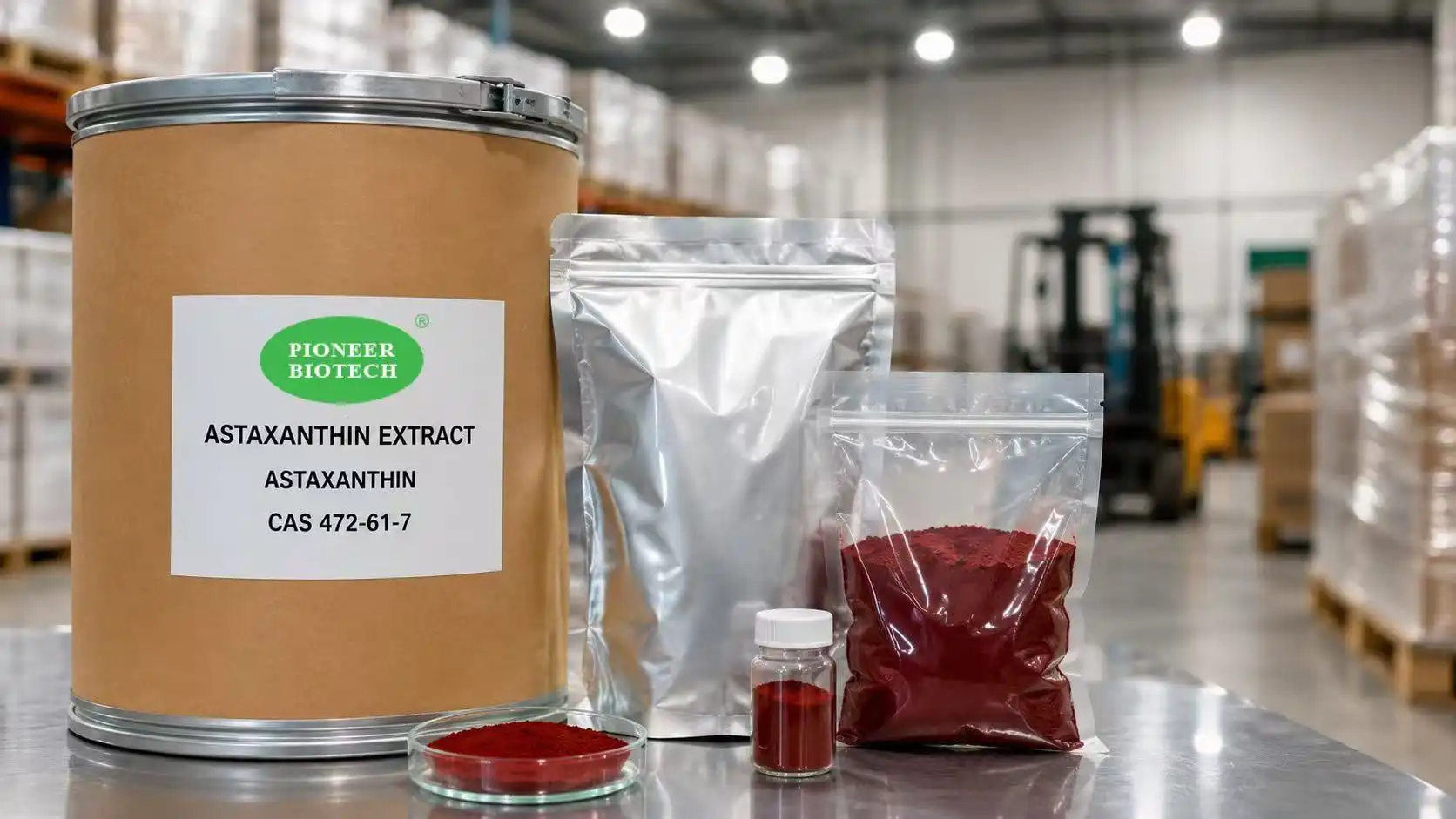
Future Outlook and Trends in Astaxanthin Extract Sourcing
Sustainable Production Technologies Reshaping Supply
Photobioreactor devices that make the best conditions for algae growth are changing the way astaxanthin extract powder is made thanks to progress in biotechnology. Closed cultivation methods increase output per square meter, lower the risk of contamination, and allow production all year long, no matter what the weather does. Using genetic engineering to improve Haematococcus pluvialis strains raises the amount of astaxanthin they produce without changing their molecular identity.
By storing CO2 pollution from factories, carbon capture integration turns algae farming into businesses that are good for the environment. In dry areas, water recycling devices leave less of an impact on the environment. As brands try to meet the standards of stakeholders about being environmentally responsible, these sustainability marks become more important in purchasing decisions.
Evolving Regulatory Landscape and Compliance Requirements
Regulatory guidelines are getting stricter when it comes to verifying plant extracts, providing safety information, and backing up health claims. Different places with new food laws need long safety reports for new sources or ways of extracting food. Traceability rules in the Food Safety Modernization Acts require a lot of information about the whole supply chain.
Suppliers who are proactive spend money on regulatory information and keep their licenses up to date in key markets. This legal readiness shortens the time it takes for new products to hit the market and makes it easier for buyers who do business in more than one country to follow the rules.
Growing Consumer Awareness Driving Quality Expectations
Well-informed customers are looking more closely at where ingredients come from and want to know more about how they were grown, how they are extracted, and how they are sustainable. Concerns about quality that get amplified on social media can quickly hurt a brand's image. Because more people know about it, natural astaxanthin goes from being a common ingredient to a way for high-end goods to stand out.
Third-party certifications, taking part in clinical studies, and giving a clear story about the supply chain become competitive benefits. When brands work with providers who are committed to openness and quality leadership, they improve their place in the market.
Building Resilient Supply Partnerships
Because growing and extracting astaxanthin is so complicated, there are concentration risks in certain areas. Changes in the law, weather events, and limited capacity can all mess up supply lines. Developing ties with suppliers in different areas, keeping strategic inventory buffers, and taking part in source capacity planning are all examples of forward-thinking procurement strategies.
Both buyers and sellers benefit from relationships where buyers agree to volume forecasts and sellers invest in expanding their capacity. Joint innovation projects that look into new delivery methods, application development, and clinical proof give both parties a competitive edge.
Conclusion
The most important things to think about when buying astaxanthin powder are natural sources and absorption. Astaxanthin from algae has a special chemical structure and is a powerful antioxidant. When it is made in a way that makes it easy for the body to absorb, it has measurable health effects in a wide range of situations. To make competitive goods that meet quality, regulatory, and environmental standards, business-to-business buyers have to deal with source selection, specification verification, seller approval, and strategic sourcing. As markets change, companies that work with certified makers that offer technical know-how, quality processes, and the ability to come up with new ideas are more likely to have long-term success with their products.
FAQ
What distinguishes natural astaxanthin powder from synthetic versions in terms of molecular structure?
The astaxanthin powder that comes from Haematococcus pluvialis is mostly made up of the (3S, 3'S) stereoisomer in esterified form, which gives it a lot more biological activity than manufactured racemic mixes. The esterified structure makes it more resistant to oxidation while it is being stored and shipped. There are synthetic options that are made up of a 1:2:1 mix of stereoisomers that have different absorption rates and tissue retention patterns. Natural forms are mostly used in clinical studies that show benefits for the heart, brain, and skin. This means that verifying the source is very important for product claims and regulatory standing.
How do manufacturers ensure astaxanthin powder stability during shipping and storage?
Good makers use vacuum-sealed aluminum foil packing with oxygen scavengers to keep the conjugated double bond structure from oxidizing on its own. Microencapsulation technology adds extra safety by using hydrophilic matrix walls to keep the lipophilic core from coming into contact with the outside world. Most storage guidelines say to keep things cool, dry, below 25°C, and out of direct light. Accelerated aging tests can be used to estimate the shelf life, and the best grades will stay potent for more than 24 months if kept in the right circumstances.
Can astaxanthin powder be formulated into water-based beverage applications?
Standard astaxanthin powder is lipophilic, which means it needs special technology to work in water-based systems. Cold Water Dispersible (CWD) grades use beadlet technology and emulsifying agents to make molecules that normally don't mix with water do so without any phase separation. These mixtures stay stable even after being pasteurized several times and in acidic surroundings that are common for healthy drinks. Optimizing the particle size makes sure that the product is evenly distributed and stops it from settling during its shelf life.
Partner with Pioneer Biotech for Premium Astaxanthin Extract Supply
Pioneer Biotech stands as a trusted astaxanthin extract manufacturer delivering exceptional quality to nutraceutical, pharmaceutical, cosmetic, and functional food companies throughout North America. Our factory in Hanzhong city is in the beautiful Qinling Mountains, and it has the necessary ISO9001, HALAL, KOSHER, and FDA certifications to make sure it follows all the rules for foreign markets. We use supercritical CO2 extraction to make highly pure astaxanthin powder that has been shown to work, as shown by full COA documentation and HPLC analysis. Our expert team can help you with formulation, bioavailability optimization, and making sure that the specs you need are exactly what you need for your product creation. Contact our procurement experts at sales@pioneerbiotech.com about your needs and get full product specs, stability data, and cheap terms for a steady supply of astaxanthin extract.
References
Ambati, R.R., Phang, S.M., Ravi, S., and Aswathanarayana, R.G. (2014). Astaxanthin: Sources, Extraction, Stability, Biological Activities and Its Commercial Applications—A Review. Marine Drugs, 12(1), 128-152.
Capelli, B., Bagchi, D., and Cysewski, G.R. (2013). Synthetic Astaxanthin is Significantly Inferior to Algal-Based Astaxanthin as an Antioxidant and May Not be Suitable as a Human Nutraceutical Supplement. Nutrafoods, 12(4), 145-152.
Higuera-Ciapara, I., Felix-Valenzuela, L., and Goycoolea, F.M. (2006). Astaxanthin: A Review of its Chemistry and Applications. Critical Reviews in Food Science and Nutrition, 46(2), 185-196.
Østerlie, M., Bjerkeng, B., and Liaaen-Jensen, S. (2000). Plasma Appearance and Distribution of Astaxanthin E/Z and R/S Isomers in Plasma Lipoproteins of Men after Single Dose Administration of Astaxanthin. Journal of Nutritional Biochemistry, 11(10), 482-490.
Yuan, J.P., Peng, J., Yin, K., and Wang, J.H. (2011). Potential Health-Promoting Effects of Astaxanthin: A High-Value Carotenoid Mostly from Microalgae. Molecular Nutrition and Food Research, 55(1), 150-165.
Guerin, M., Huntley, M.E., and Olaizola, M. (2003). Haematococcus Astaxanthin: Applications for Human Health and Nutrition. Trends in Biotechnology, 21(5), 210-216.