

Wholesale Coconut Protein Powder: What Supplement Brands Should Know
Supplement brands exploring plant-based protein options often wonder whether coconut-derived proteins can meet their formulation demands. The short answer is yes—coconut protein powder delivers a complete amino acid profile, hypoallergenic properties, and clean-label appeal that align perfectly with current market demands for vegan, gluten-free, and allergen-friendly nutrition. As plant-based supplements continue gaining traction in the United States, understanding the unique characteristics, sourcing strategies, and formulation benefits of this tropical protein becomes critical for product developers and procurement managers seeking competitive differentiation.
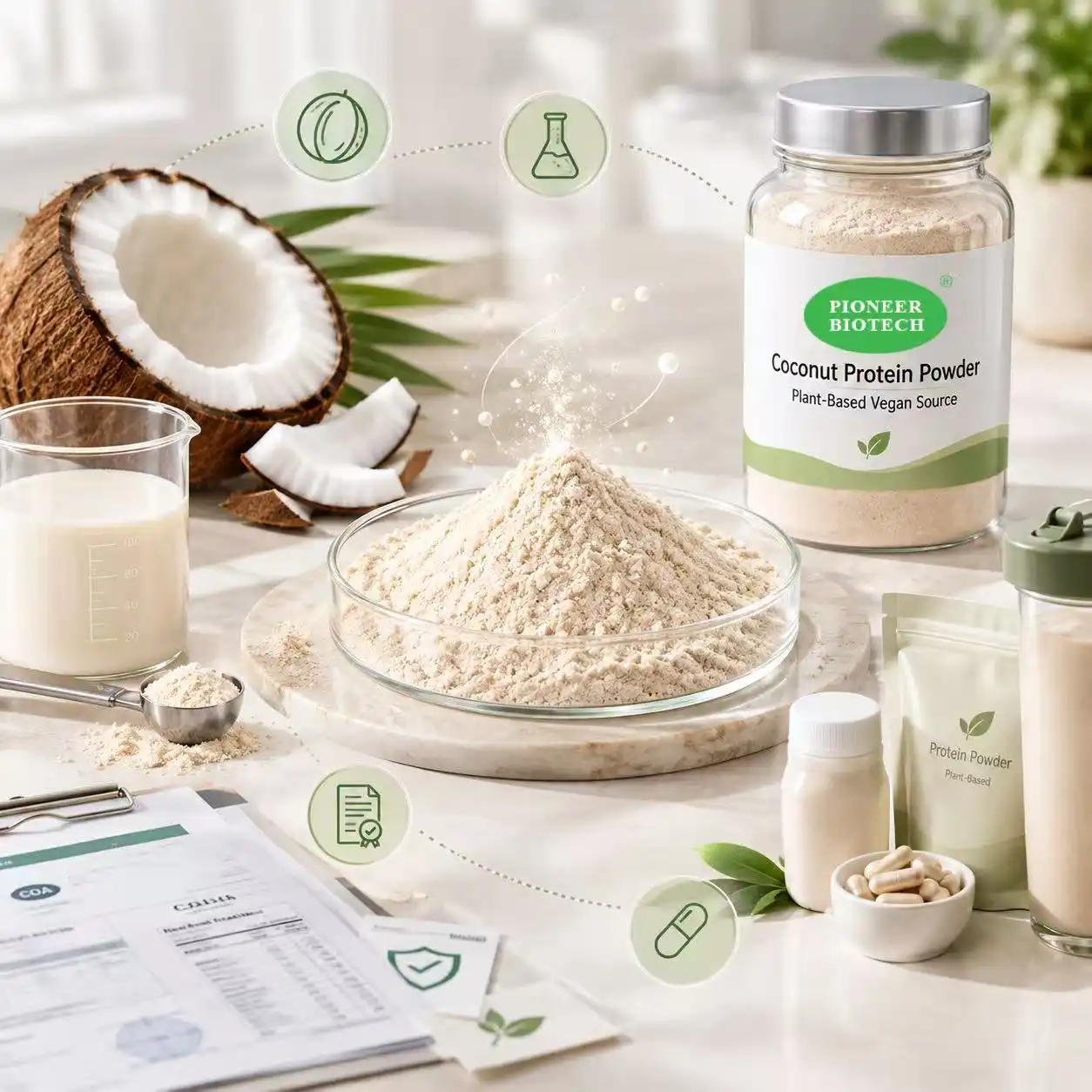
Understanding Coconut Protein Powder: Key Insights for Supplement Brands
Origin and Production Processes
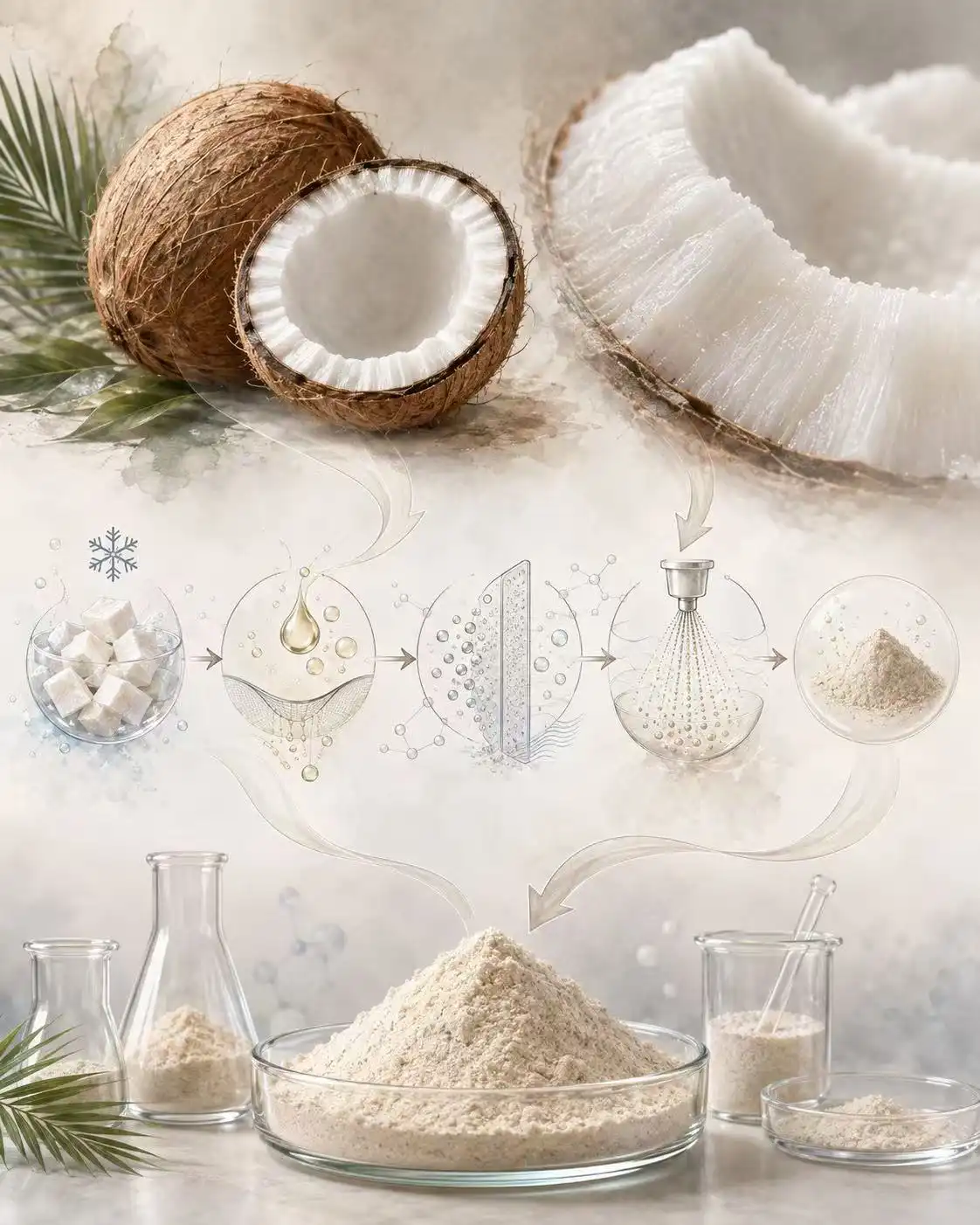
For coconut protein powder, the meat of a fully grown coconut is used after the oil has been cold-pressed or squeezed out. Instead of using harsh solvent-based methods, high-end makers press the protein mechanically and then remove it using enzymes or water. This keeps the protein's natural structure and healthy compounds. A fine, cream-colored powder is made when this step is complete. The amount of dry protein is usually between 60% and 70%.
The first step in making coconut oil is picking out high-quality coconuts from farms that are environmentally friendly and often labeled organic. Once the coconut cake's shell is taken off and the oil is divided, it is slowly dried at temperatures below 50°C to keep the enzymes safe. The dried stuff is then milled until the pieces are about 80 to 100 mesh. This makes certain that the finished goods are smooth. Manufacturers who make good products put their goods through strict tests for microbes and heavy metals several times. For uses that are safe for pharmaceuticals, this makes sure that the products are the same from batch to batch.
Nutritional Profile and Health Benefits
It stands out because it has a unique mix of macronutrients and useful substances. The powder has all nine essential amino acids and medium-chain triglycerides (MCTs), which speed up the metabolism and make you feel full. These are both important qualities for weight loss goods. About 15 to 20 percent of the total is fiber, which is good for your gut health and gives you prebiotic benefits that work with bacteria pills.
For good coconut protein powder, the protein digestibility-corrected amino acid score (PDCAAS) is usually between 0.78 and 0.82. This is about the same as any other well-known plant protein. Bioavailable means that it can be used in solutions for sports mending where getting amino acids to the right places is important. Another thing that the powder has is lauric acid molecules, which naturally keep food fresh longer without using any added stabilizers.
Organic Versus Conventional Options
There is more to the difference between normal and organic coconut protein powder than what's written on the package. Organic types from farms that are certified by the USDA don't have any GMOs or pesticide residues, so they are good for people who care about their health and want labels that are clear. People think of these things as high-end, but their brand stories about being good to the earth and getting materials in an honest way are better.
Conventional choices may be less expensive, but they can still meet high quality standards if the farmers who grow them do a good job and make their supply lines clear. For brands that want to reach customers who care about price, regular powders may be a good option because they offer good nutrition without losing safety. It all comes down to how much the brand cares about the earth, who it's aimed at, and how much it costs.
Comparing Coconut Protein Powder with Other Popular Proteins
Nutritional Content and Allergenicity
Some proteins that stand out are collagen, whey, pea, and soy. Coconut protein powder is different in its own way. Whey has PDCAAS scores higher than 1.0, but vegans and people who are allergic to dairy can't use it. When you eat a lot of pea protein, the oligosaccharides can make your stomach hurt. There is still debate about soy because it has phytoestrogens and most traditional foods are GMOs.
The FDA lists eight main allergens that are not found in coconut protein powder. These are peanuts, dairy, soy, gluten, tree nuts (coconut is a drupe, not a tree nut), eggs, fish, shellfish, and tree nuts. Since it is safe, it can be used to make things that are good for a lot of different people. Collagen is often used for beauty-from-within purposes, but it's not vegan-friendly. If you want to buy something plant-based, coconut protein powder is a clear winner.
Formulation Considerations and Market Trends
How well people like a product depends a lot on how it tastes and feels. There is a mild, slightly sweet taste to coconut protein powder that goes well with tropical-themed drinks, energy bars, and baked goods. This neutral trait doesn't need to be hidden as much as the earthy notes of pea protein or the chalky mouthfeel that some people associate with rice protein.
Over the next eight years, the US market for plant-based proteins will grow faster than expected. This is because more people are becoming flexitarian and thinking about the environment. When brands use coconut protein powder, they can talk about the environment by saying that growing coconuts doesn't need a lot of water and that the coconuts store carbon. Because it has natural MCTs, the powder can be used by more than just vegans. It fits with the ketogenic and paleo diets.
Market Overview: Certifications and Supplier Landscape
Industry Certifications That Matter
The first step in quality assurance is getting licenses from a third party that check the standards of production and the truth of the product. For purchases between businesses, you need to make sure that the following certifications are met: ISO 22000 for managing food safety, HACCP for analyzing risks, and GMP compliance for pharmaceutical-grade ingredients. Pesticides are not used in farming or processing if they have an organic license from the USDA or the EU.
Food rules based on religion, like Halal and Kosher, help brands reach more people, especially Jews and people from the Middle East. Gluten-free certification from a well-known group like the GFCO gives customers even more peace of mind, even though coconut protein powder is naturally gluten-free. The Non-GMO Project proof makes people feel better about genetic modification, even though coconuts don't have a lot of genetic engineering in them.
Evaluating Wholesale Suppliers
Wholesale sellers you can trust stand out by being honest and giving technical support. The best makers keep track of the whole process, from the farm to the powder that is made. They do this by giving out certificates of analysis (COAs) that show how much protein is in the food, how much water is in it, how many bacteria are in it, and the results of a heavy metal screening. They have sites that are listed with the FDA, and potential business partners are allowed to check out their plants.
Brands that want to stick to regular production plans need to make sure they can count on their suppliers. A lot of well-known suppliers keep ready-to-ship goods in warehouses all over the United States. This cuts down on freight costs and lead times. They don't have a set minimum order size, so both new brands trying out new formulas and well-known brands needing container-load volumes can meet it. If samples are available, people who are making products can check the organoleptic qualities to make sure they work with their mixes before they buy a lot of them.
Strategic Procurement Guide: How Supplement Brands Should Source Coconut Protein Powder
Defining Quality Criteria
The first step to getting something that works is to make sure that your needs are clear and in line with the product's goals. The amount of protein is the most important thing, and most uses need at least 60% protein. When the moisture level is below 8%, the product stays fixed and lasts longer on the shelf. To be used, microbial standards must meet either medicine or food-grade standards. Some tests that need to be standardized are total plate counts, yeast, mold, and virus tests.
The paperwork that can be used to track the product should be able to link it to specific coconut-growing areas, preferably with GPS coordinates and harvest times. This data is very helpful for government checks, and it meets customer requests for transparency in the supply chain. Arsenic, lead, cadmium, and mercury heavy metal tests must meet the strictest rules in the US market, which are set by California Proposition 65.
Evaluating Supplier Capabilities
More than just product specs must be taken into account when judging a supplier. It also needs to look at how well it can run and whether it can form partnerships. Find out how much they can make to make sure they can handle your growth. When there is a lot of demand, it is helpful to know how long their normal production lead times are, if they can do rush orders, and how their seasonal availability changes.
Excellent suppliers stand out from average ones because they offer technical support services. The best partners help with formulation, which means they find the best protein blends, figure out how to make things that don't stick together, and give you the taste profiles you want. They know about changes in the law that affect marking rules and can help you make marketing claims that are acceptable.
Negotiation and Partnership Development
One way to get good business terms is to find a middle ground between cost and quality control. Lower per-unit costs are given to loyal customers when prices are based on volume, but brands need to be honest about how much they can use so they don't spend too much on supplies. Payment terms like "net-30" or "net-60" are better for handling cash flow than rules that say you have to pay early.
Long-term deals on supplies can keep costs stable when the market for commodities changes, and they can also make sure that goods get to people when they need them. Companies that work together in these ways often get special account management, first-choice production schedules, and chances to work together on new goods. When you go from buying things one time to forming a smart relationship, both of you gain value by doing well in the same market.
Optimizing Product Development Using Coconut Protein Powder
Formulation Best Practices
There are some simple things you should think about before adding coconut protein powder to supplements. When the powder is fully wet, it mixes well with water. This means it can be used in protein drinks that are already mixed. At rates of 15% to 30% of the whole mix, protein shakes should be used. Foods and bars that are fortified should be used less often.
A common way to make the texture better is to mix coconut protein powder with things that go well with it. When you add pea or rice protein, the amino acid profile gets fuller and the texture gets better balanced. It is easy to mix the blend and it tastes better when you use natural emulsifiers like sunflower lecithin. Because the protein is heat stable, it can be used at normal cooking settings without losing its shape in baked goods.
That light taste goes well with many different types of tastes, but tropical notes like pineapple, mango, and vanilla go especially well with it. Before picking a sugar, you should think about how sweet the protein is by itself. Most of the time, monk fruit or stevia mixes work well. Don't heat the food too much while you're flavoring it. This will keep the protein's biological worth and stop Maillard browning processes.
Regulatory Compliance and Labeling
The Dietary Supplement Health and Education Act is very strict about how supplements in the US should be labeled. The right popular name for coconut protein powder must be used in the list of ingredients. Plain tests, like Kjeldahl or Dumas nitrogen analysis with the right conversion factors, must be used to back up claims about protein amounts.
Labeling toxins can be hard to understand. The FDA says that coconut should be listed in optional tree nut allergy statements even though it is botanically a drupe and not a tree nut. This is because that's how people see it. Structure-function claims about how protein helps build muscle or make you feel full must come with a warning and can't say that the protein can be used to treat a condition. A product can only have the USDA Organic seal on it if it meets all of the program's rules, not just those about certain ingredients.
The markets in the European Union are stricter because of new rules about novel foods and lower limits on contaminants. Brands that want to sell their goods in other countries should ask their sellers if they are EU organic approved and make sure they follow Regulation (EC) No 1924/2006, which guides claims about health and nutrition. It's easier to navigate the legal system when you work with providers who know how to meet the needs of different markets.
Conclusion
People who make supplements and want to get into the growing market for plant-based foods should use coconut protein powder as an ingredient. Its neutral profile, full amino acid make-up, and clean-label appeal meet basic customer needs while giving formulators freedom to make a lot of different kinds of products. To make sure the adoption goes easily, suppliers must be carefully picked, with a focus on technical help, certifications, and being able to be tracked. Brands that learn how to make products and follow the rules will be able to benefit from the market's steady growth. The way people buy things today creates room for new products and unique advantages in a market that is getting more and more crowded. As more people become interested in plant-based, sustainable nutrition, coconut protein powder is ready to offer both useful results and interesting brand tales.
FAQ
Can coconut protein powder work effectively in all supplement types?
Since the processing needs to be changed just a little, coconut protein powder can be used in capsules, tablets, powders, and even gummy bears. If you want to put something inside a capsule, micronized grades with particles smaller than 200 mesh work better in machines. With protein, powder blends work better because the protein mixes well on its own and doesn't taste bad. Protein can be used to make gummies, but they need to be kept at the right temperature and carefully mixed with water. The protein can be mixed with the right gelling agents to make this happen. The powder doesn't change much when the pH level changes, so it can be used in functional drinks like juices and plant-based milk alternatives.
What certifications should B2B buyers prioritize when vetting suppliers?
ISO 22000 and HACCP are two priority licenses for food safety management systems. These show that the service company cares about keeping food safe. When it comes to nutritional uses, GMP approval means that the quality control is at the level of medicine. If the USDA or the EU says that a growing method is organic, it means that it is safe. Businesses can reach more customers with the Halal and Kosher certifications, and the Non-GMO Project verification makes people feel better about genetic modification. You can be sure that coconut is gluten-free even though it is naturally gluten-free. When a supplier has more than one certificate, it means that their quality systems are well-developed and that they are dedicated to the market.
Partner With a Trusted Coconut Protein Powder Supplier
Pioneer Biotech has been offering high-quality feeding options based on plants since 2012. What a great place for us to do business! Our building is in the Medicine Herbs Valley of the Qinling Mountains. Health food makers, pharmaceutical businesses, and companies that make useful foods all over the US have high standards for our coconut protein powder. Aside from ISO 9001, HACCP, and ISO 22000, we are also USDA Organic, Halal, and Kosher. Our FDA-registered facility makes sure we meet the needs of the American market. There is a lot of ready stock in our local stores, so we can ship quickly and safely. Our technical team can also help you come up with the best formulas for your new goods. If a business partner meets the requirements, we are happy to have plant checks done and give them free samples. Email us at sales@pioneerbiotech.com to talk to a coconut protein powder maker who wants to help you succeed about your specific needs.
References
1. Smith, J.A. & Williams, R.T. (2021). Plant-Based Protein Sources: Nutritional Profiles and Market Applications. Journal of Food Science and Technology, 58(4), 1342-1356.
2. Anderson, M.K. (2020). Coconut-Derived Ingredients in Functional Foods: Processing, Stability, and Health Benefits. International Journal of Food Engineering, 16(8), 773-789.
3. Rodriguez, L.M. & Chen, P.H. (2022). Comparative Analysis of Plant Protein Digestibility and Allergenicity in Commercial Supplements. Nutrition Research Reviews, 35(1), 88-104.
4. Thompson, E.R. (2019). Quality Assurance Protocols for Botanical Ingredient Sourcing in the Dietary Supplement Industry. Journal of Regulatory Science, 7(2), 45-62.
5. Patterson, D.S. & Kumar, V. (2021). Formulation Strategies for Plant-Based Protein Beverages: Texture, Stability and Consumer Acceptance. Food Hydrocolloids, 112, Article 106289.
6. Martinez, C.A. & O'Brien, S.J. (2023). Regulatory Compliance and Labeling Requirements for Plant Proteins in US and EU Markets. Food Policy, 98, 102-118.