
Marigold Extract Lutein: Benefits, Uses & Why It's the Best Natural Source for Eye Health
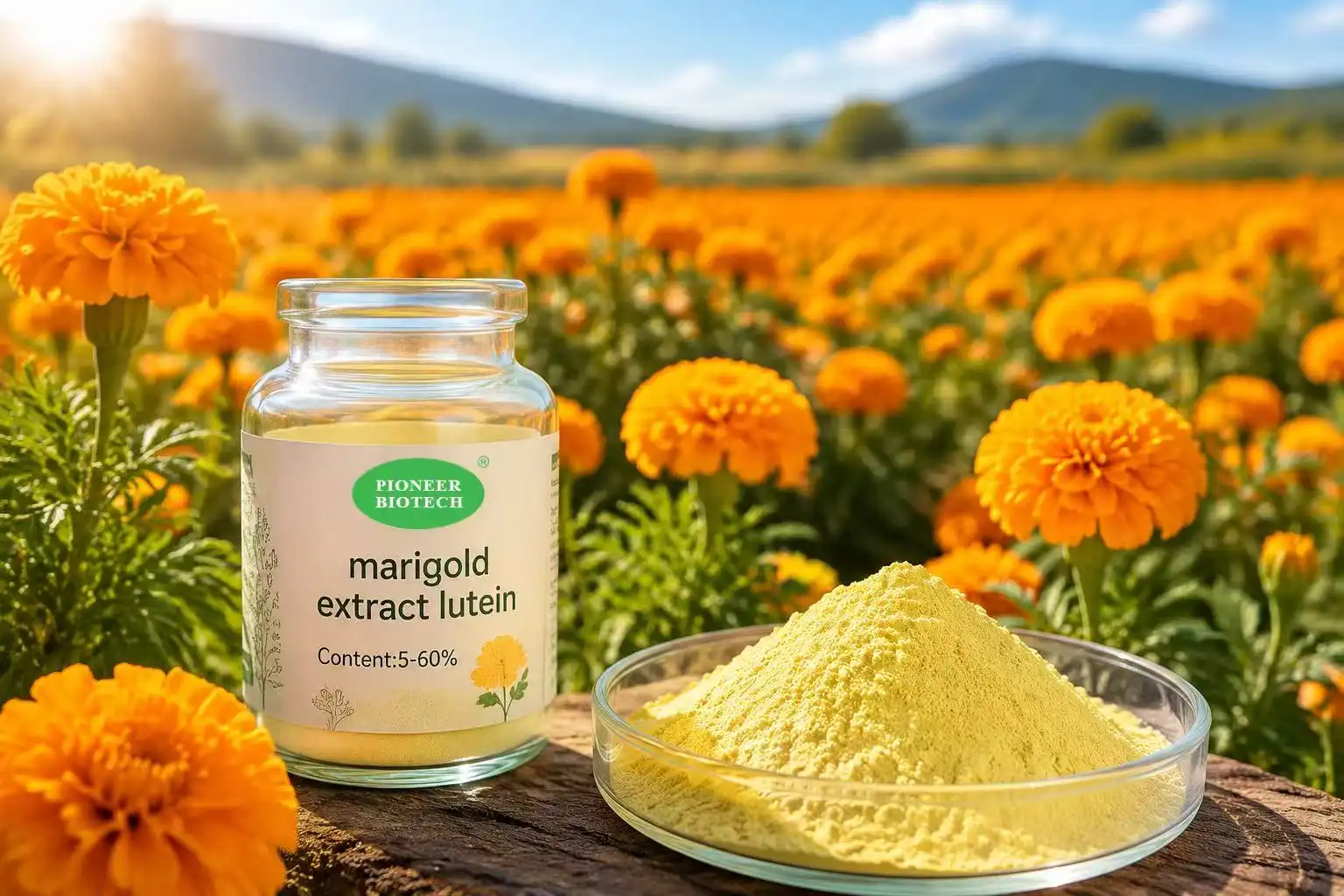
For organically produced lutein, marigold extract is the best because it provides higher bioavailability and stable potency, which are important for eye health formulas. This plant source, which comes from the colorful flowers of Tagetes erecta, has a lot of xanthophyll carotenoids that help keep macular pigment levels high and shield retinal cells from damage caused by free radicals. Unlike synthetic options, lutein from marigolds is a clean-label answer that has been shown to work. This is why nutraceutical makers, pharmaceutical developers, and functional food producers choose it. At Pioneer Biotech, we only sell pharmaceutical-grade marigold extract that meets the high standards that today's health-conscious consumers expect.
Understanding Lutein and Its Role in Eye Health
What Makes Lutein Essential for Vision Protection?
Lutein is a strong xanthophyll carotenoid that is mostly found in the macula, the center part of the eye that gives you clear, sharp vision. Because our bodies can't make this important nutrient on their own, we need to eat it regularly or take supplements to keep our amounts at the right level. Researchers have found that lutein filters out high-energy blue light wavelengths that hurt retinal cells chemically. It's like having natural "internal sunglasses." Because of its special chemical structure, the carotenoid can get through the eye's fatty cell walls and protect cells from free radicals both inside and outside of cells. A lot of clinical studies, including important ones on age-related macular degeneration, have shown that getting enough lutein slows down the loss of vision in people who are at risk.
The Critical Difference Between Lutein Esters and Free Lutein
It's important for product creators and procurement experts to know the difference between these two types. There are naturally occurring lutein esters in marigold flowers. The carotene binds to fatty acid chains, most often palmitic, lauric, or myristic acids. When these esters are broken down or processed through saponification, they change into free lutein, which is the functional form that moves through the bloodstream and builds up in eye tissue. Free lutein is the usual way to measure recommended doses, and clinical evidence on its effectiveness is based on this form that is not bound to anything else. Both kinds are good for your health, but they are very different in how well they convert and how stable they are. Manufacturers of marigold extract usually list the amount of lutein in free lutein equivalents. This way, formulators can correctly figure out the ratios of the active ingredient for use in pills, tablets, and drinks.
Recognizing Lutein Deficiency and Its Market Implications
Digital screens have become such an important part of modern life that the need for effective eye health options has grown. Not having enough lutein can make you more sensitive to light, make it hard to adjust to changes in brightness, make it harder to see contrast, and speed up the loss of macular pigment. These symptoms open up huge market possibilities for companies that make therapeutic and preventative products. People in North America and Europe who are getting older are more likely to get age-related macular degeneration. This is making steady growth in the market for lutein supplements. In order to keep up with these trends, product development teams need trusted sources who can send standardized extracts with confirmed assay specs and full safety data.
Why Marigold Extract is the Preferred Source of Lutein?
Comparing Natural Versus Synthetic Lutein Sources
Bioavailability, how consumers feel about the product, and where the government stands on the issue are at the heart of the discussion between marigold-derived and manmade lutein. Marigold extract contains lutein in its natural form, along with other carotenoids like zeaxanthin that help the body absorb and use the lutein more effectively. This botanical source fits right in with clean-label trends and the growing demand from customers for non-GMO approvals. Chemical synthesis is used to make synthetic lutein powder, but markets that value natural ingredients are skeptical of it, even though it might be cheaper to make. Stability tests show that properly processed marigold extract stays effective for the normal amount of time after being stored if it is covered with the right antioxidants. Purity profiles from trustworthy marigold sources always show low levels of heavy metals, almost no pesticide residues, and no adulterants. These are important factors for medicinal and nutraceutical uses.
Extraction Excellence and Manufacturing Standards
The quality and uniformity of lutein from marigolds are determined by advanced extraction methods. To get normal concentrations of lutein range from 5% to 80%, professional producers use solvent-based or supercritical CO2 extraction methods, followed by strict purification steps. Facilities that follow good manufacturing practices (GMPs) use HPLC tools to check carotenoid levels and find possible contaminants at several stages of production. Temperature-controlled processing protects the delicate structure of lutein molecules, stopping them from changing forms or breaking down in ways that make them less bioactive. Pioneer Biotech's Hanzhong plant follows GACP guidelines from flower cultivation to final extract production. This makes sure that quality control and traceability meet the standards for FDA, HALAL, and KOSHER approval. This unified method provides batch-to-batch uniformity, which is important for making pharmaceutical APIs and large amounts of supplements.
Bioavailability Advantages in Formulation Design
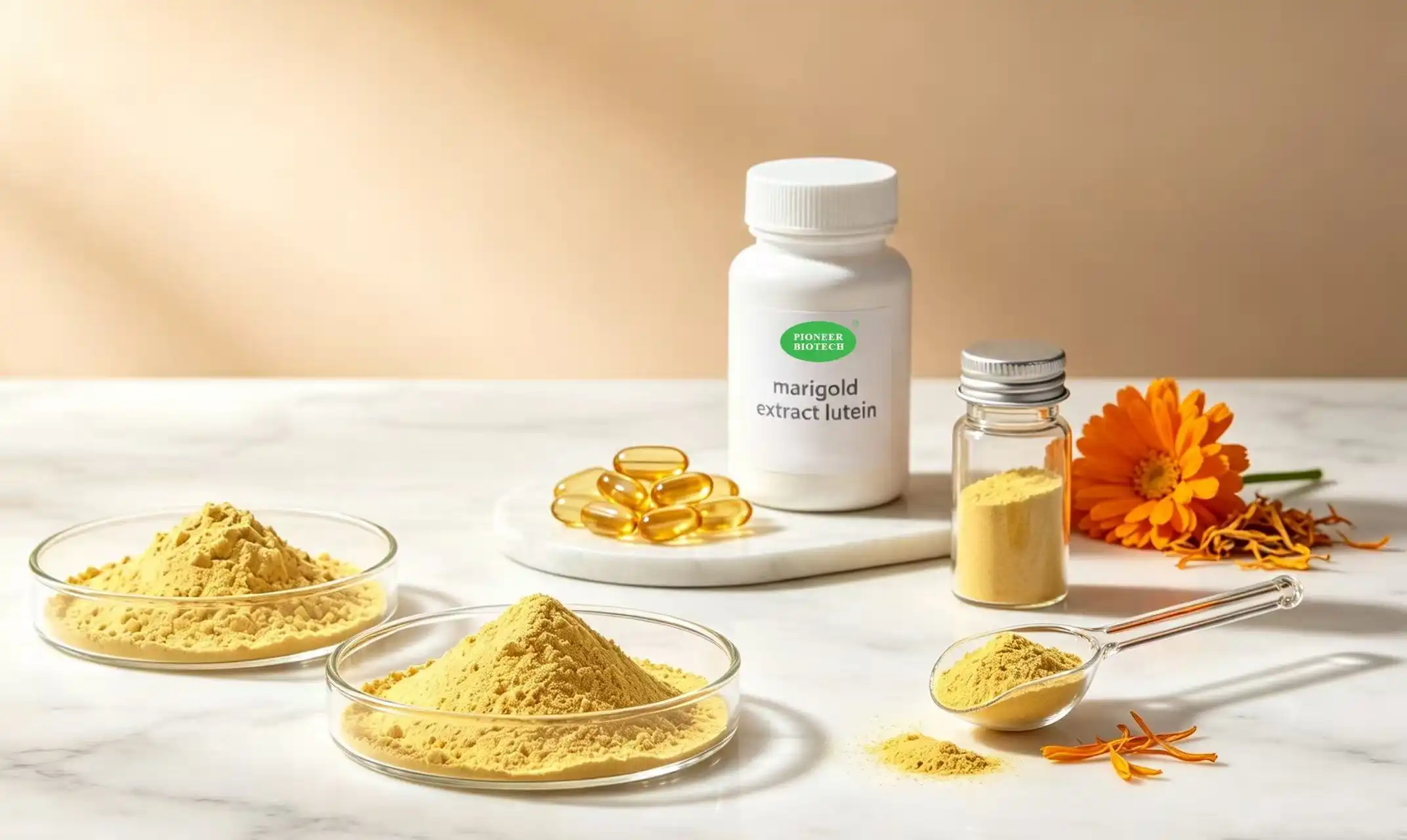
The lipophilic nature of marigold extract means that it needs to be carefully formulated to be absorbed best. Microencapsulation technology keeps lutein from breaking down due to oxygen while also making it easier to spread in different transport methods. Water-dispersible beadlet shapes let them be added to healthy drinks and gummy bears without losing their structure. Bioavailability goes up a lot when solid lutein is mixed with good fats or oil-based carriers compared to when it is used alone. Marigold extract dissolves easily in medium-chain triglycerides and veggie oils, which is helpful for formulators making softgel pills. Nanoemulsion preparations are a new invention that greatly enhances oral bioavailability, allowing smaller doses to be used while still keeping therapeutic effectiveness. Because of these technical benefits, marigold extract is the best choice for brands that want their products to work better and make customers happier.
Benefits and Uses of Lutein in B2B Applications
Clinical Benefits Driving Market Demand
The AREDS II study showed that lutein can slow the development of advanced age-related macular degeneration by 25% over five years in people who are at high risk. This important study switched out beta-carotene for lutein and zeaxanthin, which got rid of worries about lung cancer while keeping the beneficial effects. In addition to protecting the eyes, new research shows that lutein may also help brain health by acting as an antioxidant in brain tissue, which is where it builds up most readily. Cardiovascular study shows that higher levels of lutein in the blood are linked to better artery health and lower levels of inflammation markers. Lutein's photoprotective qualities are used in dermatology, and studies have shown that supplementing with it can improve skin hydration and lower oxidative stress signs. These different uses open up new market possibilities for goods that help with cognitive health, cardiovascular health, and beauty from the inside out.
Optimal Dosing and Formulation Guidelines
Based on clinical data, 10–20 mg per day is the right amount to keep macular pigment density high and help the eyes work better. Higher concentrations may be used in pharmaceutical formulas that are meant to treat conditions, while preventative supplements usually have 6–10 mg per dose. Combination products that mix lutein and zeaxanthin at levels of 5:1 to 10:1 are similar to the natural makeup of macular pigment and show that they work better together. Combining with omega-3 fatty acids improves absorption and gives extra support for the retina through processes that reduce inflammation. Adding vitamin A and zinc to eye nutrition supplements makes them more complete, which appeals to health-conscious customers. The supplement market is still dominated by tablets and capsules, but more and more beverage companies are using water-soluble lutein products for functional drinks. By understanding these formulation principles, product makers can make unique products that target specific market groups and make healing claims.
Safety Profiles and Regulatory Considerations
Lutein has a great safety record. There are no known upper intake limits, and most clinical studies have found very few side effects. Lutein is generally thought to be safe (GRAS) by the FDA for use in foods and drinks, which makes it easier to get regulatory permission for a wide range of uses. Evaluations by the European Food Safety Authority also show that supplementing at normal amounts is safe and doesn't pose any risks to vulnerable groups. Toxicology studies, allergic statements, and contaminant testing results are just a few of the safety documents that good providers provide. These tools help with the regulatory filings and risk estimates that drug companies and foreign dealers need to do. Following GMP rules correctly makes sure that products always meet pharmacopeial standards and meet strict quality requirements in all places around the world.
How to Choose the Best Lutein Supplier and Product for Your Business?
Critical Procurement Factors for Quality Assurance
In addition to price, there are other quality factors that need to be carefully looked at when choosing a supplier of marigold extract. The Certificate of Analysis should list the amount of lutein (using a validated HPLC method), zeaxanthin, moisture, heavy metals, and microbiological tests data. ISO 9001 certification shows dedication to quality management systems, and badges specific to certain industries, like HALAL and KOSHER, make the market bigger. Traceability paperwork linking finished extract to source marigold farming protects against adulteration and helps prove that the product is not made with genetically modified organisms. Stability data from different storage situations helps formulators figure out how long a product will last and how to handle it properly. Reliable providers keep clear lines of communication about where they get their raw materials, how much they can make, and how resilient their supply chains are. These are all very important during market breakdowns or demand spikes.
Evaluating Supply Reliability and Technical Support
For long-term relationships with providers of marigold extract to work, they need to be available all the time and offer quick technical help. Established manufacturers keep enough extra inventory on hand to handle the different order amounts and shipping schedules that contract makers and supplement names need. Minimum order numbers should match production levels. This way, new brands can have more freedom while large-scale businesses can get what they need in bulk. Technical support teams help with formulation problems by giving information on solubility, tests for compatibility, and application advice that is specific to the delivery forms that are being used. Supporting regulations, such as paperwork for registering new food ingredients, proving health claims, and entering foreign markets, is very valuable in addition to the price of commodities. In the competitive botanical extract market, these service factors set true strategic partners apart from transactional providers.
Complementary Nutrient Integration Strategies
Modern versions mix lutein with nutrients that work together to make the product more effective and appealing to the market. Omega-3 fatty acids, especially DHA, are found in large amounts in the retinal tissue along with lutein. They work together to protect neurons. Vitamin E adds to the protective power of lutein and protects it from damage while it is being stored. Because zinc is an important part of the body's metabolism of vitamin A and general eye health, it makes sense to include it in all-around eye products. An additional strong carotene called astaxanthin helps with both eye tiredness and accommodation. Anthocyanins found in bilberry extract help the blood flow to tissues in the eye. Formulators who make high-end products can set their products apart by using mixtures of ingredients that have been shown to work better than single-ingredient products.
Market Trends and Future Outlook for Marigold Extract Lutein
Growth Drivers Shaping Industry Dynamics
As people around the world become more aware of preventive health care, the demand for eye health products continues to grow. Market experts predict that the market will grow at a rate of over 7% per year until 2030. The number of people with AMD in developed countries is rising because their populations are getting older. This is causing a constant need for evidence-based preventive measures. As more and more young people get digital devices, new groups of people are becoming worried about blue light exposure and eye strain from screens. These changes in demographics make it possible to reach more people, not just seniors who buy vitamins, but also people who are interested in general health. As wages rise, people in Asia are more likely to buy health goods that keep them healthy, and word spreads about the health benefits of lutein. Functional food and beverage uses are still very new. For example, new brands are adding lutein to ready-to-drink drinks, snack bars, and enhanced dairy products to appeal to consumers who like things that are quick and easy.
Technological Innovations Enhancing Product Performance
As time goes on, extraction technology keeps getting better at using more environmentally friendly and efficient methods that increase yield and purity while also being more sustainable. Supercritical fluid extraction is becoming more popular because it can process without using solvents and selectively remove certain substances. New developments in microencapsulation make it possible for better stability and controlled release patterns that make drugs more bioavailable. Nanotechnology can be used to make ultra-fine particle dispersions that are much better at absorbing substances. This could allow for lower doses without lowering effectiveness. Combination delivery methods that use phytosome complexing or liposome packaging make lutein even more bioavailable. These new ideas give brands that want to stand out in terms of performance and support their premium branding a competitive edge. When manufacturers invest in cutting-edge processing tools, they make it easier for them to work with vitamin and drug companies that are also on the cutting edge.
Regulatory Landscape and Quality Standards Evolution
Harmonization attempts among international regulatory bodies gradually set more uniform standards for health claims and botanical extract specs. The creation of a USP monograph for lutein standardizes testing methods and purity standards, which makes international trade easier. European Novel Food regulations call for detailed safety information for new uses and dosage forms. This highlights how important it is to work with well-known providers who can provide strong legal support. Third-party approval programs, such as NSF International and Informed Choice, address customer worries about the accuracy of labels and the contamination of substances that are not allowed. As these standards change, they punish low-cost suppliers who don't do enough testing and documentation and praise makers that do. Long-term brand protection is becoming more and more important to B2B buyers, who expect that suppliers show proactive compliance and clear quality standards.
Conclusion
In conclusion, lutein from marigold extract is an important ingredient for companies making goods to meet the growing need for scientifically proven eye health solutions around the world. Marigold-derived lutein is the best choice for use in nutraceuticals, pharmaceuticals, cosmetics, and functional foods because it is highly bioavailable, has a clean label, and is backed by strong clinical proof. Quality issues like standard extraction, GMP compliance, thorough testing, and dependable supply lines are very important for keeping the integrity of the product and following the rules. Market trends show steady growth, which is being caused by an older population, the effects of digital lifestyles, and more people becoming aware of healthy lifestyle choices. In this fast-paced and growing market, companies that work with experienced providers that can provide consistent quality, technical knowledge, and quick service will be able to take advantage of the possibilities.
FAQ
What determines lutein bioavailability in different supplement formats?
Bioavailability depends on how the drug is delivered. For example, fat-soluble matrices like softgels and oil-based solutions are better at absorption than regular pills. Microencapsulation and nanoemulsion technologies make substances more bioavailable by making particles smaller and better able to mix with other substances. Taking lutein pills with foods that contain dietary fats makes absorption much more effective.
How does marigold extract lutein compare regarding stability?
When mixed with antioxidants like tocopherols and kept in packing that blocks light and air, high-quality marigold extract stays stable for a long time. Under controlled settings, the standard shelf life is 24 months. CWS beadlet shapes are more stable for uses that need a long shelf life or have to deal with tough weather conditions.
What documentation should buyers request from lutein suppliers?
Full-service providers give out Certificates of Analysis that include HPLC test results, heavy metals screening, bacteria testing, allergen statements, non-GMO certification, and stability information. Safety studies, descriptions of the production process, and kosher or halal certifications, based on the target markets, are some of the other legal support papers.
Partner with Pioneer Biotech for Premium Marigold Extract Lutein
For pharmaceutical-grade marigold extract lutein, Pioneer Biotech offers it, along with full quality assurance and technical know-how that B2B clients rely on for successful product creation. Our fully integrated operations in Hanzhong's medicinal herb valley give us full control over the whole process, from growing the herbs to extracting them. This gives us the best traceability and stability possible. We meet the strict needs of pharmaceutical and nutritional companies around the world because we are certified by ISO9001, FDA, HALAL, and KOSHER. Our expert team works closely with formulators to make sure that bioavailability, stability, and legal compliance are all optimized for a wide range of uses. Our adaptable services and flexible powers help your business reach its goals, whether you need standard bulk lutein for mass production or custom concentrations for unique formulas. Please email our team at sales@pioneerbiotech.com to talk about your particular needs with a lutein provider who is dedicated to your success.
References
Bone, R.A., Landrum, J.T., Tarsis, S.L. (1985). "Preliminary identification of the human macular pigment." Vision Research, 25(11), 1531-1535.
Age-Related Eye Disease Study 2 Research Group. (2013). "Lutein + zeaxanthin and omega-3 fatty acids for age-related macular degeneration: The Age-Related Eye Disease Study 2 randomized clinical trial." JAMA, 309(19), 2005-2015.
Seddon, J.M., Ajani, U.A., Sperduto, R.D. (1994). "Dietary carotenoids, vitamins A, C, and E, and advanced age-related macular degeneration." Journal of the American Medical Association, 272(18), 1413-1420.
Stringham, J.M., Hammond, B.R. (2007). "The glare hypothesis of macular pigment function." Optometry and Vision Science, 84(9), 859-864.
Kijlstra, A., Tian, Y., Kelly, E.R., Berendschot, T.T. (2012). "Lutein: more than just a filter for blue light." Progress in Retinal and Eye Research, 31(4), 303-315.
Ranard, K.M., Jeon, S., Mohn, E.S., Griffiths, J.C., Johnson, E.J., Erdman, J.W. (2017). "Dietary guidance for lutein: consideration for intake recommendations is scientifically supported." European Journal of Nutrition, 56(3), 37-42.