
Green Tea Extract Powder for Weight Management Applications
Green tea extract powder has become an important part in the weight loss business. It gives supplement makers a scientifically proven way to make effective food supplements. This strong type of green tea has a lot of catechins, especially epigallocatechin gallate (EGCG), and caffeine. The catechins and caffeine work together to help the metabolism and burn fat. Green tea extract powder is standardized, making it perfect for business-to-business (B2B) uses. It gives uniform strength and reliable results in a wide range of product forms, including functional drinks, nutraceutical powders, capsules, and tablets.
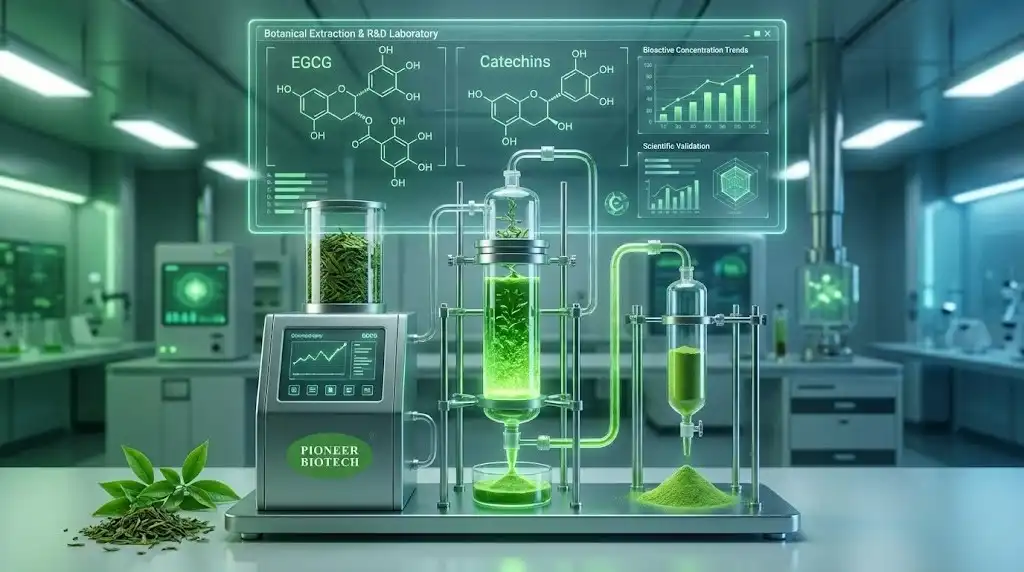
Understanding Green Tea Extract Powder and Its Role in Weight Management
Green tea extract has special bioactive compounds that work on several metabolic processes at once, which is the science behind its weight-management qualities. Research has shown over and over that these natural substances can help people reach their healthy weight control goals.
Primary Active Compounds and Their Mechanisms
Green tea extract powder has a number of important chemicals in it that help with weight loss. About 50 to 80% of the total catechin content in good products is EGCG, making it the most common and powerful component. This catechin works by stopping catechol-O-methyltransferase, an enzyme that breaks down norepinephrine. This makes the neurotransmitter's fat-burning benefits last longer. Standardized products usually have caffeine levels between 2% and 5%. Caffeine is a natural stimulant that raises thermogenesis and energy usage.
When you combine EGCG and caffeine, they have a bigger effect on your metabolism than either one by itself. Clinical studies have shown that this mix can raise energy output by 4–5% above normal levels. This means that you burn an extra 80–100 calories every day. The polyphenolic chemicals also make you feel less hungry by changing the amounts of the hormones leptin and ghrelin, which helps you eat fewer calories.
Scientific Evidence Supporting Weight Management Claims
Several studies that were reviewed by experts in the field have shown that green tea extract works to help people lose weight. A review of over 1,300 people who took part in randomized controlled studies showed that taking green tea extract supplements led to significant weight loss and a smaller waist size compared to placebo groups. The supplements led to an average weight loss of 1.31 kg over 12 weeks, according to the study.
The American Journal of Clinical Nutrition released a study that showed green tea extract improved the burning of fat by 17% during moderate-intensity exercise. People who took green tea extract were better able to use fat as fuel during exercise, which supports the compound's role in encouraging healthy changes in body makeup. These results provide strong scientific support for companies making weight control products based on proof.
Optimal Dosage Considerations for Product Development
To find the right dosage amounts, you need to carefully think about the planned use case and the population you want to reach. Green tea extract, adjusted to contain 50–90% polyphenols and 25–50% EGCG, is usually used in doses between 300 mg and 800 mg per day in clinical studies. Product designers have to find a mix between how well the product works and how safe it is, especially when end users are sensitive to coffee.
The efficiency is also affected by when it is given. According to research, the metabolic effects are greatest when taken 30 to 60 minutes before a meal or activity. This time issue affects how products are positioned and labeled, which in turn affects how companies sell their formulations to customers.
Evaluating Green Tea Extract Powder Products for Procurement
To successfully buy green tea extract powder, you need to know a lot about quality standards and what the seller can do. Multiple factors should be used in the review process to make sure that the product is consistent and that it meets all regulations.
Quality Specifications and Standardization Requirements
The best green tea extract powder should be tested to make sure that it is always the same from batch to batch. Total flavonoid content (usually 80–98%), EGCG concentration (40–70%), and caffeine levels (2–5%) are some of the most important quality indicators. Levels of heavy metals should be below FDA and EU standards, with arsenic levels below 1ppm and lead levels not exceeding 3ppm.
Microbiological requirements are also very important. The overall plate count must be less than 1,000 CFU/g, and harmful organisms like E.coli and Salmonella must not be present. To keep things stable and stop microbes from growing while they're being stored, the moisture level should stay below 5%. These standards lay the groundwork for making strong criteria for qualifying suppliers.
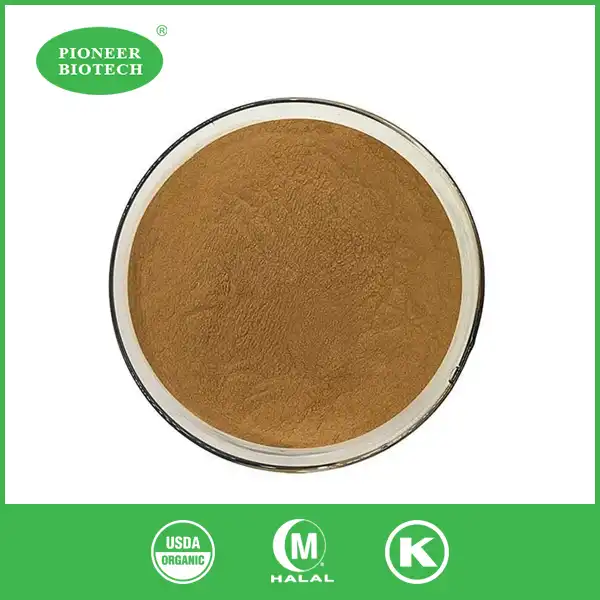
The spread of particle sizes affects how well things run and dissolve, which in turn affects how things are made and how bioavailable they are. For most uses, standard mesh sizes are between 80 and 120 mesh, but finer types are available for certain formulas. Color uniformity shows that the extracts were processed and stored correctly, as high-quality extracts always have a light green to brown color.
Certification and Compliance Standards
Following the rules is very important for making sure that new products work well and get accepted by the market. ISO 9001 approval shows that a provider is dedicated to quality management systems, and HACCP compliance makes sure that food safety rules are followed. Organic approval increases the value of natural products by verifying that they are grown and processed without using pesticides.
To enter the U.S. market, you need to be registered with the FDA and follow good manufacturing practices (GMPs). This makes sure that the factories you use meet pharmaceutical-grade standards. When it comes to novel foods, European providers should show that their products have the CE mark and follow the rules set by the EU. These licenses lower the risk of governmental action and make it easier to get into markets in more than one place.
Kosher and Halal licenses open up new market possibilities, especially for companies that want to reach specific groups of people. These faith licenses need to be constantly checked and documented, so choosing the right provider is very important for staying in compliance. To keep the supply chain running smoothly, product makers should check that certifications are still valid and that they are renewed on time.
Supplier Assessment and Due Diligence
A full supplier review looks at the seller's ability to make things, their quality processes, and the stability of their supply chain. Site surveys give you a straight look into places like factories, quality control labs, and storage areas. A review of the documentation should include quality guides, standard working procedures, and validation studies that back up the analysis methods.
Financial stability assessments guard against supply problems and make sure that the partnership will work in the long run. Credit reports, bank statements, and references from people in the same business can tell you a lot about how reliable a seller is. Geographic variety helps lower the risks that come with problems in one area or changes to the rules that apply to it.
Communication skills and technology support services set better sellers apart from commodity providers. Access to formulation experts, scientific help, and regulation advice adds a lot of value on top of the supply of raw materials. When making new applications or joining new areas, these services become very important.
How to Integrate Green Tea Extract Powder into Your Product Line or Manufacturing Process?
To successfully add green tea extract powder, you need to think carefully about recipe issues, stability needs, and production methods. Manufacturers can make better products that meet customer standards when they understand these technical elements.
Formulation Considerations and Compatibility
Most of the ingredients that are used in nutrition supplements and useful foods are very well compatible with green tea extract powder. But stability and absorption are affected by a number of factors. The catechins in green tea extract are sensitive to changes in pH. They are most stable when the pH is slightly acidic (5.5 to 6.5). Things can break down and change color in alkaline surroundings.
Catalyzing catechin oxidation, which can cause loss of strength and off-tastes, are metal ions, especially iron and copper. To keep things from breaking down, manufacturers should stay away from excipients that have a lot of these metals in them or add chelating agents like citric acid. Vitamin C naturally protects catechins from going bad, which makes it a great addition to weight loss products.
Because green tea extract is hygroscopic, it needs to be carefully controlled for moisture while it is being processed and stored. Techniques like enteric covering or microencapsulation can keep substances from absorbing water while also making them more stable and bioavailable. These new ways of formulating make expensive placement and claims of better effectiveness believable.
Manufacturing Process Optimization
Properly handling and storing materials is the first step to making things that work well. To keep it from going bad, green tea extract powder should be kept in a cool, dry place out of direct light. Keeping the temperature stable while storing catechins is best done at temperatures below 25°C and relative humidity below 60%.
Blending steps change how stable and uniform multi-ingredient formulas are. When low-shear mixing is done, green tea extract should be added to keep the delicate catechin structures from breaking down. When you mix compatible excipients ahead of time, the final result has a more even spread.
During the whole production process, quality control tests make sure that the strength and purity stay the same. Monitoring temperature, humidity, and mixing factors while the process is going on stops batch fails and cuts down on waste. The finished product should be tested to make sure it has the right amount of catechins, is safe for microbes, and dissolves well.
Regulatory Compliance and Labeling Requirements
Global markets have very different regulatory systems, so it's important to pay close attention to what each market needs. Structure-function claims for green tea extract are allowed by FDA rules as long as they come with the right warnings and proof. Food supplement rules must be followed in European markets, and the amount of caffeine in some types of products may be limited.
To protect consumers and follow the rules, labels must accurately show how much catechin and caffeine are in the product. Making the standardization standards clear helps people make better choices and backs up what healthcare providers say. Allergen statements and contraindication warnings keep people who are weak safe and lower the risk of being sued.
Adhering to Good Manufacturing Practices (GMPs) guarantees uniform quality and governmental approval. Throughout the supply chain, documentation tools should keep track of where the raw materials come from, how they are processed, and the results of quality control. These records help with governmental reports and make it easier to solve problems when they come up.
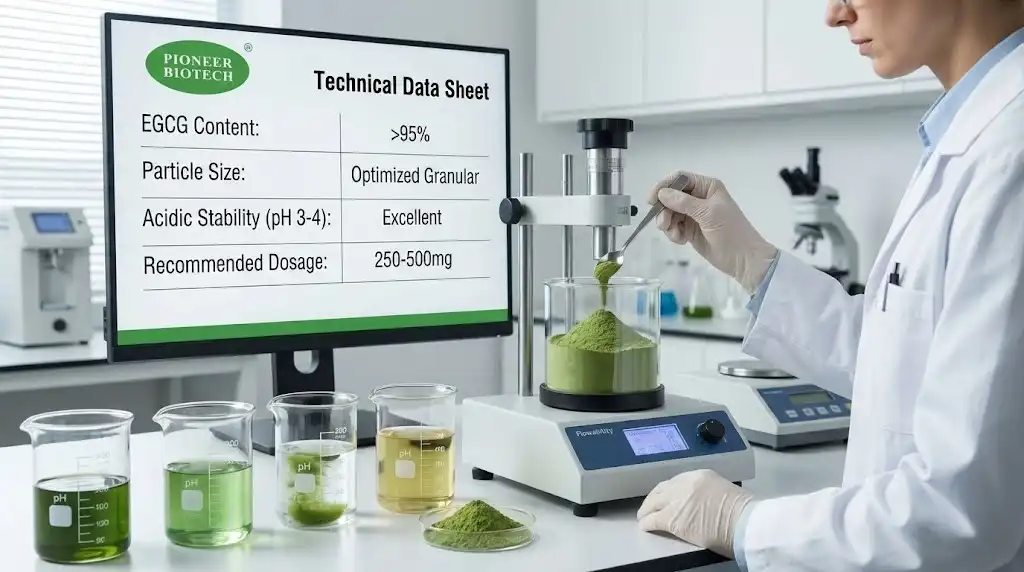
Making the Right Choice: Procurement Strategies for Green Tea Extract Powder
When making good buying plans for organic green tea extract powder, you have to find the right balance between quality, cost, dependability, and service support. Systematic methods are used by successful buyers to choose vendors and handle relationships with them.
Supplier Evaluation Framework Development
By making a complete seller scorecard, you can compare possible vendors in an unbiased way. Quality metrics, delivery performance, price competitiveness, and expert help skills should all be part of your key performance indicators. The weighting factors show what's most important to the business. For pharmaceutical and nutritional uses, quality is usually given the most weight.
Quality review includes records of group uniformity, analytical skills, and certification status. Suppliers should show that they are good at HPLC analysis for quantifying catechins and give analysis certificates for sample amounts. Stability data that backs up shelf-life claims gives people more faith in the product's long-term performance.
Service skills set luxury sellers apart from commodity providers. In addition to providing raw materials, technical help for formulating new products, legal advice, and analytical services all add value. When coming up with new goods or joining new markets, these services become very important.
Risk Management and Supply Chain Resilience
Geographic diversity plans keep quality standards high and guard against problems in specific areas. Having several qualified sellers gives you options and bargaining power, and they also make sure that you always have supplies. Schedules for checking suppliers should include both planned and unplanned trips to make sure they are still following the rules.
There is a balance between holding costs and supply security in inventory management methods. When setting safety stock levels, you should think about wait times, changing demand, and how reliable your suppliers are. Just-in-time methods work well when sources can be counted on, but they need strong processes for planning ahead and communicating.
The terms of the contract should include standards for quality, service, and how to settle disagreements. Force majeure clauses protect against problems that can't be planned for, and punishment clauses make sure that people are held responsible. Reviewing contracts on a regular basis keeps them in line with how business needs and market conditions change.
Total Cost of Ownership Analysis
Cost research that looks at the whole picture includes more than just unit prices. It also looks at things like shipping, storage, quality control, and administrative costs. Most of the time, premium providers offer better value because they have fewer quality control standards, fewer rejections, and better technical support.
Most of the time, volume agreements get better prices and make sure that supply comes first during times of high demand. Ordering plans that are flexible can adapt to changes in the seasons and the release of new products. Long-term relationships often bring extra benefits by letting people work together to make new products and share market information.
Payment terms and methods for hedging currencies help control financial risk and make the most of cash flow. Early payment rates may help cover the costs of moving goods while also making relationships with suppliers stronger. Changes in currencies can have a big effect on the total costs for foreign sellers. This is why hedging strategies are useful for buying in bulk.
Conclusion
Green tea extract powder is an item that has been scientifically proven to help people lose weight and can be sold in many different industries. Manufacturers, formulators, and suppliers have a lot of possibilities because there is strong clinical proof, the product is in good standing with regulators, and consumers are becoming more aware of it. To take advantage of this growing market, people who want to be successful must focus on quality assurance, following the rules, and smart partnerships with suppliers. The move toward sustainable sources, improved extraction technologies, and personalized nutrition apps will keep pushing new ideas and growing the market. Companies that put money into thorough supplier review, quality processes, and technical know-how will be the most successful in this fast-paced and expanding market area.
FAQ
What is the optimal EGCG concentration for weight management applications?
EGCG amounts of 25 to 50 percent in standardized green tea extracts have been shown to work in clinical tests. Most commercial versions aim for 45–50% EGCG content to make sure therapeutic doses are met while keeping costs low. Higher amounts might have more benefits, but the caffeine level and possible side effects need to be carefully looked at. When choosing the best standardization levels, product designers should think about the people they want to sell their products to and how they plan to use them.
How does green tea extract powder compare to other weight management ingredients?
Green tea extract has special benefits because it can speed up your metabolism and make you feel less hungry at the same time. Green tea gives you long-lasting energy without the jitters or crashes that come with stimulant-only ingredients. When compared to synthetic substitutes, the antioxidant effects make them more valuable. When natural elements like chromium or garcinia cambogia work together, they can make the mixture work better overall.
What are the key stability considerations for green tea extract powder?
Catechins in green tea extract are affected by light, heat, air, and a pH level that is too high. To store things properly, they need to be cool, dry, and below 25°C, with a relative humidity of less than 60%. Light and wetness should be kept out of the packaging, which is usually done with aluminum foil or amber cases. EGCG levels, color changes, and microbial growth should be tracked during the planned shelf life times for stability studies.
Partner with Pioneer Biotech for Premium Green Tea Extract Powder Solutions
Pioneer Biotech is your reliable source for green tea extract powder. They have been in business for over ten years and have state-of-the-art production facilities. Our factory is in the famous Medicine Herbs Valley of the Qinling Mountains, which gives us access to high-quality raw materials and helps us keep our ISO9001, HALAL, KOSHER, and FDA certifications. To meet your unique formulation needs, we offer full analytical support, custom standardization choices, and flexible minimum order numbers. Our expert team can help you speed up the time it takes to make your product by giving you advice on formulation, tests for stability, and legal support. Get in touch with us at sales@pioneerbiotech.com to talk about your green tea extract powder needs and find out how our focus on quality can help your weight control product line.
References
Hursel, R., Viechtbauer, W., & Westerterp-Plantenga, M. S. (2009). The effects of green tea on weight loss and weight maintenance: a meta-analysis. International Journal of Obesity, 33(9), 956-961.
Venables, M. C., Hulston, C. J., Cox, H. R., & Jeukendrup, A. E. (2008). Green tea extract ingestion, fat oxidation, and glucose tolerance in healthy humans. American Journal of Clinical Nutrition, 87(3), 778-784.
Nagao, T., Hase, T., & Tokimitsu, I. (2007). A green tea extract high in catechins reduces body fat and cardiovascular risks in humans. Obesity, 15(6), 1473-1483.
Zheng, G., Sayama, K., Okubo, T., Juneja, L. R., & Oguni, I. (2004). Anti-obesity effects of three major components of green tea, catechins, caffeine and theanine, in mice. In Vivo, 18(1), 55-62.
Dulloo, A. G., Duret, C., Rohrer, D., Girardier, L., Mensi, N., Fathi, M., Chantre, P., & Vandermander, J. (1999). Efficacy of a green tea extract rich in catechin polyphenols and caffeine in increasing 24-h energy expenditure and fat oxidation in humans. American Journal of Clinical Nutrition, 70(6), 1040-1045.
Kao, Y. H., Hiipakka, R. A., & Liao, S. (2000). Modulation of endocrine systems and food intake by green tea epigallocatechin gallate. Endocrinology, 141(3), 980-987.