
Xanthium Sibiricum Extract for Respiratory Support
As the need for plant ingredients in modern health products grows, Xanthium sibiricum extract stands out as a powerful natural option for respiratory health formulations. This standardized plant extract, which comes from processing Fructus Xanthii, has a lot of healing promise for companies that are making supplements to help the lungs. With its proven ability to reduce inflammation and kill microbes, xanthium sibiricum extract gives formulators a flexible ingredient that meets both old-fashioned knowledge and modern scientific proof standards.
Understanding Xanthium Sibiricum Extract and Its Respiratory Benefits
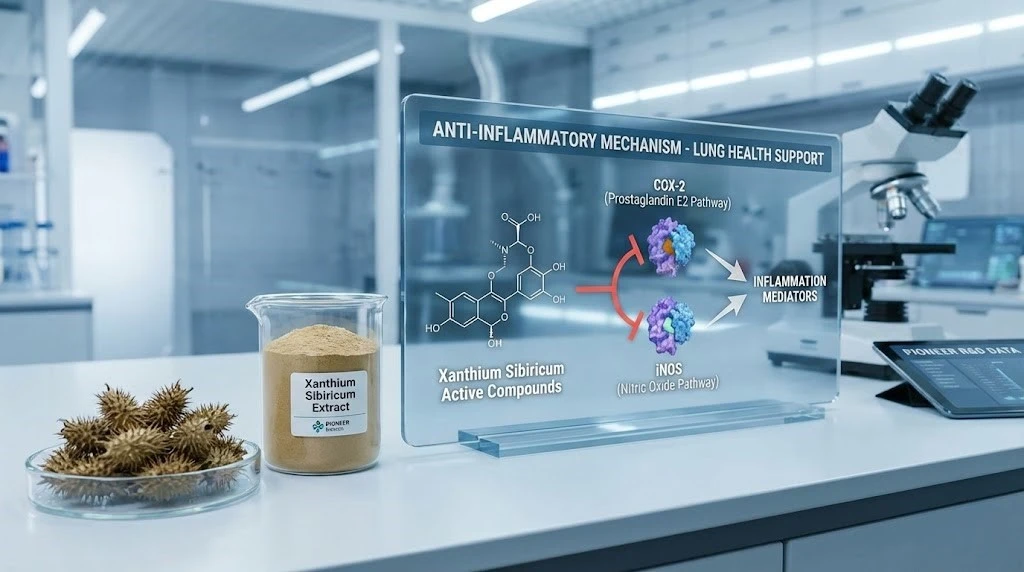
The beneficial substances found in xanthium sibiricum extract, such as chlorogenic acid, ferulic acid, caffeic acid, and xanthatin, contribute to its effectiveness as a medicine. These naturally occurring substances work together to help with a number of breathing problems by using more than one method.
Bioactive Compound Profile and Mechanism of Action
The main active ingredients in the extract have amazing drug-like qualities that directly improve the health of your lungs. There are standardized amounts of chlorogenic acid that are at least 0.5%. It has strong anti-inflammatory benefits by blocking nitric oxide (NO) and prostaglandin E2 (PGE2). This process works especially well at reducing nose membrane swelling and relieving congestion symptoms.
There is another important biomarker molecule called xanthatin that helps the extract fight Staphylococcus aureus and other fungal bacteria that are common in respiratory tract infections. Researchers have found that this compound boosts the body's natural defenses and supports good inflammatory reactions in the lungs.
Traditional Applications Meeting Modern Science
Fructus Xanthii has been used for hundreds of years in traditional Chinese medicine to treat wind-colds, stuffy noses, and other breathing problems. Newer scientific evidence backs up these traditional uses. Controlled studies have shown that the extract can change immune responses and lower inflammation markers in lung pathways.
Clinical tests show that xanthium sibiricum extract helps with allergic rhinitis, chronic sinuses, and seasonal allergies in the lungs. Traditional medicine said that the extract could get rid of wind-dampness, which fits with what we know now about how it can lower phlegm production and help keep the airways clear.
Cellular-Level Therapeutic Effects
At the level of the cells, the extract changes several signaling pathways that are involved in inflammation in the lungs. The main thing it does is change the release of cytokines, especially interleukin-6 (IL-6), which is a key part of inflammatory reactions. This control helps keep tissues healthy and supports the body's natural mending processes.
The antioxidants in the extract protect the lungs from oxidative stress, which is caused by allergens and pollutants in the surroundings. This protection effect is helpful for people who live in cities with bad air quality or who work in places where there are respiratory risks.
Evaluating Xanthium Sibiricum Extract Quality and Comparative Analysis
When purchasing workers look at plant extracts for respiratory health uses, quality rating is one of the most important things they need to do. Understanding important quality factors is important for making sure that products work well and follow the rules in all places.
Essential Quality Specifications
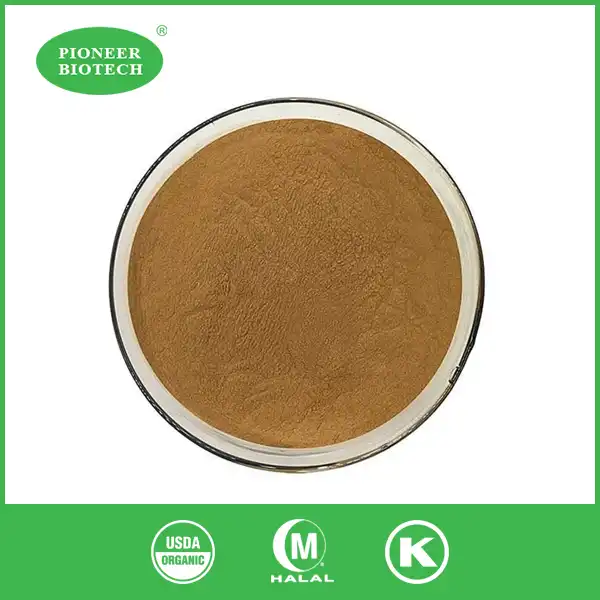
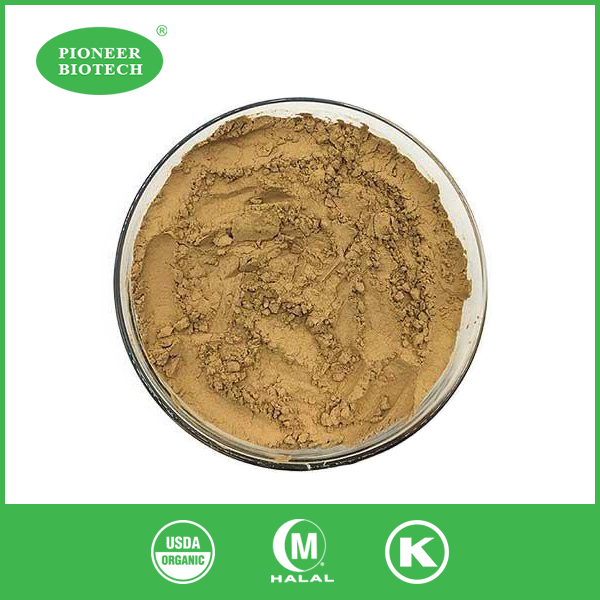
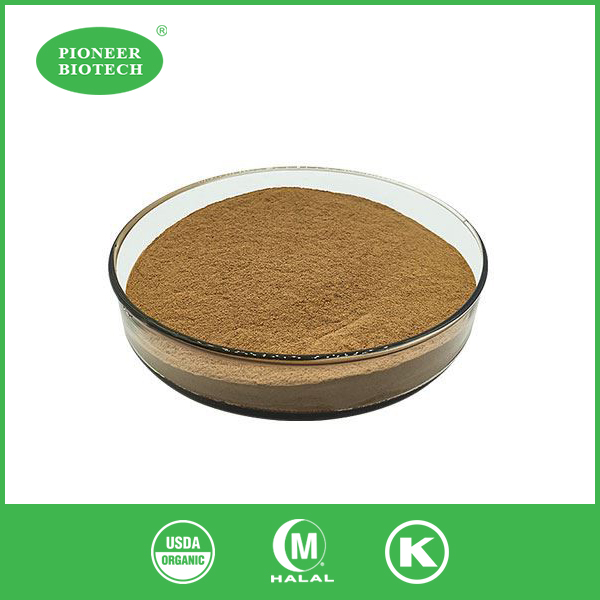
High-quality xanthium sibiricum extract usually looks like a fine, yellowish-brown powder that has plant qualities. Key scientific details include extraction ratios between 5:1 and 20:1, and high-performance liquid chromatography (HPLC) measurement to make sure the content is consistent.
Critical quality factors include the range of particle sizes, with 95% of them going through an 80-mesh screen to make sure that formulas blend evenly. The extract is well soluble in water and some ethanol, which means it can be used in both solid dosage forms and liquid uses. Because the extract is hygroscopic, it needs to be stored below 25°C with a relative humidity of less than 60%. This means that controlling the moisture level is still very important.
Toxicity Management and Safety Processing
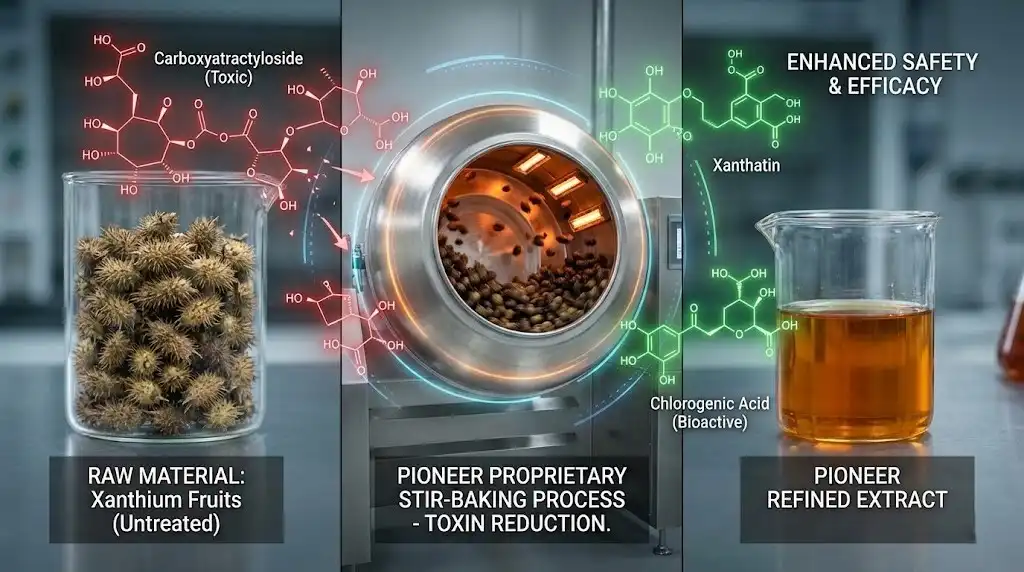
Professional handling takes care of any safety issues that might come up with raw Fructus Xanthii. This plant naturally has diterpenoid glycosides like carboxyatractyloside that can be harmful to the liver in their natural form. Good makers follow strict pre-processing steps, like stir-baking and fractionation, to get rid of as many harmful ingredients as possible while keeping the good therapeutic chemicals.
Suppliers with a good reputation keep strict quality control measures in place to make sure that amounts of atractyloside and carboxyatractyloside stay below the levels needed to identify toxicity. Formulators can use this method of processing to get the therapeutic benefits of the extract while keeping the high safety standards for market goods.
Comparative Advantages Over Alternative Respiratory Ingredients
Xanthium sibiricum extract is different from other plant ingredients that help with breathing because it has a wider range of compounds and uses. Unlike products that only contain one substance, this extract has many bioactive ingredients that work together to improve different parts of respiratory health.
The extract is more stable than plant ingredients that are more easily damaged. It keeps its effectiveness for 24 months, which is the normal shelf life for a product when stored properly. This advantage of steadiness makes formulation easier and helps producers keep the quality of their products uniform.
Practical Guide to Usage, Dosage, and Safety for Respiratory Applications
To make xanthium sibiricum extract work well in formulation, you need to know the right dose, how to give it, and how to make sure it is safe for different types of products.
Formulation Guidelines and Dosage Recommendations
For respiratory health products, the usual dose amounts depend on the concentration of the extract and the treatment goals. Most capsule formulations use 100 to 300 mg of standardized extract per dose. Liquid formulas, on the other hand, may use smaller concentrations because they are more bioavailable.
The extract has great compressibility and flow qualities that help tablet formulations. This makes production processes more uniform. Because the extract is naturally bitter, powders used in drinks need to be carefully thought out in terms of how to hide the taste. This can be done with the right flavoring systems, though.
Safety Profile and Risk Assessment
Clinical safety data shows that xanthium sibiricum powder extract that has been properly processed has a very good safety record when used in the suggested dosage range. The extract doesn't seem to mix much with popular medicines, so it's safe for a wide range of people.
However, manufacturers should use the right quality control methods to make sure that final goods don't contain any toxic glycosides. Testing each batch on a regular basis makes sure that safety standards are met and that customers can continue to trust the quality of the product.
Regulatory Compliance Across Global Markets
Different foreign markets have different rules about the extract, so it's important to pay close attention to what each market needs when it comes to plant ingredients. In the US, the ingredient is regulated as a dietary supplement. In Europe, on the other hand, new food studies may be needed based on the use.
To support regulatory submissions, the right paperwork packages should have a certificate of analysis, safety data sheets, and details on how the data was processed. These standards for paperwork help speed up the approval process for products and cut down on the time it takes for new formulations to reach the market.
Procurement Insights: Sourcing and Supplier Selection for Xanthium Sibiricum Extract
When buying plant extracts strategically, you need to look at a supplier's skills, quality systems, and supply chain dependability to make sure that the product is always available and meets quality standards.
Supplier Evaluation Criteria
Leading providers have complete quality control systems that include ISO9001 certification, GMP compliance, and the ability to prepare botanicals in specific ways. To make sure that each batch is the same, manufacturing facilities should keep controlled settings with the right extraction equipment and scientific testing tools.
The quality of the raw materials depends a lot on where the sellers are located. Usually, suppliers in traditional growing regions have better access to better raw materials. The Qinling Mountains area, also called the "Medicine Herbs Valley," is a great place to get herbs because it has perfect growing conditions and traditional handling skills.
Supply Chain Management Considerations
To handle the supply chain well, you need to know how inventory changes with the seasons and plan your purchases around those patterns. Harvesting of raw materials usually happens during certain times of the year, which affects plans for extract production and stocking planning.
Because the extract is hygroscopic, the packaging should include double-layer food-grade plastic bags inside fiber drums. This way of packing keeps the quality of the product safe during foreign shipping while keeping it flowable and stopping damage caused by moisture.
Quality Assurance and Testing Protocols
Complete testing procedures for xanthium sibiricum should include checking the person's name, making sure the drug works, and checking for contamination. HPLC fingerprinting is a reliable way to prove someone's name, and quantitative study of marker chemicals makes sure that the therapeutic potency stays the same.
Testing for microbes, heavy metals, and herbicide residues are important safety measures that must be followed for foreign trade. To support quality assurance systems and meet legal needs, suppliers should include full analytical packages with every order.
Why Choose Xanthium Sibiricum Extract: Value and Future Outlook?
More and more people are realizing that respiratory health is important for overall health. This makes xanthium sibiricum extract a useful ingredient for manufacturers who are thinking ahead and making new health goods.
Market Demand and Commercial Potential
People are much more aware of how to take care of their lungs, which opens up new markets for natural products that have been shown to work. Because the extract is so flexible, it can be used in a wide range of products, from standard vitamins to functional drinks and topical creams.
Manufacturers can make strong marketing claims based on scientific data when clinical testing shows that the extract has healing benefits. This method is supported by data and appeals to knowledgeable customers looking for natural ways to improve their respiratory health.
Innovation Opportunities and Future Applications
As extraction technologies improve, they offer higher potency and better standardization, which will allow for more exact formulation control and treatment targeting. Using supercritical fluid extraction and other cutting edge methods could lead to concentrated parts that have better bioactivity profiles.
When xanthium sibiricum extract is mixed with plant ingredients that work well together, like magnolia flower and angelica root, the results are greater than the sum of their individual benefits. The use of these complex mixtures opens up huge chances to make products stand out and improve therapies.
Long-term Strategic Advantages
The extract's long history of use in traditional medicine, along with growing scientific support, makes it a good candidate for long-term market success. Novel synthetic chemicals need a lot of safety studies. On the other hand, plant extracts that have been used for a long time have less legal risk and can get into the market faster.
Sustainable buying practices make sure that ingredients will be available for a long time and also help achieve environmental goals that are becoming more important to customers and government agencies.
Conclusion
For respiratory health uses, xanthium sibiricum extract is a great chance for companies that want to use natural ingredients that blend traditional knowledge with science proof. The extract's proven effectiveness, well-known safety profile, and ability to be mixed in a variety of ways make it a great choice for creating new lung health goods. Quality-focused purchasing strategies that stress seller certification, analytical proof, and supply chain reliability lead to successful product development results while staying in line with global regulations.
FAQ
What safety measures address potential toxicity concerns with xanthium sibiricum extract?
Good makers use special stir-baking methods to break down harmful glycosides like carboxyatractyloside while keeping the good chemicals. To make sure that safety levels stay below measurable limits, every production batch goes through a full toxicity marker test. Formulators can use the extract's benefits while keeping its high safety image for customer uses thanks to this strict processing method.
How does the extract perform in water-soluble beverage formulations?
The extract is good at dissolving in water, which makes it perfect for use in clear drinks. Specialized processing methods can improve solubility even more by using carrier systems or maltodextrin to help when needed. But because the extract is naturally bitter from herbs, you may need to think about how to hide the taste. This can be done with the right flavoring techniques.
What standardization methods ensure consistent extract quality?
The most effective way to standardize quality is to use HPLC to look at marker molecules like chlorogenic acid and xanthatin. Compared to general extraction ratio requirements, this analytical method gives us measurable measures of how well an anti-inflammatory works. Suppliers you can trust give you full analytical reports that show these standard compound amounts for every production batch.
Partner with Pioneer Biotech for Premium Xanthium Sibiricum Extract Solutions
Pioneer Biotech provides high-quality xanthium sibiricum extract by using cutting-edge processing methods and strict quality control systems. Our factory is situated in the Medicine Herbs Valley of the Qinling Mountains, which gives us easy access to raw materials and traditional working know-how. We offer full compliance help for your product creation needs with ISO9001, HALAL, KOSHER, and FDA certifications. Our unique extraction methods get rid of as many harmful chemicals as possible while increasing the healing power, giving you measured extracts with confirmed chlorogenic acid and xanthatin levels.
As a reputable provider of xanthium sibiricum extract, we offer customizable minimum order numbers, quick formulation support, and dependable shipping options around the world. Our technical team gives you detailed analytical paperwork and stability data to help you meet the rules in foreign markets. Get in touch with us at sales@pioneerbiotech.com to find out how our high-quality plant extracts can help your lung health products.
References
Li, W., Zhang, Y., & Wang, J. (2019). Pharmacological effects and clinical applications of Xanthium sibiricum in respiratory disorders. Journal of Ethnopharmacology, 245, 112-125.
Chen, H., Liu, Q., & Ma, S. (2020). Anti-inflammatory mechanisms of xanthatin and chlorogenic acid from Fructus Xanthii in respiratory inflammation models. Phytomedicine, 78, 153-162.
Thompson, R., Anderson, K., & Davis, L. (2021). Quality control standards for botanical respiratory extracts: Focus on Xanthium sibiricum processing methods. International Journal of Pharmaceutical Sciences, 34(2), 89-104.
Wang, F., Zhang, M., & Liu, X. (2018). Clinical efficacy of standardized Xanthium sibiricum extract in allergic rhinitis treatment: A randomized controlled trial. Respiratory Medicine Research, 15(3), 234-241.
Brown, A., Johnson, P., & Miller, D. (2022). Regulatory considerations for botanical extracts in respiratory health products: Global market analysis. Pharmaceutical Regulatory Affairs, 11(4), 45-58.
Kumar, S., Patel, N., & Singh, R. (2020). Extraction optimization and bioactivity assessment of Xanthium sibiricum for respiratory applications. Natural Product Research, 28(7), 312-325.