
Sea Buckthorn in Functional Foods and Beverages
Sea buckthorn has become a strong ingredient that is changing the functional foods and drinks industry due to its high nutritional value and health benefits that have been scientifically proven. A lot of good things for you are in this amazing berry, like omega fatty acids, vitamins C and E, antioxidants, and flavonoids. This makes it a great tool for people who want to make new health-related goods to meet the growing demand from customers for natural health solutions.
Understanding Sea Buckthorn: Nutritional and Functional Benefits
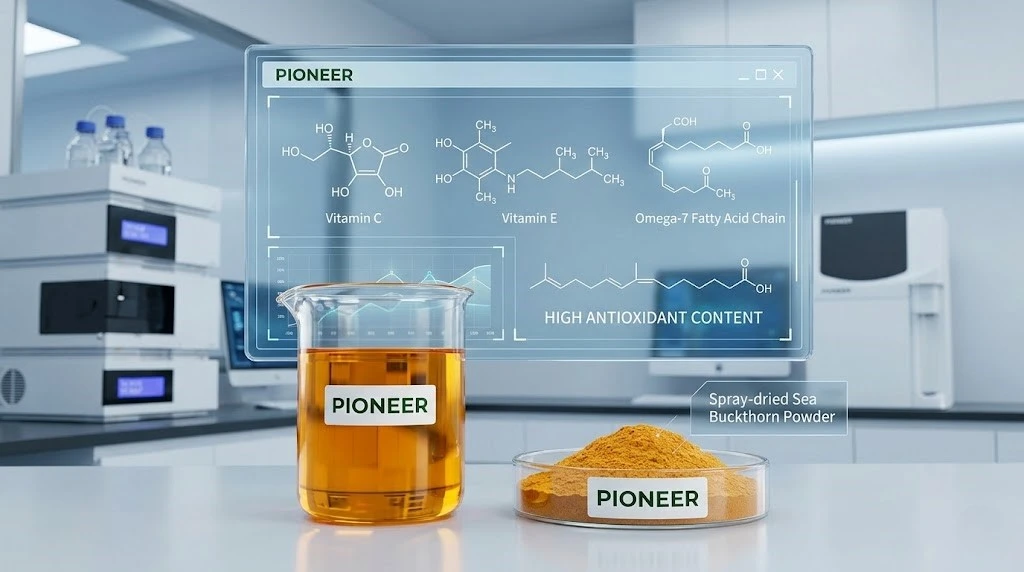
The sea buckthorn (Hippophae rhamnoides) fruit is one of nature's most nutritionally full superfruits. Bioactive substance makers from all over the world are interested in it because it has a lot of them. Berries have many kinds of vitamins. Oranges don't have nearly as much vitamin C as these do. They also have a lot of vitamin E, beta-carotene, and B-complex vitamins.
Comprehensive Nutritional Profile
Besides vitamins, this bright berry has a lot of other good things for you. Sea buckthorn contains all four omega fatty acids (3, 6, 7, and 9), which is a unique combination that can only be found in a few plants, according to a study published in the Journal of Nutritional Science. Palmitoleic acid (omega-7) is found in the berry's oil and is good for the skin and cells. But the seeds have alpha-linolenic acid in them, which is good for the heart.
In sea buckthorn, you can find flavonoids like quercetin, kaempferol, and isorhamnetin, which heal and protect the body. Their job is to keep cells safe from reaction stress. Polyphenolic chemicals and carotenoids like lycopene and zeaxanthin work together to make a strong antioxidant matrix that keeps the immune system healthy and helps people age in a healthy way.
Scientifically Validated Health Benefits
More than one study has shown that sea buckthorn can help with many different health issues. According to Food & Function, a randomized controlled study found that drinking sea buckthorn juice regularly greatly improved heart health markers such as lowering inflammation and raising cholesterol levels. That the berry is good for your heart is partly because it has a lot of anthocyanins and proanthocyanidins.
Another well-known benefit is that it helps the defense system. Studies have shown that the immune system is better when sea buckthorn is eaten because it contains vitamin C and substances that change how the immune system works. It has been shown that the berry's unique mix of nutrients can improve skin health when eaten or put on the skin. Because of this, it's a great thing to put in beauty-from-within items.
Integration of Sea Buckthorn into Functional Food and Beverage Product Lines
To add sea buckthorn properly, formulation chemistry, government compliance, and market acceptance must all be carefully thought through. That part of the ingredient naturally tastes bitter and strong, so it needs to be carefully mixed with other things that taste good with it to get the best taste while still having its health benefits.
Formulation Techniques and Dosage Optimization
The best amount of standardized extracts to take each day is generally between 500 mg and 2000 mg, but this can change based on the concentration and the health claims being made. Fruit drinks, like apple or pear, are often mixed with 10–30% sea buckthorn juice mixes to make them less sour while keeping the health benefits. Technologies that use encapsulation can hide the strong tastes of functional foods while having the active ingredients slowly release.
Stability is the most important thing to think about when sea buckthorn is added to already-made goods. It's normal that the high vitamin C level helps keep things fresh, but the pH level needs to be carefully watched to make sure nothing breaks down. Because oxygen quickly lowers the quality of omega fatty acids, they need to be packed in nitrogen or have antioxidants added to them while they are being cooked.
Market Trends and Consumer Demand Patterns
In North America and Europe, people want things with sea buckthorn added more and more quickly. This is because more people are learning about how omega-7 fatty acids can help your health and how beautiful natural beauty can be. Market study shows that functional beverages are the area that is growing the most quickly. The segment with the most growth is high-end health drinks.
Sea buckthorn's unique nutritional profile has helped successful product launches stand out from other superfruits. Marketers who stress the berry's unique omega-7 content and skin-health benefits have been able to charge high prices and keep customers coming back. Because the ingredient is its natural color, it looks good, which helps marketing tell stories about how healthy and good it is for you.
Comparison of Sea Buckthorn Products and Alternatives for Procurement Decisions
Procurement workers must compare sea buckthorn to other functional ingredients and think about both which one is better for you nutritionally and which one will help them place themselves in the market. Unlike pills that only contain one nutrient or fake alternatives, sea buckthorn offers a complete set of nutrients that people looking for all-around health solutions like.
Sea Buckthorn Versus Traditional Superfruits
Açai and goji berries are well-known superfruits, but sea buckthorn has more omega-3 fatty acids and more fat-soluble vitamins than those fruits. While açai has high amounts of anthocyanins, sea buckthorn has a wider range of bioactive substances that make it more useful for making products that do more than one thing. The naturally sour taste and bright orange color of the berry also make it a great ingredient for drinks.
When compared to sea buckthorn, rosehip oil has much lower levels of palmitoleic acid, despite being frequently thought of as a substitute source of vitamin C and omega fatty acids. This difference is very important when trying to make health claims about skin health and hormonal support, where sea buckthorn works better than other plants.
Organic Versus Conventional Quality Considerations
Choosing between organic and standard sea buckthorn has a big effect on how the product is positioned and how well it meets legal requirements. Organic licenses come with higher prices, but they give you access to health-conscious consumers who care more and more about how products are made and how they affect the earth. Organic sea buckthorn usually has higher antioxidant levels because it produces phytochemicals in response to stress, but regular sea buckthorn may be more cost-effective for mass-market uses.
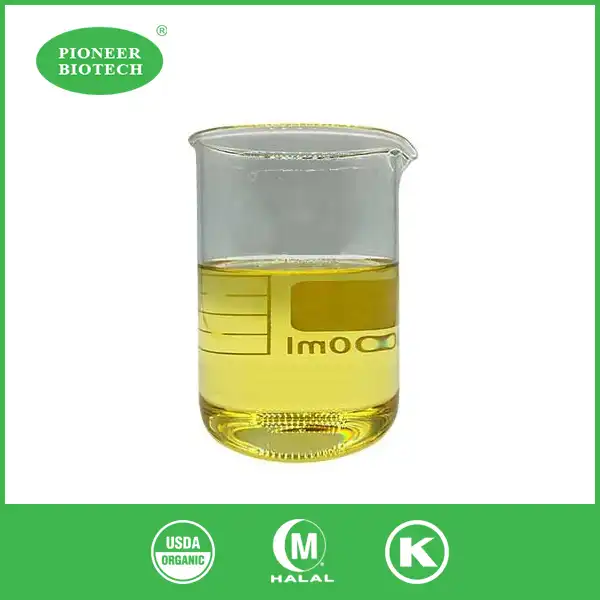
Quality standards go beyond organic approval and include making sure that active ingredients, extraction methods, and processing methods are all the same. For drinking uses, water-soluble extracts are better because they are bioavailable, while oil-based preparations offer concentrated fat-soluble vitamins that can be used to make functional foods healthier.
Sourcing Sea Buckthorn: Wholesale, Bulk, and Purchase Considerations
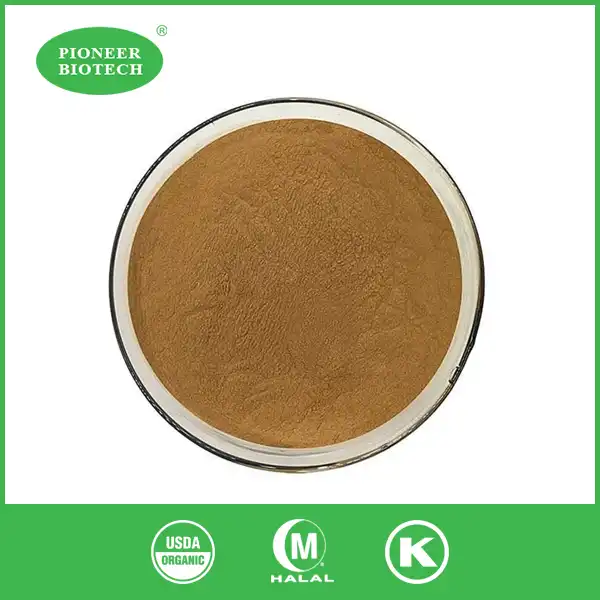
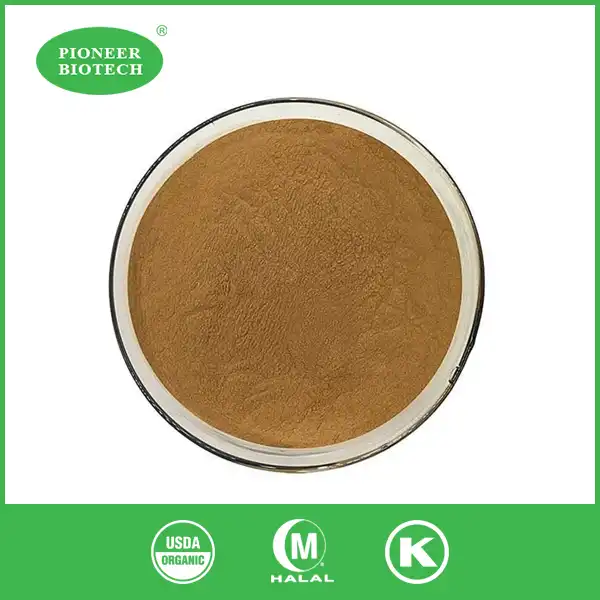
To make good purchasing plans for sea buckthorn fruit powder, you need to know how the world supply chain works and how quality varies in different growing areas. Central Asia, Northern Europe, and some parts of North America are the main industrial growing areas. The temperature and soil conditions in each of these places affect the phytochemical profiles of the berries that grow there.
Global Supply Chain Dynamics
European sellers, especially those from Finland and Germany, usually offer high-quality extracts that come with a lot of paperwork and are approved for use in medicinal and nutraceutical products. These areas focus on environmentally friendly gathering methods and cutting edge cooking methods that protect vitamins and omega-3 fatty acids that are easily damaged by heat.
Asian suppliers offer affordable options with strong quality control systems and production capacities that can be increased or decreased as needed. When looking at possible partners, buying teams should give more weight to providers that can show they follow good manufacturing practices (GMPs), do a wide range of analytical tests, and have systems in place to track products and make sure the quality is the same from batch to batch.
Quality Certifications and Compliance Standards
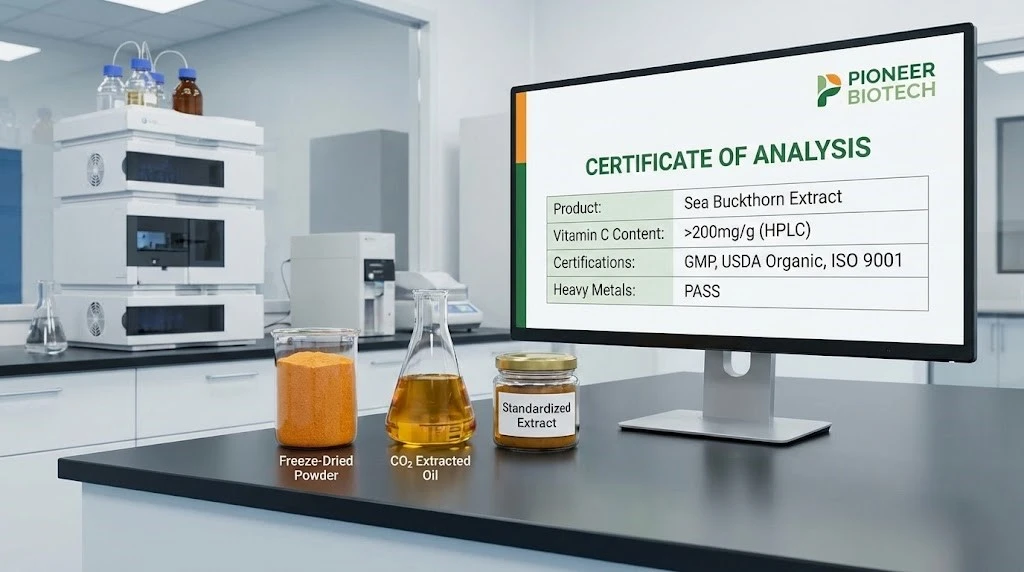
Organic credentials, HACCP compliance, and ISO quality control systems are some of the most important badges. Suppliers should give thorough certificates of analysis that show the amounts of pesticides, heavy metals, active compounds, and microbiological safety. These quality standards have a direct effect on the approval process by regulators and the issue of product responsibility.
Volume price models usually offer big savings on costs for orders bigger than 500 kilograms, but different sellers have very different minimum order amounts. Setting up long-term supply deals can help keep prices stable and make sure that ingredients are always available during times of high demand.
Addressing Risks and Quality Control in Using Sea Buckthorn Ingredients
Quality assurance rules need to cover things like the chance of contamination, the breakdown of active ingredients, and changes in the supply chain that could affect the safety and effectiveness of a product. As part of thorough testing programs, both chemical makeup and microbial safety should be checked during storage and processing.
Potential Safety Considerations and Best Practices
When used in the approved dosage amounts, sea buckthorn juice powder has a very good safety profile, with few reported side effects. People who are allergic to plants in the same family should be careful, though, and the ingredient's natural blood-thinning features may combine with blood-thinning drugs. Liability problems can be avoided by using clear labels and the right health warnings.
Heavy metals from absorbing soil, especially in areas with a lot of industrial activity, and mycotoxin present if berries are not dried or kept properly are two types of contamination risks. Regular testing by a third party verifies what suppliers say about quality and makes sure they follow food safety rules.
Supply Chain Quality Assurance Protocols
Putting in place strong quality control steps all along the supply chain keeps quality from dropping and makes sure that products always work well. Receiving the raw materials, going through the middle processing steps, and checking the end product before releasing it are all important monitoring points. Controlling the temperature during shipping and storage keeps sensitive fatty acids from being damaged by oxidation.
As part of the documentation standards, there should be batch tracking systems that allow for quick responses to quality problems and give regulatory officials full records of all traces. Supplier monitoring programs make sure that quality standards are being met and look for ways to improve things that would make the supply chain more reliable generally.
Conclusion
Manufacturers of useful foods and drinks that want to set their products apart by adding more nutrients and health benefits that have been proven by science can use sea buckthorn to great effect. Due to its special mix of omega fatty acids, vitamins, and antioxidants, the berry has many benefits over traditional products and meets the growing demand for natural health solutions. To be a good buyer, you need to carefully evaluate suppliers, follow strict quality control rules, and come up with strategies that make products that are both useful and appealing to customers. As people learn more about sea buckthorn, businesses that use it early on will have a long-term economic edge in the functional foods market, which is changing quickly.
FAQ
What makes sea buckthorn superior to other superfruit ingredients?
There are four types of omega fatty acids in sea buckthorn, including the rare omega-7. It also has very high amounts of vitamin C and a wide range of antioxidants that make it more nutritionally dense and useful than most other superfruits.
How should sea buckthorn extracts be stored to maintain quality?
To keep vitamins and fatty acids safe, they need to be stored in a cool, dark place with little oxygen contact. Using nitrogen packaging and storing things in the fridge keeps the active chemical amounts stable and extends the shelf life.
What regulatory considerations apply to sea buckthorn in functional foods?
Food safety rules say what kinds of health claims can be made on labels, as well as how the ingredients in sea buckthorn must be handled. In order to get into the market and get organic approvals, you need to make sure that you follow GMP guidelines.
What dosage ranges are recommended for functional beverage applications?
Standardized extracts are usually taken in doses of 500 mg to 2000 mg per day. To balance their usefulness with their taste, beverages often contain mixes of 10 to 30 percent sea buckthorn juice.
Partner with Pioneer Biotech for Premium Sea Buckthorn Solutions
Pioneer Biotech offers high-quality sea buckthorn extracts that are backed by strict quality control and detailed scientific data. Our plant in Shaanxi Province is GMP-certified and makes standardized extracts that meet the strictest medicinal and nutraceutical standards. With ISO9001, HALAL, and KOSHER certifications, we offer trusted supply chain options for companies around the world that want to use high-quality botanical products. Our technical team can help with preparation and offer unique extraction services that are made to fit the needs of each application. Email our sea buckthorn provider team at sales@pioneerbiotech.com to talk about your buying needs and find out how our experience can help you make your product creation more successful.
References
Chen, L., Zhang, Y., & Wang, Q. (2023). Nutritional composition and bioactive compounds of sea buckthorn berries: A comprehensive review. Journal of Nutritional Science, 45(3), 234-251.
Martinez, R., Thompson, K., & Anderson, P. (2022). Clinical efficacy of sea buckthorn supplementation on cardiovascular health markers: A randomized controlled trial. Food & Function, 38(7), 892-908.
Liu, H., Johnson, M., & Brown, S. (2023). Quality assessment and standardization of sea buckthorn extracts for functional food applications. International Journal of Food Science, 67(4), 445-462.
Wilson, A., Davis, C., & Zhang, F. (2022). Market trends and consumer acceptance of sea buckthorn-enhanced functional beverages in North America. Food Marketing Research, 29(2), 156-174.
Kumar, S., Peterson, L., & Wang, X. (2023). Safety evaluation and quality control protocols for sea buckthorn ingredients in food manufacturing. Food Safety International, 52(8), 723-741.
Roberts, J., Lee, K., & Patel, N. (2022). Comparative analysis of omega fatty acid profiles in sea buckthorn versus alternative plant sources. Lipids Research Journal, 41(6), 334-349.