
What EGCG Content Is Ideal in Green Tea Extract Powder?
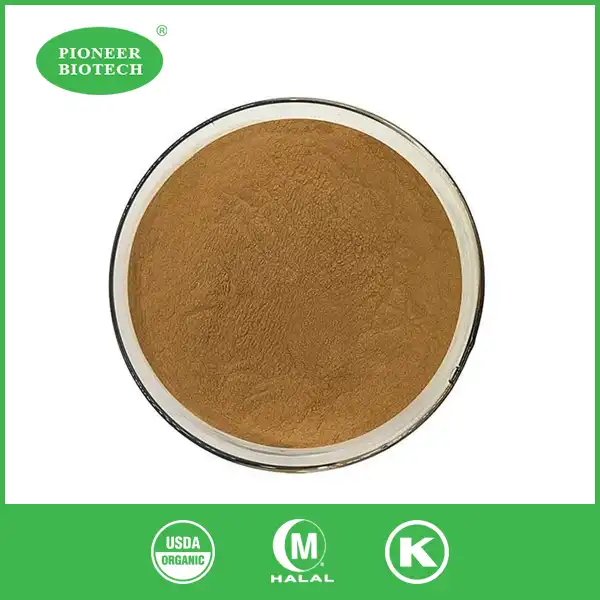
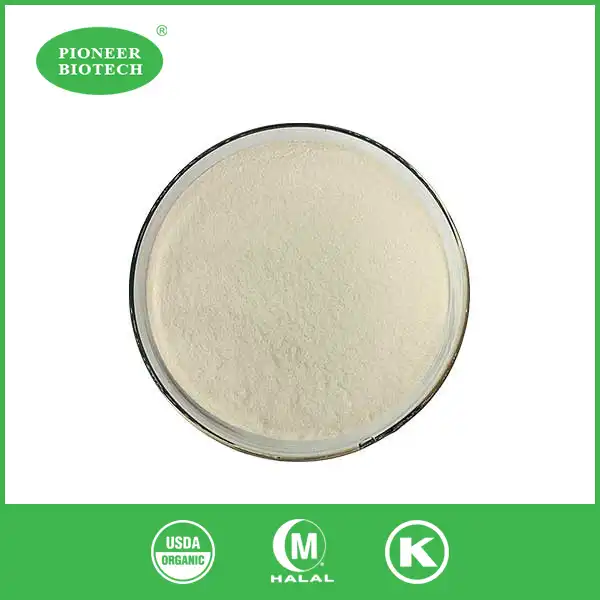
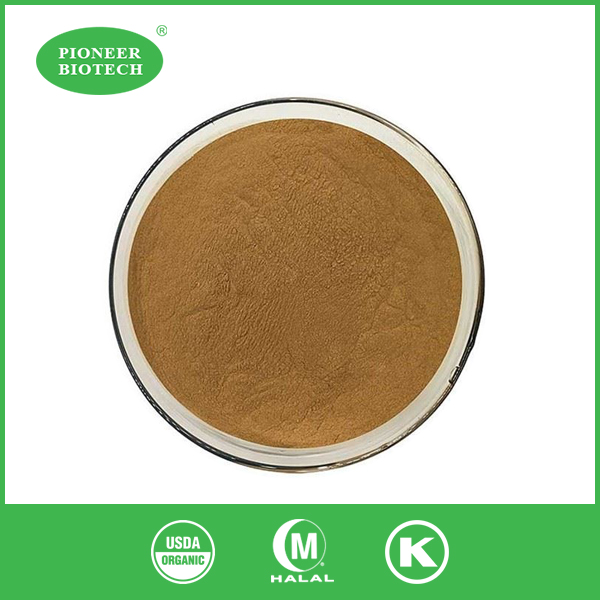
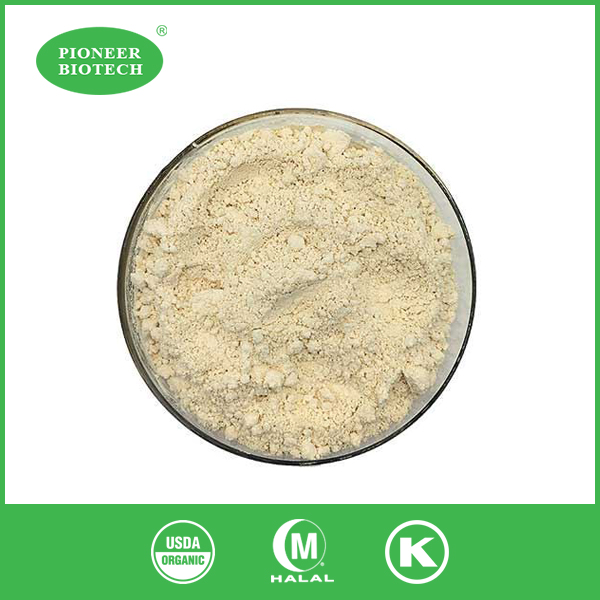
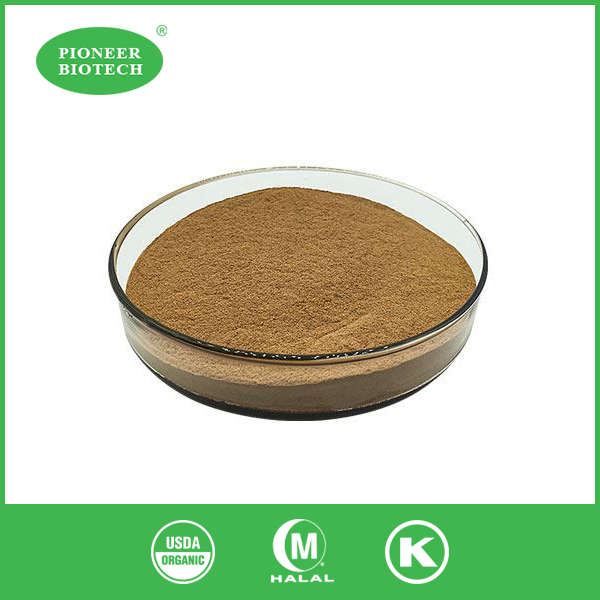
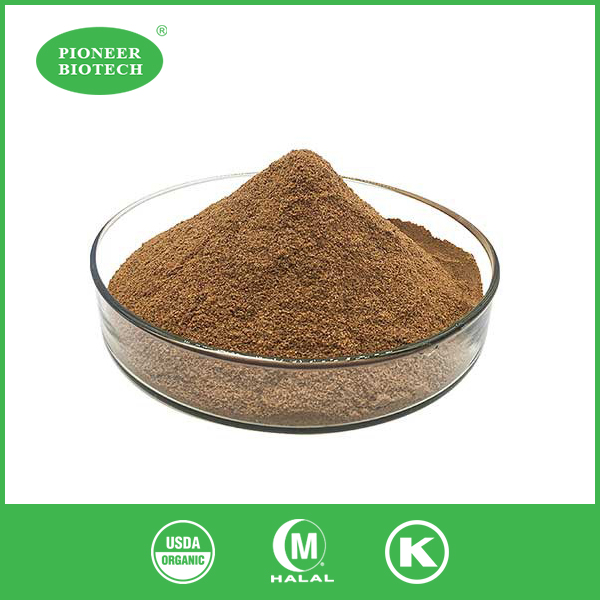
When looking for green tea extract powder to use in supplements, the best EGCG level is usually between 45% and 98%, but this depends on the needs of the application. Higher concentrations (90–98%) work best for pharmaceuticals and high-end nutraceuticals. On the other hand, intermediate concentrations (45-70%) work best for useful foods and drinks. For your target market, the best choice strikes a mix between bioavailability, stability, cost-effectiveness, and regulation compliance.
Understanding EGCG and Its Role in Green Tea Extract Powder
The Science Behind EGCG's Bioactivity
EGCG is the most common and biologically active catechin in green tea. In high-quality extracts, it makes up about 50–80% of all catechins. Research shows that this polyphenolic chemical is a very powerful antioxidant. In fact, tests show that it is much more effective than vitamins C and E at scavenging free radicals. A study in the Journal of Nutritional Biochemistry shows that EGCG's special molecular structure lets it eliminate reactive oxygen species and support health pathways in cells.
EGCG's absorption changes a lot depending on how it is extracted, processed, and standardized as a powder. Powders that are extracted with water usually have 20–45% EGCG, while powders that are removed with ethanol can have amounts higher than 95%. These differences have a direct effect on the formulation needs and dose methods for different uses.
Quality Indicators Beyond EGCG Content
The concentration of EGCG is the main quality indicator, but buying workers also have to look at other factors that affect how well the product works. Total flavonoid content, catechin profiles, and caffeine levels all work together to make a quality framework that tells you if an extract is right for a certain job.
The amounts of EGCG and other healthy catechins, such as epicatechin gallate (ECG) and epicatechin (EC), in premium green tea extract powder stay the same. Because these substances work together to improve bioavailability and therapeutic benefits, it is important to have normal catechin profiles so that formulation results can be repeated.
Key Criteria to Evaluate Ideal EGCG Content for Procurement
Industry Standards and Regulatory Considerations
The nutraceutical and pharmaceutical companies know that there are certain EGCG content amounts that meet safety standards and work as expected. The European Food Safety Authority (EFSA) says that healthy people can eat up to 800 mg of EGCG every day without any problems. The FDA's "Generally Recognized as Safe" (GRAS) rating means that it can be used in a wider range of situations.
To choose the right EGCG levels, you need to match the quantity to the purpose. Supplements for weight loss work better when they have higher amounts (70–95% EGCG), giving you 300–400 mg per serve. Formulations for energy and health work well with modest amounts (45-70% EGCG), giving 100–200 mg per dose while keeping costs low.
Processing Factors Affecting EGCG Stability
The manufacturing process has a big effect on how stable and bioavailable EGCG is in end goods. Spray-drying methods keep more of the EGCG content than traditional heat-drying methods, and special packaging technologies keep the catechins from breaking down or oxidizing.
Conditions of storage have a big effect on the stability of EGCG all along the supply chain. Changes in temperature above 25°C speed up the breakdown of catechins. Light and moisture also lower the bioactive content by 15–30% within six months. To make sure that the quality of the product is maintained, the specs for procurement should include specifics about how to store the product and data from stable tests.
Comparative Analysis of Green Tea Extract Powder EGCG Content
Market Leaders and Their Specifications
Leading suppliers offer a range of EGCG concentration choices that are specifically designed to meet the needs of each business. High-purity extracts with 95–98% EGCG are used in medicinal uses that need the most potency with the fewest additives. These top types cost more, but they are better at bioavailability and recipe freedom.
Standard commercial types with 50–70% EGCG are a great deal for companies that make food supplements and want to balance performance and cost-effectiveness. These goods keep their quality the same and help businesses use competitive pricing tactics in consumer markets.
Organic Certification Impact on EGCG Levels
Organic approval affects both the amount of EGCG in the extract and the quality of the extract as a whole by setting rules for growing and processing. EGCG levels in organic green tea extract powder are usually 10–15 percent lower than those in conventional versions. This is because organic powders are made with softer extraction methods and fewer processing aids.
The organic price comes from higher production costs, tighter quality controls, and more interested customers. Market research shows that 67% of health-conscious customers actively look for organic products. This supports premium positioning strategies for brands that stress natural purity and caring for the environment.
Bulk Supply Considerations
Strategies for buying a lot of goods must find a balance between the need for EGCG concentration and the need for cost efficiency and supply chain stability. Large buyers benefit from yearly contracts that guarantee stable quality standards and let them take advantage of volume savings and better price systems.
When buying in bulk, quality control is very important because it requires thorough testing procedures that check for EGCG content, microbial safety, and heavy metal compliance. Setting clear specs and acceptance criteria stops expensive quality problems and makes sure that all production batches meet legal requirements.
How to Select and Use Green Tea Extract Powder with Optimal EGCG Content?
Supplier Evaluation Best Practices
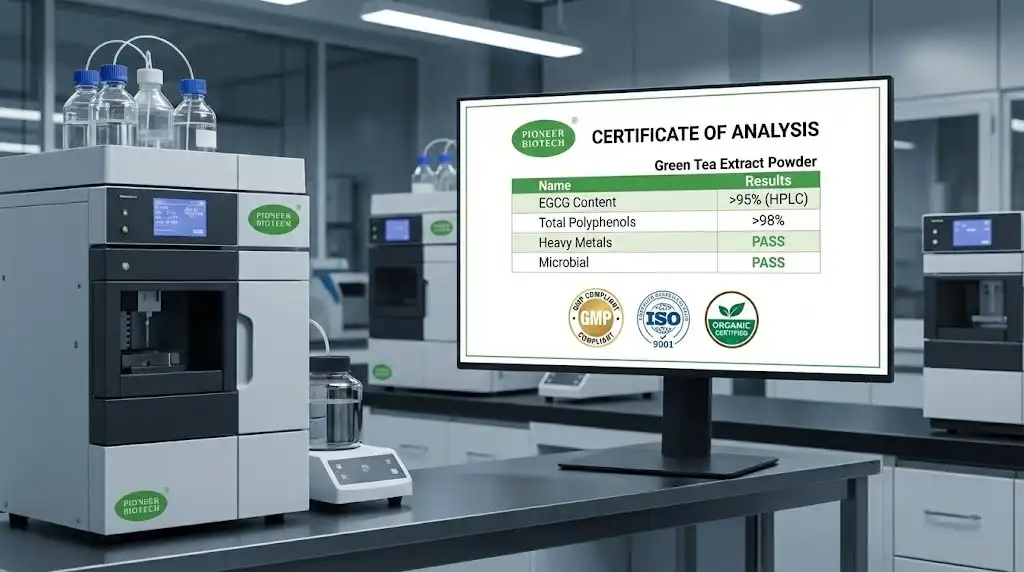
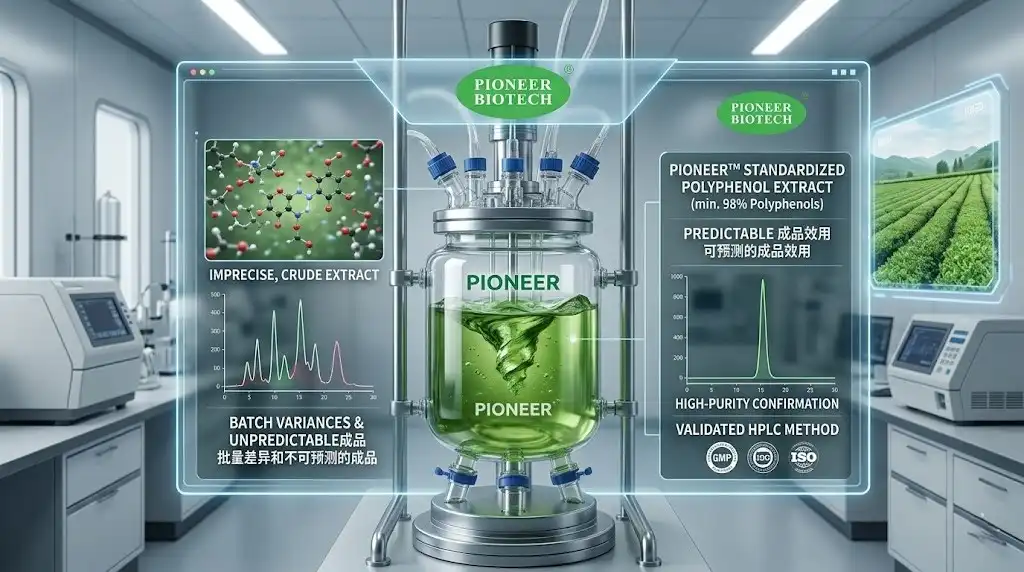
A full evaluation of a seller starts with making sure that their analytical skills and quality control methods are up to par. ISO 9001 recognition, GMP compliance, and third-party testing procedures show that the company is dedicated to providing consistent quality products. Ask for detailed Certificates of Analysis (COA) that show that the EGCG content has been checked using HPLC, which guarantees that the specs are correct and reliable.
Check to see what kind of expert support the seller offers, such as help with formulation, regulation advice, and special extraction services. Leading makers offer services like application labs, stability testing, and help with regulatory paperwork that speed up product development and lower the risk of not meeting compliance standards.
Formulation Optimization Strategies
To make a good recipe, you need to know how EGCG works with other ingredients and how it is processed. Mineral salts, especially iron and calcium, can make EGCG less bioavailable by reacting with it and binding to it. Adding vitamin C or citric acid makes the substance more stable and increases its intake by 25 to 40 percent.
Encapsulation methods keep EGCG safe while it is being made and stored, and they also control how it releases in finished goods. Enteric-coated pills keep stomach acid from breaking down drugs, and time-release formulations make medicines more bioavailable for longer periods of time, which improves their therapeutic benefits.
Supply Chain Management Excellence
To keep the purity of EGCG during distribution, shipping conditions, packing requirements, and inventory movement processes must be carefully followed. Nitrogen-flushed packaging keeps bioactive material from going bad during transport, and temperature-controlled operations keep it safe in harsh climates.
Using strict quality control methods when materials are received makes sure them meet the requirements before they are used in production. Random sample procedures and quick testing help find possible quality problems before they affect the quality of the finished product or the company's ability to follow the rules.
Conclusion
The amount of EGCG in green tea extract powder is the best way to tell how good it is, and it has a direct effect on how well it works, how happy customers are with it, and how competitive the market is. Knowing the best concentration ranges helps you make smart buying choices that combine therapeutic benefits with practical issues like steadiness, cost-effectiveness, and following the rules.
To successfully source goods, you need to carefully look at what the suppliers can do, how they do it, and how they handle the supply chain. The best amount of EGCG for different uses is very different. For example, high-potency pharmaceutical products need concentrations of 90–98%, while balanced dietary supplements need concentrations of 50–70% for best customer value.
Strategic relationships with qualified makers help businesses reach their long-term growth goals while ensuring consistent delivery of high-quality goods. Procurement pros can easily find premium green tea extract powder that meets changing market needs and government regulations by focusing on verified EGCG specifications, thorough quality documentation, and a reliable supply chain performance.
FAQ
What EGCG percentage should I look for in green tea extract powder?
What your program needs will determine the best EGCG amount. For best effectiveness, pharmaceutical formulations usually need 90–98% EGCG, while food supplements work well with 50–70% amounts. 20–45% EGCG products are often used in functional foods and drinks to save money and improve the taste.
How can I verify supplier claims about EGCG content?
Is it possible to check what a seller says about the amount of EGCG? Ask for specific Certificates of Analysis that show the results of HPLC tests done by approved labs. Reliable sellers give testing information for each batch, such as the amount of EGCG, total catechins, and purity factors. For high-value buying contracts, third-party verification testing may be a good way to make sure that the specifications are met.
Does higher EGCG content always mean better quality?
A higher quantity of EGCG means it is more powerful, but it might not be right for all uses. Extremely high amounts can make it hard to formulate, change the taste, and raise costs. The best choice strikes a mix between the amount of EGCG it contains, how stable it is, how bioavailable it is, how well it meets regulatory standards, and how much it costs.
What factors affect EGCG stability in powder form?
What makes EGCG powder less or more stable? Temperature, humidity, light exposure, and air exchange all have a big effect on how stable EGCG is. It is best to store EGCG material at temperatures below 25°C, relative humidity below 60%, and away from direct light. Nitrogen-flushed packing and adding a desiccant make the food last longer while keeping its bioactive qualities.
How does processing method influence EGCG content?
How does the way EGCG is processed change its content? Temperatures and solvents used for extraction have a direct effect on the end amounts of EGCG. EGCG amounts range from 20 to 45% when extracted with water, but they can reach up to 98% when extracted with ethanol. Spray-drying keeps more bioactives than standard heat-drying, so choosing the right processing method is important for getting good results.
Partner with Pioneer Biotech for Premium Green Tea Extract Solutions
Pioneer Biotech sells high-quality green tea extract powder with EGCG levels that have been tested and found to be between 45% and 98%. This powder comes with full quality certifications and analysis paperwork to back it up. Our cutting-edge center in Hanzhong's Medicine Herbs Valley blends cutting-edge extraction technologies with strict quality control systems to make sure that our global B2B clients always get the best products.
As a reliable green tea extract powder manufacturer with more than twelve years of experience, we offer solutions that are made to fit the needs of your unique purpose. Our technical team can help you with formulation, give you legal advice, and do stable testing. These services will speed up the time it takes to make your product while still making sure it meets international standards. Get in touch with our sales team at sales@pioneerbiotech.com to talk about your buying needs and find out about our cheap bulk green tea extract powder prices.
References
Yang, C.S., Wang, H., Li, G.X., Yang, Z., Guan, F., & Jin, H. (2011). Cancer prevention by tea: Evidence from laboratory studies. Pharmacological Research, 64(2), 113-122.
Chacko, S.M., Thambi, P.T., Kuttan, R., & Nishigaki, I. (2010). Beneficial effects of green tea: A literature review. Chinese Medicine, 5(1), 13-21.
Henning, S.M., Niu, Y., Lee, N.H., Thames, G.D., Minutti, R.R., Wang, H., & Heber, D. (2004). Bioavailability and antioxidant activity of tea flavanols after consumption of green tea, black tea, or a green tea extract supplement. American Journal of Clinical Nutrition, 80(6), 1558-1564.
Singh, B.N., Shankar, S., & Srivastava, R.K. (2011). Green tea catechin, epigallocatechin-3-gallate (EGCG): mechanisms, perspectives and clinical applications. Biochemical Pharmacology, 82(12), 1807-1821.
Cabrera, C., Artacho, R., & Giménez, R. (2006). Beneficial effects of green tea—a review. Journal of the American College of Nutrition, 25(2), 79-99.
Lambert, J.D., & Yang, C.S. (2003). Mechanisms of cancer prevention by tea constituents. Journal of Nutrition, 133(10), 3262S-3267S.