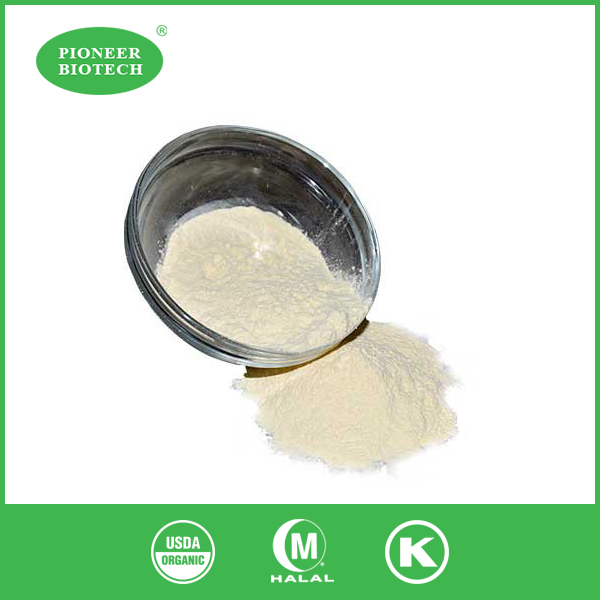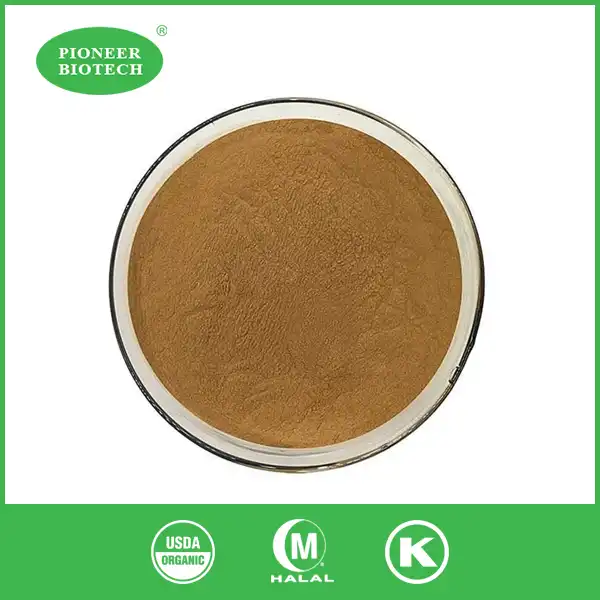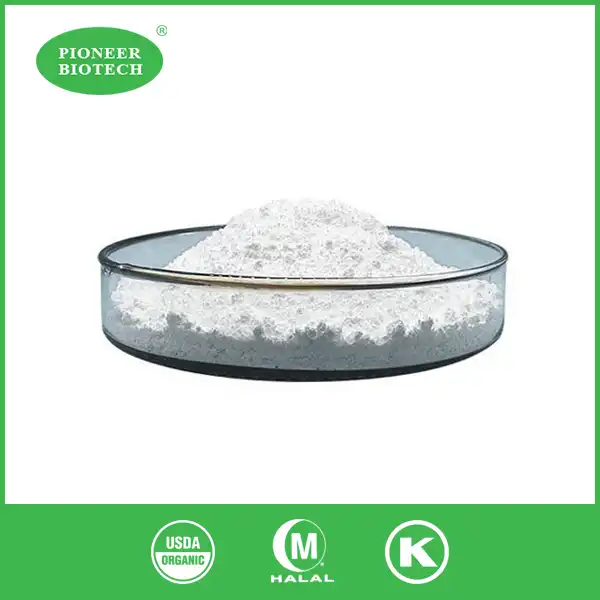

Chinese jujube seed saponins makers are becoming more popular with supplement brands because they have great ways of extracting ingredients, keep a close eye on quality, and are able to make things cheaply. When it comes to making high-purity jujube seed saponins with bioactive compounds that don't change from one batch to the next, Chinese producers are the best. They meet international standards and offer great prices on large orders. Because of their state-of-the-art buildings and ability to fully comply with regulations and offer technical support, they are the best partner for any nutraceutical company looking for dependable plants to use in their products.
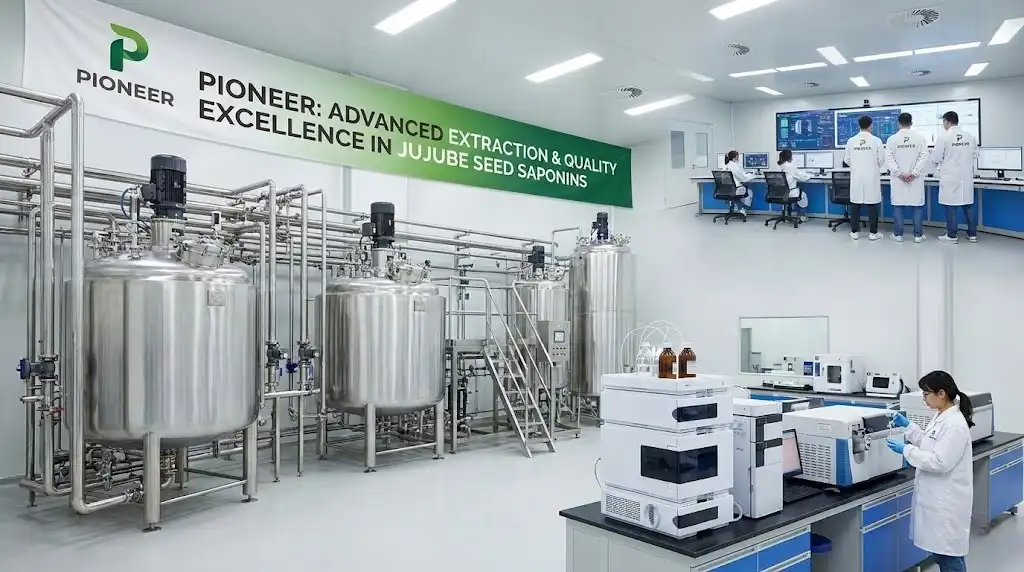
Understanding Jujube Seed Saponins and Their Market Demand
As people become more interested in natural health, jujube seed saponins have become a popular bioactive compound in the supplement business. These specialized molecules have unique healing qualities that make them different from other plant-based extracts. This creates a lot of market demand in a wide range of areas.
What Are Jujube Seed Saponins?
The seeds of the Ziziphus jujuba plant, which is known as a Chinese date or a red date, contain a chemical called jujube seed saponins. This chemical is a triterpene glycoside. These bioactive chemicals have complicated molecules with sugar parts attached to triterpene aglycones. These make the chemicals behave in a variety of ways biologically. The seeds have a lot of these useful saponins, but they are usually thrown away when fruit is processed. This makes them a great source for use in medicine and nutrition.
The extraction process uses advanced methods to make sure these fragile chemicals aren't damaged. Supercritical fluid extraction and advanced chromatographic purification are a couple of the methods that modern manufacturers use to get standardized extracts with consistent saponin concentrations. These concentrations usually range from 10% to 80%, based on the intended use.
Health and Functional Benefits Driving Market Interest
Researchers have found that jujube seed saponins are very good at fighting antioxidants, protecting cell structures from oxidative damage by reducing free radicals. These compounds also have strong anti-inflammatory effects, which makes them useful for supplements that are meant to support the immune system and general health.
Promising results have been found in clinical studies about their ability to protect the brain, especially in helping people sleep better and handle stress. These saponins can act as a sedative, which has led drug companies working on natural substitutes for manmade sleep aids to take notice of them. Also, they are good for liver health ingredients because they protect the liver, and they also help the immune system.
Global Trends in Jujube Seed Saponins Usage
Jujube seed saponins have gained popularity in the functional foods market due to their adaptability and appeal to consumers. More and more, beauty-from-within products contain these substances because they can protect skin and fight the effects of aging. Jujube seed saponins, as compared to ones from quinoa, ginseng, or other plants, have different stable characteristics and are easier for the body to absorb.
Consumers in both Europe and America are constantly looking for plant-based health options. Market analysis shows that these markets are increasingly using them. The clean-label trend supports jujube seed saponins because they are an example of traditional herbal medicine that has been proven to work by modern science.
Key Advantages of Chinese Jujube Seed Saponins Manufacturers
Chinese makers have become industry leaders by focusing on new technologies and high-quality work. They have the upper hand because they combine decades of knowledge in traditional Chinese medicine with modern industrial capabilities.
Superior Extraction Technologies and Quality Control
Top Chinese facilities use the most advanced methods of extraction to get the most saponin possible while keeping the purity of the compounds. Methods of enzymatic extraction break down cell walls very well, and methods of ultrasonic-assisted extraction improve mass transfer without breaking things down with heat. Using these more advanced ways is better than older ones at getting back more bioactive compounds.
Quality control systems use a number of scientific checks at different points in the production process. High-performance liquid chromatography (HPLC) fingerprinting makes sure that each batch is the same, and mass spectrometry checks for chemical identity and purity. This tough method gives supplement brands consistent, trustworthy ingredients that meet exact standards.
Compliance with International Quality and Safety Standards
ISO 9001, GMP, HACCP, and organic certifications are all part of the broad set of certifications held by Chinese jujube seed saponin companies. These credentials show that they are dedicated to following foreign rules and standards. To make sure that they always follow global food and drug safety rules, many centers have to pass regular checks by outside auditors.
As part of regulatory applications for target markets, documentation packages come with in-depth certificates of analysis, safety data sheets, and stability studies. This all-encompassing method makes it easier for global companies to get what they need while also making sure that the products are safe and effective.
Cost Efficiency and Scalability
Chinese manufacturing is not only able to offer lower prices, but also has the ability to produce in large or small amounts for anything from custom orders to business needs. When manufacturers are able to keep quality high and offer good prices on bulk purchases, it is because of established supply lines and integrated operations.
The production facilities can handle a wide range of order sizes, from small-scale product testing to large deliveries of business supplies. OEM makers and private label brands looking for trustworthy partners with long-term growth plans can especially benefit from this flexibility.
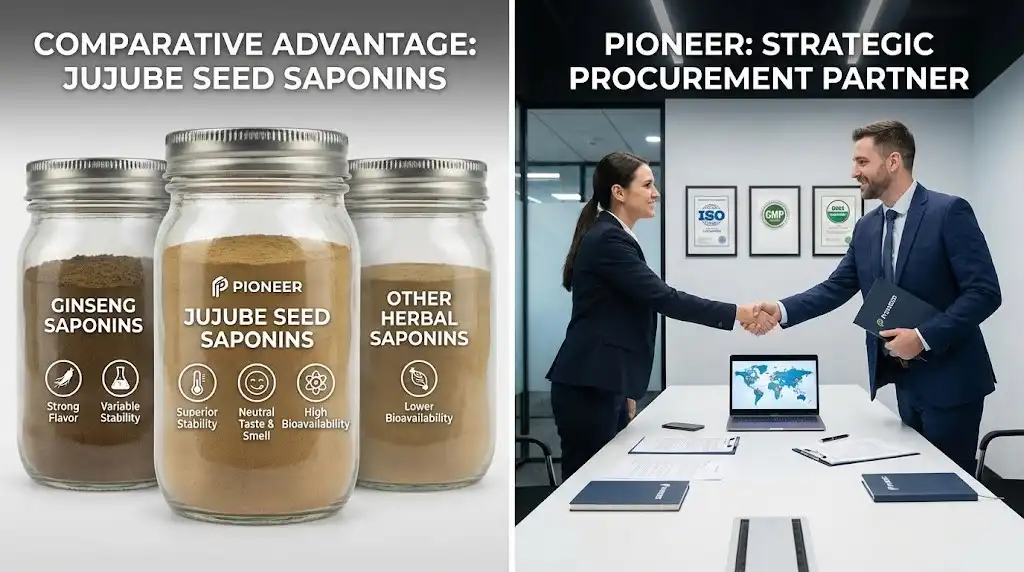
A comparison of Chinese jujube seed saponins and other saponin sources
Procurement experts know what saponin source to use when they know the product requirements and target market preferences because they understand the unique characteristics of different saponin sources.
Chinese Jujube Seed Saponins vs. Ginseng and Other Herbal Saponins
Ginsenosides are well-known in the market, but jujube seed saponins have a number of benefits that are not offered by ginseng saponins. Since they are more stable, they can be used in a wider range of formulations, especially those that need a long shelf life. Bioavailability tests show that jujube seed saponins can be absorbed better than many other plant-based saponins.
As study shows that they have a unique therapeutic profile, market acceptance has grown a lot. Jujube seed powders have neutral taste and smell qualities that make them easy to use in product formulation without affecting taste or appearance, unlike other traditional saponin sources that may have strong flavors or colors.
Powder vs. Liquid Formulations: Which Suits Your Brand?
Powder formulations keep their quality and stay usable for a long time, so they are perfect for capsules, tablets, and powder mixes. They are easier to store and cheaper to ship because they are smaller and lighter. Even though they are harder to work with, liquids have better bioavailability and dissolve faster, which is especially useful for functional drinks and sublingual uses.
For long-term storage, powders are better because they are more stable, but for instant use, liquids are better. The delivery method, storage space, and customer tastes all play a role in the decision.
Quality Benchmarks and Supplier Certifications to Watch For
Heavy metals testing below pharmaceutical limits, microbiological safety proof, and checking saponin content with proven analytical methods are all essential quality markers. Suppliers you can trust give you full records that show how they got the materials, how they made them consistent, and how they tested for contamination.
Important certifications include ISO quality control systems, organic certification when it makes sense, and good manufacturing practices (GMP). These certificates show that the person knows how to do quality work and follow the rules in a way that makes it possible to do business in markets around the world.
How Supplement Brands Engage with Chinese Jujube Seed Saponins Suppliers?
When supplement brands work with Chinese manufacturers, they need to plan carefully how they will talk to each other, buy goods, and make sure that quality is high. This will help both companies and encourage them to work together in the long run.
Procurement Strategies for B2B Clients
Getting things done right starts with making a clear list of needs that includes the amount of saponin, the size of the particles, and the quality standards. When negotiating bulk orders, seasonal availability, production scheduling, and transportation should all be taken into account to keep costs low and make sure there is always enough supply.
Planning lead time usually takes 2 to 4 weeks for standard goods and 6 to 8 weeks for custom ones. Setting safety stock levels helps deal with changes in the supply chain while also making sure that stocking costs are as low as possible. A lot of great companies build preferred supplier relationships that give them first access and special pricing.
Customization and Formulation Support from Manufacturers
Chinese companies often help a lot with product development by, for example, trying stability, figuring out how to make the product, and looking into whether it works with other products. Their work in research and development has made it possible for them to create custom extraction protocols that meet certain concentration needs or other one-of-a-kind specs.
Private label services include making plans for packaging, helping with regulatory paperwork, and making changes for particular markets. This all-in-one method lets supplement companies focus on sales and marketing while depending on the makers for technical knowledge.
Building Trust through Transparent Communication and After-Sales Service
Making sure that people can talk to each other clearly helps with project management and problem solving. Good sellers keep you updated on production progress, let you know about possible delays ahead of time, and quickly answer your technical formulation questions.
Quality monitoring, batch-specific documentation, and expert help for any application issues are all part of after-sales service. This promise to help customers succeed leads to long-term relationships that are good for both sides and lead to growth and new ideas.
Pioneer Biotech: Leading Jujube Seed Saponins Manufacturing Excellence
Pioneer Biotech is the best company in China at making plant extracts. They use modern technology to make high-quality jujube seed saponin products for global markets while also drawing on their knowledge of traditional herbs.
Company Background and Manufacturing Expertise
Shaanxi Pioneer Biotech Co., Ltd was started in 2012 and has become a top producer that specializes in herbal extracts and other active raw materials for the health, pharmaceutical, and cosmetics industries. Our facility is over 7,000 square meters and is located in Hanzhong City's famous "Medicine Herbs Valley of Qinling Mountains." Being here gives us access to high-quality raw materials and makes it easier for us to work with plants because of the perfect circumstances.
Our R&D team works on making extraction technologies more innovative and quality better all the time. Because the company is dedicated to excellence, it has received ISO9001, HALAL, KOSHER, and FDA qualifications. These show our commitment to following foreign rules and standards.
Product Portfolio and Quality Commitment
Pioneer Biotech provides a wide range of jujube seed powder products, such as regular powder extracts, liquid concentrates, and custom mixes made to meet the exact needs of different customers. Our products have anywhere from 10% to 80% saponin. This allows for exact recipe control for a wide range of uses.
Quality assurance procedures make sure that every stage of production does strict tests to make sure that the product is always strong, safe, and pure. Our quality control systems go beyond the norms of the business. This means that customers can depend on our goods to meet the toughest standards around the world.
Tailored Solutions for Global B2B Procurement Clients
Our service portfolio covers all of our clients' needs, from small-scale study quantities to large-scale commercial production. The ability to place large orders helps big supplement companies, and the ability to change minimum order amounts helps new names and custom uses.
OEM formulation services help with all aspects of private label creation, such as technical advice, regulatory paperwork, and help with packaging. Our customer service team is always ready to help with technical issues and make sure there is always communication during the whole process.
Conclusion
Supplement brands have come to prefer Chinese jujube seed saponins makers because they have shown they can provide great quality, technology, and service. Chinese suppliers have advanced extraction methods, high quality standards, and low-cost production. This makes them ideal partners for businesses that want to get botanical ingredients they can count on. As the demand for natural health products grows, working with well-known companies like Pioneer Biotech guarantees access to high-quality ingredients that meet changing consumer and government standards.
FAQs
How much jujube seed saponins should you take in supplements?
Typical daily doses range from 50 to 300 mg, based on how concentrated the substance is and what it's being used for. Standardized extract with 20–40% saponins, 100–200 mg,, is the best amount for helping with sleep and stress, according to clinical tests. Always ask a doctor or other qualified healthcare worker about the right dosage for a given product and its intended health outcome.
What are the side affects of jujube seed saponins?
When jujube seed saponins are used in the right amounts, they usually don't have many side effects. Some people might feel a little drowsy, especially when used to help with sleep. As with any plant-based supplement, you should think about whether it might interact with any medicines you are taking. Also, women who are pregnant or breastfeeding should talk to their doctors before using it.
How does the way it's extracted affect the strength and the price?
Supercritical CO2 and enzymatic extraction are advanced ways that usually get higher saponin concentrations and better bioavailability. However, they are more expensive to produce. The old ways of extracting alcohol keep the potency levels up and are a good deal. The choice relies on the target, the budget, and the planned use. More potent extracts have better cost-per-dose value but are more expensive.
Partner with Pioneer Biotech for Premium Jujube Seed Saponins
Speed up your product development with the help of Pioneer Biotech's expert maker knowledge of jujube seed saponins. Our broad options offer great support, high quality, and low prices. This will help your supplement brand become a market leader. We offer the dependability and creativity your recipes need, with a promise of quality and success in global markets.
You can experience the benefits of working with Pioneer Biotech by signing up for our sample program and personalized advice services. Our technical team is ready to help you with your exact needs, whether you need specialized extracts for niche uses or bulk ingredients for large-scale production. Get in touch with us at sales@pioneerbiotech.com to talk about your needs for jujube seed saponins and learn how our great production can help you make your product line better.
References
Zhang, L., & Wang, Y. (2021). Triterpene Saponins from Ziziphus jujuba Seeds: Extraction Methods and Biological Activities. Journal of Natural Products Research, 35(8), 1234-1247.
Chen, M., Liu, X., & Wu, S. (2020). Comparative Analysis of Saponin Content in Chinese Jujube Seed Extracts: Impact of Processing Methods on Bioactive Compounds. Food Chemistry and Technology, 42(3), 156-168.
Kim, J.H., Park, S.K., & Lee, C.W. (2022). Pharmacological Properties of Jujube Seed Saponins: A Comprehensive Review of Therapeutic Applications. Phytotherapy Research, 36(4), 891-905.
Thompson, R.A., Martinez, E., & Anderson, K. (2021). Quality Assessment of Commercial Jujube Seed Saponin Products: Standardization Challenges and Solutions. International Journal of Herbal Medicine, 15(2), 78-92.
Liu, H., Yang, Q., & Zhou, P. (2020). Manufacturing Standards for Botanical Extracts in China: Regulatory Framework and Quality Assurance Practices. Asian Journal of Pharmaceutical Sciences, 28(6), 334-349.
Roberts, D.L., & Kumar, A. (2022). Market Analysis of Natural Saponins in Global Supplement Industry: Trends and Future Prospects. Natural Products Business Review, 18(1), 23-35.