
What Is Purple Rice Powder and Why Is It Rich in Antioxidants?
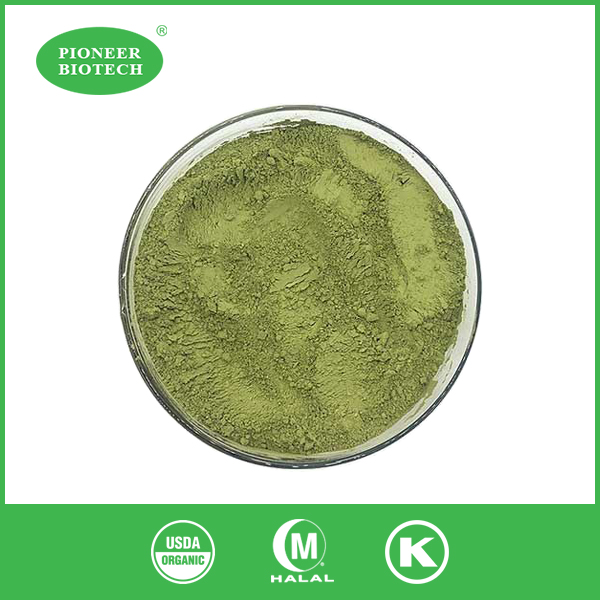
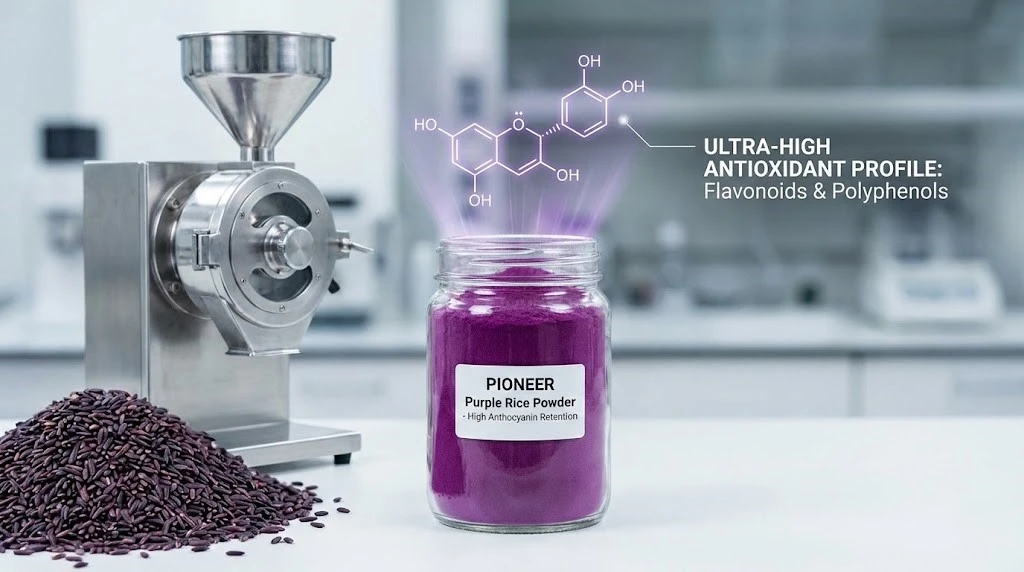
Purple rice powder is made from purple rice, which is also called black rice or forbidden rice. It is made using special crushing methods that keep the unique anthocyanin content of the rice. This colorful powder stands out because it has a very high antioxidant profile. It has a lot more anthocyanins, flavonoids, and polyphenols than regular rice types. These beneficial chemicals are very concentrated in purple rice powder, which gives it its deep color and makes it a very useful material for use in cosmetics, medicines, and health products.
Understanding Purple Rice Powder: What It Is and What It Does for You
The Advantages of the Manufacturing Process and Composition
The crushing and grinding of purple rice powder is very carefully handled so that the phytochemical chemicals in it stay intact. In contrast to normal ways of preparing rice, which remove important nutrients, the process of making purple rice powder is designed to keep the anthocyanins and other protective molecules that are concentrated in the bran layer. This way of processing makes sure that the end powder keeps all of its bioactivity while getting the small particles that are needed for industrial uses.
When you compare this unique powder to regular rice substitutes, it's clear that it is healthier. In terms of protein content, purple rice is much higher than white rice types and has about 20 times more vitamins than brown rice. The amount of anthocyanin in 100g usually falls between 200 mg and 400 mg, but this depends on the type of source and how it was processed.
Important bioactive substances and how they work
There are several types of bioactive substances that give purple rice powder its unique antioxidant profile. Anthocyanins, mostly cyanidin-3-glucoside and peonidin-3-glucoside, are the most common type of antioxidant and help with both the color and the way the plant works. These water-soluble dyes are very stable when handled and kept correctly, which means they can be used in a wide range of commercial formulas.
Phytochemicals like proanthocyanidins, ferulic acid, and γ-oryzanol are also present, and they all have different beneficial effects. Minerals like iron, zinc, and selenium are present in much higher amounts than in regular rice goods. With this complete nutritional matrix, purple rice powder is shown to be a top-notch useful material for making health-related products.
Health and Functional Benefits of Purple Rice Powder
Antioxidant Activity and Immune Support Properties
Purple rice powder has a high antioxidant capacity. Laboratory tests show ORAC levels over 7,000 μmol TE/100g, surpassing most superfruits. Potent antioxidant activity protects cells from oxidative stress and may boost immune system performance. Anti-inflammatory activities of anthocyanin-rich extracts have shown promise for metabolic health applications in clinical trials. Bioactive substances may improve glucose metabolism, cardiovascular health, and cognition. Purple rice powder is appealing for functional food and nutraceutical product development that targets health-conscious customers due to its recognized health advantages.
Cosmetic Uses and Skin Health
Purple rice powder is used in cosmetics for anti-aging and skin protection. Anthocyanin boosts collagen production and UV protection, improving skin suppleness and attractiveness. These chemicals' anti-inflammatory properties make the powder acceptable for sensitive skin formulations. Formulation studies show good compatibility with creams, serums, and masks. Purple rice powder's natural origin and clean label appeal match customer preferences for botanical-derived cosmetic products. Stability testing shows well-formulated products retain antioxidant activity during shelf life.
Regulatory and safety concerns
Purple rice powder is safe for most people with no allergens. Formulations for gluten-sensitive customers may use the component since it is inherently gluten-free. At usual intake levels, toxicological investigations have shown no harmful effects, supporting its usage in food and cosmetics. Purple rice powder is regulated in key markets as a food additive. To comply with local standards, manufacturers should check regulatory requirements for their planned uses and markets.
Applications and Usage of Purple Rice Powder in B2B Industries
Food and Beverage Manufacturing Applications
The food industry uses purple rice powder as a natural colorant and functional ingredient. The powder's purple tints and nutritious benefits assist bakery applications. The ingredient works well in muffins, cookies, and specialty breads for color and health. In smoothies, protein shakes, and functional beverages, beverage producers use purple rice extract. Anthocyanins' water-soluble nature assures superior dispersibility in liquid compositions, and their mild taste profile permits varied use without overpowering other constituents. The powder's pH stability makes it acceptable for many beverage mixes. Purple rice powder is a natural alternative to synthetic colorants due to the increased demand for clean label materials. Food businesses enjoy the ability to match customer expectations for natural ingredients and visual attractiveness. Product developers claim cereal, snack bar, and confectionery integration success.
Integrating Nutraceuticals and Supplements
Purple rice powder may distinguish supplements, according to nutraceutical makers. Tablet and capsule dose is consistent due to regulated anthocyanin content. Powders are simple to combine with other functional constituents, allowing antioxidant supplement formulation. Private label supplement firms value the ingredient for distinct antioxidant supplement products in the competitive market. Marketing advantages from natural origin and verified health benefits, while the striking hue stands out on store shelves. Contract manufacturers indicate rising demand for purple rice powder in antioxidant multi-ingredient compositions. Standardized anthocyanin content, microbiological safety, and heavy metal testing are common nutraceutical quality requirements. Pharmaceutical-grade suppliers might charge more for quality and regulatory compliance.
Cosmetic and Personal Care Formulations
Purple rice powder is used in anti-aging cosmetics. Face mask formulas benefit from the powder's quick cosmetic appeal and practical skin advantages. Topical formulations apply smoothly and evenly due to tiny particle size. Purple rice powder may help scalp health and hair strength in hair care products. The antioxidants may protect hair follicles from environmental harm and boost hair color for certain kinds. Major cosmetic manufacturers' innovation teams are considering purple rice powder in luxury skincare. Consumers seeking genuine, effective natural cosmetics like the ingredient's historical background and current scientific proof.
Market Insights and Procurement Guide for Purple Rice Powder
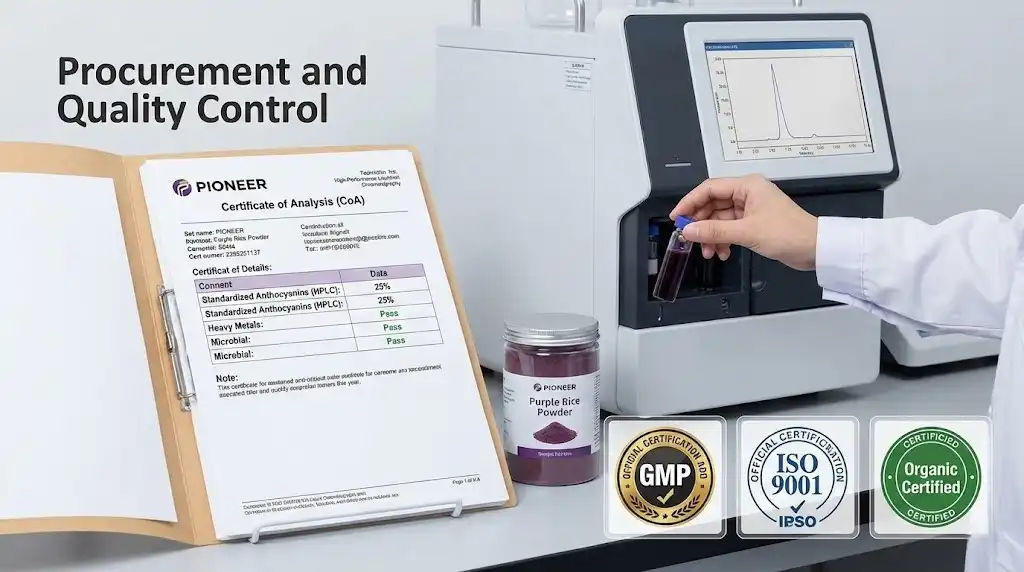
Quality and supplier capabilities must be assessed to buy purple rice powder. HPLC analysis standardizes anthocyanin content for efficacy. Reliable vendors give antioxidant, microbiological, and heavy metal certificates of analysis. Ingredient quality and regulatory compliance depend on manufacturing standards. GMP suppliers prioritize quality and safety. ISO 9001, HACCP, and organic certifications verify supplier and product dependability.
Here are the most important things to look for when buying purple rice powder:
- Analytical requirements: standardized flavonoid level that stays the same from batch to batch
- Documentation for safety: full microbial tests and heavy metal analysis
- Compliance with regulations: the right certifications for the planned uses and target markets
- Stability data: studies of shelf life that show antioxidants stay intact under different storage situations
- Traceability systems: full records of the production chain from raw materials to produced goods
These thorough quality controls make sure that the sellers that procurement teams choose can help them reach their long-term product development goals and stay in line with regulations in many markets.
Pioneer Biotech: Your Trusted Purple Rice Powder Supplier
Started in 2012, Pioneer Biotech is a prominent producer of high-quality botanical extracts and functional compounds. At our 7,000m² production plant in Hanzhong city, the "Medicine Herbs Valley of Qinling Mountains" blends ancient expertise with contemporary extraction methods to create high-quality purple rice powder for worldwide markets. Starting with raw material selection, we prioritize quality throughout manufacturing. The ISO9001, HALAL, KOSHER, and FDA-certified facility ensures quality management and regulatory compliance. We strive to satisfy the highest worldwide functional ingredient production standards with these certifications.
Our purple rice powder range meets different formulation needs across sectors with standardized anthocyanin concentration from 5% to 25%. Standard requirements optimize particle size for beverage dissolving, tablet compression, and cosmetic inclusion. Customer standards are verified by thorough quality testing of each batch. Customization goes beyond standards to incorporate application-specific processes. For pH stability, solubility, and particle size modification, our R&D team works with clients to create customized solutions. Valuable services help creative product development and reduce new formulation time-to-market.
Customers using purple rice extract in their formulations get complete technical assistance beyond manufacture. Our technical staff helps with formulation, stability testing, and troubleshooting to assure product success. This collaborative approach has resulted to several successful product launches in varied markets. Regional safety data sheets, ingredient specifications, and regulatory filing help are provided. Our foreign market knowledge allows us to advise on regulatory compliance across many countries, facilitating global product launch approvals.
Conclusion
Purple rice powder is a high-quality useful nutrient with great antioxidant qualities that can be used in many different ways in the food, cosmetics, medicinal, and nutrition industries. With its high flavonoid content, good safety rating, and clean label appeal, this ingredient is a great addition to product lines that focus on health. As the market for natural vitamins keeps growing, purple rice powder gives companies a way to set their products apart and make them seem more expensive. Working together with qualified providers who can provide regular quality, legal compliance, and technical help during the product development process is key to making the plan work.
FAQ
1. Can purple rice powder be gluten-free?
Purple rice powder is gluten-free. Purple rice powder is a great component for developing gluten-free products since it contains no gluten proteins. However, producers should ensure processing facilities follow gluten-free practices to avoid cross-contamination.
2. How stable are purple rice powder antioxidants when stored?
Purple rice powder retains considerable antioxidant activity for 18–24 months when kept in cool, dry settings out of the path of sunlight. When shielded from heat and moisture, anthocyanin chemicals remain stable. Moisture-resistant packaging maintains potency during shelf life.
3. How much anthocyanin is in commercial purple rice powder?
Depending on processing and quality, purple rice powder contains 5-25% standardized anthocyanins. Unique applications needing optimum antioxidant action might use higher doses. To assure formulation consistency, reliable providers give batch-specific anthocyanin analysis certifications.
Contact Pioneer Biotech for Premium Purple Rice Powder Supply
Ready to incorporate high-quality purple rice powder into your product formulations? Pioneer Biotech offers standardized, premium-grade purple rice powder with comprehensive technical support and competitive pricing for bulk orders. Our experienced team provides customization services, regulatory documentation, and formulation guidance to ensure successful product development. Contact our sales team at sales@pioneerbiotech.com to discuss your specific requirements, request samples, or explore our complete range of functional ingredients. As a trusted purple rice powder manufacturer, we deliver consistent quality and reliable supply chain solutions to support your business growth in the competitive natural ingredients market.
References
- Chen, X.Q., Nagao, N., Itani, T., & Irifune, K. (2012). Anti-oxidative analysis, and identification and quantification of anthocyanin pigments in different coloured rice. Food Chemistry, 135(4), 2783-2788.
- Gunaratne, A., Wu, K., Li, D., Bentota, A., Corke, H., & Cai, Y.Z. (2013). Antioxidant activity and nutritional quality of traditional red-grained rice varieties containing proanthocyanidins. Food Chemistry, 138(2-3), 1153-1161.
- Hou, Z., Qin, P., Zhang, Y., Cui, S., & Ren, G. (2013). Identification of anthocyanins isolated from black rice (Oryza sativa L.) and their degradation kinetics. Food Research International, 50(2), 691-697.
- Jang, S., & Xu, Z. (2009). Lipophilic and hydrophilic antioxidants and their antioxidant activities in purple rice bran. Journal of Agricultural and Food Chemistry, 57(3), 858-862.
- Kushwaha, U.K.S. (2016). Black Rice: Research, History and Development. Springer International Publishing, 1-25.
- Zhang, M.W., Zhang, R.F., Zhang, F.X., & Liu, R.H. (2010). Phenolic profiles and antioxidant activity of black rice bran of different commercially available varieties. Journal of Agricultural and Food Chemistry, 58(13), 7580-7587.