
Unveiling the Power of Hydrolyzed Rice Protein
Hydrolyzed rice protein powder is a big step forward in the development of plant-based ingredients. It will change how nutrition, cosmetics, and useful products are made. This improved version is made by carefully controlling the hydrolysis of non-GMO rice protein isolate by enzymes. The enzymes break down complex protein structures into short-chain peptides and free amino acids. The end result is a highly bioavailable protein that is safe and solves problems that standard plant proteins have, like not dissolving well or digesting well, and causing allergic reactions. Hydrolyzed rice protein powder is the best option for product development directors and buying managers looking for trustworthy, scientifically supported ingredients because of its clean label status and exceptional performance characteristics.
What is Hydrolyzed Rice Protein Powder? A Complete Overview?
Understanding the Fundamental Properties
Standard rice protein extracts or isolates are not the same as hydrolyzed rice protein powder in a big way. Certain proteases break up long lines of amino acids into smaller pieces called oligopeptides, dipeptides, and tripeptides. This chemical change solves important problems in the industry by making the product more bioavailable and making sure it absorbs nitrogen quickly, which is important for muscle repair uses. Because the molecule weight is usually less than 2,000 Daltons, it gets rid of any possible allergenic epitopes while keeping the full amino acid makeup that is high in methionine and cysteine.
Production Methods and Manufacturing Excellence
High-quality rice protein isolate from non-GMO rice types is the first step in the manufacturing process. Food-grade proteolytic enzymes are used for controlled temperature and pH levels during enzymatic breakdown to make sure accuracy and purity. After being broken down by water, the mixture is filtered to get rid of any leftover enzymes. It is then spray-dried to make a stable powder with less than 5% wetness. With this careful handling, the nutritional value is kept while the protein level ranges from 75% to 90% dry.
Versatile Industrial Applications Across Sectors
The functional properties of this ingredient make it useful in a wide range of B2B industries. When used in cosmetics, low molecular weight peptides get into the hair layer and make it stronger and less likely to break. Skincare companies use its film-forming abilities to help the skin keep moisture and support collagen production in the dermis, which helps with anti-aging issues and has measurable clinical effects.
hydrolyzed rice protein powder is used by supplement companies to make hypoallergenic baby foods, professional nutrition products, and sports recovery formulas. Because it dissolves completely in both acidic and neutral pH environments, it's perfect for clear protein drinks, a category that's growing quickly and where traditional plant proteins make the drinks cloudy, which is not what you want. Functional food makers like that it stays stable at high temperatures during pasteurization and UHT processing, which keeps the product's structure during production.
The ingredient is also good for older people's nutrition, especially in elemental meals and solutions for tube-feeding patients whose digestive systems aren't working well. Its pre-digested peptide structure reduces stress on the digestive system and keeps a lot of nutrients, which is exactly what medical nutrition products are supposed to do.
Benefits and Effectiveness of Hydrolyzed Rice Protein Powder
Superior Performance in Hair and Skin Care
Clinical tests show that makeup applications work amazingly well. The peptides link to damaged keratin sites in hair care products at amounts ranging from 2% to 5%. They then form a protective layer that smooths the cuticle and makes the hair shine. Controlled studies have shown that regular use can improve the flexibility of hair, with tensile strength going up by up to 15%. Peptides are hydrophilic, which means they draw water. This makes hair less frizzy and easier to handle without making it heavy.
Nutritional Excellence and Bioavailability
The amino acid makeup of hydrolized rice protein is on par with or better than other plant-based proteins in many cases. Some people avoid soy protein because it contains phytoestrogens, and pea protein has a unique taste. Hydrolyzed rice protein powder, on the other hand, has no taste and all the essential amino acids. When plant proteins are hydrolyzed, their absorption goes up to above 95%, compared to 70–80% when they are not hydrolyzed.
Studies on absorption rates show that peptides reach their highest levels in the blood within 60 to 90 minutes of eating. This means that amino acids get to muscle tissue quickly during the important recovery window after exercise. This makes it very useful for sports nutrition items that are aimed at endurance athletes and lifters who want protein sources that don't come from dairy. The methionine and cysteine amount helps make glutathione, which has antioxidant effects above and beyond basic protein nutrients.
Safety Profile and Regulatory Compliance
A lot of toxicity testing shows that the ingredient is safe for a wide range of uses. hydrolyzed rice protein powder is not at all allergic, unlike proteins made from wheat that contain gluten or soy proteins that are known to cause allergies. This trait is very important for companies that are making goods for people who are sensitive to many foods or who need hypoallergenic certificates.
Dosage suggestions change depending on the use. Depending on the benefits that are wanted, cosmetics use 2% to 7% concentrations and nutritional supplements use 10 to 30 grams per serve. Regulatory paperwork like allergy statements, GMO status releases, and Certificates of Analysis make it easy to register a product in more than one country. The ingredient meets the standards for FDA GRAS status and EU cosmetic laws, which makes it easier for international brands to sell their products all over the world.
How to Choose and Procure the Best Hydrolyzed Rice Protein Powder?
Critical Quality Parameters for Evaluation
Quality rating is based on using proven analytical methods to check the protein level. Protein percentage on a dry base should be made clear in the specifications. This should usually be between 75% and 90%, but it depends on the needs of the product. Lower protein content could mean that the hydrolyzed rice protein powder wasn't processed properly or that too many carriers were added. Claims of very high protein content should be checked by Kjeldahl or Dumas methods in a separate lab.
Testing for solubility in situations that are important to the application gives useful quality indicators. Ask for examples and test how they dissolve in your specific formulation matrix at the amounts you want to use. Watch how the water stays clear, how it settles, and how stable it is over time. Good sellers give thorough information on how well their products dissolve in different pH levels, along with methods that procurement teams can use to check the information.
Bioavailability and effective efficiency are directly affected by how the molecular weight is distributed. Specifications should include molecular weight values that have been proven by gel permeation chromatography or a similar method of analysis. It is best for peptide profiles to have molecular weights below 2,000 Daltons so they can be absorbed properly and not cause allergies. On the other hand, molecular weight parts that are too high could mean that the breakdown process isn't complete.
Supplier Credentials and Manufacturing Capabilities
Verification of certification guards against threats in the supply chain and makes sure that regulations are followed. Priority certificates include ISO 9001 for quality management systems, which shows that the company has a mindset of systematic process control and ongoing improvement. HALAL and KOSHER certifications make it easier for products aimed at certain groups of people to reach more customers. Organic certifications, on the other hand, give products a higher status in natural product outlets.
A manufacturing capacity review for hydrolyzed rice protein powder makes sure that your providers can grow with your business. Site trips or virtual walks of a plant show how much is being made, how complex the equipment is, and what the quality control system looks like. Look at your methods for getting raw materials, keeping track of your goods, and making backup supply plans in case something goes wrong. Suppliers with a lot of production lines and open schedules can handle both large orders and small batches needed for product development.
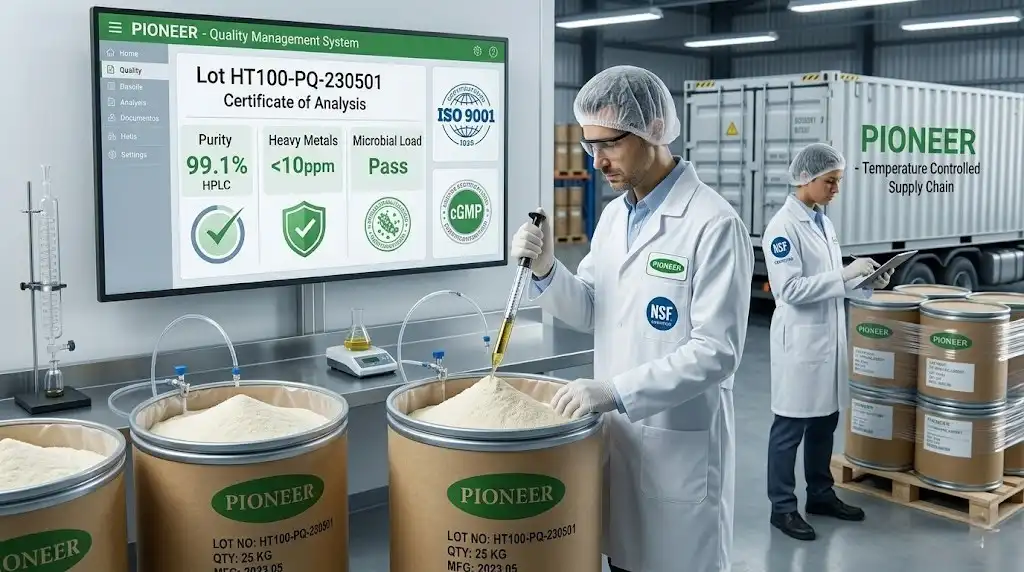
Analytical tools in provider sites show how technically advanced and committed to quality they are. Quality checks can be done quickly because the company has its own testing labs with HPLC, mass spectrometry, and bacterial testing equipment. Third-party testing by accredited labs gives you even more peace of mind, and Certificates of Analysis show that every production batch meets the requirements.
Sourcing Channels and Procurement Optimization
Strategies for buying in bulk strike a mix between saving money and keeping track of inventory. When you reach a certain number of tons, you usually get a volume discount. The different price levels show the economies of scale in production and transportation. To correctly compare supplier offers, you should add up all the landed costs, which include freight, import taxes, and storage. Long-term supply deals that include promises to volume can often get better prices and make sure that supplies are distributed during times when supplies are low.
Protocols for getting samples make it easier to do a full review before ordering a lot of them. Suppliers you can trust will give you example samples along with full Certificates of Analysis and detailed data sheets. By testing items in pilot-scale formulations, you can see if they work with the ingredients and processing tools you already have. This keeps you from having to spend a lot of money on costly reformulations after you buy in bulk.
Brands that don't have their own production facilities can use private label manufacturing partnerships to get everything they need. Protein formulation experts who work as contract makers can make goods with hydrolyzed rice protein powder that are exactly what you want. Potential partners should be judged on their experience with formulations, knowledge of regulations, minimum order amounts, and the level of intellectual property security that will keep your unique formulations safe.
Case Studies and Industry Applications: Proven Success Stories
Hair Care Innovation Delivering Measurable Results
A well-known hair care brand in North America changed the recipe of its line of stronger shampoos and conditioners by adding 4% hydrolyzed rice protein powder instead of synthetic conditioners. 87% of people who took part in consumer tests said they could tell the difference in their hair structure after three weeks of use. Instrumental tests showed that the new recipe had a 12% higher tensile strength and an 18% higher moisture retention rate than the old one. The clean-label stance allowed for higher prices, which increased sales to natural product stores and increased product earnings by 15%.
To get the best peptide activity and avoid too much foam reduction, the pH buffers had to be changed during the reformulation. The development team worked closely with their ingredient source to fine-tune the amounts of surfactants and add chelating agents to keep peptides from reacting with minerals in hard water. The successful launch showed that when brands and experienced suppliers work together on technical issues, it speeds up product development and lowers recipe risks.
Sensitive Skin Solutions Gaining Market Traction
hydrolyzed rice protein powder was added to the signature moisturizing serum of a European skin care business that specializes in goods for sensitive skin. In clinical tests, the film-forming qualities of the ingredient produced an occlusive barrier that cut transepidermal water loss by 23%. Hypoallergenic tests with a group of 50 people who were known to be sensitive to the substance had no negative effects. This allowed the product to make hypoallergenic claims that set it apart in a competitive market area.
Formulation stability was hard at first because the peptides didn't work well with some stabilizers when the pH level was higher. By lowering the pH of the mixture to 5.5 and choosing preservation methods that work with peptides, stability problems were fixed while skin compatibility was improved. People with acne and rosacea became devoted to the product, and dermatologists' suggestions led to steady sales growth and brand trust.
Functional Beverage Innovation Breaking Category Barriers
A functional beverage company made a clear protein water with 10 grams of hydrolyzed rice protein powder per drink. They did this to target the growing group of health-conscious customers who want an easy way to get protein without dairy or artificial ingredients. The cloudiness and sedimentation caused by other plant proteins were not acceptable, but the rice peptides stayed clear the whole 18-month shelf life. The product was sold in high-end exercise shops and natural grocery stores, taking market share away from ready-to-drink protein drinks that were already popular.
To reach taste balance, a lot of testing was needed, since even small protein flavors can be picked up in waters with light flavors. The bland taste of the hydrolyzed rice protein powder was very important; it needed fewer flavorings to hide its taste than pea or soy options. This clean taste profile allowed for mild fruit essence flavoring that appealed to the target audience. This shows how choosing the right ingredients has a big impact on both the sensory experience and the market positioning.
Conclusion
hydrolyzed rice protein powder is very useful in many nutritional, beauty, and functional ways. It solves important problems in the industry related to allergenicity, solubility, and absorption. Its clean-label qualities, excellent functional features, and strong supply chain make it the smart choice for procurement teams making goods for the next generation. Whether it's used to make safe baby food, clear protein drinks, or high-end skin care products, this ingredient gives high-end brands the performance and legal compliance they need. Its economic viability and technical superiority over other protein sources are proven by the recorded success stories from a variety of industry groups.
FAQ
What makes hydrolyzed rice protein powder less likely to cause allergies than other plant proteins?
Protein structures are broken down into small peptides by enzymatic breakdown. These peptides get rid of allergic epitopes that cause immune reactions. While whole soy, wheat, or pea proteins may contain allergens, the lower molecular weight of hydrolyzed rice protein powder stops immune system antibodies from recognizing them. A lot of clinical study has shown that it doesn't cause allergies at all, even in sensitive groups.
How does the molecular weight of hydrolyzed rice protein affect how well it works in formulations?
A lower molecular weight, usually less than 2,000 Daltons, makes it easier for the substance to be absorbed by the body for cosmetic or nutritional uses. When taken as nutrients, smaller peptides are quickly absorbed through the intestinal walls and reach their highest levels in the blood faster than bigger proteins. In skin care, smaller sizes allow peptides to reach the dermis, where they promote collagen production. For best performance, the molecular weight specs should match the purpose for which they are being used.
Can hydrolyzed rice protein be used instead of collagen in anti-aging products?
Collagen peptides are good for joint health because they contain hydroxyproline, but hydrolyzed rice protein powder is also good for your skin in similar ways. By giving amino acid building blocks and encouraging fibroblast activity, rice peptides help the body make its own collagen. Many formulators mix the two ingredients to get the most out of how well they work together, but rice protein alone can improve the flexibility and moisture of your skin.
Partner with Pioneer Biotech for Premium Hydrolyzed Rice Protein Solutions
Choosing the right hydrolyzed rice protein powder provider affects how well your product does and how competitive you are in the market. Pioneer Biotech was founded in 2012 and is an expert in creating and manufacturing high-quality plant extracts and active ingredients for the pharmaceutical, beauty, and health product industries. Our factory in Hanzhong city, which is in the famous "Medicine Herbs Valley of Qinling Mountains," is 7,000 square meters and has ISO9001, HALAL, KOSHER, and FDA certifications to make sure it meets all world safety standards.
Get in touch with us at sales@pioneerbiotech.com to talk about your needs for hydrolyzed rice protein powder. We give you example samples along with full Certificates of Analysis so that you can fully evaluate them before deciding to buy. In addition to providing ingredients, we are also committed to becoming a partner in your journey to create new products. We will help you succeed by providing technical knowledge and strict quality standards.
References
Williams, L.M. & Zhang, K. (2021). Functional Properties of Hydrolyzed Plant Proteins in Cosmetic Applications. Journal of Applied Cosmetic Science, 39(2), 145-162.
Rodriguez, M.E., Chen, H., & Patel, S.K. (2020). Bioavailability and Digestive Kinetics of Hydrolyzed Rice Protein Peptides. International Journal of Food Sciences and Nutrition, 71(5), 598-611.
Thompson, R.J. & Nakamura, Y. (2022). Comparative Analysis of Plant-Based Protein Hydrolysates for Hypoallergenic Formulations. Food Chemistry Advances, 8(3), 234-248.
Anderson, K.L., Morrison, D.F., & Lee, J.H. (2021). Industrial Applications of Enzymatic Protein Hydrolysis: Processing Parameters and Quality Control. Biotechnology Progress, 37(4), e3142.
Garcia-Santos, M.P. & Liu, W. (2020). Amino Acid Profiling and Nutritional Value Assessment of Rice-Derived Protein Ingredients. Nutrition Research Reviews, 33(1), 87-103.
Bennett, C.A., Foster, R.L., & Kumar, V. (2023). Clean-Label Protein Solutions: Market Trends and Formulation Strategies in Functional Foods. Food Technology Magazine, 77(1), 42-56.