
Quality Standards for Green Tea Extract Powder in Supplements
As a result of its powerful antioxidant qualities and health benefits, green tea extract powder has become an important ingredient in the nutraceutical business. But the quality of green tea extract powder from different sources changes a lot. This is why makers need to use fixed quality criteria to make supplements that work. There are strict quality standards that make sure that the products always have the right amount of polyphenols, are bioavailable, and follow the rules. These standards have a direct effect on how well the products work as medicine and how well they do in the market. By knowing these quality standards, procurement workers can find high-quality plant extracts that meet both government standards and customer expectations.
Understanding Quality Challenges in Green Tea Extract Powder
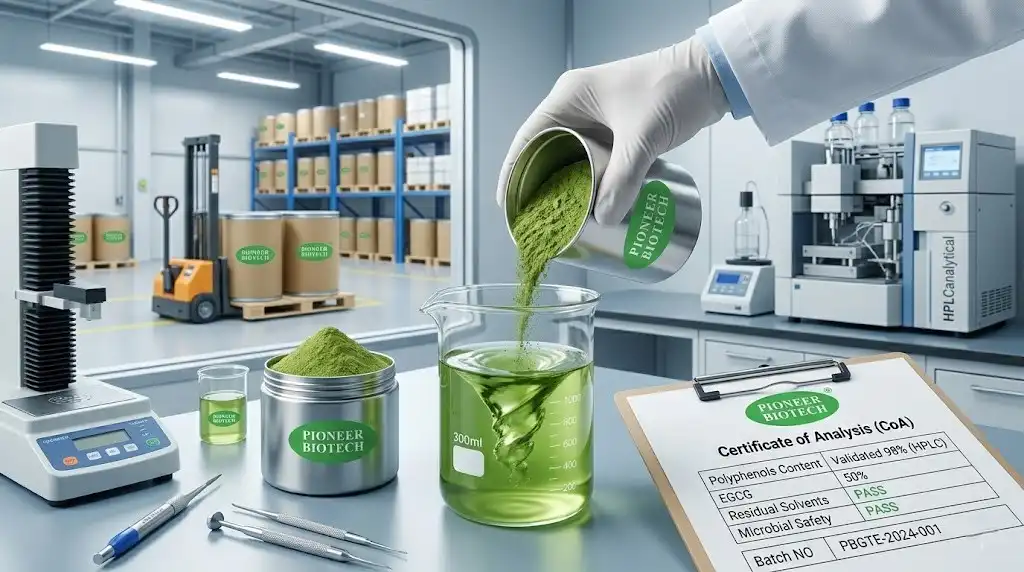
When the supplement business looks for green tea extracts, they always have trouble with quality issues. The biggest worries for producers are that the extracts can vary in how pure and effective they are. How the raw materials are gathered has a big effect on the quality of the finished product, because tea leaves from different areas have different amounts of catechins and antioxidants. These natural changes in bioactive compound amounts are caused by things in the environment, like the type of soil, the weather, and the time of gathering.
Common Contaminant Issues
Another major quality issue that affects plant products all along the supply chain is contamination. Heavy metals like lead, mercury, and cadmium are often found in tea that wasn't grown in a clean environment, especially tea that was grown in urban areas. Pesticide residues are also a safety risk, especially when sellers don't have the right organic certification or don't follow the right testing procedures.
Microbial infection also poses a danger to the quality of the product; bacteria and fungi can grow when the product is stored or processed incorrectly. These contamination problems have a direct effect on the safety of supplements and can lead to product recalls, regulatory violations, and a ruined brand image for companies that don't have thorough quality assurance programs in place.
Extraction Method Inconsistencies
The way green tea extracts are processed has a big effect on their quality and effectiveness. Different extraction methods produce different amounts of helpful chemicals. Most of the time, water extraction methods keep the natural amounts of catechins, but the overall strength may be lower. On the other hand, alcohol-based extraction can concentrate certain chemicals but may change the natural balance of bioactive elements.
Controlling the temperature during extraction is very important for keeping the antioxidants intact, since too much heat can break down sensitive polyphenols and lower their healing potential. To make sure that each run is the same, the extraction factors must be standardized. However, many suppliers don't have the technical know-how or tools to keep up with these strict processing standards.
Core Quality Standards and Regulatory Compliance
In the past few years, regulations for plant extracts have changed a lot. Regulatory bodies around the world have put in place tighter rules for supplement ingredients. The FDA wants full records of the manufacturing processes, including exact amounts of active ingredients and the amount of pollution that is allowed. Good Manufacturing Practices approval is now required for sellers who work with the pharmaceutical and nutraceutical industries. This makes sure that quality control is maintained throughout the whole production process.
Essential Purity Benchmarks
Epigallocatechin gallate, which makes up 40–50% of the total polyphenols in premium goods, is the main sign of green tea extract quality. Caffeine levels need to be carefully monitored and standardized because too much caffeine can have bad effects and not enough caffeine can lessen some healing benefits. The amount of moisture in the product must stay below 5% to keep it stable while it is being stored and shipped.
Another important quality indicator is the ash content. Levels above 2% usually mean that the product wasn't processed well or was mixed with lesser materials. To make sure the product is safe and to make finished vitamins last longer, tight microbiological standards must be met for total plate count and yeast/mold levels.
International Certification Requirements
The Novel Foods Regulation says that products sold in European markets must have a lot of safety information and be approved before they can go on sale. HACCP certification shows that food safety is managed in a planned way, and organic certifications like USDA Organic and EU Organic give you extra quality guarantee and help you stand out in the market.
ISO certifications, like ISO 9001 and ISO 22000, show that a company has strong quality management methods and rules for the whole supply chain. These licenses are becoming more and more important for B2B purchasing decisions because they show that a company meets certain standards and can do what they say they can do.
Key Metrics to Evaluate When Sourcing Green Tea Extract Powder
When hiring sellers for plant extracts, procurement professionals have to look at a number of quality factors. Antioxidant activity, measured by ORAC values, gives a quantitative picture of the drug's therapeutic potential, while polyphenol profiles, confirmed by HPLC analysis, make sure that bioactive chemical amounts are always the same. With these analytical specs, producers can make standard formulas that work in a way that can be predicted.
Nutritional Profile Assessment
The main way to tell if an extract is good is by its total catechin content. High-quality extracts usually have 95% or higher antioxidant amounts. Individual catechin analysis, which includes epicatechin, epicatechin gallate, epigallocatechin, and epigallocatechin gallate, gives a lot of information about how bioavailable and useful the compound is as a medicine. Standardizing caffeine is important for goods that are aimed at specific groups of people or for medical uses.
Tannin levels in green tea extract need to be carefully checked because too much of it can make food taste bad and make it harder for the body to absorb other nutrients. Vitamin C is naturally found in high-quality extracts, which helps with antioxidant action and product safety. Mineral measurements, which include potassium, magnesium, and trace elements, give you more information about the quality and nutritional worth of food.
Sustainability and Traceability Credentials
Environmental duty and supply chain openness are becoming more and more important in modern procurement strategies. Rainforest Alliance certification shows that the farming methods are safe and that the environment is being cared for, while Fair Trade certification makes sure that the products are sourced ethically and that farmer welfare is taken into account. These credentials are appealing to customers who care about the earth and help companies reach their social responsibility goals.
Full tracking records should include information about where the food came from at the farm level, how it was processed, and how it got from the field to the processing center. Leading providers using blockchain technology lets you watch and check the integrity of the supply chain in real time. Verification of geographical origin through isotope research adds to the ability to authenticate high-end goods.
Comparing Different Forms and Suppliers of Green Tea Extract Powder
Different types of extraction have different benefits, based on the intended use and preparation needs. Standardized powder extracts give constant strength and are easy to add to capsule and tablet formulas. Water-soluble extracts make it possible to use them in drinks and make liquid supplements. Decaffeinated choices are good for people who can't handle caffeine while still having healthy flavonoid content.
Regional Supplier Considerations
Different global providers are good at different things when it comes to quality control, following the rules, and making things. Manufacturers that have been around for a while and are in places with good pharmaceutical infrastructure usually have better quality control systems and legal paperwork. But new providers in traditional tea-growing areas may give you a competitive edge when it comes to getting raw materials and keeping costs low.
Being close to areas where tea is grown can make the supply chain more efficient and cut down on shipping costs. Also, having good relationships with local farmers can help make sure that the quality of the raw materials stays stable. Different providers in the area have very different levels of technical knowledge when it comes to extraction technologies. Some focus on traditional methods, while others buy more modern processing equipment.
Cost-Quality Optimization Strategies
Cost concerns should be balanced with quality standards and source dependability in good buying strategies. Premium providers can charge more because they have better quality control, more thorough paperwork, and a steady supply of goods. Value-oriented providers may have low prices, but they need stricter rules for quality control and managing risks.
Long-term partnership deals for organic green tea extract powder often save money and make sure that quality and quantity are always the same. By making a volume promise, you may be able to get better prices and more specific requirements. This is especially helpful for big supplement makers who have specific recipe needs.
Best Practices to Ensure Quality in Bulk Purchasing and Supply Chain
Botanical extract buying works best when there are thorough evaluation methods for suppliers. Facility audits, quality system reviews, and regulatory compliance checks should all be part of due diligence processes. Independent testing labs from third parties confirm the quality of packages and help find problems before they arrive.
Supplier Verification Protocols
Inspections of manufacturing facilities let you directly judge how well the production systems, quality control systems, and hygiene standards are working. Certificates of analysis, government registrations, and quality management system approvals should all be part of the documentation review. Checking references with current customers is a great way to learn about how well and how reliably a company does their job.
An evaluation of a supplier's financial security helps keep the supply chain running smoothly and lowers the risk of disruptions. The technical skill review looks at things like the specs of the tools, the accreditation of the testing lab, and the resources available for research and development. With these thorough evaluation methods, you can find sellers who can meet your long-term quality and supply needs.
Quality Documentation Requirements
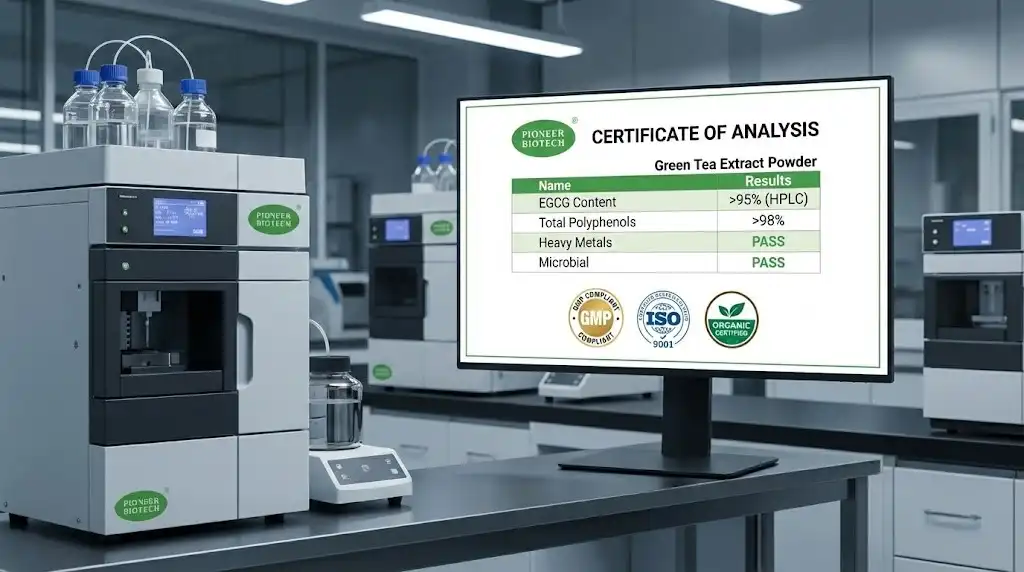
Every package should come with a certificate of analysis that lists all the tests that were done and the results for all important quality factors. Documentation called "chain of custody" makes sure that the purity of the product is maintained during storage and shipping. The results of stability tests show that the quality of a product will stay the same over time and in different storage circumstances.
Batch records make it possible to track things down and make it easier to look into quality problems when they happen. Regulatory compliance paperwork, like FDA registration, organic licenses, and safety reports, needs to be kept up to date and easy to find. These paperwork standards help people follow the rules and make it easy to respond quickly to quality issues or questions from the government.
Conclusion
Quality standards for green tea extract powder include many linked things, such as where the raw materials come from, how they are processed, and strict testing procedures. To make procurement plans that work, you need to know a lot about the rules, the quality standards, and the suppliers' skills. When manufacturers put quality standards first, their products work better, they follow the rules, and customers trust them more. Investing in high-quality plant extracts helps the brand's image and its ability to do well in the supplement market, which is very competitive.
FAQ
What are the most important signs that green tea extract powder is of good quality?
The main quality markers are the total polyphenol content and catechin profile, with EGCG percentage being the most important. It's just as important to check for microbiological safety factors like total plate count and disease absence. Heavy metal tests for arsenic, lead, mercury, and cadmium makes sure that products are safe and that rules are followed.
How can I be sure that the companies that sell green tea extract are real?
Facility audits, quality system certifications, and third-party testing proof are all parts of full source verification. Ask for thorough records of analysis, registrations with the government, and customer references. Samples that are tested by a separate lab provide extra proof that the claimed specs and quality standards are met.
What are the advised dosages and guidelines for quality for supplement formulations?
Most supplements are made with extracts that are regulated to contain 95% polyphenols and 45–50% EGCG. The daily dose ranges from 300 mg to 800 mg, based on the health effects you want and the people you want to reach. Caffeine content should be clearly labeled, and people who are sensitive to caffeine should be able to choose decaffeinated choices.
Partner with Pioneer Biotech for Premium Green Tea Extract Solutions
Pioneer Biotech is a reliable company that you can buy green tea extract powder from. They offer pharmaceutical-grade plant extracts and make sure they follow all the rules when it comes to quality. Our ISO-certified center in the medicine plants valley of the Qinling Mountains makes sure that we get the best raw materials and do the best work possible. We give you full paperwork, third-party testing confirmation, and unique specs to make sure that your formulation needs are met exactly. Feel free to email our knowledgeable staff at sales@pioneerbiotech.com to ask for samples and talk about your needs for large purchases.
References
Chen, H. et al. "Quality Control and Standardization of Green Tea Catechins in Dietary Supplements." Journal of Pharmaceutical Sciences, 2022.
International Council for Harmonisation. "Guidelines for Good Manufacturing Practice: Botanical Extract Production Standards." ICH Quality Guidelines, 2021.
United States Pharmacopeial Convention. "Botanical Extract Identity and Purity Testing Protocols." USP Dietary Supplements Compendium, 2023.
Rodriguez, M. and Thompson, K. "Regulatory Framework for Herbal Extract Quality in Global Markets." Regulatory Affairs Pharmaceutical Industry Journal, 2022.
Global Organization for EPA Standards. "Contamination Limits and Safety Parameters for Botanical Supplements." International Food Safety Standards, 2021.
Williams, J. et al. "Supply Chain Quality Assurance in Botanical Extract Manufacturing." Industrial Biotechnology and Quality Control Review, 2023.