
The Benefits of Reishi Spore Oil: Exploring its Uses and Advantages
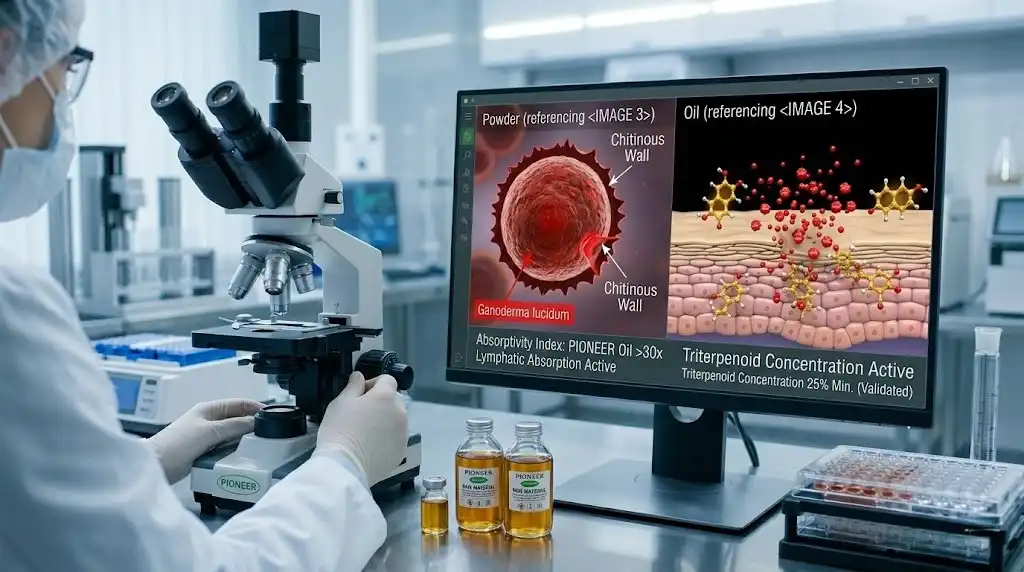
The most concentrated oil made from Ganoderma lucidum spores is called reishi spore oil. Twenty to thirty times more bioactive triterpenoids are in it than in raw spore powder. Advanced supercritical CO2 extraction makes this golden-amber liquid better than water-based extracts at getting the drug into cells. For immune system modulation and other functional wellness uses, it does this by letting lymphatics absorb it quickly. It's very good because it gets past the chitinous cell wall barrier that stops other reishi products from working. Because of this, it is necessary for nutraceutical brands that want to make formulations with a high potency and low volume.
Understanding Reishi Spore Oil: Composition and Extraction Process
Learn about what reishi spore oil is made of and how it is extracted.
Origin and Unique Properties of Reishi Spores
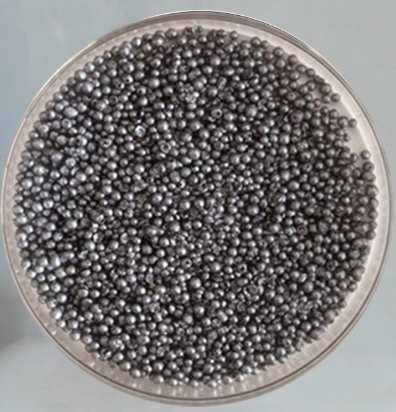
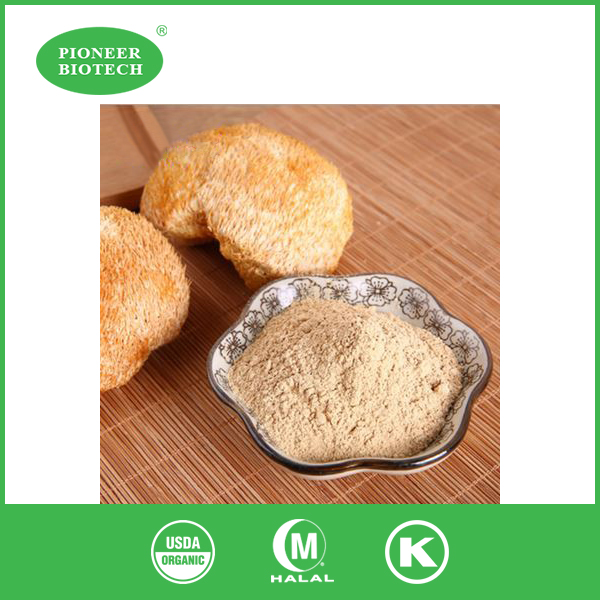
Ganoderma lucidum has been used in traditional medicine for a very long time. It makes tiny spores when it is reproducing. These spores have a tough chitinous shell that keeps the fungus's most powerful bioactive compounds safe. Fruiting body extracts focus on polysaccharides, while spore-derived preparations focus on parts that break down in fat. Unbroken spores stay whole as they go through the digestive system, so their contents are not available. This makes it hard to get to these compounds. Because of this biological fact, different ways of processing were made.
The spores are only 4 to 6 micrometers across, so they need to be collected in a certain way to keep them from getting dirty. When the spores are fully grown is when they are collected in the best way. This keeps the bioactive lipids whole and stops oxidative breakdown, which lowers their therapeutic potential.
Supercritical CO2 Extraction Technology
CO2 supercritical fluid extraction is the safest way to make reishi spore oil that can be used in medicine. In some conditions, this method works because CO2 can change into a state that is both liquid and gas. Triterpenoids, sterols, and unsaturated fatty acids are some of the compounds that are removed during the process. Parts that dissolve in water and fiber are left behind.
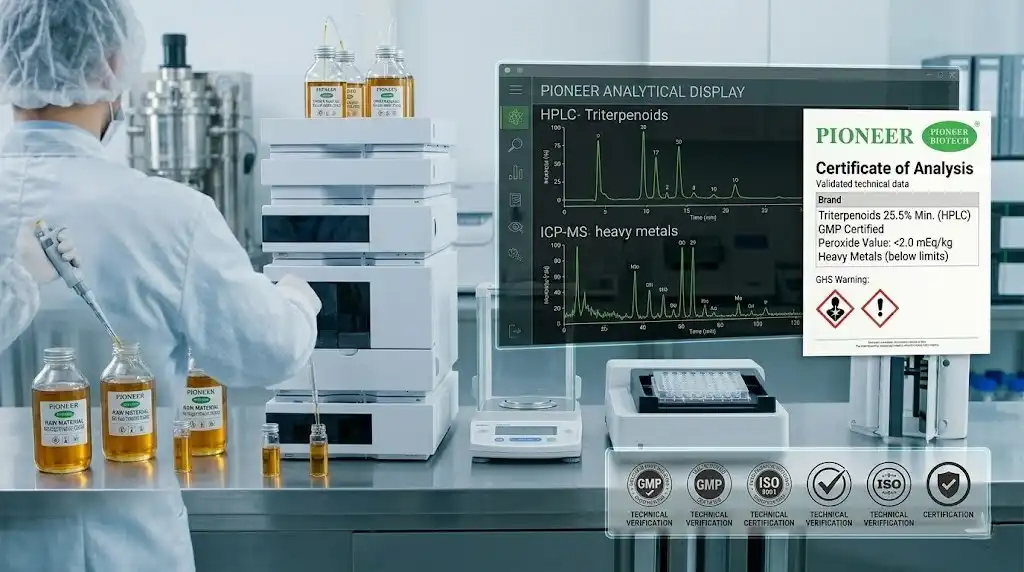
You can see why this is better than traditional solvent extraction when you look at the finished product. There are no harmful chemicals left over when supercritical CO2 is used. It also keeps heat-sensitive compounds whole and makes batches that are always the same and have predictable triterpenoid profiles. If you change the parameters for extraction, it will have a direct effect on the final concentration. For instance, when the temperature changes, the selectivity changes, and when the pressure changes, the yield changes. High-performance liquid chromatography (HPLC) shows that manufacturers who want to use triterpenoids in drugs usually get levels of 20 to 30 percent.
Key Bioactive Compounds and Quality Markers
Some chemical groups in reishi spore oil are very important for how well it works as medicine and how much it's worth as a business. Triterpenoids, especially ganoderic acids, are the main biomarkers used to measure how strong something is. These chemicals have been shown in clinical studies to help protect the liver and change the immune system. Another way to check the quality of the extraction and make sure the right storage conditions are met is to look at the ergosterol content.
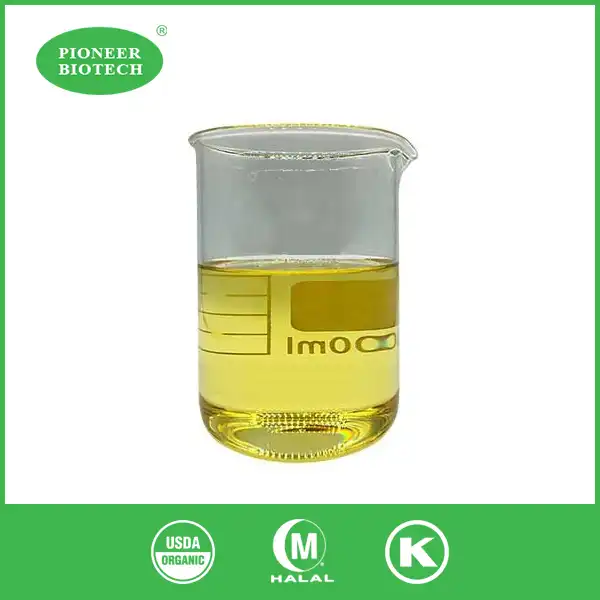
The way organic reishi spore oil looks can tell you a lot about how reliable it is. The best oil is clear and golden to amber in color. The smell is like dead things, but it's not going bad. When businesses buy from each other, chemical stability parameters are very important. To get the most out of antioxidants, acid levels should stay below 3.0 mg KOH/g and peroxide levels should stay below 10 meq/kg. Because of these rules, the item won't break down naturally while it's being stored, and it will still have biological activity going for the whole shelf life.
Because it dissolves in lipids, this extract is very different from preparations that are based on water. Some polysaccharide extracts are hard to absorb, but this method has no trouble getting through cell membranes. Because of this biochemical advantage, it is possible to use lower doses that still work and see results faster. These things are important for people who are making competitive formulations for products.
The Health and Functional Benefits of Reishi Spore Oil
What reishi spore oil can do for your health and how it works.
Immune System Modulation and Support
According to clinical research, ganoderic acids change the way macrophages and natural killer cells work by interacting with their receptors. In addition to "boosting" immunity for no reason, the oil can also control it in the opposite direction, making the response stronger when it is weak and slowing it down when there is inflammation. There are many complicated parts that drug companies are working on to make adjuvant therapies that can help people with cancer.
It was found that cancer patients who took standardized triterpenoid supplements had better immune markers and fewer side effects from their treatment. The mechanism changes how cytokines are made and controls the mitochondrial pathway. People who work in procurement and make clinical-grade supplements should know that the concentration and bioavailability of triterpenoids play a big role in how well they work. In order to choose a supplier, it is important to look at the extraction method.
Antioxidant and Anti-Aging Applications
Several types of compounds work together to make the antioxidants very strong. In order to get rid of reactive oxygen species, terpenoids directly scavenge them and set off the body's own antioxidant enzyme systems. For this reason, reishi spore oil is useful in cosmetics that try to slow down the aging process caused by oxidative stress.
The oil is liked by cosmetic companies because its lipids work well with dermal structures. This means that it can go deep into the skin without the need for surfactants. When added to high-end anti-aging serums at concentrations of 2% to 5%, it changes skin elasticity and inflammation markers in a way that can be measured. Ergosterol helps the barrier work again, and its anti-inflammatory properties reduce the long-term, mild inflammation that comes with getting older faster. The peroxide values should be included in the testing data to make sure that the final formulations are stable against oxidation. For this reason, oils that break down are less useful and may irritate the skin.
Hepatoprotective and Metabolic Health Benefits
A lot of research shows that apps that help with liver health are a great way to make money. It is thought that ganoderic acids stop lipid peroxidation in hepatocytes and help phase II detoxification enzymes work better. Animal models of chemical liver damage showed that the dose had an effect on how well the animals were protected. These effects happened by lowering the production of cytokines that cause inflammation and speeding up the growth of new cells.
People who want to make metabolic health products should know that hepatoprotective benefits do more than just keep the liver from getting hurt by alcohol. Fatty liver disease that isn't caused by alcohol is becoming more common in developed markets. Triterpenoid intervention makes the liver less inflamed and improves the metabolism of fats. Some plants that are good for the liver, like milk thistle or artichoke extract, may work better when mixed with reishi spore oil. But when there are a lot of different things in the mix, it's important to make sure it stays stable.
Cardiovascular and Inflammatory Response Support
A new study looks into how benefits for the heart from organic reishi spore oil can happen in more than one way. Triterpenoids change how cholesterol is used, how endothelial cells do their job, and how platelets connect with each other. To keep your heart healthy, you should do all of these things. This makes the oil a good choice for use in health products for older people that keep them healthy, even though it's not meant to be a drug for a disease.
The body's anti-inflammatory systems change how many prostaglandins are made and how many inflammatory mediators are expressed. With its many effects, the extract can be used to make functional drinks and foods for older people who like to stay active and lower their chronic inflammation. Formulations that don't dissolve in water need more advanced emulsification technology, but successful development opens up high-end market segments.
How to Use Reishi Spore Oil: Dosage, Forms, and Safety?
Recommended Dosages for Different Applications
The most common way to give medicine is still in softgel capsules, which hold 350 to 500 mg of medicine. Every day doses of 1,000 mg to 1,500 mg are usually given over two or three occasions in a clinical setting. But exact dosing schedules depend on how much triterpenoid is being used and what the treatment is meant to do. There needs to be a balance between making the product easy for people to use and meeting therapeutic needs. For instance, oils with a higher concentration can be put into smaller capsules, but they need more advanced ways to be extracted.
Liquid extract formulations make it easier to use functional beverages in more ways, but they also make stability problems more common. Oxidation can cause things to separate and break down, so you need emulsifiers and antioxidant systems. Keep in mind that lipophilic nature needs vitamin delivery systems that work with fat or nano-emulsion technology for drinks that are mostly water when you're making liquids. It's more important to get the dosage right for liquids because people measure things differently.
Safety Profile and Potential Considerations
In tests on people, reishi spore oil was found to be very safe. It had very few and mild side effects. Stomach upset may happen at the start of treatment, but it usually goes away as the treatment goes on or the dose is lowered. The bigger worry is that platelet aggregation effects could cause bleeding. This means that people who take blood thinners or are about to have surgery should be extra careful.
Teams in charge of regulatory compliance should know that while it is generally thought to be safe in dietary supplements, it needs a lot of safety proof before it can be used in medicines. For GMP compliance, approved analytical methods must be used to check that each batch is the same. Quality assurance plans need to include tests for heavy metal contamination, microbial limits, and residual solvents. Even when supercritical CO2 extraction takes care of solvent problems, there needs to still be verification to make sure the audit trail is complete.
Though there aren't many, pregnancy and breastfeeding are two. This is because there isn't enough safety information for these groups. People who have autoimmune conditions need immunomodulators to help them because they can change the immune system. These things should be made clear on product labels to protect consumers and make sure that laws are followed across all areas.
Synergistic Formulation Opportunities
Reishi spore oil is more effective and helps you stand out in the market when combined with other ingredients that work well with it. Other medicinal mushroom extracts, like cordyceps or turkey tail, are used to make products that people who care about their health like because they help the immune system. Lipophilic substances work well with omega fatty acids and vitamins that dissolve in fat. This lets people make all-in-one softgels that make their lives easier.
The people who make medicines should think about how to make the drugs more bioavailable by adding black pepper extract or certain phospholipids to them. Stability tests need to be done on these combinations to make sure that the parts will still work with each other after the shelf life is over. Contract manufacturers that do private-label development can use synergistic formulas that have already been tested. This speeds up the time it takes to get a product on the market and gives customers benefits that are backed by research that they can understand.
Conclusion
That being said, healing mushroom supplements have come a long way, and reishi spore oil is a big step forward. It is made with advanced extraction technology that gets rid of the problems that have usually been linked to bioavailability. It also has a lot of concentrated bioactive triterpenoids. So it can be used in a lot of different product lines. It can be used to make cosmetics and functional foods, boost the immune system, and protect the liver. B2B professionals can make smart buying decisions that meet customer needs and market trends if they know the ingredients, how they are extracted, the health benefits, and the right way to use them. Checking the credentials of your suppliers is important for good sourcing. You should also make sure the quality of the products by having them tested by a third party and build partnerships that support innovation and regulatory compliance throughout the lifecycles of your products.
FAQ
Is reishi spore oil safe for long-term daily use?
Can I use reishi spore oil every day for a long time without getting sick? There is clinical evidence that shows that long-term use is safe when it comes from a reputable manufacturer that meets quality standards. Studies that last for several months show that the benefits last and there aren't many bad effects. Before starting supplements, people with certain health conditions or who are taking medicines should talk to their doctors. This is especially important because some supplements may not work well with blood thinners or immunosuppressants.
How does reishi spore oil differ from standard reishi extract powders?
The most important difference is in how bioavailable and what kind of compounds are used. A special way of extracting spore oil concentrates triterpenoids that dissolve in fat, making it 20–30 times stronger than raw materials. Most of the time, extracts focus on polysaccharides that dissolve in water and are good for your health in many ways. The spore oil is lipophilic, which means it can be absorbed quickly and completely without being broken down by thean. For some uses, this makes it easier for the body to use.
Can reishi spore oil be incorporated into skincare formulations effectively?
Is it possible for skin care products to work well with reishi spore oil? The lipids in the oil work well with skin structures, so it can be used effectively in dermatology. As you age, you may experience oxidative stress and chronic inflammation. This plant-based medicine can help with both of these problems. It works and keeps the product stable when added to serums and creams at concentrations of 2% to 5%. As long as the levels of peroxide are low, the good qualities will stay the same during the shelf life.
Partner with Pioneer Biotech for Premium Reishi Spore Oil Supply
To get good reishi spore oil, work with Pioneer Biotech. Pioneer Biotech uses a process called supercritical CO2 extraction to make reishi spore oil that is safe for use in medicine. This method ensures consistent levels of triterpenoid compounds, which have been proven by extensive testing. As of now, we've kept all of our certifications up to date since we began in 2012. These include ISO9001, HALAL, KOSHER, and FDA registration. This shows that we want to meet quality standards around the world. Being in Hanzhong's Medicine Herbs Valley is a smart move that gives us direct access to high-quality Ganoderma lucidum cultivation. This means we can be sure that our raw materials are always fresh and keep track of them from the time they are harvested until they are used. You can get bulk reishi spore oil from our technical team if you need it for nutraceutical formulations, cosmetic applications, or functional food development. They can help you with formulations, give you regulatory documentation, and give you a number of personalized purchasing options. Our business-to-business sales team can be reached at sales@pioneerbiotech.com. You can email them with your requirements, ask for samples, and learn more about how our manufacturing services can help you reach your design goals.
References
Wachtel-Galor, S., Yuen, J., Buswell, J. A., & Benzie, I. F. (2011). Ganoderma lucidum (Lingzhi or Reishi): A Medicinal Mushroom. In Herbal Medicine: Biomolecular and Clinical Aspects, 2nd edition. CRC Press/Taylor & Francis.
Zhao, H., Zhang, Q., Zhao, L., Huang, X., Wang, J., & Kang, X. (2012). Spore Powder of Ganoderma lucidum Improves Cancer-Related Fatigue in Breast Cancer Patients Undergoing Endocrine Therapy. Evidence-Based Complementary and Alternative Medicine, Article ID 809614.
Boh, B., Berovic, M., Zhang, J., & Zhi-Bin, L. (2007). Ganoderma lucidum and its Pharmaceutically Active Compounds. Biotechnology Annual Review, Volume 13, 265-301.
Sanodiya, B. S., Thakur, G. S., Bagatharayan, R. K., Prasad, G. B., & Bisen, P. S. (2009). Ganoderma lucidum: A Potent Pharmacological Macrofungus. Current Pharmaceutical Biotechnology, 10(8), 717-742.
Lin, Z. B., & Zhang, H. N. (2004). Anti-tumor and Immunoregulatory Activities of Ganoderma lucidum and its Possible Mechanisms. Acta Pharmacologica Sinica, 25(11), 1387-1395.
Ahmad, M. F. (2018). Ganoderma lucidum: Persuasive Biologically Active Constituents and Their Health Endorsement. Biomedicine & Pharmacotherapy, 107, 507-519.