

Nonoxynol-9 Safety Considerations and Formulation Guidelines
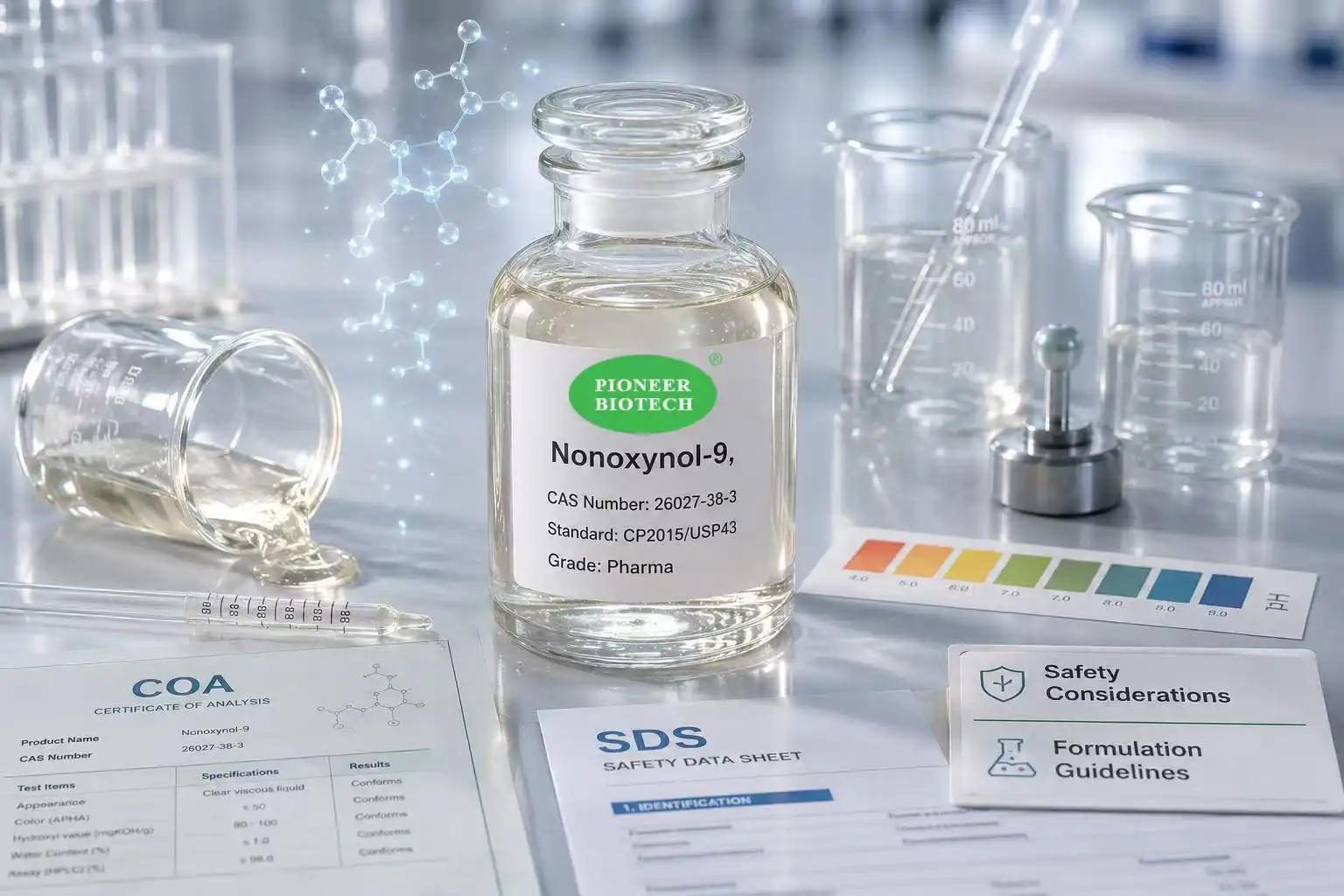
When formulating pharmaceutical or personal care products containing spermicidal agents, understanding the safety profile and technical specifications of nonoxynol-9 is absolutely critical. This nonionic surfactant, classified under CAS Number 26027-38-3, demands careful consideration during product development to balance contraceptive efficacy with user safety and regulatory compliance. As procurement directors and formulation chemists navigate increasingly stringent quality standards, partnering with manufacturers who maintain rigorous testing protocols becomes paramount to ensuring both market success and consumer well-being.
Understanding Nonoxynol-9: Composition, Uses, and Mechanism
Chemical Structure and Physical Properties
Nonoxynol-9 is a certain type of ethoxylated alkylphenol. Its molecular formula is C33H60O10, and its molecular weight is 624.8 g/mol. The number "9" means that there are usually nine ethylene oxide units attached to the nonylphenol backbone. Its Hydrophile-Lipophile Balance (HLB) value of about 13.1 is directly affected by this exact degree of polymerisation. This makes it very good at mixing oil and water. The material we make is pharmaceutical-grade and looks like a clear to light yellow, thick liquid with a slight smell. Its Hydroxyl Value is between 85 and 105 mg KOH/g, which is a very important quality indicator when raw materials are being inspected.
The surfactant is very chemically stable across pH levels from 3.0 to 11.0, which is an important quality for vaginal products because physiological conditions change. Complete solubility in both water and alcohol allows for flexible formulation methods, whether making foams with alcohol or gels that are dissolved in water. These technical factors have a direct effect on how well the product works and how stable it is while it's on the shelf.
Mechanism of Action as Spermicide and Surfactant
At the molecular level, this compound works by messing up the lipid bilayer structure of the membranes of sperm cells. Because it is amphiphilic, meaning it has both hydrophilic ethylene oxide chains and a hydrophobic nonylphenol group, it can easily attach to membrane structures and stop sperm cells from moving. This membrane rupture happens within seconds of touch, making the birth control work right away.
The surfactant qualities are useful in biochemical study labs as well as in reproductive health. Scientists use it to break down cells and dissolve membrane proteins, which is useful because it can mess up lipid structures. Our FDA-approved facility meets strict purity standards (≥99.5%), which means that it doesn't get in the way of sensitive enzyme studies or protein folding studies.
Diverse Industrial Applications and Market Trends
This active ingredient is added by drug companies to birth control gels, foams, vaginal films, and suppositories. The substance is consistent across international markets because it meets both USP43 and CP2015 pharmacopeial standards. It is used to make lubricants that are added during or after the rubber vulcanisation process. When made correctly according to ISO 4074 standards, these lubricants provide secondary contraceptive protection without lowering the tensile strength.
This surfactant is used by personal care makers in intimacy lubricants, cosmetic emulsions, and special hair care formulas. It can be used in many different ways, including as an adjuvant in agriculture, as a cleanser, or to help with the making of textiles. Safety profiles are getting more and more attention in the market, which is driving demand for suppliers who can provide full analytical paperwork and consistent batches. These are the exact standards that our Qinling Mountains plant has been upholding since 2012.
Assessing Nonoxynol-9 Safety: Side Effects, Allergies, and Usage Guidelines
Documented Side Effects and Irritation Potential
Clinical data shows that frequent use may irritate the vaginal area, causing burning feelings, dryness, and swelling of the tissue. These localised reactions happen because the compound has properties that break down membranes. These properties affect not only sperm cells but also vaginal epithelial tissues after repeated exposure. About 5 to 10 percent of users say they are uncomfortable, but the level of discomfort varies a lot from person to person.
Procurement professionals need to be aware that these irritation risks have big effects on how products are positioned and labelled for nonoxynol-9. Formulations that are meant to be used every day need less strict concentration requirements than products that are only used once. The challenge is to find a balance between user pleasure and tissue health, as well as the efficiency of the birth control, which gets better as the concentration goes up. This delicate balance needs exact preparation skills and quality control.
Allergic Reactions and Hypersensitivity Concerns
True allergic hypersensitivity reactions are still pretty rare, but they can show up as contact dermatitis, hives, or even more serious systemic reactions. These reactions are different from irritation in how they work on the immune system, and they usually get worse over time. Product designers need to make it clear to users that they should stop using the product if they start to feel sick and see a doctor.
The quality of the manufacturing directly affects the chance of being allergic. Unreacted nonylphenol, ethylene oxide, or 1,4-dioxane are some of the impurities that can cause sensitivity reactions that are separate from the main molecule. The USP-NF monographs set strict limits on these contaminants, and our GMP-compliant production methods include tested steps to make sure they are followed. Our HACCP ISO22000 certification gives you even more peace of mind that the risks of contamination will be kept under control during production.
STI Prevention Limitations and Associated Risks
To ensure safety, it is important to be clear about what this spermicide can't do. It doesn't really protect against HIV or other sexually transmitted diseases, according to scientific data. More worrying is that heavy use may make you more likely to get a STI by damaging the mucous barrier and causing small cuts and inflammation. The World Health Organization said that people with a high risk of getting HIV shouldn't use it.
This limitation has big effects on how the product is marketed and how it meets legal requirements. Labels must make it clear that they don't protect against STIs so that customers don't get the wrong idea. When drug companies make combination goods, they need to be clear about the limits of safety in order to get regulatory approval and keep an eye on them after the product is sold.
Proper Handling, Storage, and Stability Management
The conditions of storage have a direct effect on the safety and integrity of the product. The compound should be kept in containers that don't let air in and are out of the light at temperatures between 15°C and 30°C. Extreme cold can make things thicken in a way that can be undone, which can change how they are dispensed and used. On the other hand, too much heat can speed up oxidative breakdown, which can lower their effectiveness and make them smell bad.
According to ICH guidelines, stability testing shows that pharmaceutical-grade material stays effective for 24 to 36 months when stored properly. As part of our quality assurance procedures, we do rapid stability studies and real-time tracking to figure out the right expiration dates. Every production batch gets a full Certificate of Analysis that lists the purity, hydroxyl value, residual solvents, and microbial limits. This is important proof for quality checks and regulatory submissions.
Comparative Analysis: Nonoxynol-9 Versus Alternatives in the Market
Nonoxynol-10 and Related Ethoxylates
Because it has ten ethylene oxide units on average instead of nine, Nonoxynol-10 has slightly better hydrophilicity and different solubility properties. The extra ethylene oxide unit raises the HLB value and molecular weight, which could change how well the substance penetrates and irritates skin. Comparative clinical studies show that there aren't many differences in how well different types of birth control work, though product suitability does vary.
From a purchasing point of view, the choice between these closely related chemicals is usually based on past regulatory decisions and manufacturing needs, rather than big differences in how well they work. Nonoxynol-9 has more safety data and is approved by regulators. This is especially true in established markets like the US, where USP standards make clear requirements.
Barrier Methods and Hormonal Contraceptives
Chemical spermicides and barrier methods have different risk-benefit ratios. Latex condoms protect against both pregnancy and STIs without exposing you to chemicals, but they only work if you use them correctly every time. Hormonal birth control works better than spermicides at preventing pregnancy, but they need to be taken by mouth and under medical guidance, so they can't be used over-the-counter.
More and more, product developers are looking into combination approaches, which pair barrier methods with spermicidal agents to make birth control work better. For these combination strategies to work, the surfactant needs to be tested carefully to make sure it doesn't break down latex polymers or other barrier materials. Our technical support team uses decades of experience in surfactant chemistry to help with formulation for these kinds of uses.
Natural Versus Synthetic Spermicide Preferences
Market research shows that people are becoming more interested in "natural" or botanical forms of birth control because they are worried about being exposed to synthetic chemicals. This trend makes things harder for those that use Nonoxynol-9, which is made from petrochemicals (nonylphenol and ethylene oxide) and doesn't usually meet the requirements for natural or organic certifications, even though our EU USDA Organic plant is certified for other product lines.
Botanical spermicides made from neem oil, lemon oils, and other plants are being looked into by some makers. These alternatives have their own problems when it comes to proving their effectiveness, making sure that batches are the same, and getting approved by regulators. When making buying choices, procurement managers have to look at customer preference trends along with what has been shown to work in the past and how regulations have been set up.
Formulation Guidelines for Nonoxynol-9: Ensuring Quality and Compliance
Optimal Concentration Ranges and Carrier Selection
Depending on the form of release, effective spermicidal products usually have an active ingredient that is between 2% and 12.5%. Most vaginal gels have amounts of 2 to 4 percent in water-soluble bases that contain cellulose products or carbomers to make them thicker. 8–12.5% amounts may be used in contraceptive foams to make sure they are spread out evenly across vaginal areas. To get fast dissolution and even spread, film recipes need to carefully choose the polymer, which is usually polyvinyl alcohol or hydroxypropyl methylcellulose.
Testing for carrier suitability is very important during formulation creation. Because it is a surfactant, it can combine with other parts of the formulation, which could change the viscosity, the stability of the pH, or the spread of the active ingredients. Our technical documentation has guidelines for how to make sure that common excipients work with each other. This helps the people who are developing new products avoid formulation problems. Our pharmaceutical-grade material is free of allergens and parabens, which gives you more options for making formulations that work well in delicate situations.
Manufacturing Best Practices and Quality Control
GMP-compliant manufacturing starts with a very strict qualification process for the suppliers. There should be clear limits in the raw material specifications for residual ethylene oxide (usually less than 1 ppm) and 1,4-dioxane (usually less than 10 ppm). These process-related impurities are unsafe and are being closely looked at by regulators. Our FDA-approved lab uses approved testing methods, such as gas chromatography to find volatile impurities and Karl Fischer titration to measure the amount of wetness in the product.
Identity should be confirmed using infrared spectroscopy, purity should be checked using high-performance liquid chromatography, and functional tests should include finding the hydroxyl value and cloud point. Pharmaceutical fitness is ensured by microbial limits testing in line with USP standards. We offer complete documentation packages that include Certificates of Analysis, Safety Data Sheets, and regulatory support files. These are very important for making it easier for customers to get quality reviews and submit paperwork to the government.
Regulatory Compliance Across International Markets
To get around in global regulatory frameworks for nonoxynol-9, you need to know how requirements vary from place to place. In the US, spermicidal products are considered over-the-counter drugs by the FDA and must follow certain monograph standards or get approval from a New Drug Application. European REACH rules say that chemical substances must be registered and safety evaluated, which includes describing possible exposures and risks in detail.
Our well-known certificates, such as HALAL, KOSHER, and HACCP ISO22000, show that we are dedicated to meeting the needs of a wide range of markets. The BSE/TSE-free certification tackles worries in the European and Asian markets about products that come from animals. For customers who want to sell their products in more than one foreign market, we offer regulatory consulting to help them figure out the unique rules and paperwork that each market needs. This cuts down on the time it takes to get new products on the market.
Strategic Procurement of Nonoxynol-9: Sourcing, Pricing, and Supplier Selection
Bulk Wholesale Versus Spot Purchasing Strategies
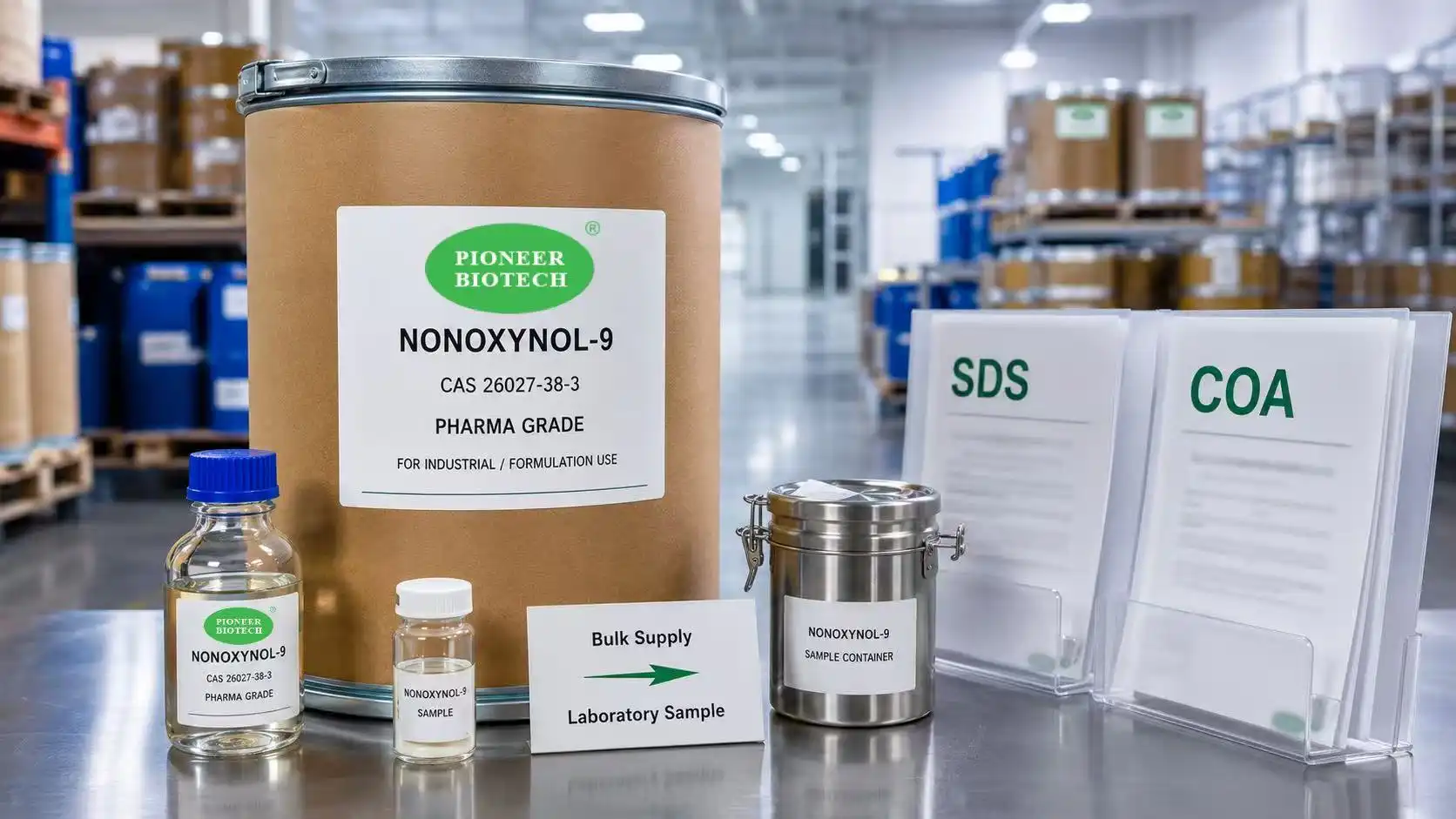
Setting up long-term supply deals has clear benefits for producers whose volume needs stay the same. Buying in bulk usually gives you better unit economics and makes sure that you have a steady supply even when the market changes. Just-in-time manufacturing is supported by our ready stock in local warehouses. This means that customers don't have to pay as much to keep inventory on hand while still getting a reliable supply. Minimum order quantities are still flexible so that both big drug companies and smaller companies that make speciality products can use them.
Spot buying gives you options for when a product is being developed or when demand changes with the seasons, but it can cause supply chain variability. Price changes in upstream petrochemicals can sometimes change how markets work, which is why stable sourcing relationships are important. We keep the lines of communication open about the state of the market and work together with procurement teams to find the best supply strategies that fit their budgets and production schedules.
Essential Supplier Evaluation Criteria
Reputation and track record should be the main factors used to choose a supplier. Our business has been around since 2012, which shows that we are dedicated to quality and customer service. The ISO9001 approval proves that our quality management systems work, and the FDA registration makes sure that our manufacturing standards meet the needs of the pharmaceutical business. References from customers and people in the same business can give you more useful information than just a license.
In this specialised market, providers are set apart by their technical help skills. Formulation chemists and product makers need partners who can give them more than just basic chemicals. They need help with application knowledge, analytical problems, and regulation issues. Scientists on our team who are very knowledgeable about surfactant science work with customers to improve formulations, make them more stable, and come up with a regulatory plan. This consultative method speeds up the development of products and saves customers money by avoiding costly rounds of reformulation.
Being open about how you make things builds trust in your supply relationships. We allow qualified customers to inspect our facilities and keep accurate batch records that can be linked to the sources of our raw materials. The site in the Medicine Herbs Valley of the Qinling Mountains is both convenient and has a long history of making medicinal ingredients. However, this substance is made through synthetic chemistry instead of botanical extraction. Specialised production areas for surfactant chemistry are set up in our 7,000m² facility, keeping them separate from other product lines.
Pricing Dynamics and Cost Optimization
Pricing arrangements for buying speciality chemicals are affected by a number of things. The most changeable part is the cost of the raw materials, especially nonylphenol and ethylene oxide. The costs of energy for polymerisation reactions and purification steps make a big difference. Regulatory compliance investments, such as analytical tests and making paperwork, add set costs that are spread out over the amount of production.
Customers and sellers both benefit from economies of scale that are made possible by volume agreements for nonoxynol-9. Our approach to prices is based on value rather than being the cheapest choice. We offer competitive pricing that is based on the true cost of ownership rather than just comparing unit prices because we offer full quality assurance, technical support, and regulatory documentation. It's common for the hidden costs of poor quality, regulatory delays, or technical problems caused by providers who aren't very good at what they do to be higher than the saves that seem to come from rock-bottom prices.
Conclusion
To successfully create and sell products with this specific surfactant, you have to find a balance between safety, effectiveness, regulatory compliance, and market positioning. Chemical standards, biological processes, user safety profiles, and manufacturing quality systems are some of the technical things that need to be thought about. Choosing a supplier has a big impact on how quickly a product is developed, how well it does with regulators, and how well it does in the market. More and more people are looking closely at safety profiles and wanting clear paperwork. This makes choosing a provider more important than ever. In this specialised market, manufacturers who put an emphasis on thorough quality systems, technical know-how, and quick customer service are in a good situation.
FAQ
How does Nonoxynol-9 maintain latex condom integrity?
This surfactant doesn't change the tensile strength or flexibility of rubber materials when mixed with the right lubricant bases, like water-based or silicone-based systems. The ISO 4074 testing standards make sure that the mechanical properties stay within the limits. Controlling concentration levels and staying away from incompatible excipients that could remove plasticisers or break down polymer chains are key.
What storage temperature range ensures product stability?
Keeping things in sealed containers at temperatures between 15°C and 30°C stops them from breaking down. Lower temperatures may cause changeable increases in stickiness that make it harder to dispense the product but don't mean that the chemicals are breaking down. When temperatures are high, oxidative processes happen faster, which can weaken substances and change how they feel. Changes in temperature during shipping should be recorded and compared to data on steadiness.
Can this ingredient qualify for natural product certifications?
Because manufactured compounds are made from petrochemical raw materials, they can't usually be certified as natural or organic. This is true even though the compound is widely used and has a history of safety in allowed uses. Brands that stress their natural positioning often look into other plant spermicides, but they face different problems when it comes to proving their effectiveness and getting approved by regulators.
Partner with Pioneer Biotech for Pharmaceutical-Grade Nonoxynol-9
When you make good buying choices, you start with seller partners who know your technology needs and the challenges that come with regulations. Pioneer Biotech has more than ten years of specialised experience making pharmaceutical surfactants. They also have a lot of certifications and the ability to do analytical work. Our pharmaceutical-grade material is made to strict USP43 and CP2015 standards, and each batch comes with paperwork that can be used to support regulatory applications all over the world.
Whether you're making formulations for birth control, personal care products, or specialised industry uses, our expert team can help you with formulation and regulatory issues throughout the whole product development process. There is always stock in our local warehouses so that orders can be sent out quickly, and we offer sample materials for qualification testing. We are a preferred Nonoxynol-9 provider for high-end personal care and pharmaceutical names because we follow GMP manufacturing standards, offer cheap bulk prices, and provide quick technical support. Email our team at sales@pioneerbiotech.com to talk about your unique needs and find out how our experience can help you reach your product development goals faster.
References
1. World Health Organization. "Nonoxynol-9 Ineffective in Preventing HIV Infection." WHO Technical Consultation Report, 2002.
2. United States Pharmacopeia and National Formulary (USP 43-NF 38). "Nonoxynol 9 Monograph." United States Pharmacopeial Convention, 2020.
3. Raymond, E.G., Chen, P.L., and Luoto, J. "Contraceptive Effectiveness and Safety of Five Nonoxynol-9 Spermicides: A Randomized Trial." Obstetrics & Gynecology, vol. 103, no. 3, 2004, pp. 430-439.
4. Roddy, R.E., Zekeng, L., Ryan, K.A., et al. "Effect of Nonoxynol-9 Gel on Urogenital Gonorrhea and Chlamydial Infection: A Randomized Controlled Trial." Journal of the American Medical Association, vol. 287, no. 9, 2002, pp. 1117-1122.
5. International Organization for Standardization. "Natural Rubber Latex Condoms - Requirements and Test Methods (ISO 4074:2015)." ISO Technical Committee, 2015.
6. European Chemicals Agency. "Guidance on Information Requirements and Chemical Safety Assessment - Chapter R.12: Use Descriptor System." REACH Regulation Implementation, 2010.