

Hydrolyzed Keratin: Benefits, Uses& More
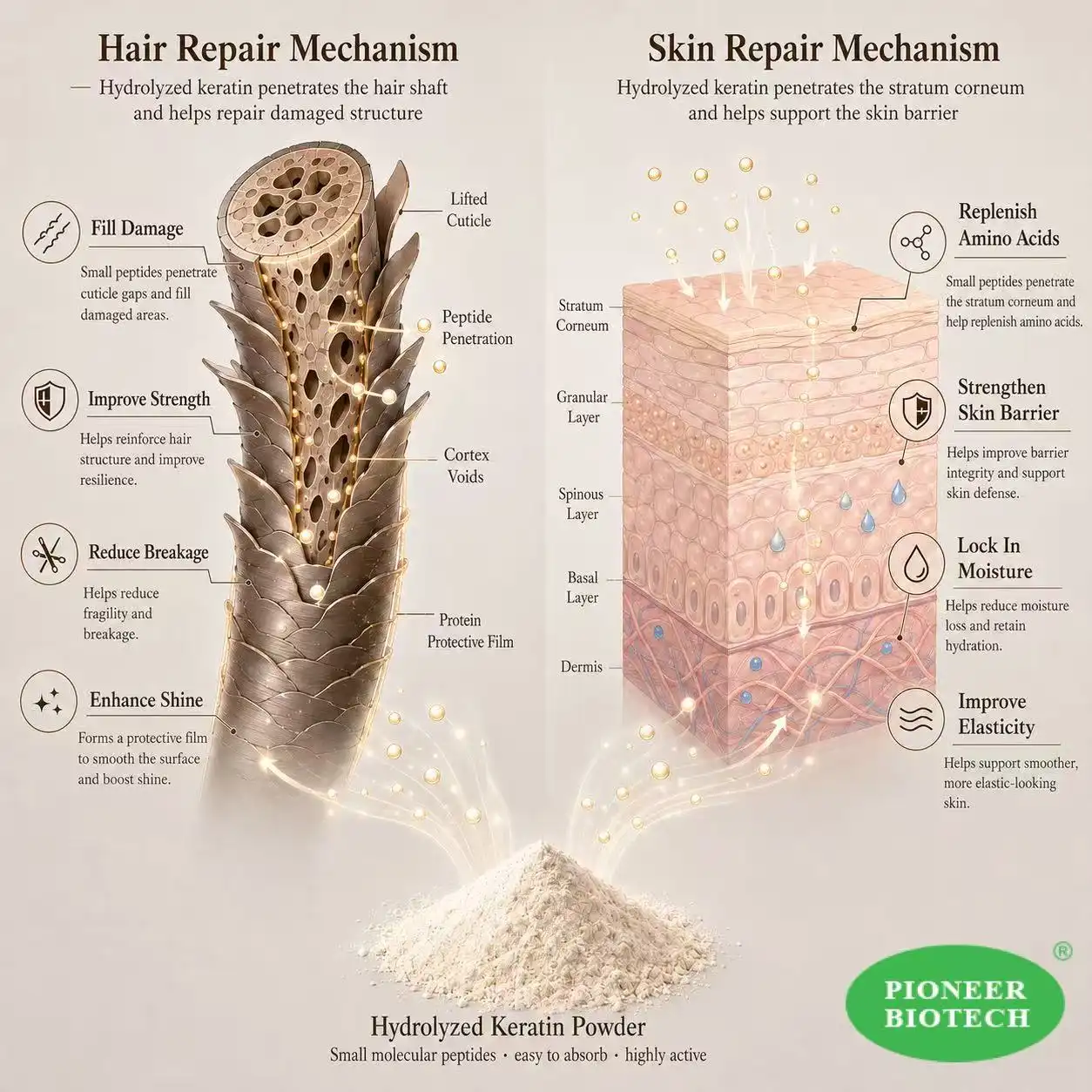
When you're formulating the next generation of hair repair systems or premium skincare products, ingredient selection defines success. Pure hydrolyzed keratin stands as a scientifically validated protein derivative that solves critical formulation challenges—from bioavailability and penetration to batch consistency and regulatory compliance. Derived from natural keratin sources such as wool, chicken feathers, or duck feathers through controlled hydrolysis, this ingredient delivers low molecular weight peptides (typically 500-3,000 Daltons) that penetrate the hair cortex and skin stratum corneum effectively. For procurement managers, R&D directors, and quality control specialists, understanding its composition, sourcing strategies, and application protocols is essential to building superior formulations that meet consumer expectations and regulatory standards in competitive global markets.
Understanding Pure Hydrolyzed Keratin: Composition & Benefits
What Makes Pure Hydrolyzed Keratin Different?
Pure hydrolyzed keratin is different from native keratin because the molecules have changed. Native keratin doesn't dissolve because it has strong disulfide bonds and hydrophobic interactions. But when it is broken down by an enzyme or an acid, these bonds are broken into smaller peptide fragments. The main problem has been solved by this change: absorption. The peptides that are made can reach levels that whole protein units can't, ranging from 500 to 3,000 Daltons. This range of sizes lets the ingredient get to the hair cortex, where structure repair takes place, instead of just covering the cuticle surface.
The protein content specification is very important. High-grade keratin peptides keep their protein content above 90%, which makes sure that recipes contain active ingredients instead of fillers or waste products from processing. This level of purity is directly related to how well it works—more amino acids are available to bond with broken hair and skin structures when the protein concentration is higher.
Mechanism of Action: Structural Repair at the Molecular Level
The usefulness of hydrolyzed keratin peptides comes from the fact that they are amphoteric. Chemical treatments, heat styling, or being out in the sun can all cause oxidative stress, which gives damaged hair a negative charge. These peptides bind to damaged sites by ionizing them. They have both positive and negative charges. The cysteine content—an amino acid that is high in keratin and contains sulfur—restores the hair shaft's tensile strength and flexibility by breaking down disulfide bonds and rebuilding them.
Two things work together to make moisture preservation better. Transepidermal water loss is slowed down by the peptides, which cover the skin and hair in a film that lets some water through. Their hydrophilic amino acid parts also attract and bind water molecules, which makes them more hydrated from the inside out. Because of this, products with keratin peptides show noticeable gains in skin hydration and hair elasticity (often 20–35% increases in clinical tests).
Benefits Across Applications
Peptide substantivity means that they can stay connected through multiple wash cycles, which is useful for hair care. The most noticeable changes can be seen in hair that has been chemically treated, dyed, or damaged by heat. It becomes less likely to break, shines more, and is easier to style. The peptides fill in tiny holes in the skin layer and strengthen the cortex, fixing damage at several levels of the structure.
Keratin peptides and the skin's Natural Moisturizing Factor have amino acid profiles that are very similar, which is used in skin care products. This compatibility lowers the risk of irritation and improves the function of the barrier. Peptide release makes skin more elastic and smooths out rough surfaces, which is especially helpful for anti-aging products. Another rising market is nail care. When peptides are mixed with the keratin structure of the nail plate, they stop the nails from breaking and delaminating. This is especially helpful for professional spa treatments and home strengthening systems.
Comparison and Selection: Pure Hydrolyzed Keratin vs Alternative Proteins
Structural Functionality: Why Keratin Outperforms Alternatives
When you compare protein sources, you can see that they work differently. While hydrolyzed collagen can help keep the skin moist, it doesn't have the sulfur-rich amino acid profile that hair needs to form disulfide bonds in pure hydrolyzed keratin. Keratin peptides are better at fixing damaged hair than silk proteins, but silk proteins are better at making films. While wheat proteins are good for training, they may cause allergies in consumers who are aware of gluten, which makes clean-label claims harder to make.
Keratin is better for structure because it is biomimetic, which means that chemically, it is more like human hair protein than any other material. This closeness leads to better binding efficiency and better useful performance in repair situations. When used in intensive treatments or bond-building systems, keratin peptides produce results that other proteins can't match. This is especially true when it comes to making hair stronger after chemical processing.
Source Considerations: Animal-Derived vs Vegan Alternatives
There are many things besides results that go into sourcing choices. Animal-derived keratin from feathers of sheep, chickens, or ducks gives real peptide profiles with a lot of cysteine. These sources use leftovers from the food industry in a way that supports the circular economy. This addresses worries about sustainability while keeping costs low.
Vegan options, which are usually mixes of hydrolyzed bean, lentil, and quinoa proteins, are appealing to companies that want to present themselves as plant-based. Even though these combinations can work in some ways like animal-derived keratin, they can't exactly copy its ability to form disulfide bonds. Performance differences become clear in demanding tasks like fixing chemical damage or going through intense reshaping treatments. When making decisions about purchases, people have to think about how to position products in the market, how much they cost, and what kind of performance each product category needs.
Concentration and Choice of Specifications
Formulation success depends on how well the peptide specifications match the needs of the application. It depends on the molecular weight distribution of the peptides whether they enter (500–1,500 Daltons) or make protective films (1,500–3,000 Daltons). Blended molecular weight ranges are often helpful for multifunctional formulations because they repair from the inside out and protect the surface.
By using the Kjeldahl or Dumas methods to check the protein level, you can be sure that you're buying the active ingredient and not just boosting agents. Lack of ash content below 5% means complete dehydration, which keeps the mixture from becoming unstable due to salts that are still present. Specifications for pH levels between 5.5 and 7.5 allow interaction with most cosmetic systems without the need for significant buffering. This makes formulating products easier and lowers the cost of ingredients.
Procurement and Sourcing Strategies for Pure Hydrolyzed Keratin
Supplier Qualification: Beyond Basic Certifications
To vet providers, you have to look at their quality processes in detail. ISO9001 certification shows that you can control the process, but you need more proof. Ask for Certificates of Analysis for several production batches and check that the protein content, molecular weight distribution, and levels of impurities are all the same. Changes between runs show that the process isn't being controlled well, which leads to formulation problems and customer issues later on.
Material Safety Data Sheets give you important knowledge about how to handle things, but testing by a third party adds another level of assurance for pure hydrolyzed keratin. An independent lab test for heavy metals (lead, arsenic, and mercury below 20 ppm), microbiological contamination (total plate count under 100 CFU/g, lack of pathogens), and protein validity keeps formulation fails or regulatory problems that cost a lot of money from happening. Suppliers who are ready to give you samples to test show that they are sure of their quality processes.
It is necessary for factories that supply the U.S. market to be registered with the FDA. This is especially true for ingredients used in medicines or dietary supplements. Certifications like Halal and Kosher help brands that cater to certain groups of people reach more customers. These credentials show not only religious observance but also strict standards for facility cleanliness and process documentation.
Regional Sourcing Dynamics
Knowing the differences between area suppliers helps you make smart choices. Manufacturing facilities in biotech hubs usually offer better technical support, the ability to do custom hydrolysis, and quick communication. The Qinling Mountains region in China, especially Hanzhong city, has become a center for making botanical and protein extracts because it is easy to get the raw materials and the processing infrastructure is well-developed.
Different markets have very different rules about imports. The REACH rules in Europe require a lot of paperwork, but the U.S. FDA's classification of an ingredient (GRAS for food applications or monograph compliance for cosmetics) affects how long it takes to get approval. Working with providers who know how to handle export paperwork like phytosanitary certificates and customs classification cuts down on shipping delays and costs that were not expected. Some suppliers keep their stock in warehouses overseas, which cuts delivery times for urgent orders or test batches by a huge amount.
Cost Optimization Without Quality Compromise
Multiple factors affect pricing structures, such as the cost of the source material, the difficulty of the hydrolysis method, the level of purity, and the volume commitments. Bulk buying deals lower the cost per kilogram by a large amount, but they need careful inventory management and storage conditions to keep the goods from going bad. By building long-term relationships with suppliers, you can often get big savings, priority production slots, and the freedom to make changes that you can't get with spot purchases.
Order minimums affect both cash flow and the amount of space needed for storing. Flexible MOQs from suppliers allow for testing the market and developing the product, and scalable supply agreements make sure that supplies are always available as production numbers rise. Private label options let OEM manufacturers make their product lines stand out without having to spend money on infrastructure for developing new ingredients. This speeds up the time it takes to market for new formulations while keeping prices low.
Application and Processing: How to Use Pure Hydrolyzed Keratin Effectively?
Formulation Integration Best Practices
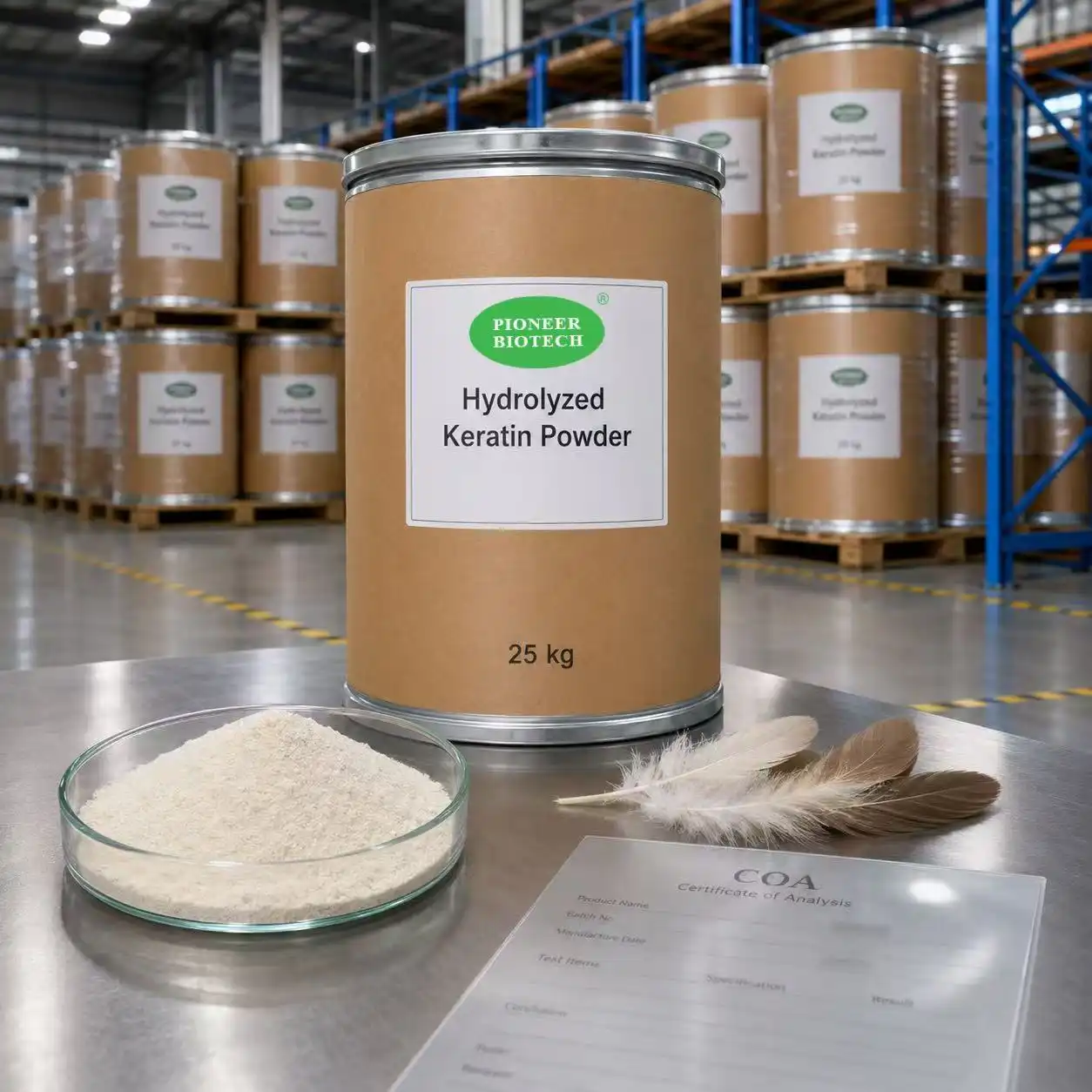
To properly incorporate keratin peptides, you need to know how hydrolyzed keratin powder reacts in solution. The peptides dissolve very well in water and integrate easily into water-based systems at temperatures below 40°C to keep them from denaturing. Spread the powder slowly into the water phase while gently stirring. Let it soak up all the water before changing the pH or adding other actives. Peptide structure is broken down by fast mixing or too much heat, which lowers their effectiveness.
Changing the pH level affects how peptides charge and bind. Formulating between pH 5.5 and 6.5 gives hair the most substance while still being gentle on the skin. Using citric acid or sodium citrate in buffering systems keeps the product stable for as long as it lasts. Most conditioning agents, proteins, and humectants work well with peptides, but strong oxidizers or reducing agents should be avoided because they can break disulfide bonds.
Common Formulation Pitfalls to Avoid
Several mistakes hurt the performance of the peptide. Not enough use—below 2% for rinse-off products or 1% for leave-on products—doesn't give consumers much of a benefit. On the other hand, concentrations higher than 5–7% rarely improve performance proportionally and raise costs needlessly. The best quantity relies on the type of application, the contact time, and the ingredients that are used with it.
Protein peptides can be food for microorganisms, so the choice of preservative is important. Broad-spectrum preserving methods that use organic acids or parabens along with phenoxyethanol offer solid defense. Don't just rely on pH or chelating agents; keratin peptides can still do their job in pH ranges where some microbes do well.
The way peptides are stored affects how stable they are. When finished goods with keratin peptides are kept below 25°C and out of direct sunlight, they work at their best. High temperatures or light can cause reactive changes in amino acids that contain sulfur, which makes them less effective over time. Putting products in clear packages helps them last longer, especially leave-on treatments.
Real-World Performance Validation
A makeup company working on a treatment method for hair that has been bleached added 3% keratin peptides along with bond-building actives. After four treatments, consumer tests showed a 42% drop in breaking and a measurable improvement in combability. Because peptides were substantial, the benefits built up over time. This made a difference that consumers could see, which led them to buy again.
An OEM that made private-label hair masks for salons used custom molecular weight keratin blends, which included smaller peptides for penetrating the cortex and bigger peptides for closing the cuticle. Professional hairdressers said it had more shine and stayed smooth for a much longer time than their previous product that only used collagen peptides. Because of this difference in success, the salon company was able to charge more for their treatment service.
Conclusion
For companies that are serious about providing real repair and protection benefits, pure hydrolyzed keratin is an ingredient with scientific backing. Its special molecular structure comes from controlled hydrolysis of natural keratin sources. This structure makes it impossible for other proteins to penetrate and bind to it. To be successful at procurement, you need to carefully screen suppliers, understand molecular specs, and use formulation best practices that keep peptide functionality. The ingredient can be used in many different ways, such as for hair care, skin care, nail treatments, and new uses in nutraceuticals and medicines. As the need for products that deliver measurable results grows, keratin peptides provide the technical basis for formulations that meet those needs while also supporting clean-label positioning and regulatory compliance across global markets.
FAQ
What is the difference between pure hydrolyzed keratin and regular keratin?
Regular keratin is the whole protein with a high molecular weight that doesn't dissolve and can't get into the structures of hair or skin. Pure hydrolyzed keratin is broken down into smaller peptides (500 to 3,000 Daltons), which are then dissolved in water and can enter the hair cortex and attach to damaged areas. The word "pure" means that the protein content is high (usually above 90%), and there are no fillers or low-quality protein sources like urea or cheap veggie proteins added. This level of purity guarantees consistent performance and expected behavior from the mixture.
How do I verify supplier quality claims?
Ask for Certificates of Analysis that are unique to each batch. These should show the molecular weight distribution, heavy metal screening using ICP-OES, protein content using the Kjeldahl method, and microbial testing results. Verification tests by a third party should be done on samples before placing large orders. Check to see if the company has ISO9001, FDA, or HALAL/Kosher certifications. Reliable providers give clear paperwork, let plant exams happen, and give you samples to check out on your own. When various batch COAs are consistent, it means that the process is well controlled.
Are there safety concerns with hydrolyzed keratin?
When bought from reliable companies that meet cosmetic-grade standards, hydrolyzed keratin peptides have great safety ratings. The chance of skin discomfort is low because it is compatible with human protein structures. However, make sure that the amount of heavy metals stays below the allowed levels and that bacterial testing shows that there are no germs. Microbes can't grow in finished products as long as they are stored properly. The ingredient is considered safe for food use in many places as long as it meets purity standards, which is called "GRAS status."
Partner with Pioneer Biotech: Your Trusted Pure Hydrolyzed Keratin Supplier
Our FDA-registered plant is in Hanzhong, China's famous herbs valley in the Qinling Mountains. This is where Pioneer Biotech makes pharmaceutical-grade keratin peptides. Our advanced hydrolysis methods consistently produce protein contents above 90%, molecular weight distributions that are best for your formulation needs, and heavy metal levels that are well below the limits set by regulators. The quality stability that your buying requirements require is guaranteed by ISO9001 certification, thorough testing methods, and batch-to-batch paperwork.
We work with CROs, CMOs, and CDMOs to make relationships possible by letting you change molecular weight profiles, concentration levels, or create custom peptide blends that are only available to your business for pure hydrolyzed keratin. Gift samples, coordinating third-party testing, helping with clinical studies, and plant audits are all examples of how committed we are to being open and honest. We have ready-to-ship stock in foreign stores, and our technical team helps with formulation from the idea stage all the way through to commercialization. Pioneer Biotech makes it easier for you to find suppliers by having a PCT patent and all the necessary regulatory paperwork. This improves the performance of your products. You can talk to our team about your keratin peptide needs and get specification sheets that are specifically made for your application by emailing sales@pioneerbiotech.com.
References
1. Barba, C., Martí, M., Manich, A.M., Carilla, J., Parra, J.L., & Coderch, L. (2010). "Water absorption/desorption of human hair and nails." Thermochimica Acta, 503-504, 33-39.
2. Fernández, E., Barba, C., Alonso, C., Martí, M., Parra, J.L., & Coderch, L. (2012). "Photodamage determination of human hair." Journal of Photochemistry and Photobiology B: Biology, 106, 101-106.
3. Hashimoto, K. (1988). "The structure of human hair." Clinics in Dermatology, 6(4), 7-21.
4. Nakamura, A., Arimoto, M., Takeuchi, K., & Fujii, T. (2002). "A rapid extraction procedure of human hair proteins and identification of phosphorylated species." Biological and Pharmaceutical Bulletin, 25(5), 569-572.
5. Robbins, C.R. (2012). "Chemical and Physical Behavior of Human Hair" (5th Edition). Springer-Verlag, Berlin.
6. Woodruff, J. (2002). "Protein-based cosmetics: Biological activity of keratin hydrolysates." International Journal of Cosmetic Science, 24(5), 263-272.