

How does Marigold Extract Lutein Affect the Optic Nerve?
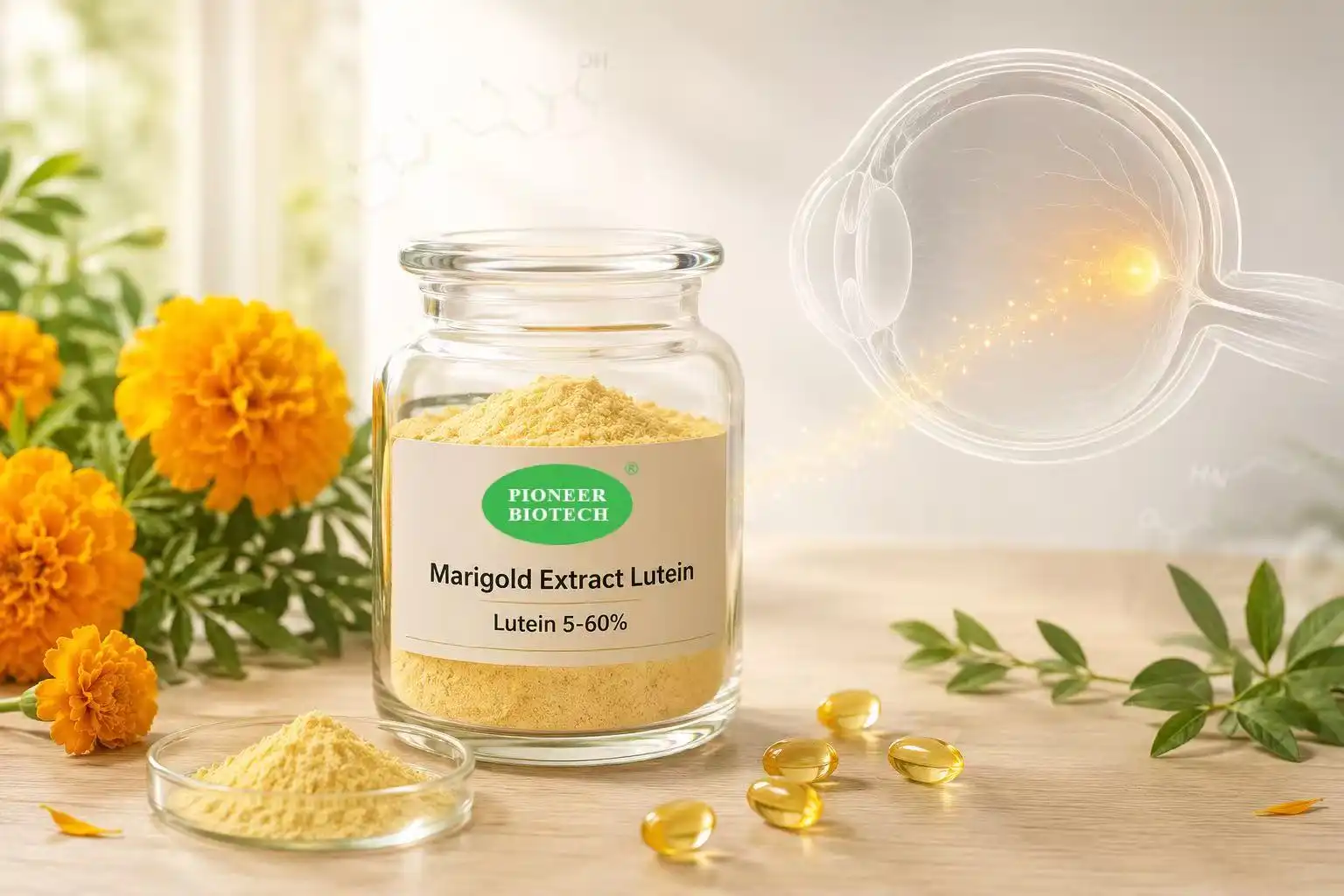
The Lutein in marigold extract is a strong antioxidant that fights oxidative stress and inflammation in brain cells to protect the health of the optic nerve. This color comes from marigold flowers and naturally builds up in the structures of the retina. In that place, it fights free radicals that hurt the optic nerve. The optic nerve is the main neuron that tells the brain what we see. It keeps cell walls solid and lowers inflammatory reactions that hurt nerve function because of how its molecules are set up. Taking the same amount every day helps protect the optic nerve, especially in groups that are more likely to lose their sight as they age. Because of this, it is a key nutrient for B2B companies that make eye health products based on proof.
Understanding Lutein and Its Role in Optic Nerve Health
What Makes Lutein Essential for Neural Protection?
Lutein is a type of carotenoid that comes from the xanthophyll family. Carotenoids are pigments that plants use to make them yellow and orange. They contain oxygen. We need to get this nutrient from food or pills because our bodies can't make it on their own. This chemical dissolves in fat and moves through the bloodstream. When we eat foods or take vitamins that are high in Lutein, it gathers in certain eye tissues, mostly the macula and optic nerve head. This selective buildup isn't happening by chance; the optic nerve needs extra antioxidant protection because it does a lot of biochemical work and oxidative stress can damage it quickly.
The Optic Nerve's Vulnerability
This nerve is made up of more than a million nerve fibers that work together. These strands send electrical messages that make it possible for us to see. Reactive oxygen species are always a danger to these weak fibers because they are made when cells break down food. If you don't get enough antioxidant protection, you could get glaucoma, visual neuritis, or just get worse with age. The blood-retinal barrier makes it hard to target the transfer of nutrients, but this molecule goes through easily because it is lipophilic.
How Antioxidant Activity Protects Neural Tissue?
Carotenoids join with fatty layers inside nerve cells and move from the outside to the inside of the cells. The molecule is in a place where it can catch free radicals before they hurt important parts of cells. It has been discovered that having the right amount of macular pigment density is linked to better performance and less inflammation in the visual nerve. This density is mostly made up of this carotenoid and zeaxanthin. Singlet oxygen and peroxyl radicals are slowed down during this process. At the same time, the health of the mitochondria in ganglion cells, which are part of the visual nerve, is better.
Scientific Research and Benefits of Lutein for Eye and Optic Nerve Health
Evidence from the AREDS Studies
The AREDS study is a ground-breaking one that shows that getting more carotenoids can help keep your eyes healthy. AREDS II looked at products that had this vitamin along with zeaxanthin in them in particular. It got 25% better for people who already had age-related macular degeneration over the course of five years. Even though the study was mostly about the macula, antioxidants are also good for the visual nerve because both have biological needs and are vulnerable to oxidative stress.
Anti-Inflammatory and Antioxidant Mechanisms
This pigment changes the courses of inflammation that lead to damage to the visual nerve as well as getting rid of free radicals. Research has shown that it works very well to stop glaucoma and diabetic retinopathy, two conditions that hurt the nerves that connect to the eyes. Inflammatory factors are stopped by the anti-inflammatory properties, and healthy blood flow to brain areas is promoted. Supplements can help with a number of eye illnesses that affect the visual nerve because they are both anti-inflammatory and vitamins.
Synergistic Effects with Zeaxanthin
This vitamin and its isomer zeaxanthin work better together to protect than either color by itself. A single double bond in one of the molecules is the only thing that makes them different. In spite of this small difference, they still guard cells together. Zeaxanthin is mostly found in the middle part of the macula. The other one is spread out more and covers the whole retina and optic nerve. B2B formulators should think about zeaxanthin to this chemical ratios of 5:1 to 2:1 for the best absorption and medicinal effects.
Implications for Prenatal and Lifelong Vision
A new study shows that this carotenoid helps a growing baby's eyes while the mother is pregnant and also keeps the eyes healthy into old age. Antioxidants are important for the growth of neuronal tissue, and vitamins given by moms may help protect against problems during development that affect the visual nerve. More study is needed to find the best amount for pregnant women, but what we know so far suggests that a mild dose is safe and may even be helpful.
Procurement Insights—Choosing the Right Marigold Extract Lutein Supplier
Evaluating Ingredient Purity and Standardization
People who buy from other businesses should choose suppliers that offer standard goods with proven assay specs. On good marigold products, the amount of free Lutein content should be written down instead of Lutein esters, which need to be changed in the digestive system before they can be used. Look for records of tests that show levels of purity above 95%, and make sure that the steps used to make the product are clearly explained. A third party checks for heavy metals, pesticides, and bacteria to make sure that rules are followed and that customers are safe.
Certification Standards That Matter
Suppliers who are certified by ISO9001, HALAL, or KOSHER show that they follow quality control methods that are important in the food and drug industries. Goods that are going to the US market are safer when they are made in facilities that are listed with the FDA. Brands with a clean name like organic reputation, but they may cost more. The people whose job it is to buy things should figure out which rights fit the brand's image and the needs of the target market.
Natural Extraction Versus Synthetic Production
Marigold extracts are better because they come from plants, and people like chemicals that come from plants. Most of the time, solvent-based methods are used to remove, and then cleaning and reduction steps are taken. Synthetic choices may be cheaper and always available, but customers usually like natural goods more and they work better. The answer comes down to your money, how you place the product, and the people you want to buy it.
Supply Chain Transparency and Reliability
To make it easy to track where the goods come from and where they are packed, trustworthy sellers make their supply lines clear. Check with suppliers to see if they can give consistent quality from batch to batch, low minimum order quantities, and the ability to increase or decrease production as required. The place where you buy marigolds is important; sellers in areas with established facilities for growing them usually have more stable amounts. Supply problems are less likely to happen if you have ties with several skilled companies.
Formulation and Application: How to Integrate Marigold Extract Lutein Into Your Product Offering
Recommended Dosage Guidelines
Researchers have found that getting between 6.9 and 11.7 milligrams of it every day is good for your eyes. Studies on supplements have shown that taking up to 20 mg of it every day is safe. Up to 20 milligrams from food and vitamins is safe for most people, say most health experts. Before you decide on a recipe, you should think about the people who will be using it. For instance, bigger amounts may be better for older people, while modest levels in preventative formulas may be better for younger people. There needs to be a balance between how well it works, how much it costs, and the rules in the places that it is meant for.
Delivery Format Considerations
The capsule forms of marigold extract are stable and easy to use. They give the right amount of carotenoid and keep it from breaking down. This vitamin dissolves in fat and needs lipids to be absorbed best. Oil-based solutions in softgel forms make it more accessible. Powder types can be useful for food, but they need to be carefully made to deal with issues like how stable they are and how well they dissolve. Special processing methods are used to make water-soluble forms that are easy to mix into drinks and sweets. These are becoming more and more popular with people who want an easy way to take vitamins.
Safety Profile and Interactions
Safety tests show that it is very safe, but high doses can sometimes cause carotenemia, a skin color that isn't dangerous and goes away when the dose is dropped. There have been no reports of big side effects when taking medicines together, but the people who make the medicines should think about what might worry some target groups. It is safe for women who are pregnant or nursing to eat this nutrient, though the recommended dose is still being studied. On the packages of products, there should be information about safety and how to use the products in a way that meets government guidelines.
Future Trends and Market Opportunities in Lutein Supplementation
Innovation in Targeted Formulations
There is a new study looking into better ways to give medicine that will protect the visual nerve. Technologies that use liposomes to encapsulate drugs help them get to the right brain cells and work better. Carotenoids are helpful on their own, but they are even more helpful when mixed with nutrients that work well together, like omega-3 fatty acids, B vitamins, and antioxidants. When the market is full of other brands, these new ideas can help brands stand out.
Market Dynamics Driving Demand
People in rich markets are living longer, so sales of eye health goods are still going up. As people of all ages spend more time in front of screens, they become more aware of how important it is to protect their eyes. This means that the goods can be offered to more age groups. Categories for eye health will continue to grow by more than 10% each year, according to a study of the market for 2024 and beyond. High-end recipes will get very expensive. People are willing to spend money on health care that keeps them healthy, which makes high-end goods backed by science possible.
Strategic Positioning for B2B Partners
Inventory managers and OEM partners should check ingredient lists to make sure they have high-quality carotenoid goods that can fill new market needs. What buyers want and what shops need are the same things: strong proof, clean labels, and regular strengths. It's faster and less risky to go to market too soon if you build ties with service providers who can help with legal advice and formulation improvement.
Conclusion
The lutein powder in marigold extract protects the health of the visual nerve in important ways by working as an antioxidant and an anti-inflammatory. Scientists have shown that it stops the breakdown that comes with getting older and helps keep brain tissue healthy along the vision route. Companies that make eye health items should focus on getting high-quality, standardized extracts from trusted sources that can always deliver high-quality goods. People are living longer, spending more time in front of screens, and becoming more health conscious. This proof-based feature could help goods sell a lot. Brands can be successful in the growing eye health market for a long time because of the smart choices they make about sources today.
FAQ
Is lutein safe for pregnant women and children?
A small amount of carotenoids is safe to take while pregnant, and research shows that they might even be good for the baby's eyes as they grow. While exact dosing rules for women who are pregnant or nursing are still being worked out, it seems safe to eat foods that contain it and take supplements as recommended. This vitamin is easy for kids to get from food, but adult supplements should be taken according to the directions until more research is done to find the best amounts for growing populations.
Can lutein prevent optic nerve damage and macular degeneration?
Researchers have found that getting enough of it can cut the risk of age-related macular degeneration getting worse by up to 25% in people who already have it. Regularly taking supplements might not totally protect everyone from getting these conditions, but they do offer important protection through processes that reduce inflammation and protect cells from damage. It looks like the drug works best when it is used before big changes that lead to deterioration happen. This shows that early remedial methods are useful.
What's the difference between natural and synthetic lutein?
Marigold oils that come from plants are more likely to be chosen by customers and may be better for your body than synthetic alternatives. Synthetic product is better sometimes because it is cheaper, but natural sources are getting better as they get easier to get rid of. Studies on bioavailability show that both types can raise blood levels. But things like how the drug is given and the nutrients that come with it are often more important than where it comes from. B2B buyers should think about how customers feel, how the law affects them, and their income when they have to choose between natural and fake options.
Partner with Pioneer Biotech for Premium Marigold Extract Lutein
Shaanxi Pioneer Biotech Co., Ltd. stands ready as your trusted Lutein supplier, delivering pharmaceutical-grade marigold extracts that meet the stringent quality standards B2B professionals demand. Since our founding in 2012, we've specialized in developing superior herbal extracts from our strategically located facility in Hanzhong—the renowned Medicine Herbs Valley of Qinling Mountains. Our 7,000-square-meter production facility maintains ISO9001, HALAL, KOSHER, and FDA qualifications, ensuring every batch meets your exact specifications for purity, potency, and consistency. We offer flexible minimum order quantities, competitive bulk pricing, and comprehensive technical support to accelerate your product development. Contact our formulation experts at sales@pioneerbiotech.com to request samples, discuss custom standardization requirements, or receive detailed quotations tailored to your specific application needs.
References
Bone, R.A., Landrum, J.T., and Tarsis, S.L. (1985). "Preliminary identification of the human macular pigment." Vision Research, 25(11), 1531-1535.
Seddon, J.M., Ajani, U.A., Sperduto, R.D., et al. (1994). "Dietary carotenoids, vitamins A, C, and E, and advanced age-related macular degeneration." Journal of the American Medical Association, 272(18), 1413-1420.
Age-Related Eye Disease Study 2 Research Group (2013). "Lutein + zeaxanthin and omega-3 fatty acids for age-related macular degeneration: the Age-Related Eye Disease Study 2 randomized clinical trial." JAMA, 309(19), 2005-2015.
Kijlstra, A., Tian, Y., Kelly, E.R., and Berendschot, T.T. (2012). "Lutein: more than just a filter for blue light." Progress in Retinal and Eye Research, 31(4), 303-315.
Stringham, J.M. and Hammond, B.R. (2007). "The glare hypothesis of macular pigment function." Optometry and Vision Science, 84(9), 859-864.
Bernstein, P.S., Li, B., Vachali, P.P., et al. (2016). "Lutein, zeaxanthin, and meso-zeaxanthin: The basic and clinical science underlying carotenoid-based nutritional interventions against ocular disease." Progress in Retinal and Eye Research, 50, 34-66.