

Coconut Protein Powder OEM Solutions for Nutrition Product Development
There is a big shift happening in the nutrition business toward sustainable, plant-based ingredients that work well and look good on the label. Coconut protein powder has become an important ingredient for original equipment manufacturers (OEMs) that want to make new nutrition products that meet changing consumer needs. This vegan-friendly protein source comes from carefully processing coconut flesh after oil is extracted. It has a full amino acid profile, natural hypoallergenic qualities, and a lot of formulation options. As purchasing managers and product developers look at next-generation protein solutions, it's important to know the technical requirements, quality standards, and supplier skills to make sure the product launches go well.
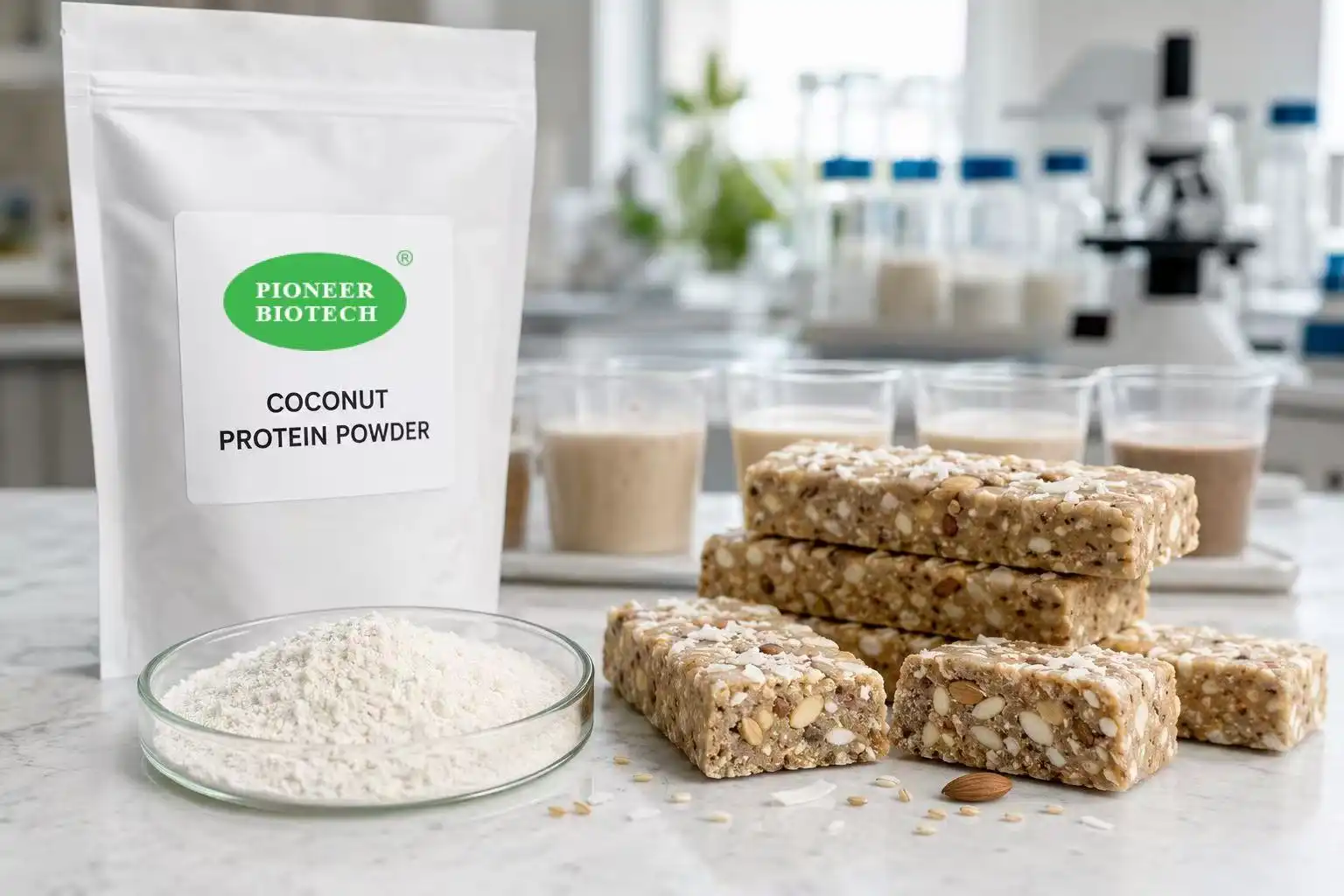
Understanding Coconut Protein Powder and Its Industry Relevance
More and more people around the world are switching to plant-based diets, which means there is a huge need for alternative protein sources that are both healthy and moral. It comes from the tropics and is at the heart of a number of market trends. In product categories with a lot of competition, it gives companies a strategic edge.
Nutritional Profile and Functional Benefits
Based on its dry weight, plant-based coconut protein powder has about 60–65% protein, which is about the same as protein from well-known sources like soy and peas. Medium-chain triglycerides (MCTs), which help the body use energy quickly and are becoming more popular in sports nutrition items, are naturally found in this ingredient. Together, they make it one of a kind. A lot of the protein layer is made up of albumin and globulin proteins. Modern extraction methods can break these down more than 90% of the time. Clinical tests have shown that this protein is just as biologically available as whey protein. In other words, it can be used to keep muscles healthy and help them repair in the same ways that dairy products are used.
The fibre content, which is usually between 15% and 20%, adds prebiotic benefits that are good for gut health, which is a big plus for people who care about their health. There are a lot of steps that need to be taken to get rid of things that are bad for you in many plant proteins. On the other hand, coconut protein powder doesn't have many phytic acid and trypsin inhibitors. This makes it easy to formulate and lowers the cost of production.
OEM Production Process and Supply Chain Essentials
To make good coconut protein powder, you need a complicated method for processing that finds the best way to keep nutrients and increase yield. The first step in making coconut oil is getting mature coconuts from organic farms that have been approved. There is a direct link between how the coconuts are grown and how good the product is. To get the oil out, the protein-rich meal is cold pressed or centrifuged. It is then dried under controlled conditions at temperatures below 50°C to keep the enzymes and amino acids that are damaged by heat active.
Once the coconut meal has been stripped of its fat, it is ground up and micronised until the particles are as small as 80 to 100 mesh. This makes it easy to mix with liquids. Companies that care about quality go through several steps of screening to get rid of the fibre and get the right amount of protein without using chemicals. In the Medicine Herbs Valley of the Qinling Mountains, our Pioneer Biotech plant uses enzyme-assisted extraction technology to get more protein from plants while still passing the standards for organic certification. Regulatory experts and purchasing managers who are checking that suppliers are following the rules are worried about hexane residues and synthetic processing aids that this method gets rid of.
Tough testing methods check for microbiological safety factors, protein content using the Kjeldahl method, and amino acid profiling through HPLC. This makes sure that each batch is the same. Our ISO22000 and HACCP certifications make it possible to keep track of everything, from when the raw materials come in to when they are packed. This is the proof that supplement and drug makers need to send to regulators.
Key Considerations When Developing Nutrition Products with Plant-Based Coconut Protein
If a new item needs to be added to an existing product, it needs to be carefully looked at in terms of its technical details, legal stand, and place in the market. A lot of things need to be thought about at once by people in charge of product development to make sure the product can be made and sold on a large scale.
Quality Metrics and Regulatory Compliance
Protein purity is the most basic sign of quality, but B2B clients need to look at the whole chemical profile. To follow FDA and EU rules, heavy metal levels, especially cadmium and lead, need to be checked often with ICP-MS tests. You should make sure that the microbial load specs are right for the application. For example, the total plate counts for dietary supplements should be less than 10,000 CFU/g. For pharmaceutical applications, the limits need to be even stricter.
Coconut protein powder has a big advantage over other products because it can control allergens. The rules for coconuts aren't clear because they are tree nuts. But clinical research shows that people who are allergic to tree nuts don't react much to them. Products sold in the US can say that they are "free from the top 8 allergens" if they are made in facilities that are designed to be allergen-free. This means they can be sold in places where allergen rules limit the ingredients that can be used, like schools, hospitals, and public food service.
Certification files can tell the difference between sellers who are high-end and those who are not. The EU and USDA have given us organic certifications, which back up how we grow and process our food. When we get Kosher and Halal licenses, we can sell to a wider range of people. Making sure that products aren't genetically modified (GMO) helps customers and stores meet their needs, but compared to soy or maize, coconut crops are the least likely to be genetically modified.
Comparative Analysis with Alternative Plant Proteins
If a buying manager looks at a package of protein ingredients, they should know how well each ingredient works. Pea protein is the most common plant-based protein because it is easy to find and doesn't taste bad. But because it has a lot of iron, it can turn shelf-stable foods brown over time. There are all the necessary amino acids in soy protein, and it can also gel. However, people are less likely to eat it because they are concerned about GMOs and how they might affect their hormones.
Hemp protein is full of omega-3 fatty acids and other good things for you, but it can be hard to find in some places because the rules aren't clear. Even though rice protein is safe, it needs to be added to lysine to make it complete. There is a market for coconut protein powder because it is safe, has MCTs that help ketogenic and paleo products, and is naturally white, which makes it easier to use as an alternative to dairy.
The cost of the products and the whole process of making the food are both part of the economic factor. It might be more expensive per kilogram than regular pea protein, but because it's easier to mix and doesn't change the taste of foods, the finished products may need fewer natural flavours, sweeteners, and fillers. Most of the time, this cost study at the systems level shows that the overall formulation economics are the same as or better than what was assumed.
Optimizing Product Formulations Through Scientific Integration
For product development to go well, you need to know how ingredients behave in complex mixtures where protein, carbs, fats, and functional additives interact in a variety of ways. Formulation scientists have to think ahead about problems and come up with answers that keep the stability, taste, and nutritional value of a product over time.
Addressing Texture and Flavor Profile Challenges
Coconut protein powder has mild, naturally sweet flavours that go well with tropical, vanilla, and chocolate flavours. However, more than 20 grams of protein per dose can make ready-to-drink drinks less appealing to consumers because they can settle to the bottom of the cup or feel gritty in the mouth. Combining small amounts of more soluble proteins, like those from rice or pea, with coconut protein powder can make the suspension more stable without affecting the allergen-free claims.
Using guar gum, xanthan gum, or carrageenan in hydrocolloid systems changes the viscosity of the fluid, hiding particles and making it seem creamier. The best hydrocolloid concentration depends on the amount of protein, fat, and preparation method, but 0.2% to 0.5% of the total weight is usually good. The choice of emulsifier also affects the quality of the end product. Sunflower lecithin keeps the clean label position while improving the spread of fat and the interactions between proteins and fats.
Dosage Optimization and Nutrient Synergy
There are different technical needs for protein bars and baked goods. Coconut protein powder is naturally hygroscopic, which means it can change the texture of multi-component bars and affect how water moves through them. Controlling water activity by choosing the right polyols and protein-to-binder ratios stops things from getting too hard or too soft. Protein bars that work well usually have 15 to 25 percent coconut protein powder and are balanced with dates, nut butters, or other binding systems that change how the moisture interacts with the other ingredients.
For clinical nutrition uses, exact protein doses that are in line with treatment goals are needed. Muscle protein synthesis study shows that active people respond best to 20 to 25 grams of high-quality protein per serving. Older adults may need 30 to 35 grams of protein per serving to overcome anabolic resistance. Formulation teams have to figure out how much protein comes from all sources and make sure that the amino acid makeup is full.
Adding extra nutrients that work well together improves the positioning and functional claims of a product. Branched-chain amino acids (BCAAs) and coconut protein powder work together to make muscle repair messages stronger in sports nutrition products. Adding vitamins B6 and B12 backs up claims about energy metabolism, and adding vitamin D and calcium makes products better for bone health. Regulatory experts should check the claim support needs in target markets, since different countries have different proof standards for structure-function claims.
Adding digestive enzymes, like proteases, lipases, and cellulases, can make protein more bioavailable and ease the stomach pain that some people feel when they eat high-protein foods. To keep enzymes stable during processing and storage, they need to be carefully chosen and sometimes microencapsulation technology is needed.
Choosing the Right Manufacturing Partner for Sustainable Success
Supplier selection is more than just a business process; it also involves evaluating potential strategic partnerships. Because making nutrition products today is so complicated, we need sources who work with us on a technical level instead of just selling us ingredients.
Evaluating Supplier Capabilities and Certifications
Manufacturing scale flexibility is what sets successful OEM partners apart from sellers with limited capabilities. Early-stage brands need suppliers that can handle smaller minimum order quantities while still maintaining quality. This lets them make changes to the product without having to worry about too much inventory risk. As a brand grows, it's important to have a reliable production capacity, wait time, and regional delivery infrastructure. Our facility keeps ready stock in nearby warehouses so that items can be shipped quickly. This supports just-in-time inventory strategies and lowers the need for working capital.
As part of quality management systems verification, audit involvement should be added to the review of certificates. Plant audits show operational facts that certifications can't: standards for cleanliness, maintenance procedures for equipment, staff training programs, and ways of handling raw materials all affect the integrity of the final product. We welcome checks from our customers and provide a lot of paperwork to help with compliance and tracking.
In competitive bids, technical support services set top sellers apart. Having access to formulation scientists who know about regulatory requirements, stability testing protocols, and sensory optimisation speeds up the process of making new products. When formulation problems come up, our team works together to find solutions by giving detailed specifications, samples for bench-scale testing, and advice. Using partnerships cuts down on the time needed to re-create products and speed up the time it takes for new goods to hit the market.
Value-Added Services and Long-Term Partnership Benefits
Relationships between businesses today focus more and more on service environments that go beyond just delivering products. Help with paperwork for clearing customs, getting certificates of analysis, and making sure that regulatory paperwork is correct makes it easier for procurement teams to manage many suppliers. Online transaction features make it easier to place orders and more quickly reconcile finances.
Competitive bulk pricing systems should take into account promises to buy a certain amount of coconut protein powder and make the changes in the cost of raw materials clear. Long-term supply agreements with set ways for prices to change protect both parties from changes in the market and keep supplies going. You can change the particle size, the protein quantity, and whether the product comes from organic or standard sources, depending on your brand's needs.
Samples are available so that risks can be reduced through thorough testing before making business commitments. Through our gift sample program, product makers can test how well the products work, do sensory panels, and do shelf-life studies before deciding on a provider. This lowers the risk of buying and boosts trust in the long-term viability of the relationship.
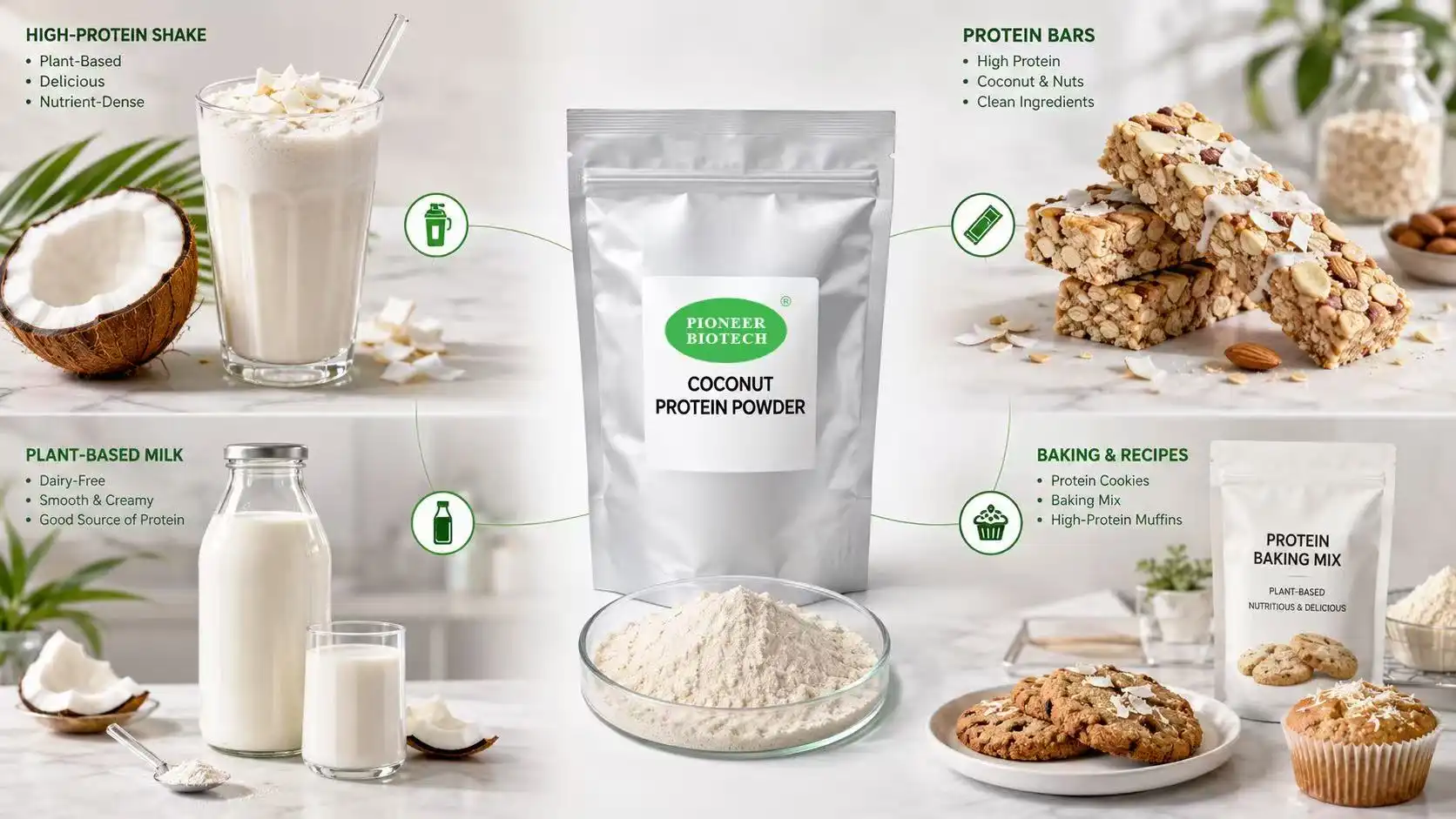
Future Trends Shaping the Plant-Based Protein Landscape
As scientists learn more and people's tastes change, the diet business continues to change quickly. Manufacturers who are looking to the future set up their product lines to take advantage of new possibilities while reducing the risks that come with market changes.
Emerging Consumer Demands and Product Paradigms
Personalised nutrition is the next big thing in supplement science. This is where products change based on a person's genetics, microbiome, and metabolic traits. Protein sources that contain a variety of bioactive substances, such as the MCTs that are naturally found in coconut protein powder, allow for multifunctional products that go beyond just delivering macronutrients and help improve people's health.
Sustainability stories are having a bigger effect on people's decisions about what to buy. Growing coconuts doesn't need as much water as growing dairy products, and it also releases fewer greenhouse gases than raising animals. Consumers who care about the environment and business health buyers who can see how a brand's lifecycle assessment data and carbon footprint affect the environment give that brand a competitive edge.
Clean label openness has gone from being a marketing whim to a basic need. People carefully read ingredient lists to find synthetic chemicals, processing tools, and additives. Protein sources that don't need a lot of processing and don't use chemical solvents for extraction are in line with this shift. They also offer real-life storytelling possibilities that help build trust and confidence in a brand.
Technological Advancements and Strategic Recommendations
New developments in extraction technology keep making protein output and useful properties better. Using food-grade proteases and cellulases to help with extraction raises the protein concentration while keeping the organic status and clean-label positioning. With membrane filter technologies, it is possible to precisely separate proteins and change amino acid profiles to fit particular needs without changing the proteins chemically.
These days, fortification methods are more complex than just adding nutrients. They use packaging systems to keep sensitive substances safe and allow controlled release. Combinations of probiotics and proteins make gut health products that work better together, and adding omega-3s to foods improves heart health in complete nutrition systems. Brands that invest in these advanced formulations stand out because they work better and have been proven by science.
Diversification and flexibility are at the heart of the strategic recommendations. Having connections with several protein sellers that come from various plant sources helps keep the supply chain running smoothly and lets you quickly change the recipe when new market opportunities appear. By spending money on consumer research that finds unmet needs and underserved groups, you can find product development opportunities before your competitors do. Keeping an eye on regulations in key areas helps brands get ready for when regulations change and make sure they follow the rules.
Conclusion
Strategic integration of coconut protein powder is being added to the development of nutrition products. This is more than just a replacement for an ingredient; it also shows that the company is on board with market changes toward sustainability, openness, and functional nutrition. To be successful, you need to carefully look at technical details, the skills of your suppliers, and market positioning strategies that set your goods apart from others in the same category. Manufacturers that work with highly advanced providers that can consistently deliver high-quality goods, follow regulations, and work together to solve problems will be able to take advantage of new possibilities in this fast-paced sector. As customer standards keep shifting toward cleaner products and benefits backed by science, proteins made from coconuts offer appealing options that meet both performance needs and moral concerns.
FAQ
What certifications should I prioritize when sourcing organic coconut protein powder for supplement manufacturing?
EU and USDA organic certifications make sure that farming methods are followed all the way through the supply chain, and GMP compliance makes sure that manufacturing quality standards are met. Non-GMO certification, allergen-free production documents, and Kosher/Halal labels make it easier for more people to buy your products. ISO22000 and HACCP certificates show that food safety is managed in a planned way. Make sure the certification groups you're interested in are accredited and known in the places you want to reach.
How does the amino acid profile compare to whey protein for muscle recovery formulations?
Coconut protein powder has all the essential amino acids, but only about 8% of the leucine that is needed for muscle protein synthesis, compared to 11% in whey. By adding more BCAAs or mixing with matching plant proteins, you can get amino acid profiles that are similar to whey while still staying vegan. Effective muscle healing has been shown in clinical tests using properly mixed plant proteins.
Are there allergen concerns with coconut protein in products marketed as allergen-free?
Even though coconuts are botanically classified as a tree nut, they don't cause many allergic reactions when eaten with other nuts. The FDA knows the difference, and many people who are allergic to tree nuts can safely eat coconut. But places that handle multiple allergens need strict rules to keep them from getting contaminated. If allergen-free claims are important to how you position your product, ask for proof of allergen testing and information about the manufacturing environment.
Partner with Pioneer Biotech for Superior Plant-Based Protein Solutions
Pioneer Biotech specialises in providing pharmaceutical, supplement, and functional food companies with high-quality organic coconut protein powder that is made to exacting standards. We have been a reliable source of coconut protein powder since 2012 by always focusing on quality, being open, and working together on technical issues. Our plant is FDA-registered and also has ISO9001, HALAL, KOSHER, and USDA organic certifications, so you can be sure that your goods meet the strictest government standards. We offer full formulation support, fast shipping from nearby warehouses, and a range of customisation choices to meet the unique needs of your product development project. Our team provides consistent quality backed by full paperwork and analytical proof, whether you need small batches for initial testing or big production numbers. Email us at sales@pioneerbiotech.com right now to get samples and technical details that will help you get your next nutrition product on the market faster.
References
1. Smith, J.R., & Thompson, K.L. (2022). "Plant-Based Protein Sources: Nutritional Profiles and Functional Applications in Food Systems." Journal of Food Science and Technology, 59(3), 245-267.
2. Martinez, A.C., et al. (2021). "Comparative Digestibility and Amino Acid Bioavailability of Alternative Protein Sources." Nutrition Research Reviews, 34(2), 178-195.
3. Wong, S.P., & Lee, M.H. (2023). "Sustainable Protein Production: Environmental Impact Assessment of Plant-Based Versus Animal-Derived Proteins." Sustainability in Food Systems, 11(1), 89-112.
4. Peterson, R.D., & Harris, B.T. (2022). "Formulation Strategies for Plant Protein Integration in Nutritional Supplements." International Journal of Food Engineering, 18(4), 334-352.
5. Collins, F.W., et al. (2021). "Allergenicity Assessment of Coconut-Derived Ingredients in Sensitive Populations." Food and Chemical Toxicology, 149, 112-125.
6. Zhang, Y., & Kumar, V. (2023). "Emerging Technologies in Plant Protein Extraction and Purification." Food Bioprocess Technology, 16(5), 1023-1045.