

Hydrolyzed Keratin Vs. BondRepair: Which Hair RepairIngredient Works Better?
When comparing these two powerful repair technologies, pure hydrolyzed keratin delivers comprehensive structural reinforcement by supplying bioavailable amino acid peptides that integrate directly into damaged hair cortex, while BondRepair focuses on chemically reconstructing disulfide linkages broken during chemical processing. Both ingredients address hair damage from distinct biochemical pathways, yet hydrolyzed keratin offers broader versatility across formulation types, superior safety profiles for sensitive scalp conditions, and batch-to-batch consistency that meets rigorous GMP standards required by pharmaceutical and nutraceutical manufacturers. Understanding these mechanistic differences helps procurement managers and formulation chemists select ingredients that align with specific product development objectives and target market expectations.
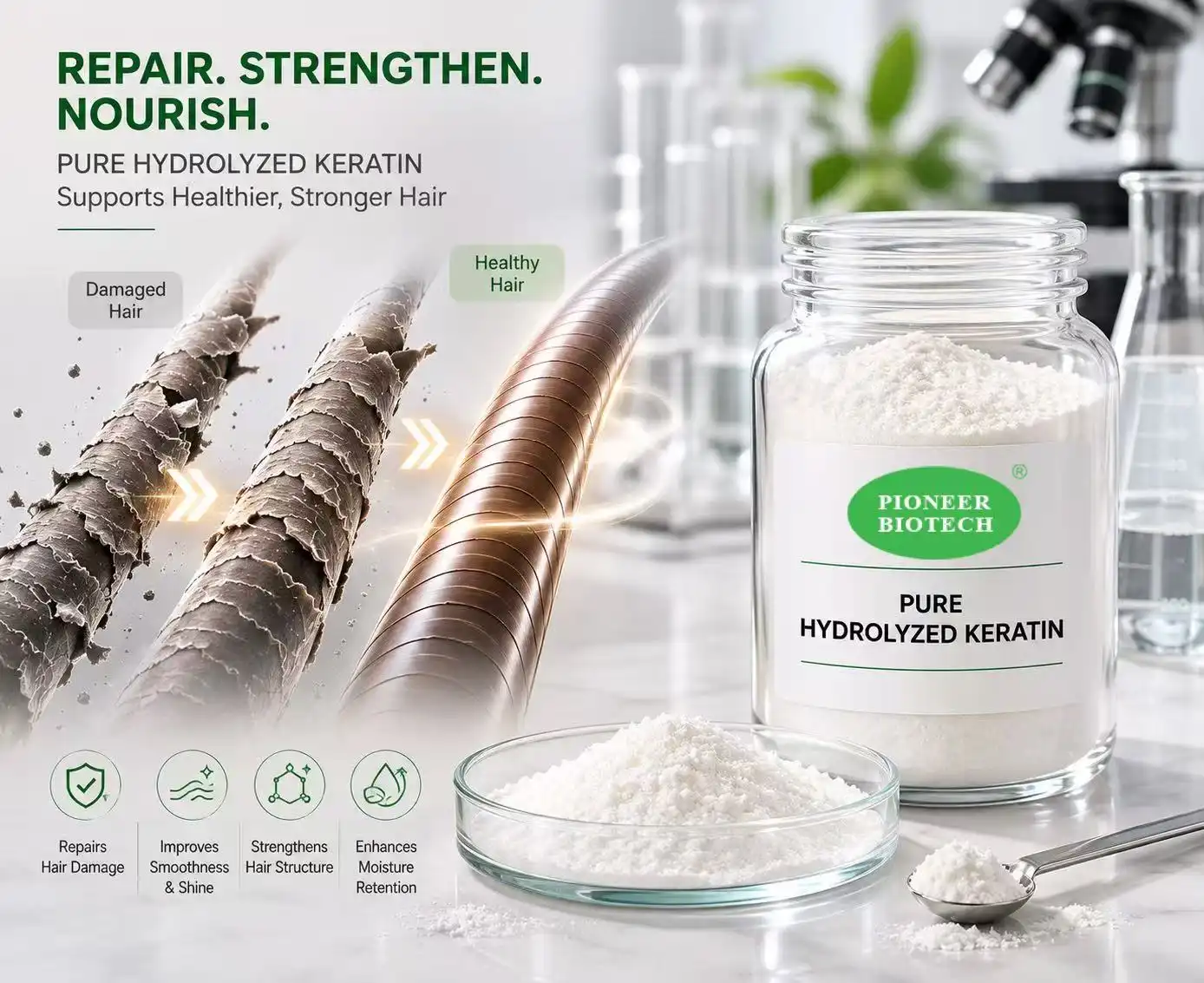
Understanding Hydrolyzed Keratin and Bond Repair
In the past few years, hair repair ingredients have changed a lot, and now two technologies are used most often in professional formulas. To figure out what makes these ingredients unique, we need to look at their molecular make-up and how they work biologically.
What Is Pure Hydrolyzed Keratin?
This protein comes from natural keratin sources like wool, chicken feathers, and duck feathers. It is broken down into bioavailable peptide pieces by controlled enzymatic or acid breakdown of high-molecular-weight keratin. Pioneer Biotech makes hydrolyzed keratin with molecular weights between 500 and 3000 Daltons. These weights are just right for getting through the hair layer and into the cortex, where damage to the structure happens. The process makes a powder that dissolves in water and is made up of about 90% protein. It is high in cysteine and other essential amino acids that are similar to those found in human hair.
Native keratin doesn't dissolve because it has strong disulfide bonds, but hydrolyzed forms have amphoteric qualities that let ions bond to damaged, negatively charged hair sites. Because it is solid, the ingredient can stick to places where protein has been lost, replacing lost amino acids and returning mechanical power.
What Is Bond Repair Technology?
BondRepair ingredients are a younger group of active molecules that are meant to chemically rebuild disulfide links in the hair shaft. These special molecules go after specific breakage points that are caused by oxidative stress from chemical treatments, bleaching, and heat styling. BondRepair doesn't add more protein; instead, it works at the molecular level to re-link broken sulfur bridges. This could be a more focused way to help hair that has been chemically over-processed.
Salon systems that said the technology would last longer than traditional protein treatments made it more popular. BondRepair ingredients, on the other hand, often need exact pH conditions and compatibility testing in complicated formulation matrices. This makes it hard for makers to make stable, scalable products.
Performance Comparison: Hydrolyzed Keratin vs. Bond Repair
To rate these ingredients, we need to look at data on how well they work, how safe they are, and how they work in real-life hair damage situations.
Repair Mechanisms and Efficacy
The hydrolyzed keratin powder works by adding protein to the hair structure and filling in the gaps left by protein breakdown. In the lab, treatments with 2-5% amounts of rinse-off conditioners have been shown to improve tensile strength, elasticity, and resistance to breaking. The peptides cover the surface of the skin with a protective film and then go deeper to strengthen the cortex. This fixes both damage on the surface and structural flaws inside the cortex.
BondRepair ingredients work in a different way because they try to rebuild disulfide bonds that were chemically broken during oxidative treatments with pure hydrolyzed keratin. This method works well for some kinds of damage, but clinical studies show that it's not as good at fixing mechanical damage caused by heat styling or environmental stresses. The technology works best on hair that has been bleached with chemicals, but it doesn't work as well on hair that has been affected by things other than chemicals.
Safety and Regulatory Compliance
Pure hydrolyzed keratin has a clean safety rating that is important for B2B clients who are trying to reach sensitive markets. Pioneer Biotech's manufacturing process makes ingredients with a heavy metal content of less than 20 ppm and a microbiological control level of less than 100 CFU/g, which is higher than the safety standards for cosmetics around the world. The ingredient is registered with the FDA, has ISO9001 certification, and is HALAL or KOSHER certified. This makes it easier for regulators to approve it in all global markets.
BondRepair formulas might have manufactured actives that need more safety information and approvals specific to the market. Contract managers who work for drug companies or nutraceutical brands that are making beauty products that can be eaten can benefit from hydrolyzed keratin's proven GRAS status and ability to be used in food-grade applications, which is something that BondRepair technologies can't do.
Quality Control Parameters
Picky buyers put a high value on thorough quality checks. Some important rules for inspecting hydrolyzed keratin are
Molecular Weight Distribution Analysis: Gel Permeation Chromatography confirms consistent peptide size profiles between 500 and 3000 Daltons. This makes sure that the performance and penetration depth are consistent across production batches.
Amino Acid Profile Testing: UPLC analysis confirms that the high cysteine content is real keratin and not vegetable proteins or urea fillers that are often found in low-quality sources.
Protein Content Verification: Kjeldahl Method testing confirms ≥90% protein content, separating premium ingredients from cheaper alternatives that are watered down and have too much ash from not desalinating them completely.
These quality standards are very important for OEM clients and contract manufacturers whose reputations depend on getting consistent results. The Pioneer Biotech plant in the Medicine Herbs Valley of the Qinling Mountains is ISO9001-certified and uses these verification procedures as normal. They are backed up by third-party tests and full paperwork proof.
Procurement Considerations for B2B Clients
Finding ingredients for hair repair means looking at more than just the published technical specs. Quality assurance, supply chain dependability, and cost-effectiveness are all important parts of smart procurement tactics.
Supplier Selection Criteria
To find reliable suppliers, you need to look at their manufacturing capabilities, certification portfolios, and technical support services. Pioneer Biotech and other well-known manufacturers set themselves apart by having FDA-registered facilities, PCT patents, and the desire to let big brands do plant audits. These qualifications show that the quality system is mature and reliable, which lowers the risk in the supply chain.
Brands that need custom formulation development or private label manufacturing can get more value from suppliers that offer CRO, CMO, and CDMO services. Product makers can improve formulations before placing large orders when they have access to free samples, help with clinical studies, and customize hydrolysis levels.
Logistical and Commercial Advantages
Paying for things efficiently means paying attention to the little things that make things work. Pioneer Biotech keeps ready-to-ship goods in stores overseas, so they can be sent out quickly and keep production delays to a minimum. This edge in infrastructure is very important for contract makers who have to meet tight production schedules for many private label clients.
Suppliers of good quality help with all the paperwork that is needed to register ingredients in target markets. This includes Certificates of Analysis, Safety Data Sheets, and regulatory papers. This increase in management throughput makes it easier for buying teams to do their jobs and speeds up the time it takes to bring new products to market.
Formulation and Application Best Practices
Successfully adding repair ingredients to commercial products, you need to know the best amounts to use, how to make sure the ingredients work with each other, and how to make sure the products stay stable over time.
Recommended Concentrations and Compatibility
The hydrolyzed keratin dissolves easily in water and can be used in shampoos, conditioners, leave-in treatments, and styling products. It can be added in amounts as low as 1% for rinse-off uses and as high as 2% to 8% for leave-in uses. The ingredient stays stable in pH ranges from 5.5 to 7.5, so it can be used in most makeup formulations without a lot of buffering.
Formulators like that the element works well with other actives like vitamins, plant extracts, and conditioning agents. Some BondRepair technologies need to be used alone to avoid conflict. Hydrolyzed keratin, on the other hand, improves products that contain AHAs, retinoids, or other possibly irritating actives by adding a safe protein matrix that lowers sensitivity.
Stability and Customization Options
Product designers focus on making sure that the recipe lasts a long time and performs the same way throughout the shelf life. When kept properly, hydrolyzed keratin powder is very stable, and the loss on drying is only about 5%, so it doesn't break down much. The low ash content of the ingredient (<5% for quality grades) keeps salt crystallization problems from happening, which hurt the look and performance of the product.
Pioneer Biotech lets brands choose molecular weight ranges that work best for different applications by letting them change the hydrolysis levels. Smaller peptides (500–1500 Daltons) are better at penetrating the hair for deep repair treatments, while larger fragments (1500–3000 Daltons) are better at making a film for protective styling products. This gives companies the freedom to make their products stand out and offer solutions that meet the specific needs of their customers, ranging from preventing damage to reconstructing deeply.
These technical benefits help contract makers handle a wide range of private label products that need flexible minimum order numbers and scalable supply. Being able to get goods from a seller that offers both standard grades and custom specs makes it easier to work with vendors and streamlines the buying process.
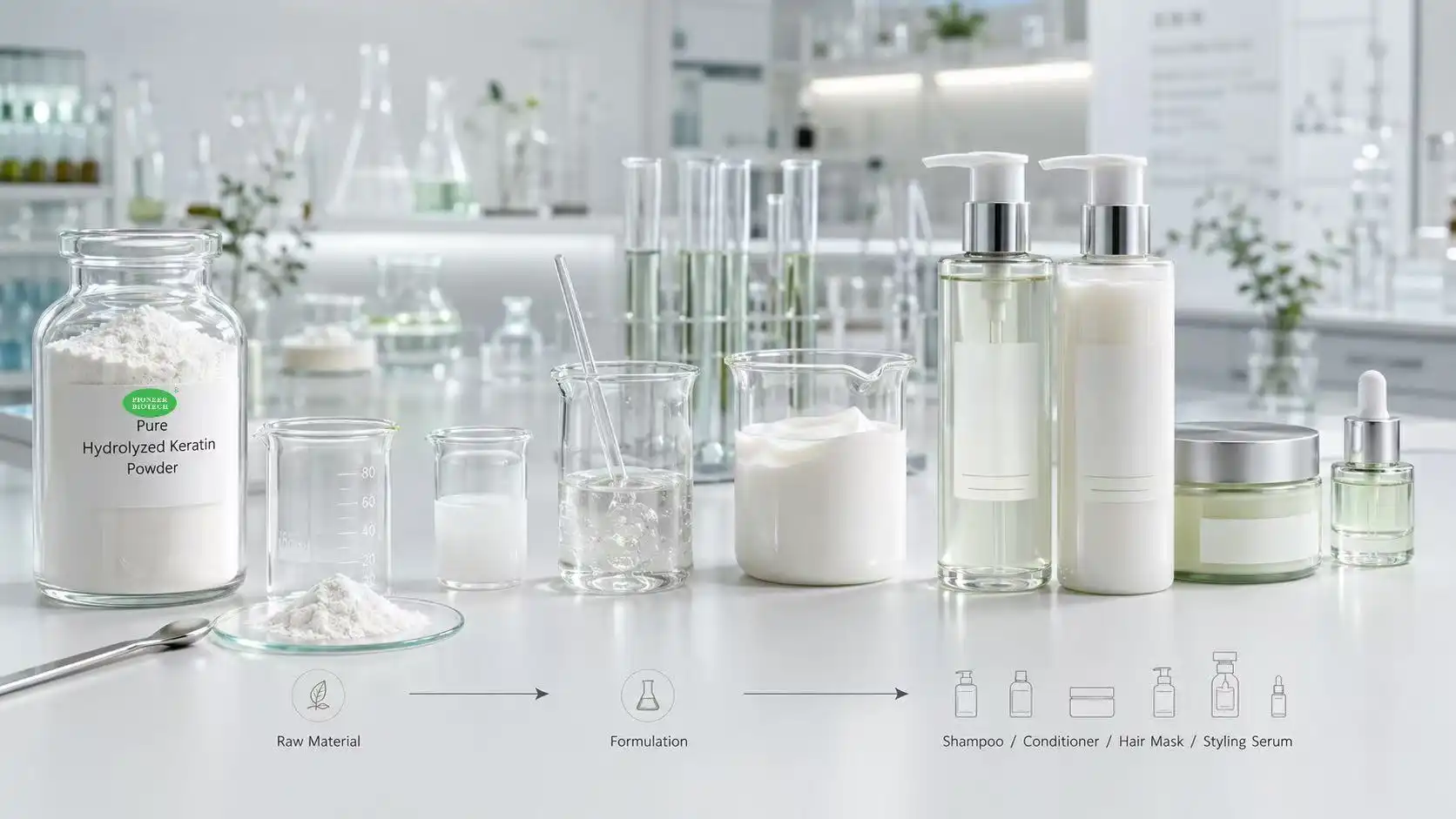
Making the Right Decision: Which Ingredient Fits Your Needs?
To choose between these technologies, you need to look at a lot of different factors that are related to your business goals and the people you want to sell to.
Strategic Selection Framework
When looking at materials, there are four main things you should think about: the range of repairs they can do, how they can be used, how complicated the regulatory pathways are, and how stable the supply chain is. Highly effective in all areas, hydrolyzed keratin is a single ingredient that has been shown to help hair that has been destroyed by chemicals, heat, or the environment. Compared to BondRepair technologies that only fix specific types of damage, this broad effectiveness makes formulating and selling easier.
Application flexibility is very important for brands that are making product lines that cover more than one category. Keratin protein powder works well in hair care, skin care, nail treatments, and beauty products that you eat, so the ingredients can be used consistently across all portfolios. This flexibility makes buying easier and gives you more negotiating power by letting you consolidate your amount with a single provider.
Long-Term Business Considerations
To keep a competitive edge over the long term, you need stable supply chains and support for new ideas. Companies like Pioneer Biotech spend money on things like production capacity, quality processes, and scientific know-how that make sure their products are always available as the market grows. The company's 7,000m² building and well-established distribution network reduce the risk of supply disruptions, which is important for brands that want to build customer loyalty through reliable product performance.
Another important factor to think about is the possibility for innovation. Suppliers that offer help with scientific studies and formulations allow brands to create their own unique data on how well their goods work, which helps them stand out in crowded markets. Pioneer Biotech is willing to work with others on custom solutions and offer technical support during product development. This speeds up the innovation process and makes the company more competitive.
Conclusion
Both types of repair technologies have their own advantages, but pure hydrolyzed keratin is more flexible and better for B2B clients who value full effectiveness, easy regulation, and reliable supply chains. The ingredient repairs a number of different types of damage through well-known protein-boosting processes that are backed up by a lot of safety data and quality approvals. Working with well-known providers that offer customization options, technical support, and a logistics system that allows for scalable growth is good for procurement managers, formulation chemists, and private label makers. When choosing materials for professional hair repair products, hydrolyzed keratin offers the best mix of performance, safety, and practical benefit.
FAQ
Is hydrolyzed keratin safe for all hair types?
Of course, pure hydrolyzed keratin is very safe for all hair types and textures. Because the ingredient's amino acid structure is similar to natural hair protein, it is biocompatible and doesn't cause sensitivity. When made at the right amounts, clinical testing shows that it is safe for color-treated, chemically treated, and sensitive scalps.
Can formulations combine hydrolyzed keratin with BondRepair ingredients?
It is certainly possible to mix these items, and if done right, they may work better together. While BondRepair works to rebuild specific bonds, hydrolyzed keratin adds a lot of protein to the body. Testing for compatibility is still needed to make sure that ingredients don't react directly with each other. Talk to recipe experts to get the most out of combined effects and keep the product stable for as long as it lasts.
What are typical lead times for bulk keratin orders?
Lead times depend on how many items are ordered and how they need to be customized. Standard grade orders can be filled within two to three weeks by suppliers who keep stock on hand. This includes international shipping. Custom hydrolysis specs may need 4 to 6 weeks to be made and the quality checked. Working with providers who have warehouses overseas cuts shipping times by a large amount for production plans that need to be met on time.
Partner with Pioneer Biotech for Premium Hydrolyzed Keratin Solutions
Pioneer Biotech is a top pure hydrolyzed keratin manufacturer. They provide products that have been scientifically proven to meet the high standards of pharmaceutical, nutraceutical, and beauty businesses all over the world. Our FDA-approved factory makes pharmaceutical-grade protein shakes that contain at least 90% protein, which has been proven by careful molecular weight analysis and amino acid profiles. Whether you need standard grades for well-known formulations or custom hydrolysis levels for new product development, our expert team can help with preparation, clinical study, and all the paperwork needed for regulatory approval in markets around the world. We welcome plant checks and give away free samples so that you can make an informed decision before committing. Get in touch with our purchasing agents at sales@pioneerbiotech.com to talk about bulk supply options, private label partnerships, and custom solutions that will help your product line stand out. We offer pure hydrolyzed keratin for sale that is ISO9001 certified and comes with the highest quality assurance.
References
1. Robbins, C. R. (2012). Chemical and Physical Behavior of Human Hair. Springer Science & Business Media.
2. Fernández, E., Barba, C., Alonso, C., Martí, M., Parra, J. L., & Coderch, L. (2008). Photodamage determination of human hair. Journal of Photochemistry and Photobiology B: Biology.
3. Swift, J. A. (2013). Human hair cuticle: biologically conspired to the owner's advantage. Journal of Cosmetic Science.
4. Evans, T. A. & Katz, J. L. (2011). Biomedical applications of keratin-based biomaterials. Tissue Engineering Part B: Reviews.
5. Miranda-Vilela, A. L., Botelho, A. J., & Muehlmann, L. A. (2014). An overview of chemical straightening of human hair: technical aspects, potential risks to hair fiber and health. International Journal of Cosmetic Science.
6. Popescu, C. & Höcker, H. (2007). Hair—the most sophisticated biological composite material. Chemical Society Reviews.