
Benefits and Properties of Lactoferrin for Health
The bioactive glycoprotein lactoferrin has a wide range of applications. It occurs naturally in breast milk, colostrum, tears, and saliva. Lactoferrin is a key ingredient in functional foods, nutraceuticals, and dietary supplements due to its strong iron-binding capacity and broad-spectrum antimicrobial activity. It supports iron homeostasis, protects against bacterial and viral infections, and promotes a healthy gut microbiome. These functional benefits make lactoferrin appealing to diverse consumer groups, from infants to health-conscious adults.
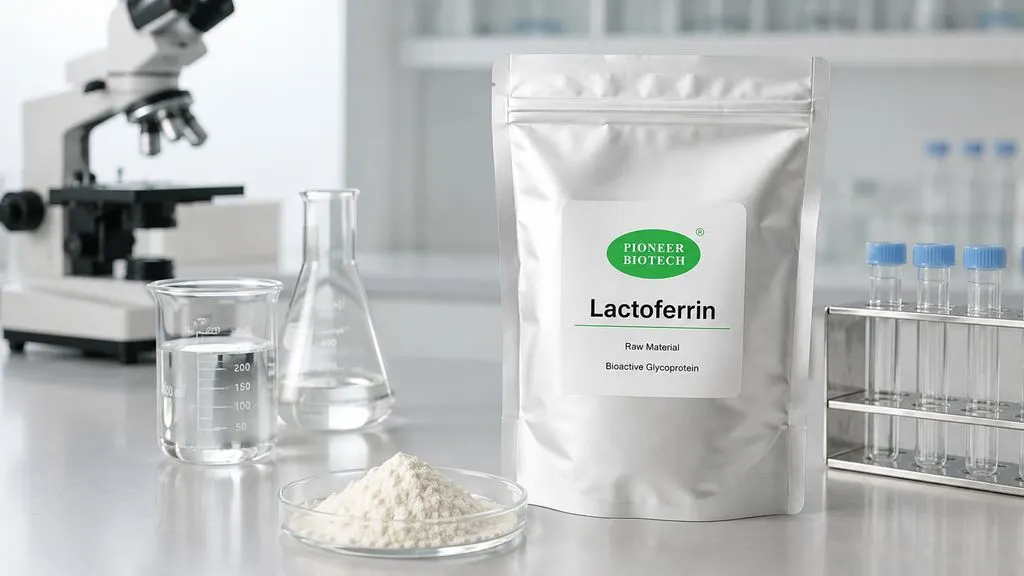
What Is Lactoferrin and How Does It Work?
The Biological Foundation of Lactoferrin
Lactoferrin is a member of the transferrin family. It is special because it can join two ferric iron ions together in a single molecule. One very important part of its job in cells is to hold iron. Lactoferrin does more than just move iron around. It also changes the immune system, works directly with cell walls, and changes gene expression patterns that manage inflammation and the body's defenses.
Mechanisms of Antimicrobial Action
Lactoferrin has a number of mechanisms for killing bacteria. It stops bad bacteria from getting this important nutrient by chelating free iron. It stops the growth of bacteria by making a setting that is bacteriostatic. Lactoferrin can kill both Gram-positive and Gram-negative bacteria, like Pseudomonas aeruginosa, Staphylococcus aureus, and Escherichia coli. Another line of defense is that it can directly bind to and break down bacterium cell walls.
Immune Modulation and Viral Defense
Lactoferrin is an important part of the body's natural immunity system. It works as a first line of defense at mucosal places. It changes how cytokines are made, makes natural killer cells work harder, and stops virus particles from sticking to host cells. New studies on COVID-19 and other studies that look into its role in lung infections show that it could be used as an extra medicine to help treat illnesses by blocking virus entry points and making the immune system stronger.
Iron Regulation and Cellular Health
The protein's ability to hold iron in place is useful in more than one way. Lactoferrin prevents free iron radicals from harming cells and helps supply iron to cells that need it in a controlled manner. Free radicals can damage cells, but this two-part job keeps the body safe from them.
Key Benefits and Health Properties of Lactoferrin
Knowing all the health benefits of lactoferrin helps people who make products and buy things figure out how to use this biological element in the best way. There is proof that lactoferrin works in the areas mentioned below.
Immune System Enhancement
Lack of lactoferrin can weaken both innate and modified immune responses. This makes immunity cells stronger, stops inflammation, and improves the body's ability to find and fight off threats. Because it boosts the immune system, it is a great vitamin for seasonal health, getting better after being sick, and every day to keep the immune system healthy. The defense system works better when lactoferrin is mixed with nutrients that work well together, like zinc or vitamin C.
Antibacterial and Antiviral Protection
When the protein is present, pathogens like bacteria, viruses, and fungus can't grow. Pure lactoferrin prevents Helicobacter pylori, the bacteria that causes stomach ulcers, from spreading and improves the effectiveness of conventional pharmaceutical treatments. Not only does it stop the spread of lung viruses, but it also stops the growth of hepatitis C. Because of these features, lactoferrin is a useful part of goods that help with breathing, nutrition, and mouth care.
Gut Health and Microbiome Balance
Lactoferrin promotes the growth of good bugs and helps maintain a strong gut barrier. Like prebiotics, it helps Bifidobacterium grow while stopping the growth of species that are bad for you. The protein helps tight junctions work and keeps the microbiome stable. It also reduces inflammation in the gut. Lactoferrin can be found in digestive health vitamins, baby food, and recipes for inflammatory bowel diseases because it protects the gut.
Iron Absorption and Antioxidant Activity
Lactoferrin helps the body take iron slowly through processes involving receptors. This is different from many iron products that make stomach issues worse. It gets iron to enterocytes quickly and effectively while also lowering the stress in the body. The protein is an antioxidant because it can get rid of free radicals directly and store iron, which is a pro-oxidant. People who need more vitamins, women who are pregnant, or who don't have enough iron can use this mix.
Comparing Lactoferrin with Other Nutritional Components
It's helpful for people who buy things and make medicines to know how lactoferrin is linked to other healthy ingredients that are common in health products.
Lactoferrin Versus Colostrum
Colostrum has lactoferrin in it, along with immunoglobulins, growth factors, and other useful chemicals. Colostrum is good for you in many ways, but regular amounts of pure lactoferrin are better because they help your immune system and kill germs. Lactoferrin allows for precise dose control and makes health claims that are impossible with whole colostrum. If a company wants to explain a bioactivity profile, they often use isolated lactoferrin because it is constant and simple to understand from a legal point of view.
Synergy with Probiotics
Lactoferrin and bacteria make potent combinations when combined. The protein gives good bacteria a place to live and helps the defense system work better by keeping the probiotics living as they go through the digestive system. It's better for your gut health when lactoferrin is mixed with Lactobacillus and Bifidobacterium types than when either one is used by itself. Together, these new gut health items can help with more than one process at the same time.
Product Forms and Bioavailability
Lactoferrin comes in a number of different types, such as drinks, pills, and tablets. When lactoferrin is freeze-dried, it changes in special ways. The iron ions that are linked to it give it its pink color. This shows that the protein structure is clean and whole. By freeze-drying, particles become porous and easier to dissolve. These bits don't stick and dissolve quickly, even in cold waters. Holo-lactoferrin is over 80% iron-saturated, which serves iron-deficiency applications. On the other hand, Apo-lactoferrin that is less than 10% iron-saturated offers maximum antimicrobial properties. It is possible to make the best choice that meets the design goals and health goals by looking at these different forms of the product.
Practical Guide for Sourcing Lactoferrin: What Procurement Managers Should Know
To make sure you always have access to good lactoferrin, you should carefully check out the sellers, their licenses, and the product information. Buying things has an impact on how well the project works, how well it follows the rules, and finally, how well the product does in the market.
Supplier Evaluation and Regional Considerations
Lactoferrin of high quality is produced in well-known regions of North America, Europe, and Asia. You should look at a supplier's ability to make things, how they get things, and how they check the quality of their work. The best level of regularity is found in companies that use specialized pure lactoferrin production lines, high-tech tools for purification, and strict testing methods. When you ask for steady data, certificates of analysis, and batch records, you can find out how honest a provider is and how good the product is.
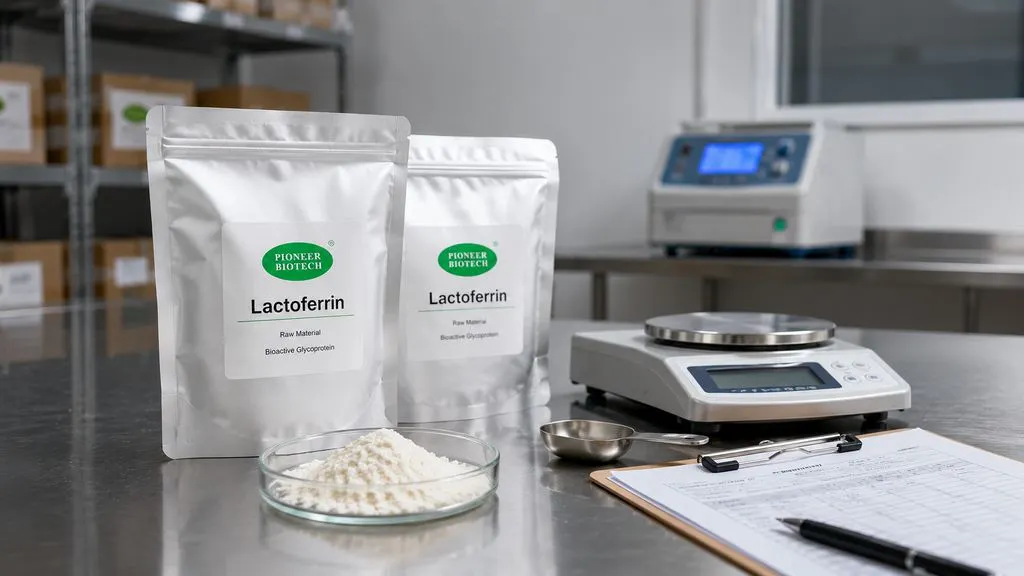
Essential Certifications and Compliance
GMP approval is the standard for lactoferrin used in medicine. When something is made, it makes sure that very high quality standards are met. ISO standards show that quality control is well-organized, and HALAL and Kosher approvals make it easier for people to buy goods in more places. Getting registered with the FDA shows that you follow the rules for getting into the U.S. market. This helps buyers stay safe from risks in the supply chain and backs up claims. Procurement managers should check that certificates are still current and cover all the tasks that need to be done.
Product Specifications and Purity Assessment
The effectiveness and profitability of lactoferrin are greatly influenced by its quality. It should say how much protein there is (usually 90–98% of the total weight), how much iron is present, how many germs are allowed, and what the heavy metal guidelines are. It is easier to make a choice when you know whether a recipe needs apo or holo forms. Solubility, particle size distribution, and moisture level are some of the things that affect how well something can be processed. Avoid arguments about quality by making clear design agreements. These agreements also make sure that the materials you receive meet the needs of the plan.
Pricing Strategies and Bulk Purchasing
When setting the price of lactoferrin, pure amounts, supply numbers, and market trends are all taken into account. When you do business with the same people for a long time, you can usually get better terms and faster service when demand goes up. People who want to buy in bulk should think about how much the goods cost and how much they can save by buying in bulk. MOQs are set by different providers. Contract manufacturers who work with a lot of different clients should look for MOQs that are open. For better prices and production schedules, suppliers should be open and honest about how many people they expect to buy and how they plan to grow.
How to Maximize the Benefits of Lactoferrin in Your Products?
To get the most out of lactoferrin, you need to keep an eye on formulation science, new application trends, and the law.
Dosage Optimization and Efficacy
Doses between 100 mg and 600 mg per day have been shown to work best in clinical tests. Higher doses may be needed for some treatment purposes. When choosing a dose, one must look at proof that it works, the cost, and the support for regulatory claims. The amount of lactoferrin used has affects. Goods for general health may have lower rates than those for major immune problems. Stability tests show that some amounts will remain bioactive for the whole product's shelf life if it is kept the way the maker says to.
Synergistic Ingredient Combinations
Lactoferrin can work better if you use the right ingredients together. Vitamin C helps the body take in iron and in other ways helps the immune system. Certain mixes of bacteria and prebiotics work together to provide full gut health choices. Vitamin D, selenium, and zinc all help the body's defense system in different ways. Formulators should make sure that the ingredients work well with each other, look for possible connections, and test the safety of the whole mixture instead of just one part at a time.
Innovation Trends and Application Expansion
Lactoferrin is still used for things besides making vitamins. It is added by people who make functional drinks to juice mixes, health drinks, and better waters. The people who make baby formula know how important it is for gut health and building up the immune system. Lactoferrin is used by personalized nutrition programs in tailored health plans. Because it kills germs and reduces inflammation, skin care companies use it to treat acne and protect sensitive skin. There are more and more ways for brands that are ready to try new things to stand out.
Regulatory Compliance and Quality Assurance
You can protect your brand's image and market access by making sure you follow the rules. Labels must correctly show the amount of lactoferrin, where it comes from, and the claims that are backed up by it. Each country has its own rules about what can and can't be brought in. You can avoid waiting in line at customs if you know ahead of time what paperwork is needed. As part of quality assurance protocols, you should use the right scientific methods to check someone's name, look for contaminants, and keep an eye on their stability. Systems that link groups of raw materials to finished things make it possible to move quickly if there are problems with the quality.
Conclusion
That being said, lactoferrin is a useful ingredient that has been shown by science to help the immune system, protect against bacteria, improve gut health, and provide iron nutrition. Because of how it works biologically, it can be used in many types of products, from healthy foods and medicines to dietary supplements. We know that adding lactoferrin properly needs a careful selection of suppliers, quality control, recipe design that works for the product, and close attention to regulations. Brands that want to stand out from the rest and make promises that are backed by science should use lactoferrin. This is because the substance works and more people are worried about their immune health.
FAQ
Is Lactoferrin Safe for Long-Term Supplementation?
The FDA says that lactoferrin is GRAS when it is used in amounts that are normal for food. Therapeutic amounts have been tested and found to be safe for up to a year. Most people can handle lactoferrin well, but if you take more than 7 grams of it every day, you might have stomach issues like bloating or find it hard to eat. Allergies still don't happen very often, but they can. Lactoferrin products have been taken safely by kids, pregnant women, and nursing mothers. However, it is best to talk to a doctor or nurse before taking any vitamins.
What Distinguishes Lactoferrin from Standard Probiotic Supplements?
Lactoferrin is a protein that changes the immune system and kills germs. Good-for-you bacteria that are still alive are called probiotics. They do their main jobs in very different ways. Lactoferrin stops bacteria directly by linking to iron, while probiotics live in the gut and break down food. They work better when used together than when used alone. As an example, lactoferrin makes probiotics live longer and do their job better. The two ingredients are often put together in goods that are meant to improve gut and immune health as a whole.
What Should Buyers Prioritize When Selecting Bulk Lactoferrin Suppliers?
If a supplier has GMP and ISO certifications, procurement teams should ask for full product specifications that include a purity analysis. They should also look at the supplier's production capacity and consistency records, make sure the supplier has the right regulatory registrations for the target markets, and find out how well they can help with technical issues. Providers you can trust talk about security, let you change order numbers, speak clearly, and show they know how to use lactoferrin in a variety of work settings.
Partner with Pioneer Biotech for Premium Lactoferrin Solutions
The lactoferrin goods that Shaanxi Pioneer Biotech Co., Ltd sells are of high quality and are backed by strong quality control methods and technical know-how. The healing valley of the Qinling Mountains is home to our plant in Hanzhong. It is spread out over 7,000 square meters and combines the benefits of natural resources with the newest production technology. Our ISO9001, HALAL, KOSHER, and FDA certifications are always up to date. This means that the lactoferrin stock you buy meets the highest international standards.
Because we have been making and selling lactoferrin for a long time, we know exactly what is needed for use in food, medicine, skincare, and nutraceuticals. With the help of formulators and buying managers, our expert team makes sure that the grades, purity levels, and forms of our goods are just what you need. Whether you need Apo-lactoferrin for antimicrobial formulas or Holo-lactoferrin for iron supplementation, we can help you with unique products that are the same from batch to batch and offer great value.
Talk to us about where to get lactoferrin at sales@pioneerbiotech.com. We'll answer your questions quickly, give you clear technical directions, and be flexible about how we work together so that you can meet your quality and product development goals. Find out how Pioneer Biotech's commitment to quality control and great customer service can help your business and supply chain.
References
Kell, D.B., Heyden, E.L., & Pretorius, E. (2020). The biology of lactoferrin, an iron-binding protein that can help defend against viruses and bacteria. Frontiers in Immunology, 11, 1221-1245.
Superti, F. (2020). Lactoferrin from bovine milk: A protective companion for life. Nutrients, 12(9), 2562-2589.
Ochoa, T.J., & Cleary, T.G. (2009). Effect of lactoferrin on enteric pathogens. Biochimie, 91(1), 30-34.
Jenssen, H., & Hancock, R.E. (2009). Antimicrobial properties of lactoferrin. Biochimie, 91(1), 19-29.
Actor, J.K., Hwang, S.A., & Kruzel, M.L. (2009). Lactoferrin as a natural immune modulator. Current Pharmaceutical Design, 15(17), 1956-1973.
Brock, J.H. (2002). The physiology of lactoferrin. Biochemistry and Cell Biology, 80(1), 1-6.