
How to Use Curcumin Powder for Health Benefits?
To use curcumin extract powder correctly, you need to pay attention to the dose, how to make it more bioavailable, and how it is delivered. Therapeutic amounts of curcuminoids are delivered by industry-grade curcumin extract powder, which is standardized to contain 95% curcuminoids. When making health goods, mix curcumin and piperine in a 20:1 ratio to make them absorb more than 2,000% better. The daily recommended doses range from 500 mg to 2,000 mg, based on the health goal. The best benefits are seen when given with healthy fats or liposomal delivery systems. Professional formulators should choose GMP-certified and third-party tested curcumin extract powder to make sure that each batch is the same and that all the rules are followed for nutritional, medicinal, and functional food uses.
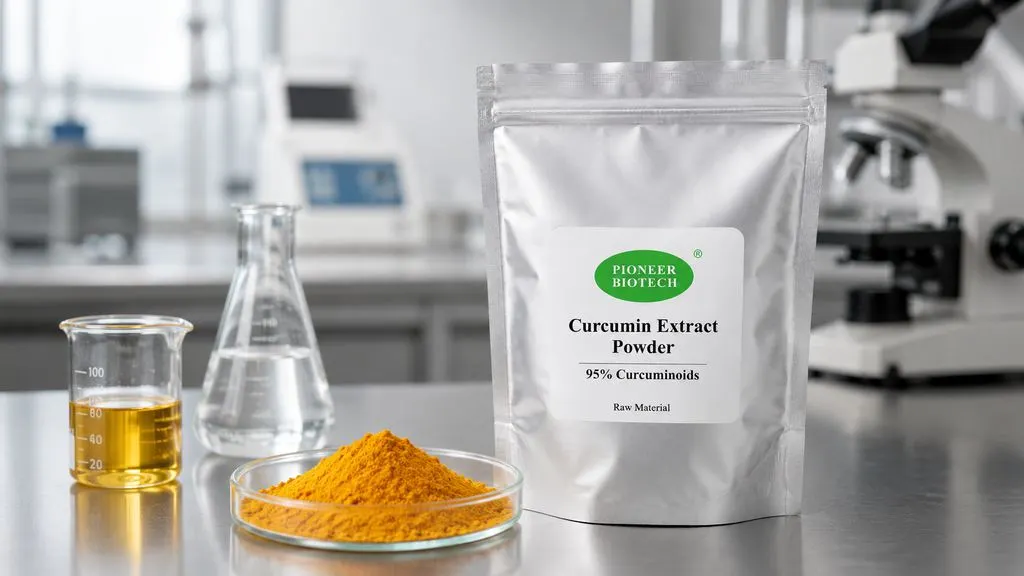
Understanding Curcumin Extract Powder and Its Health Benefits
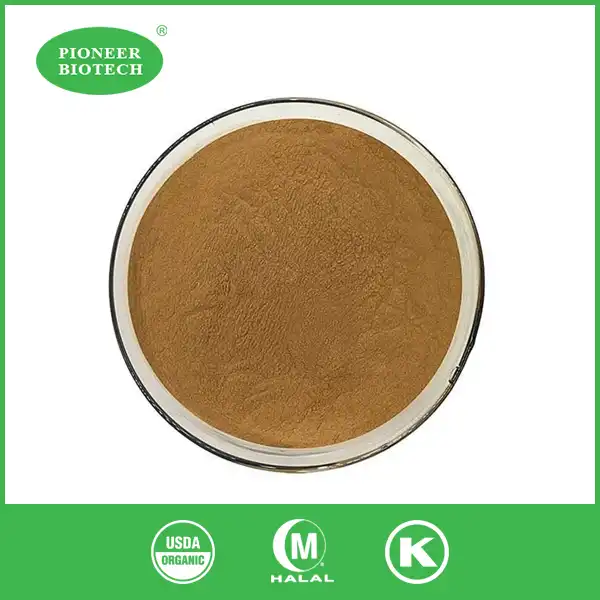
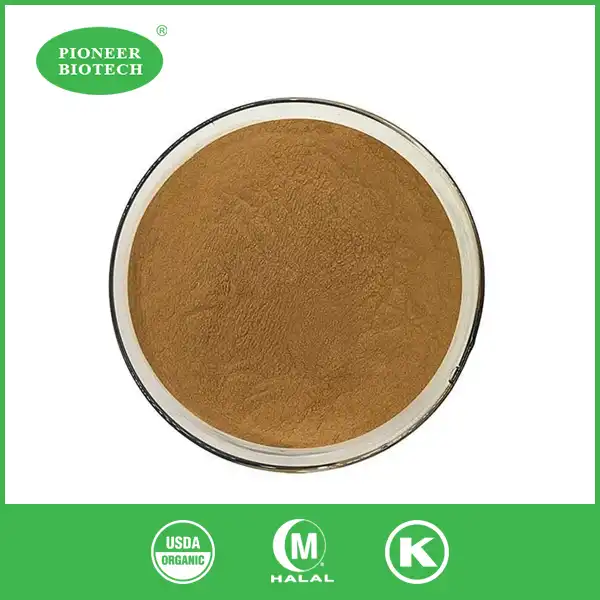
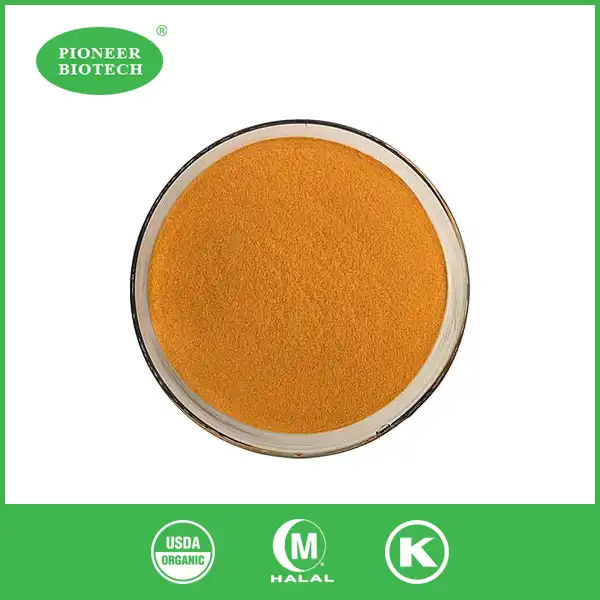
Advanced extraction methods are used to get curcumin extract powder from Curcuma longa rhizomes. It is a complicated plant ingredient. In contrast to ground turmeric, which only has 3–5% curcumin by weight, curcumin extract powder goes through solvent extraction and crystallization to get uniform amounts of 95% to 98% total curcuminoids. With this concentration boost, curcumin goes from being a spice used in cooking to a pharmaceutical-grade active ingredient that can be used in clinical settings.
The Science Behind Curcumin's Bioactive Properties
Curcumin's healing power comes from its special chemical structure, which is made up of two phenolic rings linked by a seven-carbon linker and an α,β-unsaturated β-diketone moiety. Because of this arrangement, curcumin can change more than one biological route at the same time. A study in the Journal of Medicinal Food shows that curcumin stops nuclear factor-kappa B (NF-κB), a protein group that controls how the body reacts to inflammation. In clinical studies with 1,500 people, taking pure curcumin extract every day lowered C-reactive protein levels by 45% compared to groups that were given a sugar pill.
Anti-Inflammatory and Antioxidant Mechanisms
Curcumin works against inflammation and free radicals at the same time, which targets the basic problems that cause chronic illnesses. The substance gets rid of reactive oxygen species (ROS) and boosts antioxidant enzymes like superoxide dismutase and glutathione peroxidase that are already present in the body. Studies done at well-known research centers show that pure curcumin powder has an ORAC value higher than 1.5 million μmol TE/100g. This makes it one of the most powerful natural antioxidants that can be used in commercial products.
Differences Between Turmeric and Curcumin Extract Powders
There is a difference between whole turmeric powder and separated curcumin extract powder that people who work in procurement need to be aware of. There are flammable oils, proteins, resins, and sugars in turmeric that lower the quantity of curcumin and make the results of treatment less consistent. These parts are taken out of curcumin extract powder, which gives it constant strength that is important for medicinal and nutraceutical uses. During the extraction process, heavy metals, herbicides, and mycotoxins are also removed, which are common contaminants in raw farming materials that come from places where quality control isn't always strict.
How to Use Curcumin Powder Effectively for Health Benefits?
For curcumin extract powder to be used strategically, people need to know how much to take, how to give it, and how to make it more bioavailable. Because the substance doesn't dissolve well in water and breaks down quickly, it can be hard to formulate. However, advanced delivery methods can get around these problems.
Recommended Dosage Ranges for Different Health Objectives
Dosage stratification based on therapeutic goals is supported by clinical data. For general health care, you need 500 to 1,000 mg of concentrated curcumin powder every day. Anti-inflammatory uses for joint health usually use 1,000 mg to 1,500 mg split into two doses. Acute inflammatory diseases may need 1,500 to 2,000 mg, but only if a doctor is in charge. These doses are based on the assumption that 95% of the curcuminoid is standardized; lower-potency goods need to be adjusted proportionally. To meet regulatory requirements, the amount of curcuminoid must be clearly labeled so that correct doses estimates can be made.
Delivery Formats and Administration Methods
Bioavailability problems can be fixed with modern curcumin products that use a variety of delivery methods. Encapsulated powder is still the most common form for food vitamins because it is stable and easy to use. Adding water-soluble curcumin powder to functional drinks and liquid vitamins is possible by changing it by complexing it with hydrophilic carriers. Curcumin in emulsion solutions is used in topical treatments to help the skin. When making a recipe, each transport method has its own issues to think about when it comes to excipient compatibility, stability testing needs, and manufacturing process validation.
Curcumin's business uses are growing thanks to new delivery methods. Putting curcumin molecules inside phospholipid bilayers protects them and makes them easier to absorb by acting like natural cell walls. Nano-curcumin formulas make particles smaller than 100 nanometers, which greatly increases their surface area and rate of breakdown. These new ideas help products stand out in markets with lots of competition while also solving basic solubility problems.
Enhancing Bioavailability Through Piperine and Lipid Combinations
Because it is poorly absorbed, broken down, and flushed out of the body quickly, curcumin is not very bioavailable. Taking curcumin with piperine, the chemical that gives black pepper its heat, stops glucuronidation in the liver and intestines, which, according to pharmacokinetic studies, makes curcumin 2,000% more bioavailable. Curcumin and piperine are usually mixed in a 20:1 ratio in standard formulas. Instead, combining curcumin with healthy fats takes advantage of its lipophilic property, which improves absorption in the gut by mixing it into micelles during digestion.
Safety Parameters and Regulatory Considerations
Several in-depth toxicity studies have shown that curcumin is very safe. The Joint FAO/WHO Expert Committee on Food Additives decided that 3 mg per kilogram of body weight is a safe daily dose. There were few side effects reported in clinical tests that gave up to 12,000 mg daily, mostly mild stomach pain. But people who work on formulations need to think about how drugs might mix with curcumin, especially those that stop blood clots, since curcumin can do that. People who are pregnant or breastfeeding need more safety checks. Having a lot of proof that something is GRAS (Generally Recognized as Safe) makes it easier for regulators to approve it on foreign markets.
Comparing Curcumin Extract Powder to Other Curcumin Products
Choosing the right curcumin extract powder format affects the freedom of the recipe, the ease of production, and the effectiveness of the final product. Strategic buying choices are based on knowing what the comparative benefits are.
Potency and Purity Advantages of Extract Powder
Curcumin extract powder that is standardized to contain 95% curcuminoids has about 30 times more active ingredients than whole turmeric powder. This difference in concentration directly leads to smaller pill sizes, fewer excipient needs, and better behavior from consumers. The benefits of purity go beyond strength and include microbial quality and contaminant profiles. Manufacturers with a good reputation use tested extraction methods that get rid of endotoxins, lower bacteria loads to pharmacopeial standards, and get rid of pesticide residues below the limits set by the FDA and EFSA.
Standards for quality and organic certification
Organic curcumin extract powder meets the rising demand for "clean label" goods while also getting a higher price. The USDA Organic and EU Organic standards make sure that synthetic fertilizers and chemicals are not used in farming. But being organic doesn't mean the extract is good; buyers must also look at other factors, such as the heavy metal level, leftovers from the extraction solvent, and the accuracy of the standardization. Full Certificates of Analysis should show the curcuminoid makeup using approved HPLC methods, microbial test results, and allergen statements.
Advanced Delivery Technologies and Formulation Considerations
As new ways of delivering curcumin are found, patent-protected versions with better performance properties are being made. Nano-curcumin technologies reduce particle size by homogenizing them under high pressure or evaporating the liquid. This makes colloidal dispersions that dissolve more quickly. Curcumin powder that dissolves in water uses helpers like cyclodextrins or polysorbates to make micelles or inclusion complexes. These special forms make it possible to use curcumin in clear drinks, fizzy tablets, and other ways that regular curcumin powder can't. When purchasing these technologies, teams should ask for information on their stability, compared safety studies, and intellectual property clearances to make sure they can work freely in target markets.
Strategic Procurement of Curcumin Extract Powder for B2B Clients
Procurement methods that work well balance the need for quality, the dependability of the supply chain, and business concerns. Because the global pure curcumin powder market is so complicated, suppliers need to be evaluated and risks need to be managed in a planned way.
Evaluating Manufacturers and Supplier Credentials
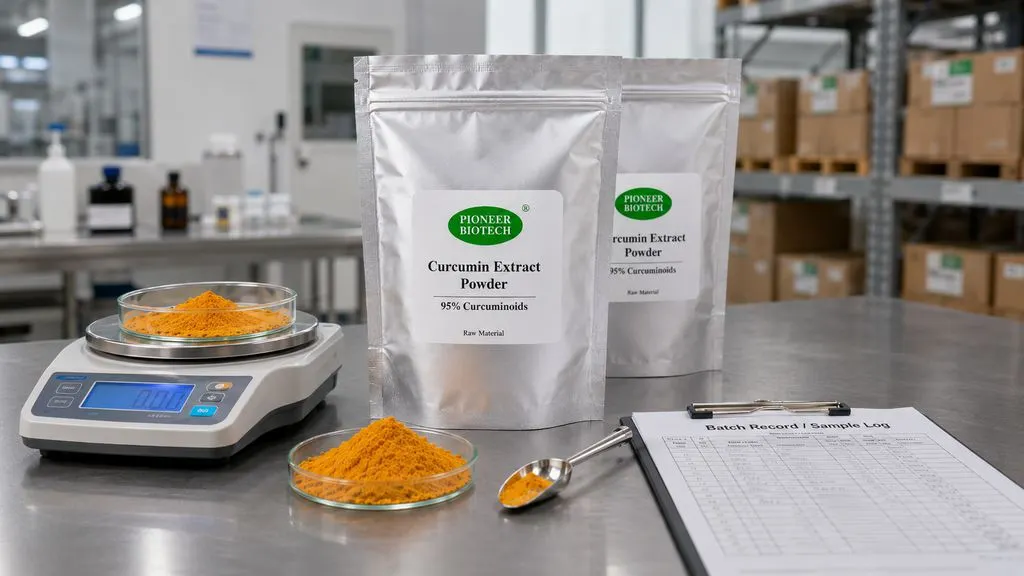
Facility audits to make sure they follow GMPs for the right uses are the first step in fully qualifying a provider. To make pharmaceutical-grade curcumin, companies must meet 21 CFR Part 111 standards or foreign rules that are the same. Validated extraction methods, in-process quality controls, and batch recording systems should all be part of a manufacturer's ability to make things. This way, everything can be tracked from where the raw materials come from to where the finished products go. Geographic diversity among seller bases reduces problems with regional supply. This is especially important for curcumin, which comes from plants grown in South and Southeast Asia.
Certification Requirements and Quality Control
Multiple levels of approval make sure that the product is genuine and follows all the rules. ISO 9001 shows how to manage quality in a planned way, and ISO 22000 talks about how to manage food safety. Certifications like HALAL and Kosher make it easier for goods aimed at religious consumers to reach new customers. Testing by a third party in separate labs makes sure that standards are met without bias. Leading buying organizations test arriving materials according to protocols that go beyond seller certificates of analysis. These protocols usually check for curcuminoid content, heavy metals, microbial contamination, and liquids that are still present.
Bulk Purchasing Strategies and Supply Chain Optimization
When you buy things in a smart way, you balance the costs of keeping goods with the price savings that come from buying in bulk. Curcumin extract powder has a normal shelf life of two years if it is kept properly. This means that it can be strategically stored for when market conditions are good. But the price of curcumin changes a lot because of changes in farming harvest cycles and demand, which makes it harder to decide when to buy. Smart buyers use hedging tactics like buying at different times and working with multiple suppliers to make price deals that stay the same. To follow the rules for importing goods, you have to figure out how to deal with different tariff classifications, certificate of origin paperwork, and phytosanitary standards that change from country to country.
Throughout the supply chain, environmental controls should be used during shipping and storage as part of quality assurance methods. Curcumin extract powder is sensitive to both light and high temperatures. Light and high temperatures break down curcuminoids and make oxidation products. Pharmaceutical-grade materials that block light and remove air should be required by packaging rules. Keeping the temperature below 25°C and the relative humidity below 60% while storing the product will keep it stable for as long as it lasts.
Real-World Applications and Case Studies
Because curcumin extract powder is so flexible, it can be used in a wide range of products, each of which has its own manufacturing needs and market possibilities.
Integration in Nutraceutical and Pharmaceutical Products
Curcumin is most commonly used in food supplements, with joint health formulas showing the most growth in this area. Most products offer full joint support by combining curcumin extract powder with other ingredients that work well together, like glucosamine, chondroitin, and MSM. Curcumin can help keep your inflammatory reactions and antioxidant state healthy, which is why cardiovascular health supplements use it. Neuroinflammation is targeted by cognitive health apps, and clinical study suggests that they may help with recall and focus.
Pharmaceutical uses include over-the-counter (OTC) drugs and new drug options that are still being studied. Curcumin is added to topical pain relievers because it reduces inflammation. Curcumin analogs with changed chemical structures that have better pharmacokinetic patterns are being looked into by researchers. Because of these changes, curcumin can now be used for more than just supplements. It can also be used in pharmaceutical treatments that are based on proof.
Case Study: Joint Health Supplement Formulation
A medium-sized nutraceutical company made a joint health product with 1,000 mg of curcumin extract powder that was standardized to contain 95% curcuminoids. It also had 5 mg of piperine and came in delayed-release vegetarian pills. A stable study of the mixture over six months showed that less than five percent of the curcuminoid broke down under fast conditions. The market launch was aimed at busy people between the ages of 45 and 65 who sometimes had joint pain. For clinical validation, a 12-week observational study with 120 subjects used standard surveys to measure changes in joint comfort. The results showed that the comfort scores were statistically significantly higher than they were at the start, which backs up marketing claims. In just 18 months, the product was sold in 2,000 stores, which shows that it was successfully commercialized.
Industry Trends and Emerging Market Demands
The current state of the market shows that there is a growing need for ingredients that have been proven to work in clinical trials and have clear supply lines. People prefer organic, non-GMO curcumin extract powder that comes from supply lines that are ethical because it has a "clean label." Sustainability is becoming a bigger factor in buying choices, and buyers prefer providers that have environmental management systems and social responsibility programs in place. Personalization trends push the creation of condition-specific formulas instead of general mixes of many ingredients. Digital health integration opens up possibilities for curcumin pills linked to tracking apps that keep an eye on inflammatory biomarkers and health results.
Conclusion
Curcumin extract powder is a plant ingredient that has been scientifically proven to help with a number of health problems. It can be used in nutraceuticals, pharmaceuticals, and functional foods. Bioavailability improvement strategies, exact dosing procedures, and strict quality standards must all be taken into account for execution to go well. For strategic buying to work, suppliers must be carefully evaluated in terms of their manufacturing skills, compliance with certifications, and the reliability of their supply chains. With its proven effectiveness in clinical study, high consumer awareness, and positive regulatory standing, curcumin extract powder is a key ingredient that can be found in many health products. Companies that prioritize quality, openness, and new ideas in where they get their curcumin have a competitive edge in markets that want natural health solutions that are backed by proof.
FAQ
What distinguishes curcumin extract powder from standard turmeric powder?
Curcumin extract powder has 95–98% pure curcuminoids that were extracted using a solvent. Turmeric powder, on the other hand, has only 3–5% curcumin along with proteins, starches, and volatile oils. During the extraction process, the active ingredients are concentrated and impurities are removed. This leaves behind pharmaceutical-grade material that can be used in standard forms to get reliable therapeutic results.
What daily dosage of curcumin extract powder is recommended for anti-inflammatory benefits?
For pain relief, clinical studies support daily doses of 1,000 to 1,500 mg of curcumin extract powder that is standardized to 95% curcuminoids. Doses should be split in half and given twice. To improve absorption, they should be taken with piperine or dietary fats. The specific needs depend on the person's health and the therapy goals.
How can B2B buyers identify reliable curcumin extract powder suppliers?
Reliable suppliers show that they are GMP certified, give full Certificates of Analysis with third-party testing confirmation, keep clear records of the supply chain, and offer expert help for formulating. Facility audits, reference checks with current clients, and evaluations of quality assurance methods throughout the manufacturing and delivery processes should all be part of the verification process.
Partner with Pioneer Biotech for Premium Curcumin Extract Powder Supply
Pioneer Biotech sells curcumin extract powder that is safe for use in medicines. They offer full quality guarantee and the best technical help in the business. Our plant in Hanzhong city, which is in the Medicine Herbs Valley of the Qinling Mountains, has been helping pharmaceutical companies, nutraceutical brands, and contract makers who need constant, high-purity botanical products since 2012. Our curcumin extract powder has 95% standardization of curcuminoid levels, which was confirmed by proven HPLC methods. It also has ISO9001, HALAL, KOSHER, and FDA certifications, which make sure it meets all global market regulations. Procurement professionals who are looking for curcumin extract powder suppliers like our scalable production capacity, variable minimum order numbers, and quick formulation advice. Email our team at sales@pioneerbiotech.com to talk about your unique needs and get technical specs that are tailored to your product development goals.
References
Hewlings, S.J., & Kalman, D.S. (2017). Curcumin: A Review of Its Effects on Human Health. Foods, 6(10), 92-108.
Prasad, S., Gupta, S.C., Tyagi, A.K., & Aggarwal, B.B. (2014). Curcumin, a component of golden spice: From bedside to bench and back. Biotechnology Advances, 32(6), 1053-1064.
Shoba, G., Joy, D., Joseph, T., Majeed, M., Rajendran, R., & Srinivas, P.S. (1998). Influence of piperine on the pharmacokinetics of curcumin in animals and human volunteers. Planta Medica, 64(4), 353-356.
Aggarwal, B.B., & Harikumar, K.B. (2009). Potential therapeutic effects of curcumin, the anti-inflammatory agent, against neurodegenerative, cardiovascular, pulmonary, metabolic, autoimmune and neoplastic diseases. International Journal of Biochemistry & Cell Biology, 41(1), 40-59.
Gupta, S.C., Patchva, S., & Aggarwal, B.B. (2013). Therapeutic roles of curcumin: lessons learned from clinical trials. AAPS Journal, 15(1), 195-218.
Nelson, K.M., Dahlin, J.L., Bisson, J., Graham, J., Pauli, G.F., & Walters, M.A. (2017). The Essential Medicinal Chemistry of Curcumin. Journal of Medicinal Chemistry, 60(5), 1620-1637.