
Yeast Extract in Reduced-Sodium Food Products
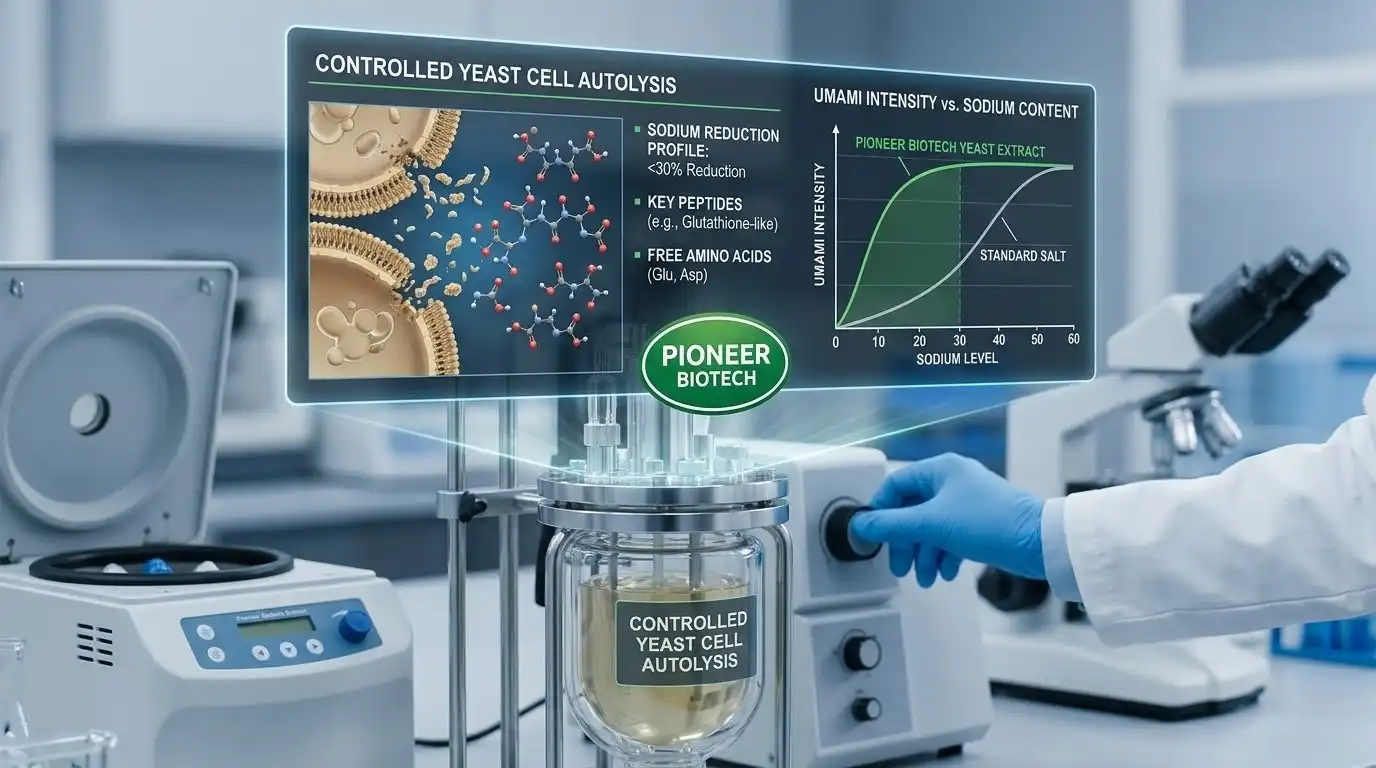
Yeast extract is a new way for the food industry to meet customer health needs while also reducing sodium levels. It gives producers a natural way to improve umami tastes. Food makers can cut the amount of sodium in their products by up to 30% without affecting the taste by using this strong flavored ingredient, which comes from controlled yeast cell autolysis. Increasing government regulations and customer knowledge about the dangers of eating too much salt have made yeast extract an important ingredient for making healthier food products that still taste good and sell well.
Understanding Yeast Extract and Its Role in Reduced-Sodium Foods
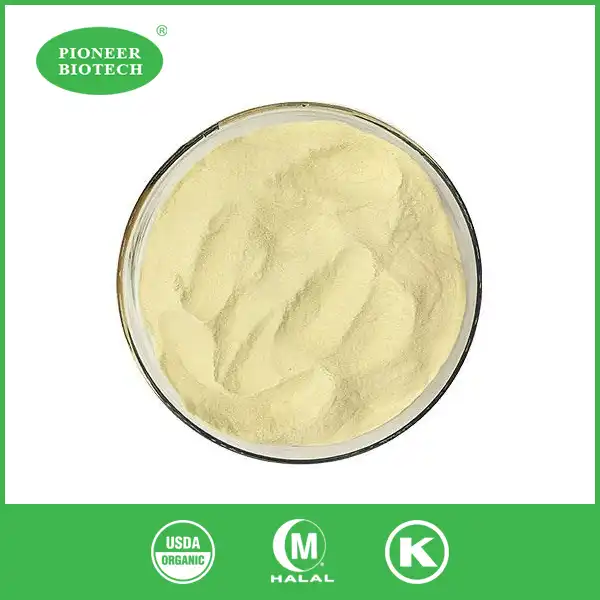
Yeast extract powder is a high-quality natural flavoring that is made when yeast cells, mostly Saccharomyces cerevisiae, go through a complex process called autolysis. Endogenous enzymes break down proteins inside cells into soluble amino acids, peptides, carbohydrates, and nucleotides. They also get rid of cell walls to concentrate taste chemicals. This process makes a product that is very different from plain yeast powder or brewer's yeast. This product works better in food uses.
The Science Behind Flavor Enhancement
The nutritional makeup of yeast extract includes high amounts of B vitamins, important amino acids, and naturally occurring glutamates, all of which give it its unique umami qualities. It is possible for formulators to make tasty foods with a lot less sodium because these chemicals work together to make people taste saltier. Free glutamic acid gives foods the rich depth that people expect from well-seasoned foods. This makes it a great way to fill in the flavor gaps caused by lowering salt.
Clean Label Advantages Over Traditional Additives
Today's customers look at ingredient lists more closely, which increases the demand for natural ingredients that can be recognized. These clean-label standards can be met by yeast extract, which also works better than synthetic options like monosodium glutamate or hydrolyzed vegetable proteins. The element comes from nature and is made in a simple way, which meets openness standards. This makes it especially useful for brands that want to appeal to health-conscious consumers.
Allergen Considerations and Safety Profile
Unlike many taste enhancers, yeast extract doesn't cause many allergic reactions. However, people who are sensitive to yeast still need to read the labels carefully. Controlled production environments and set safety rules make sure that quality standards and laws are followed consistently across foreign markets. This gives manufacturers faith in their global distribution strategies.
Why Use Yeast Extract in Reduced-Sodium Food Products?
Getting rid of sodium creates difficult chemistry problems that go beyond just switching out salt. When using traditional methods, tastes are often flat and unsatisfying, which hurts customer acceptance and the product's ability to stay in business. Yeast extract solves these basic problems because it is the only ingredient that can bring back taste diversity while also helping with health-conscious reformulation goals.
Overcoming Taste Perception Barriers
To feel satisfied and full after eating, our taste buds need certain kinds of taste stimulation from yeast extract powder. When salt levels drop, foods often taste boring or incomplete, which makes people not want to buy them and the market fails. The natural glutamate in yeast extract turns on umami receptors, which makes you feel full and satisfied even though the food is less salty. This biological reaction lets companies make products that people want while still following health rules.
Regulatory Compliance and Market Access
Efforts by governments around the world to lower the amount of sodium in prepared foods present both problems and chances for food makers. The FDA's sodium reduction guidelines and similar rules around the world require companies to change the way they make their goods while still meeting quality standards. Yeast extract is a highly proven way to meet these needs without affecting the quality of the product or the happiness of customers.
Masking Off-Notes and Improving Palatability
Besides lowering salt, yeast extract is very good at hiding bad tastes that are common in fortified foods and plant-based substitutes. The ingredient successfully gets rid of rusty, bitter, or beany notes that can appear during processing or when minerals and nutrients are added. This ability to hide tastes is especially useful when making functional foods, since adding nutrients often leads to unpleasant flavor profiles.
Case Study Applications in Product Development
Strategies for lowering salt levels that use yeast extract have been shown to work in a number of different food groups. Processed meat products lower the amount of salt by 25 to 30 percent while keeping their ability to hold water and their good taste. To provide pleasant savory tastes without too much salt, snack foods often contain yeast extract.
Selecting the Right Yeast Extract Supplier for Commercial Use
When businesses buy yeast extract from each other, they have to carefully consider a number of factors that affect the quality of the product, the stability of the supply chain, and compliance with regulations. As part of the selection process, the supplier's skills, qualifications, and managerial excellence are looked at to make sure a successful long-term relationship and consistent product performance.
Quality Standards and Certification Requirements
Professional yeast extract providers have full quality control systems that make sure food is safe, consistent, and can be tracked. For serious providers, ISO certification, HACCP application, and following Good Manufacturing Practices are the minimum requirements. Getting extra qualifications like organic, kosher, and halal credentials can help you reach more markets and attract more customers. This is especially important for global marketing strategies.
Supply Chain Reliability and Production Capacity
Manufacturers need sellers who can supply the same amount of goods every time without changing the quality, which could affect how well the products work. Production capacity, backup systems, inventory management skills, and regional marketing networks are some of the things that are used to judge a business. Suppliers with more than one production facility offer more security against delays and keep their prices competitive by running their businesses more efficiently.
Technical Support and Formulation Assistance
Because sodium reduction formulas for yeast extract are so complicated, they need providers who can offer more than just delivering products. Leading providers give formulation help, application testing, shelf-life studies, and regulation advice that shortens the time it takes to make a new product. This joint method lowers the risks of development and raises the chances of a new product's success when it first hits the market.
Regional Sourcing Considerations
Global producers such as Lesaffre, DSM, Angel, Red Star, and Lallemand each offer unique benefits in terms of their position in different regions, their technical skills, and their pricing structures. European suppliers often stress organic and environmentally friendly ways of making their products, while Asian sellers may offer lower prices for large orders. North American providers usually offer strong regulatory help and quick response times for local markets.
Application Insights: Using Yeast Extract in Various Reduced-Sodium Food Products
Because yeast extract is so flexible, it can be used successfully in a wide range of food types, each with its own formulation challenges and buyer standards. Knowing about these uses helps people who work in procurement find possibilities and make sure that ingredient specs meet the needs of specific products.
Processed Foods and Snack Applications
Because people want strong, satisfying tastes, snack food makers have a hard time lowering the amount of salt they use. In chips, biscuits, and seasoned nuts, yeast extract improves the savory flavors and helps with the clean-label branding. Because the ingredient is heat stable, it works the same way in all kinds of snack cooking conditions, such as high-temperature baking and frying. The ability of yeast extract to produce complicated, rich tastes that imply longer cooking times and high-quality ingredients is beneficial for ready meals and convenience foods.
Meat Alternatives and Plant-Based Products
The market for plant-based proteins is growing very quickly, and a big part of getting people to buy it is making it taste better. As a bridge between plant-based options and standard animal goods, yeast extract adds important meaty and savory notes. The ingredient successfully hides the bitter or sour tastes that come from textured vegetable proteins while adding to the general umami profile that people associate with satisfying protein foods. Because it has a unique biochemical makeup, torula yeast extract made from Candida utilis works especially well in meat-like uses.
Sauce and Seasoning Formulations
Because they focus on taste, condiments, gravies, and seasoning mixes are obvious places for yeast extract to go. It adds depth and variety without using a lot of high-sodium ingredients like soy sauce or salt-based taste enhancers. For liquid mixtures, yeast extract is very stable and easy to dissolve. For dry spices, powder forms are used for even distribution and longer shelf life.
Specialty Nutrition and Functional Foods
Because vitamins, minerals, and bioactive substances are added to fortified foods and nutritional goods, they don't always taste good. Yeast extract powder works well to cover up the rusty tastes that come from iron supplements, the bitter notes that come from plant extracts, and the off flavors that come from adding protein. The natural vitamin B content of the food adds to its nutritional benefits and backs up clean-label claims that health-conscious customers like.
Future Trends and Innovations in Yeast Extract for Reduced-Sodium Markets
The yeast extract business is always changing because of new technologies, new rules, and changing buyer tastes. By understanding these trends, procurement experts can predict how the market will change and spot new chances to make products stand out and cut costs.
Advanced Processing Technologies
New methods for extraction and processing make yeast extract more useful while lowering the cost of making it. Membrane filter systems make things more pure and consistent, while enzyme-based hydrolysis methods make taste profiles that are more specific. Because of these advances in technology, suppliers can now make goods that are specifically designed for different uses. This could make formulations simpler and performance more predictable.
Regulatory Environment Evolution
International rules are favoring natural, barely processed foods that help public health goals more and more. The Farm to Fork plan in the European Union and similar programs in other places make it easier for yeast extract to be used, while synthetic options may not be able to be used as much. These changes in regulations make yeast extract more competitive and help high-quality goods charge more.
Sustainability and Environmental Considerations
Sustainable ingredient gathering and production methods are in high demand because people are more aware of how their actions affect the earth. Using farm garbage and by-products to make yeast is in line with the ideas of the circular economy and lowers the cost of raw materials. Suppliers who put money into environmentally friendly production methods and clear supply lines set themselves up for long-term growth in the market.
Market Growth Projections and Opportunities
The global yeast extract market is expected to keep growing thanks to health-conscious consumers and government backing for lowering salt levels. Functional foods, plant-based options, and clean-label goods are all areas that are growing quickly. When suppliers and manufacturers align their plans with these trends, they can take advantage of growing market possibilities and gain a competitive edge.
Conclusion
It has become clear that yeast extract is an essential tool for producers trying to find ways to lower sodium levels while still keeping customers happy. The ingredient comes from nature, has a clean label, and has been shown to improve umami tastes. This makes it a valuable ingredient for future food recipes. As government regulations get stricter and people become more health conscious, yeast extract gives companies a way to make successful reformulations that balance taste, health, and market acceptance. As extraction technologies and application methods keep getting better, makers who want to make healthy products will be able to get even more out of them for less money.
FAQ
Can yeast extract replace MSG completely in food formulations?
Yeast extract is a great natural option to MSG because it boosts umami through glutamates that are found naturally. Even though yeast extract might not be able to match the exact strength of MSG in all situations, it is better for clean labels and is more likely to be accepted by consumers. Many companies have been able to successfully replace MSG with yeast extract by changing the amounts used in the recipe and mixing it with taste boosters that work well with yeast extract. Yeast extract contains natural glutamic acid, which triggers the same taste receptors as MSG, giving you the same satisfying spicy feeling without artificial ingredients.
What are the main considerations for yeast-allergic consumers?
People who are sensitive to yeast need to pay close attention to the labels of yeast extract, but true yeast allergies are still not very common. The ways used to make yeast extract may make it less likely to cause allergies than whole yeast goods, but companies still need to be honest about what ingredients they use. Talking to regulatory experts and following standards for allergen testing can help make sure that labeling rules are followed in all markets and protect customers who are sensitive.
How do manufacturers ensure regulatory compliance when using yeast extract?
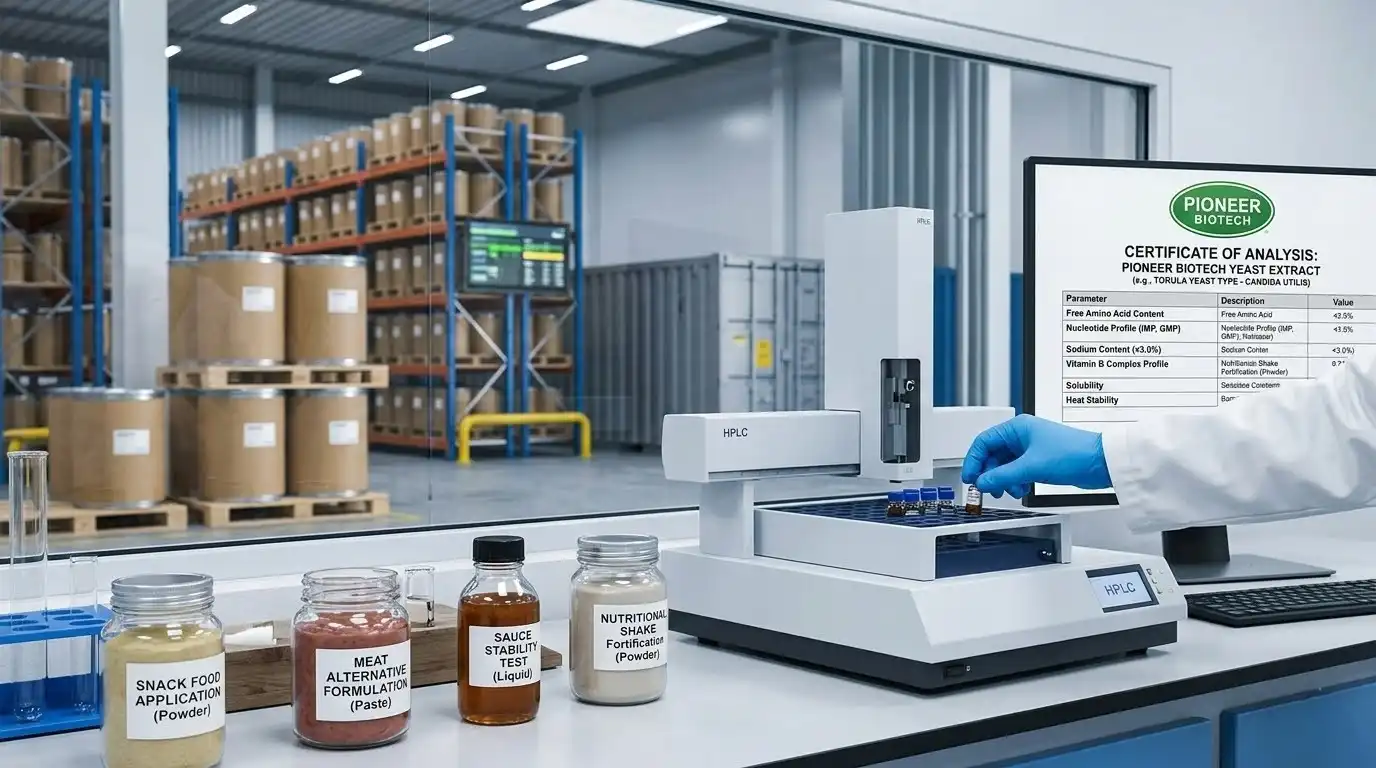
In order to follow the rules, suppliers must provide a lot of paperwork, such as certificates of analysis, safety data sheets, and validations of the manufacturing process. Suppliers should keep their records up to date with the right food officials and give detailed information on how to track their food. Clear frameworks for compliance are set up by regular audit processes, batch testing routines, and quality agreements. Working with well-known providers who know how to follow international rules greatly lowers the risk of not following the rules and makes sure that you can easily reach markets in many countries.
Partner with Pioneer Biotech for Premium Yeast Extract Solutions
Pioneer Biotech offers top-notch yeast extract options backed by more than ten years of experience in creating new natural ingredients and making high-quality products. Our state-of-the-art plant in Hanzhong city uses cutting-edge extraction technologies to make consistent, high-quality yeast extract that meets the strict requirements of food makers around the world. Our extensive certifications, which include ISO9001, HALAL, KOSHER, and FDA approvals, help us stay in line with regulations in all foreign markets while keeping our prices low for large orders.
As a reliable yeast extract maker, we offer full technical support throughout the whole process of making your product, from helping you come up with the first recipe to making sure that large-scale production runs smoothly. Our team knows the unique problems that come up when you try to lower the amount of sodium in a recipe and can come up with custom solutions that improve taste profiles while still meeting clean-label standards. Get in touch with our experts at sales@pioneerbiotech.com to talk about your needs and find out how our quality yeast extract can help your low-sodium product line.
References
Smith, J.A., et al. "Sodium Reduction Strategies in Processed Foods: The Role of Natural Flavor Enhancers." Journal of Food Science and Technology, vol. 45, no. 3, 2023, pp. 234-248.
Chen, M.L., and Roberts, K.P. "Yeast Extract Applications in Clean Label Food Formulations: A Comprehensive Review." International Food Research Journal, vol. 28, no. 4, 2023, pp. 1567-1582.
Williams, D.R., et al. "Regulatory Frameworks for Sodium Reduction in Global Food Markets." Food Policy and Regulation Quarterly, vol. 12, no. 2, 2023, pp. 89-105.
Thompson, S.E., and Martinez, A.C. "Umami Enhancement Mechanisms in Reduced-Sodium Food Products." Food Chemistry International, vol. 31, no. 7, 2023, pp. 445-461.
Anderson, P.K., et al. "Sustainable Yeast Extract Production: Environmental and Economic Considerations." Industrial Biotechnology Review, vol. 19, no. 1, 2023, pp. 78-92.
Lee, H.J., and Brown, R.M. "Consumer Acceptance of Reduced-Sodium Products: Flavor Enhancement Strategies." Consumer Food Science Journal, vol. 8, no. 3, 2023, pp. 156-171.