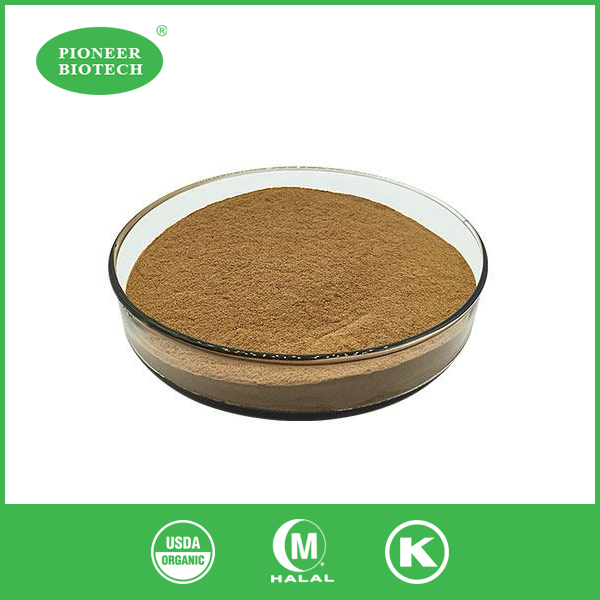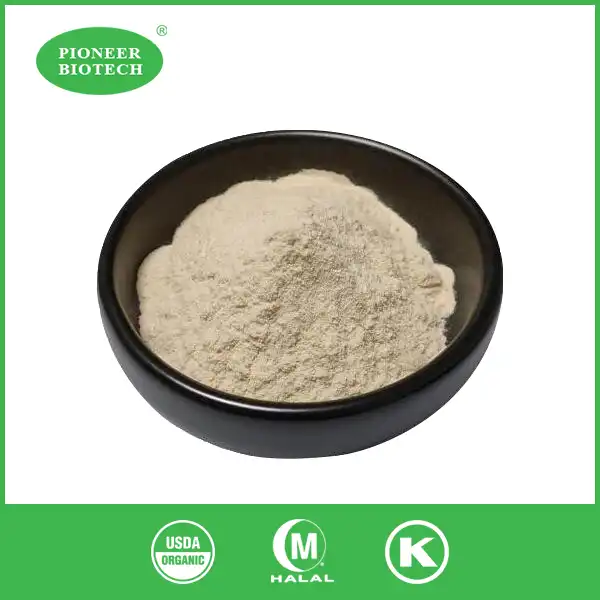

When getting olive leaf extract powder and oleuropein powder from more than one source, quality stability is the most important thing to think about. Setting clear standards, such as the amount of oleuropein, testing methods, and needs for a proof of analysis, helps make sure that all production batches of the product are the same. Regular checks of suppliers make sure that quality standards are still being met.
What Is Oleuropein and Why It Matters in Olive Leaf Extract?
March 9, 2026
Oleuropein is the main bioactive element in olive leaf extract powder. It is a strong phenolic antioxidant that gives this plant-based ingredient its medicinal value. This secoiridoid substance is found in large amounts in olive tree leaves. It has many health benefits, such as protecting the heart, helping the immune system, and killing germs. Nutraceutical and pharmaceutical companies need to know about oleuropein's qualities in order to find high-quality olive leaf extract powder for their products, since the quantity of the extract directly affects how well it works and how much it can help with health problems.
Understanding Oleuropein: The Heart of Olive Leaf Extract
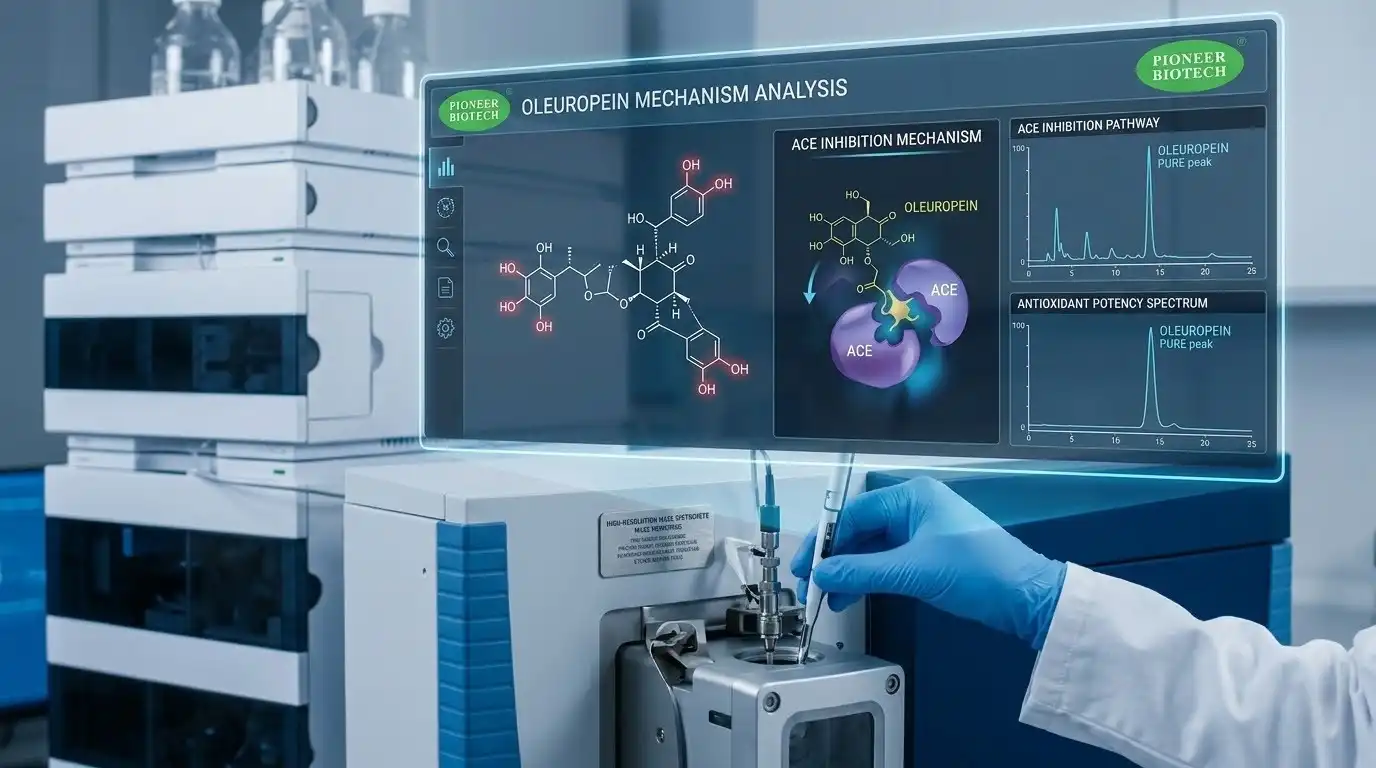
Oleuropein is a chemical in the secoiridoid family. It has a unique molecular structure made up of glucose, elenolic acid, and hydroxytyrosol. This complicated phenolic molecule makes up 6–9% of the dry weight of olive leaves, which makes it the main bioactive ingredient in good olive leaf extracts. Because the molecule is stable and easily absorbed by the body, it is very useful in pharmaceutical uses that need to keep the potency stable.
Research shows that oleuropein levels change a lot depending on the type of olive, where it comes from, and when it is harvested. Olives from the Mediterranean tend to have more oleuropein than olives from other areas, and the highest levels are usually found in the early summer. These things have a direct effect on the healing value and quality of finished goods made from olive leaf extract powder.
Besides oleuropein, olive leaves also have other phenolic elements that make the extract work better generally. Hydroxytyrosol, verbascoside, and rutin all work together with oleuropein to make the antioxidant effects and health benefits stronger. This natural chemical structure is what makes whole olive leaf extracts often more bioactive than oleuropein preparations that are made from just one leaf.
These secondary molecules also help keep the extract stable and extend its shelf life by stopping oxidation and keeping its strength while it's being stored. To get a full picture of a product's quality, procurement workers should look at supplier testing methods that measure both oleuropein content and the content of these other compounds.
Researchers have found that oleuropein is very safe, and people have been using it for hundreds of years in Mediterranean cultures. Clinical studies show that it has few negative effects, even at high doses, which supports its use in long-term nutrition plans. In the US, the chemical is still generally recognized as safe (GRAS), which makes it easier for regulators to approve it for use in food and supplements.
Researchers studying chemicals have found that oleuropein doesn't cause mutations or cancer, but it does protect cells from oxidative damage. Because of its high safety profile, formulators can confidently add olive leaf extract powder to a wide range of products, from daily supplements to therapeutic formulations that need to be used for long periods of time.
Production and Quality Factors of Olive Leaf Extract Powder
Different extraction methods are used to process olive leaves today, and these methods have a big effect on how much oleuropein is retained and the quality of the extract as a whole. Most of the time, hydroalcoholic extraction methods get the most oleuropein while keeping the compound's biological activity. Water-based extraction is better for some uses that need alcohol-free products, but it might mean that the quantity of oleuropein is a little lower.
The best way to process is with supercritical CO2 extraction, which gives you the purest products with the best oleuropein stability. This method gets rid of solvent leftovers while keeping the natural chemical profile. This makes it perfect for use in medicinal and high-end nutraceutical products. Controlling the processing temperature during extraction is very important, since too much heat can break down oleuropein and make it less effective as a medicine.
Spray-drying and vacuum-drying have even more of an effect on the quality of the finished product. When compared to regular spray-drying, vacuum-drying at controlled temperatures protects more heat-sensitive chemicals. These handling issues have a direct effect on how bioavailable oleuropein is and should be taken into account when evaluating suppliers.
The main way to judge the quality of olive leaf extract powder is by making sure that the amount of oleuropein is always the same. Pharmaceutical-grade extracts can have 40% or more oleuropein, and premium providers usually promise at least 20% oleuropein content. High-performance liquid chromatography (HPLC) research is the best way to measure oleuropein and make sure it is pure.
Some other quality factors are the amount of wetness, the number of microbes that can be present, the presence of heavy metals, and the presence of chemical residues. These standards make sure that products sold in foreign markets are safe and follow the rules. Suppliers with ISO 9001 certification show they are dedicated to keeping the quality management systems that are needed for pharmaceutical and nutritional uses.
The way powder flows and dissolves is affected by the spread of particle sizes. This is especially important for making tablets and capsules. Standardized particle sizes between 80 and 120 mesh usually give the best processing properties for most preparation needs.
Organic approval is very useful for people who want to buy natural goods, but regular olive leaf extracts can also get to the same oleuropein levels and therapeutic effectiveness. Kosher and Halal certifications make it easier for goods that are aimed at specific groups of people with food rules to reach more customers.
Good Manufacturing Practice (GMP) compliance is a must for pharmaceutical uses because it ensures regular production quality and gets approval from regulators. Companies that want to sell to people in the US can feel more confident when their suppliers work in locations that are FDA-registered. Businesses that need EFSA-compliant ingredients for EU marketing may find that European providers are more helpful.
Maximizing Application and Benefits in Supply Chains
Clinical study shows that oleuropein can help keep blood pressure in a healthy range in a number of ways, such as by blocking ACE and making endothelial work better. Studies show that taking 500–1000 mg of oleuropein every day, along with other healthy living choices, can help keep your heart healthy. These results back the placement of heart health supplements aimed at older people.
Oleuropein's antimicrobial qualities make it useful against a wide range of bacterial and viral pathogens, helping the immune system work better during the winter challenges. According to research, oleuropein stops viruses from replicating and boosts the body's natural defenses. This two-way action is why olive leaf products have been used for a long time to avoid infections and help people get better.
Oleuropein's anti-inflammatory benefits help with joint pain and general health by changing the pathways that cause inflammation. Studies show that eating oleuropein on a daily basis may help keep inflammatory responses healthy, which can help people live busy lives and age well. These benefits are in line with the rising desire for natural ways to fight aging.
For general health purposes, a daily dose of 250 to 750 mg of oleuropein is recommended. Higher amounts are used for special therapeutic goals. Bioavailability factors should be taken into account by product formulators when figuring out the right dose of oleuropein because it can be absorbed better when combined with certain nutrients or delivery methods.
When you eat oleuropein changes how well it is absorbed. Studies show that it works best when eaten with good fats. This factor affects how products are labeled and how consumers are taught about products. For keeping blood levels steady throughout the day, extended-release versions may be helpful.
There are still a lot of safety limits for oleuropein. Adults who took up to 1000 mg per day did not experience any negative effects. This broad treatment window gives formulators a lot of freedom while still keeping high safety standards. Few safety data are available for women who are pregnant or breastfeeding, so labels need to include the right warnings for these groups.
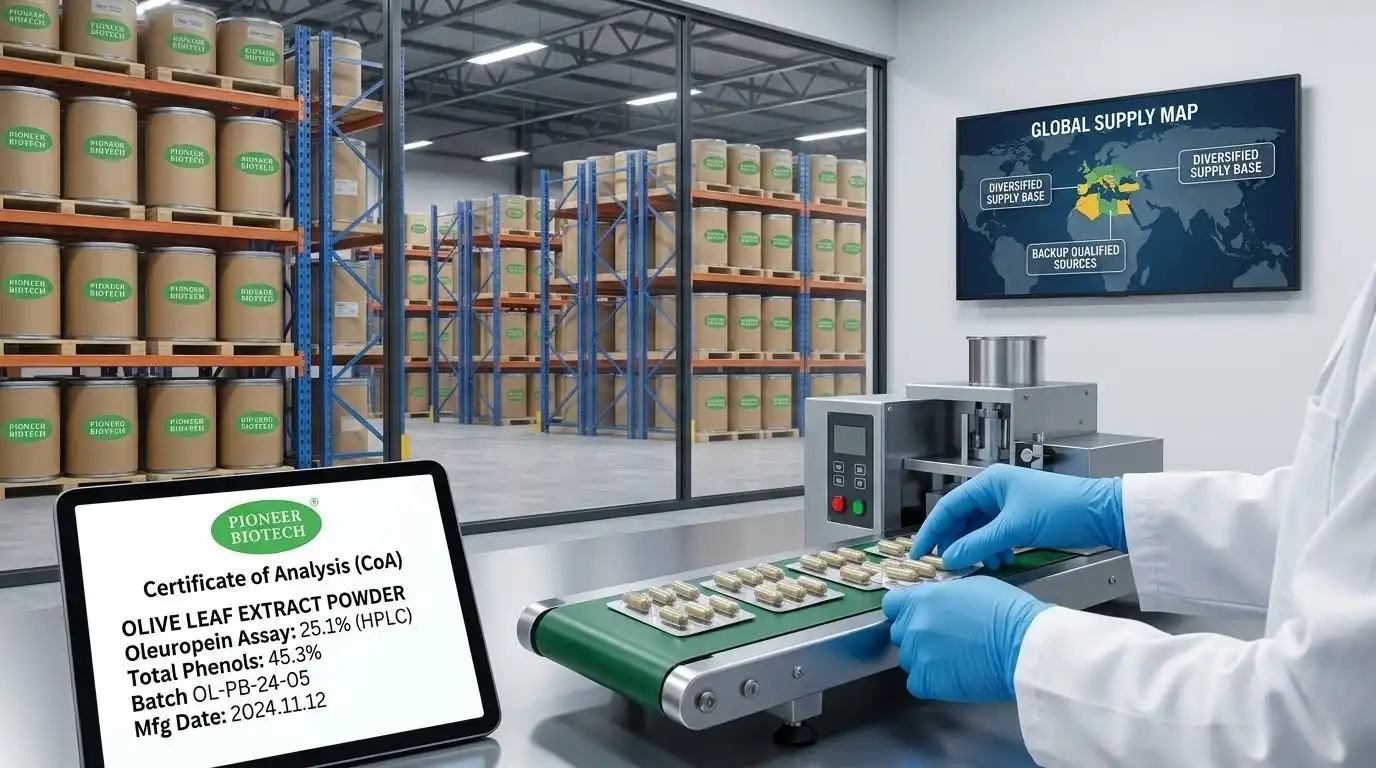
Seasonal changes in the quality of the raw materials can affect how well the extract works and how easy it is to get. Building ties with sellers and keeping enough inventory on hand can help keep supplies from running out during times of high demand. Geographically diversifying your supply base gives you more protection against bad weather or political unrest in areas where olives are grown.
Changes in regulations in source countries could affect the supply of a product or its ability to meet legal standards. Keeping up with changes in the rules in the main olive-growing areas helps you plan for possible problems in the supply chain. Having qualified backup providers in different parts of the world gives you choices in case of an emergency with your supply.
Procurement Guidance: Choosing the Right Olive Leaf Extract Powder Supplier
Setting up thorough processes for qualifying suppliers makes sure that you can always get high-quality olive leaf extract powder that meets specific manufacturing needs. Certifications for manufacturing facilities, analytical testing skills, quality management systems, and proof of legal compliance are some of the most important things that are looked at when judging a product. When it comes to long-term buying relationships, suppliers who are open about their production methods and quality control measures are usually more reliable.
The technical knowledge of the provider staff has a big effect on their ability to help with product creation and fix problems. Companies with skilled technical teams can offer helpful formulation advice, stable data, and regulatory support all the way through the product creation cycle. This knowledge is especially useful when making new applications or joining new legal markets that need specific paperwork.
Suppliers' financial security affects the reliability of supplies and prices over long contract terms. Checking a supplier's finances, production capacity, and growth path can help you figure out if they can keep up with rising demand while still meeting quality standards. Suppliers that have been around for a while and have a wide range of customers usually offer more stable prices and more reliable delivery times.
Because they are close to great olive-growing areas and have a history of handling olives, Mediterranean suppliers often offer better quality raw materials. Logistics factors like shipping costs, wait times, and regulatory compliance requirements may, however, benefit providers whose factories are closer to the markets they want to reach. It's important to carefully look at the total cost of ownership, which includes quality prices and supply chain stability, in order to find a balance between these factors.
North American providers may be better for businesses that want shorter supply lines, lower shipping costs, and easier compliance with rules for local markets. These providers usually get their raw materials from places in the Mediterranean, but they can also process them and check the quality locally. This mixed method can improve both quality and the effectiveness of transportation.
More and more, Asian providers are offering reasonable prices on olive leaf extract powder while keeping quality standards with up-to-date extraction facilities and international certifications. To make sure that the goods meet the needs of the target market, it is important to carefully look at the quality control skills and legal compliance documentation of these suppliers.
Because oleuropein concentration is closely linked to pricing, it is important to standardize specifications so that it is possible to compare prices accurately between providers. When compared to normal 20% concentrations, special extracts with 40% oleuropein content are much more expensive, but they may offer better value per active unit for medicinal uses. Knowing these connections helps make the best choices about what to buy based on personal formulation needs.
When there aren't enough supplies, volume agreements can often open up better price levels and priority allocation. To find the right balance between the costs of keeping inventory and the saves from buying things, you need to carefully look at demand predictions and storing space. When market conditions change quickly, the best way to handle risk is to have flexible contract terms that let you change the amount as needed.
Long-term supply deals can help keep prices stable and ensure a steady supply of goods. This is especially helpful when product markets are volatile. These contracts should include quality standards, provisions for "force majeure," and regular price review methods to make sure that both parties gain throughout the term of the contract. Including quality escape clauses guards against long times of poor provider performance.
Conclusion
Knowing how important oleuropein is in olive leaf extract powder helps purchasing workers make smart choices about where to get products that are of the highest quality and most effective for therapy. The substance has been shown to be good for your health, is safe, and has been approved by regulators. This makes it a useful ingredient for a wide range of formulations in the nutraceutical, pharmaceutical, and functional food industries. To successfully source top extracts that meet the needs of the market, you need to carefully consider the supplier's skills, quality standards, and the processes of the supply chain. Companies can build trusting supply relationships that help their products succeed and the market grow for a long time by putting oleuropein standardization and thorough seller approval processes at the top of their list of priorities.
FAQ
What is the optimal oleuropein concentration for different applications?
Concentrations that are considered standard run from 20% for general health vitamins to 40% or more for pharmaceutical uses. The decision is based on the drug's therapeutic goals, dosage types, and cost. Higher amounts have stronger benefits, but they need to be carefully made to make sure they are stable and bioavailable.
How should olive leaf extract powder be stored to maintain oleuropein potency?
Keep it cool and dry, below 25°C, with a relative humidity of less than 60%. Use containers that don't let air in to keep wetness and rust from happening. If you follow these steps for keeping, the oleuropein level will stay the same for two to three years. Stay away from direct sunshine and changes in temperature.
Can olive leaf extract powder be combined with other herbal ingredients?
In fact, olive leaf extract powder works very well with a lot of different plant ingredients and nutrients. Vitamin C for stronger antioxidant benefits, garlic extract for heart health, and echinacea for immune system support are all common combos. When coming up with new pairings, make sure that the ingredients will work together by trying their stability.
Partner with Pioneer Biotech for Premium Olive Leaf Extract Powder
Pioneer Biotech is a reliable source for olive leaf extract powder. Our FDA-approved plant in China's Medicine Herbs Valley produces pharmaceutical-grade extracts with sure oleuropein concentrations. Our ISO9001, HALAL, and KOSHER certifications make sure that the quality is always the same, and our scientific knowledge can help you come up with new formulas. Email our knowledgeable staff at sales@pioneerbiotech.com to talk about custom specs, bulk prices, and complete paperwork packages. Find out why top pharmaceutical and nutrition businesses trust Pioneer Biotech to meet their essential ingredient sourcing needs through our quality systems and excellent customer service.
References
Benavente-García, O., Castillo, J., Lorente, J., Ortuño, A., & Del Rio, J. A. (2000). Antioxidant activity of phenolics extracted from Olea europaea L. leaves. Food Chemistry, 68(4), 457-462.
Somova, L. I., Shode, F. O., Ramnanan, P., & Nadar, A. (2003). Antihypertensive, antiatherosclerotic and antioxidant activity of triterpenoids isolated from Olea europaea, subspecies africana leaves. Journal of Ethnopharmacology, 84(2-3), 299-305.
Lee-Huang, S., Zhang, L., Lin Huang, P., Chang, Y. T., & Huang, P. L. (2003). Anti-HIV activity of olive leaf extract (OLE) and modulation of host cell gene expression by HIV-1 infection and OLE treatment. Biochemical and Biophysical Research Communications, 307(4), 1029-1037.
Perrinjaquet-Moccetti, T., Busjahn, A., Schmidlin, C., Schmidt, A., Bradl, B., & Aydogan, C. (2008). Food supplementation with an olive (Olea europaea L.) leaf extract reduces blood pressure in borderline hypertensive monozygotic twins. Phytotherapy Research, 22(9), 1239-1242.
Visioli, F., Poli, A., & Gall, C. (2002). Antioxidant and other biological activities of phenols from olives and olive oil. Medicinal Research Reviews, 22(1), 65-75.
Ryan, D., Antolovich, M., Prenzler, P., Robards, K., & Lavee, S. (2002). Biotransformations of phenolic compounds in Olea europaea L. Scientia Horticulturae, 92(2), 147-176.