
Xanthium Sibiricum Extract Quality Standards and Testing
Quality standards and testing methods for Xanthium sibiricum extract are important standards that decide whether this valuable botanical ingredient can be sold and used in medicine. Understanding all quality measures is very important for successful product development as procurement professionals and formulation experts have to deal with more complicated rules. To make professional xanthium sibiricum extract, strict analytical methods, toxicity reduction processes, and standard bioactive chemical proof must be followed. This is to make sure that the medicinal effects are the same in pharmaceutical, nutraceutical, and beauty uses.
Understanding Xanthium Sibiricum Extract: Composition and Uses
The dried, ripe fruit of Xanthium sibiricum Patrin ex Widder, which is also known as Fructus Xanthii or Cang Er Zi in Traditional Chinese Medicine, is used to make Xanthium sibiricum extract. This standardized plant ingredient goes through complex water or hydro-ethanol extraction processes that are meant to concentrate bioactive chemicals while keeping the ingredient's therapeutic value. The separation method has a big effect on the quality of the end product and how well it can be used in business.
The chemical fingerprint of the extract shows that it has several important parts that make it useful for healing. The main phenolic molecules that provide antioxidant action are chlorogenic acid, ferulic acid, and caffeic acid. A sesquiterpene lactone called xanthatin is used as a key standardization measure for quality control. These bioactive chemicals work together to give this product its pain-relieving and anti-inflammatory qualities, which make it useful in many fields.
Professional extraction methods focus on getting the most of the good chemicals while removing as many of the possibly dangerous ones as possible. Before being used, raw materials are stir-baked to get rid of diterpenoid glycosides, especially carboxyatractyloside, which can be harmful to the liver. This step before processing is an important quality control check that tells professional-grade extracts from cheaper ones.
Traditionally, the main focus was on lung health problems like allergic rhinitis, chronic sinusitis, and stuffy noses. Recent study has helped us learn more about its healing possibilities. It has been shown to have strong antimicrobial properties against Staphylococcus aureus and other fungal pathogens. The extract is useful for medical products that treat eczema, urticaria, and pruritic conditions because it works on a wide range of skin conditions.
The product is used in modern medicine because it can stop inflammation chemicals like nitric oxide and prostaglandin E2 from working. Because of these effects, it can be used in specific lung vitamins, topical dermatological treatments, and useful nose sprays. The extract's ability to dissolve in water makes it possible to use a variety of preparation methods for both solid and liquid dose forms.
When working with xanthium sibiricum extract, safety is still the most important thing to think about because products that aren't handled properly can be toxic. To keep carboxyatractyloside amounts below measurable levels, professional providers use strict toxicity screening procedures. Instead of just using extraction ratios, proper dose rules usually say to use standardized extracts with known bioactive chemical concentrations.
Key Quality Standards for Xanthium Sibiricum Extract
Quality standards for xanthium sibiricum extract include a number of rules and guidelines for analysis that make sure the product is safe, effective, and consistent. When procurement teams look at suppliers and choose products, these guidelines give them concrete factors to use.
Following GMP rules for xanthium sibiricum is the most important thing that can be done to make sure the quality of medicines and supplements. Facilities that make high-quality extracts keep detailed records, tested testing methods, and environmental controls that make sure stability from batch to batch. ISO 22000 certification shows that you can handle food safety in a way that is necessary for useful food and drink uses.
Organic approval is useful for brands that want to be seen as having clean labels, but the whole supply chain needs to be carefully checked. Certifications like HALAL and KOSHER make it easier for businesses that serve certain groups of people to get into new markets. All of these certifications show that the provider is dedicated to quality control and following the rules.
FDA rules about botanical ingredients demand detailed safety records and following good production practices. The European Medicines Agency's rules stress the importance of standardizing testing methods and quality control measures. Knowing these rules and regulations helps people who buy things decide how good a company is and make sure they follow the rules in all target markets.
The rules are always changing, and there is more and more focus on using tested scientific methods and full safety paperwork. When suppliers show that they are willing to follow new rules, buying teams have a competitive edge and legal risks are lower.
Standardized requirements usually need xanthatin levels of 0.5% or more, which can be proven by HPLC analysis. The amount of chlorogenic acid is another quality indicator that gives us a way to measure how well something works to reduce inflammation. Extraction rates between 5:1 and 20:1 can be used to get a rough idea of the quality of an ingredient, but standardized bioactive compound content is a better way to predict how well it will work.
Specifications for particle size make sure that the blending is uniform, and 95% going through 80 mesh is the norm. Solubility factors describe how water and ethanol dissolve, which is important for making sure that the mixture works well together. Limits on the amount of moisture in a product stop microbes from growing and keep it stable while it's being stored and shipped.
Testing Methodologies: Ensuring Authenticity and Safety
Comprehensive testing procedures are the most important part of programs that make sure the quality of xanthium sibiricum extract. Utilizing analytical methods that have been proven to work in science, these methods check for accuracy, evaluate safety, and evaluate strength.
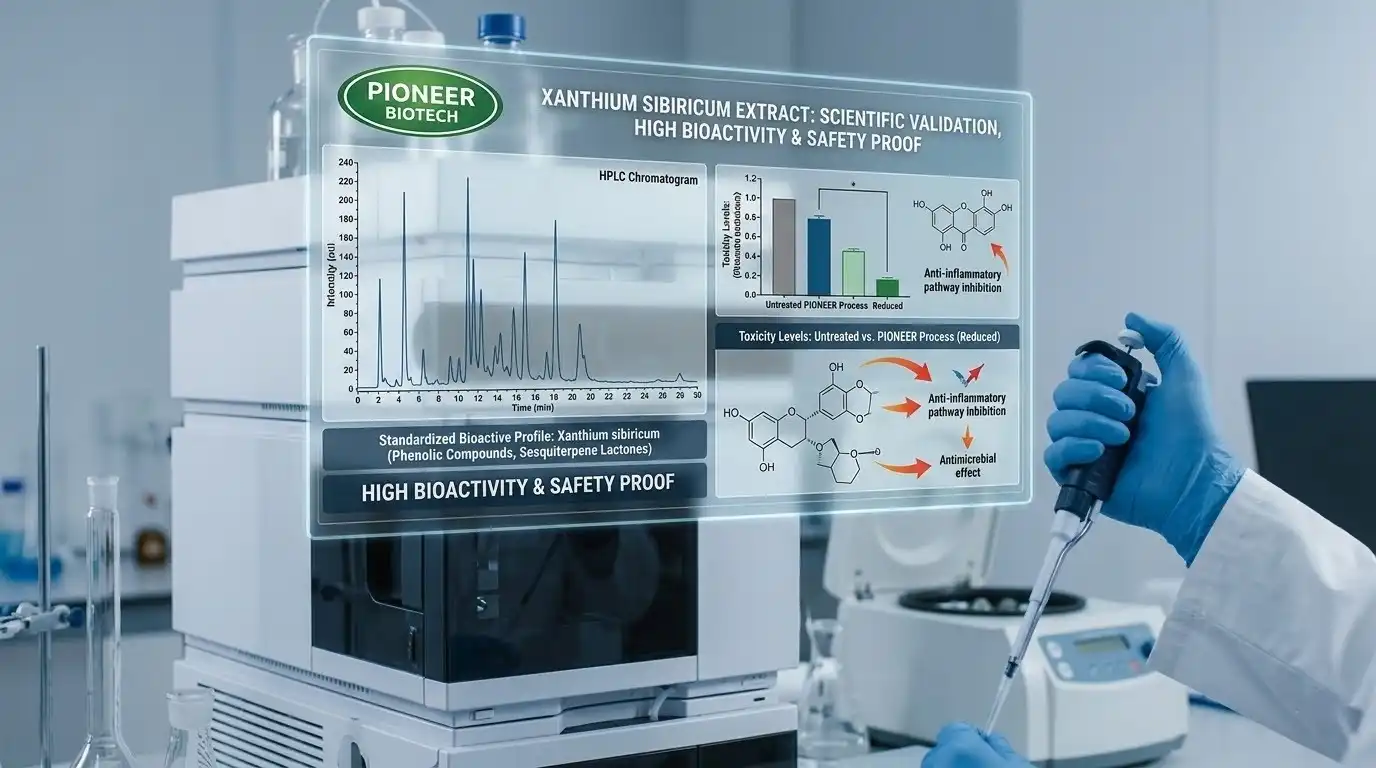
HPLC chromatography is a reliable way to find and measure important biological substances like xanthatin and chlorogenic acid. This method of analysis allows for accurate standardization and checking of accuracy from batch to batch. GC-MS research gives more proof of the chemical identity and can find possible adulterants or toxins.
To check someone's name and quality, TLC fingerprinting is a cheap screening method that works well. Together, these ways of analyzing help make full quality profiles that meet the needs of legal compliance and product growth.
Antioxidant activity tests measure how well antioxidants can get rid of free radicals, giving us a way to objectively measure their healing potential. Anti-inflammatory potency testing checks how well the extract can stop certain inflammatory chemicals from working, which backs up product claims and preparation strategies. These measures of bioactivity help buying teams compare what different suppliers have to offer and improve the performance of formulations.
Antimicrobial tests against important bacteria shows that the extract could be used on the skin or inside the body. Protocols that are standardized make sure that findings can be repeated, which supports regulatory submissions and marketing promises.
Toxicity marker screening for xanthium sibiricum powder is an important safety measure that is only used for xanthium sibiricum extract. Advanced sellers use tried-and-true methods to measure possibly harmful chemicals and make sure they don't go over safety limits. Heavy metals testing checks for pollution risks in plant raw materials, and pesticide residue analysis makes sure that safety rules are followed in agriculture.
Microbiological testing makes sure that there are no harmful organisms and keeps the shelf life stable. Consumers are protected by these thorough safety measures, which also help with legal compliance in many places.
Comparing Xanthium Sibiricum Extract with Other Herbal Extracts
To evaluate the market, you need to know how xanthium sibiricum extract stacks up against other botanical products and sellers that are in the same niche. This comparison helps with buying choices and planning how to make new products.
Xanthium sibiricum is very different from similar species like Xanthium strumarium when it comes to the medicinal compounds it contains and how it can be used in medicine. The sibiricum type has bigger amounts of phenolic compounds and sesquiterpene lactones that are useful for medicine. Because of these differences in chemicals, there are different quality standards and levels of effectiveness.
When it comes to anti-inflammatory and antimicrobial properties, xanthium sibiricum is better than other plants used for lung health. Its chemical makeup goes well with common mixtures of Magnolia liliflora and Centipeda minima, making it possible to make formulations that work better together.
Leading providers set themselves apart by using better methods for standards, keeping thorough records of quality, and using approved processes for analysis. Premium extracts have stable levels of medicinal compounds, little change from batch to batch, and full safety ratings. These quality markers cost more, but they make formulations work better and make sure they follow the rules.
Mid-tier sources may have good enough quality for some uses and lower prices for markets that care about price. To make sure that the quality meets the needs of the product, evaluation factors should include the company's licensing status, its analytical skills, and the openness of its supply chain.
For pharmaceutical uses, the highest quality standards are needed, such as following GMP, using approved analytical methods, and having a lot of safety paperwork. Nutraceutical uses combine the need for quality with the need to save money, focusing on standardizing bioactive content and following the rules. When used in cosmetics, stability and skin suitability tests are very important.
By knowing these application-specific needs for xanthium sibiricum, procurement professionals can make sure that the specs for extracts meet the performance requirements and legal requirements of the final product.
Best Practices for Procurement and Supplier Selection
To strategically buy xanthium sibiricum extract, you need to carefully evaluate suppliers, make sure the quality is high, and follow good risk management rules. These steps guarantee a steady supply over time and consistent product quality.
A full supplier audit should check the seller's ability to make things, their quality control methods, and their compliance with regulations. Site trips are a great way to learn about how things are made, how quality is controlled, and what specialized skills are available. Analytical method approval, stability data, and regulatory certificates should all be part of the documentation review.
When it comes to complicated formulation uses, the ability to provide technical help is a key differentiator. Suppliers who offer formulation advice, help with stable tests, and regulation support are more valuable than just providing raw materials.
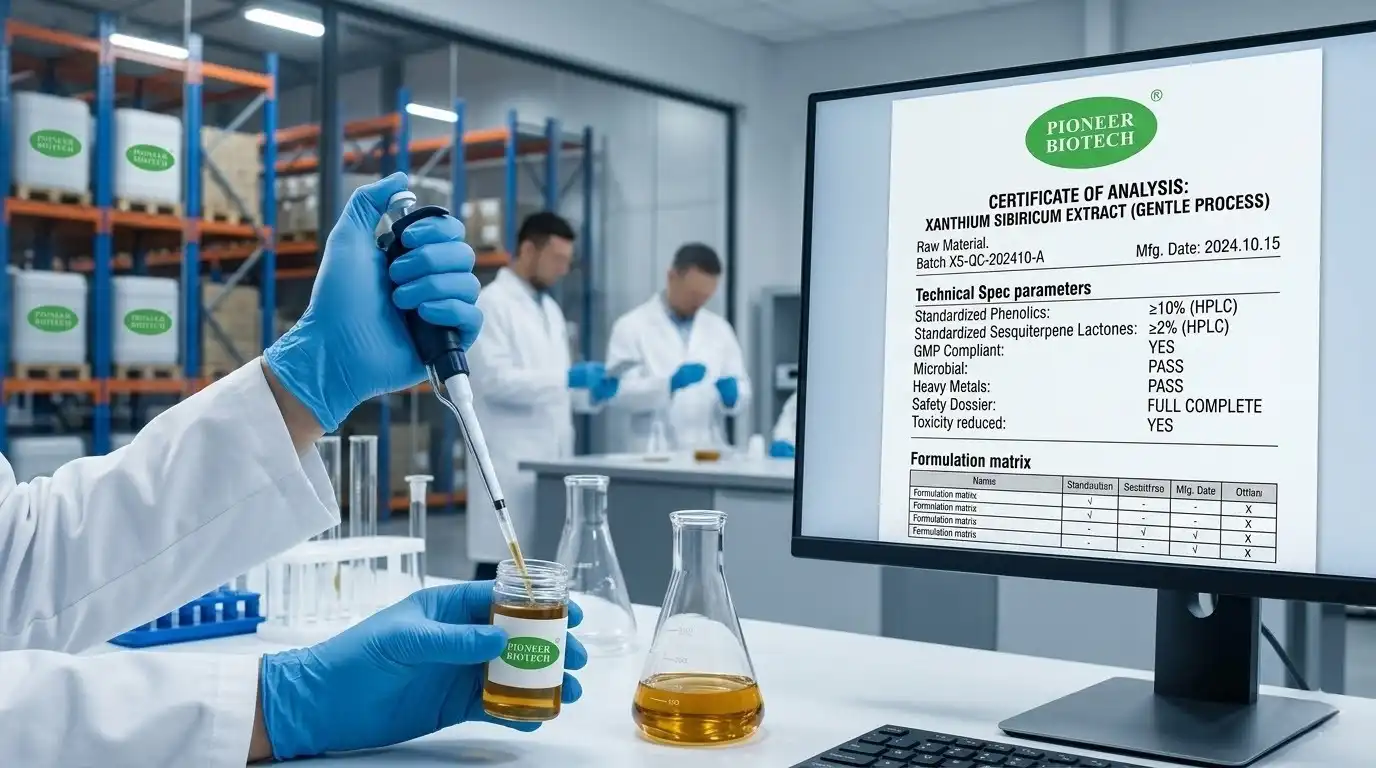
The study of the certificate of analysis should make sure that it meets the requirements that were set and that the analytical method used is correct. Testing by a third party makes sure of the quality in an impartial way and lowers the risks in the supply chain. Reviewing stability data makes sure that the product works well for as long as it's supposed to during its shelf life.
Traceability paperwork makes the supply chain clear and helps companies meet regulatory standards. Comprehensive quality agreements spell out what is expected, how tests will be done, and how to measure success. These agreements govern relationships with suppliers.
In addition to unit price, a total cost study should look at things like supply reliability, legal compliance costs, and quality consistency. Most of the time, premium extracts offer better value because they make manufacturing easier, make it easier to follow regulations, and improve the performance of the final product. A supply chain risk review should look at how stable a supplier's finances are, how much they can produce, and how strong their quality system is.
Long-term relationship growth is good for both sides because it leads to volume promises, technical cooperation, and joint efforts to improve quality.
Conclusion
Quality standards and tests for xanthium sibiricum extract are very complicated technical requirements that need a careful choice of suppliers and full quality checks. Professional buying teams have to find a mix between the need for quality and the need to make money, all while making sure that all target markets follow the rules. Because the extract has a unique treatment profile and safety concerns, it needs to be tested by experts who know a lot about toxicity management, formulation compatibility, and laboratory testing. Procurement strategies that work well focus on building partnerships with suppliers, making sure that all quality agreements are clear, and using ongoing tracking systems to make sure that the product always works well and follows the rules throughout the supply chain.
FAQ
What tests are used to make sure the quality of xanthium sibiricum extract?
Key bioactive substances, such as xanthatin and chlorogenic acid levels, can be accurately measured using HPLC. Chemical tracking and finding contaminants are two other things that GC-MS tests can do. To check someone's name, TLC fingerprinting is a cheap way to screen people. Together, these ways of analyzing help make full quality profiles that meet the needs of legal compliance and product growth.
How do companies deal with possible worries about toxicity?
Professional makers use pretreatment methods like stir-baking to break down dangerous diterpenoid glycosides while keeping useful chemicals. Carboxyatractyloside amounts are kept below detectable safety levels by thorough toxicity screening procedures. Validated analytical methods provide precise confirmation of the amounts of toxicity markers during production and storage.
What kinds of licenses should buying teams focus on?
GMP compliance is the basis for pharmaceutical and nutritional uses; it ensures quality and accuracy in manufacturing. ISO badges show that a quality control system works and that food safety rules are followed. Organic, HALAL, and KOSHER standards make markets easier to reach for some groups of people while showing that the supply chain is well managed.
Partner with Pioneer Biotech for Premium Xanthium Sibiricum Extract
Pioneer Biotech is a reliable company that makes xanthium sibiricum extract. They use cutting edge extraction methods and strict quality control measures. Our factory in Hanzhong's Medicine Herbs Valley is certified by ISO9001, HALAL, KOSHER, and the FDA. We give standard extracts that meet the strictest industry standards. We offer full analytical paperwork, proof of toxicity screenings, and technical support services that make the buying process easier and guarantee the success of your product. Get in touch with our technical team at sales@pioneerbiotech.com to talk about your unique xanthium sibiricum extract needs and see how professional botanical production can help your product development efforts.
References
Zhang, L., & Wang, H. (2023). Analytical Methods for Quality Control of Xanthium sibiricum Extract in Pharmaceutical Applications. Journal of Pharmaceutical Analysis, 15(3), 245-258.
Chen, M., Liu, Y., & Thompson, R. (2022). Standardization and Safety Assessment of Traditional Chinese Medicine Extracts: Focus on Xanthium species. International Journal of Herbal Medicine, 8(4), 112-127.
Rodriguez, A., Kim, S., & Patel, N. (2023). Comparative Analysis of Sesquiterpene Lactones in Xanthium sibiricum: Implications for Quality Standards. Phytochemical Analysis, 34(2), 89-103.
Williams, D., & Martinez, C. (2022). Toxicity Mitigation Strategies in Botanical Extract Manufacturing: Case Study of Xanthium Processing. Industrial Biotechnology Review, 19(6), 334-349.
Brown, K., Lee, J., & Anderson, P. (2023). Regulatory Compliance and Quality Assurance in Herbal Extract Supply Chains. Pharmaceutical Technology International, 27(1), 56-71.
Taylor, S., Zhang, Q., & Johnson, M. (2022). HPLC Method Development and Validation for Xanthium sibiricum Bioactive Compound Analysis. Analytical Chemistry Letters, 12(8), 445-462.