

What Is Pterostilbene? Benefits, Risks, and How It Compares to Resveratrol
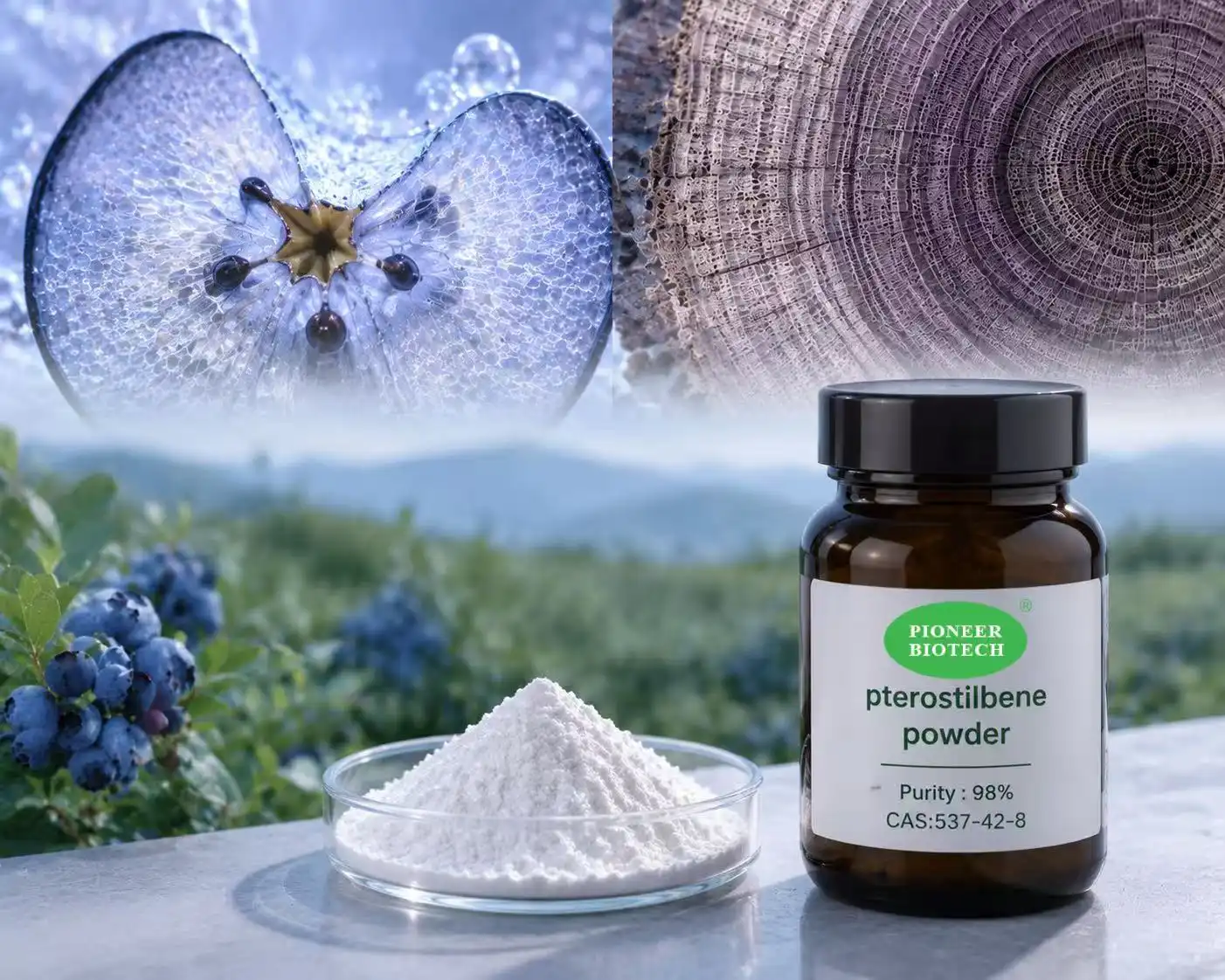
Pterostilbene is a naturally occurring stilbenoid compound that has captured significant attention in the nutraceutical and pharmaceutical sectors. As a dimethylated analog of resveratrol, this white crystalline substance (CAS: 537-42-8) addresses a critical industry challenge: bioavailability. High-purity pterostilbene powder at 98% specification delivers approximately 80% oral bioavailability compared to resveratrol's modest 20%, with a plasma half-life extending to 105 minutes versus just 14 minutes. This molecular advantage translates directly into enhanced therapeutic efficacy for anti-aging, cognitive support, and cardiovascular health formulations, making it an increasingly preferred active ingredient for product development teams worldwide.
Understanding Pterostilbene: Chemical Nature and Health Benefits
The Molecular Structure Behind Superior Performance
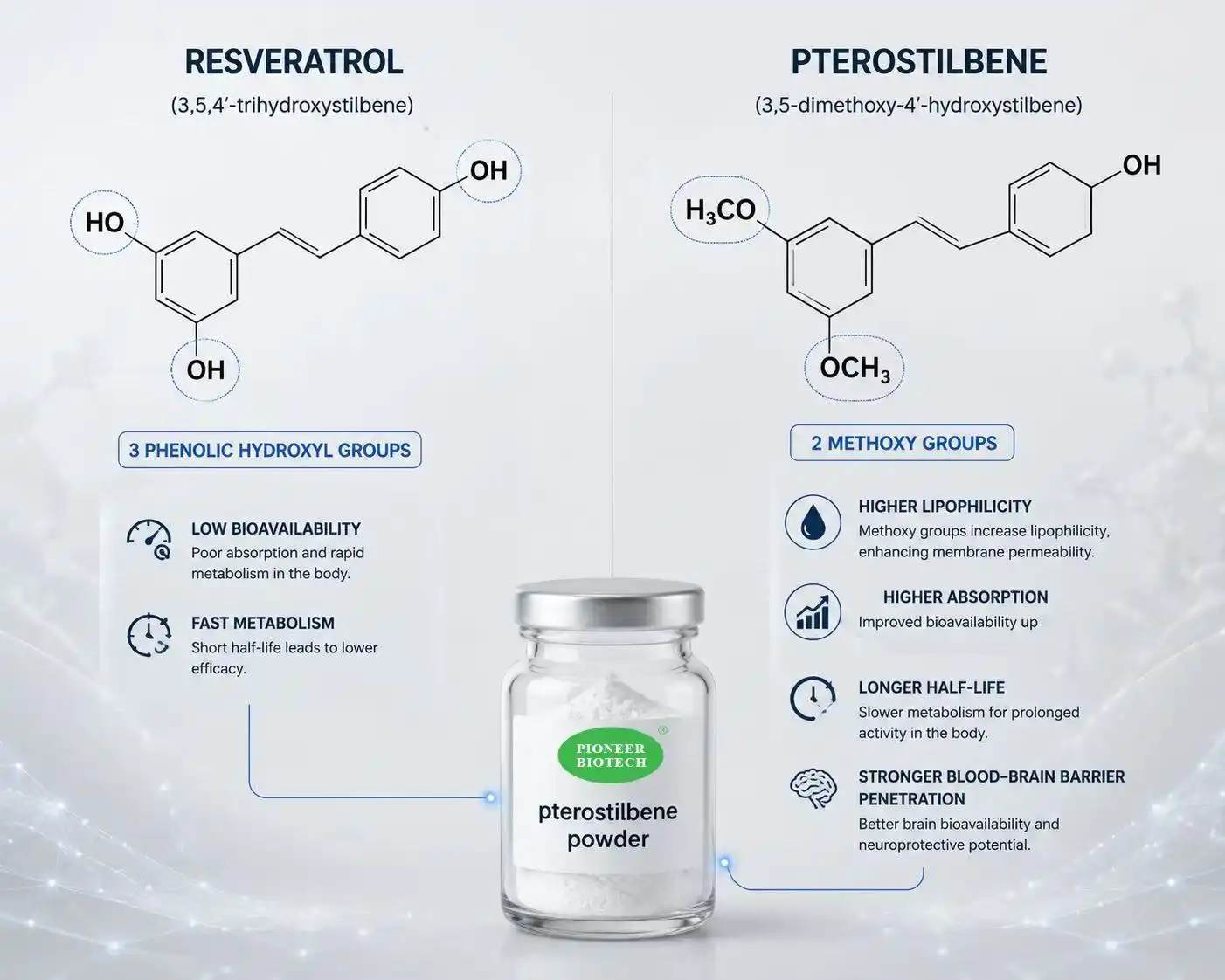
The compound trans-3,5-dimethoxy-4'-hydroxystilbene is fundamentally different from its parent compound because it has two methoxy groups in specific molecular positions. This change to the structure makes the molecule more lipophilic, which makes it much easier for it to pass through cell membranes and the blood-brain barrier. The chemical formula C16H16O3 is more than just a number; it's a way to solve problems with absorption that have been stopping stilbenoid uses for years. This structural advantage becomes a deciding factor in product performance and market differentiation when natural antioxidants are used to make supplements.
Potent Antioxidant and Anti-Inflammatory Properties
This stilbenoid is shown in clinical studies to be a strong free radical scavenger that protects cell structures from oxidative harm. This substance is lipophilic, which means it can easily reach targets inside cells, unlike water-soluble antioxidants that have trouble getting through membranes. Direct neutralization of reactive oxygen species and upregulation of endogenous antioxidant enzyme systems are two parts of the antioxidant mechanism. NF-κB pathway reduction lowers the production of pro-inflammatory cytokines at the cellular level, which changes the level of inflammation. Because it works in two different ways, this ingredient is very useful for anti-aging products because it stops tissue breakdown caused by oxidative stress and chronic inflammation.
Neuroprotective Effects and Cognitive Health Support
This ingredient is one of a kind among plant actives because it can cross the blood-brain barrier. Neurological effects come from a number of different routes, including improving mitochondrial function, stopping the formation of amyloid plaques, and helping neurons survive by increasing BDNF (Brain-Derived Neurotrophic Factor). Studies show that it might help with memory recall, thinking speed, and protecting neurones from losing their strength as we age. This ingredient is appealing to procurement managers who are making nootropics or cognitive health pills because it has been shown to be bioavailable in the brain and stay there for a long time in neural tissues. This means that it can improve the functional results of end-user groups.
Cardiovascular and Metabolic Health Applications
There is evidence that these effects are good for lipid metabolism, as seen in lower cholesterol and higher triglyceride levels with pterostilbene powder. The compound changes glucose homeostasis by making insulin work better and improving how cells take in glucose. Less oxidative stress and better nitric oxide solubility are good for the function of vascular endothelial cells. At clinically relevant doses, which are usually between 50 and 250 milligrams per day in supplement forms, these metabolic effects happen. Cardiovascular health goods that use this nutrient target multiple risk factors at once, giving full metabolic support that appeals to health-conscious consumers looking for preventative nutrition solutions.
Risks and Safety Profile of Pterostilbene Powder
Clinical Safety Data and Observed Tolerability
A good safety profile has been found for normal supplement doses in human clinical studies that lasted for weeks to months. Most of the people who take it don't have any bad affects when they take up to 250 milligrams a day. Mild side effects that have been recorded include headaches and stomach pain that usually go away on their own. No serious side effects have been reported in studies that were done correctly. The substance doesn't interact significantly with any drugs when tested normally, but it might interact with blood sugar medicines, so this needs to be watched. This safety margin gives formulators more options for making different kinds of products while still giving customers confidence that the ingredients are safe.
Dosage Recommendations for B2B Formulations
Dosing plans that work depend on the health benefits you want to achieve and the people you want to reach. Anti-aging and metabolic support products may use 100 to 250 milligrams per serving, while cognitive health products usually have 50 to 100 milligrams. Bioavailability benefits mean that lower doses are needed to achieve therapeutic effects compared to alternatives based on resveratrol. The best dose options are affected by encapsulation technology, the choice of delivery matrix, and the relationships between co-ingredients. Product development teams should test the stability of their products across the suggested dose ranges. They should look at things like how stable the product is at different temperatures during production and how long it will last in different store conditions. Regulatory paperwork should back up the dosage levels that were picked with the right safety ratings.
GMP Compliance and Regulatory Considerations
Good Manufacturing Practice standards make sure that quality and safety are maintained throughout the entire production cycle. Checking the raw materials, keeping an eye on the process parameters, and checking the end product for purity, identity, and the lack of contaminants are all important control points. Full paperwork systems keep track of every batch, from the raw materials used to the end packaging. This makes it possible to fully trace each batch, which is what regulatory bodies need. Certifications from ISO22000, HACCP, and organic guidelines for specific regions (EU-ORGANIC, USDA-ORGANIC) show dedication to quality systems. FDA registration adds another level of trustworthiness to the manufacturing process. To make sure that allergen-free, non-GMO, and clean-label standards are met, procurement professionals should check the status of the supplier's certifications and ask for certificates of analysis for sample batches.
Pterostilbene vs Resveratrol: A Comprehensive Comparison
Chemical Differences and Metabolic Pathways
The main difference is methoxylation, which changes two hydroxyl groups on resveratrol to methoxy groups in this compound. This change, which seems small, has a big effect on pharmacokinetic qualities. Resveratrol is quickly broken down in Phase II by glucuronidation and sulfation, which makes inactive conjugates that are quickly flushed out of the body. By blocking these enzyme steps from happening, methoxy replacement greatly increases metabolic stability. A LogP value of about 3.54 shows that lipophilicity rises a lot, compared to resveratrol's lower value. Because of these chemical qualities, finished goods can get deeper into tissues, have longer biological effects, and need to be dosed less often.
Bioavailability and Clinical Efficacy Advantages
Comparative studies of pharmacokinetics show that systemic exposure is very different with pterostilbene powder. Resveratrol reaches its highest level in the blood within 30 minutes of being taken by mouth, but it quickly drops because it goes through a lot of first-pass metabolism. The dimethylated analogue reaches similar peak levels but stays at therapeutic concentrations for a much longer time, giving it a fourfold advantage in area-under-curve. Because it stays in the blood and tissues for a long time, biological targets are activated over time instead of just being exposed for a short time. This pharmacokinetic superiority is shown by more consistent measurements of antioxidant capacity, markers of sustained SIRT1 activation, and better participant-reported outcomes in cognitive and metabolic health trials. Formulation scientists have more control over dosing plans and can get the biological effects they want with smaller amounts of ingredients.
Market and Procurement Considerations
The supply chains for these stilbenoids are very different from one another. Resveratrol has been on the market for a longer time, so it has more suppliers and a more established production infrastructure. The dimethylated version is a more specialized ingredient that is being used in more high-end products and has fewer approved producers. Different suppliers have different quality requirements, so it's important to do a thorough technical evaluation before choosing a vendor. Procurement choices should be based on certification portfolios, the confirmation of analytical methods, and the ability to manufacture on a large scale. There are also differences in how they are positioned in the market. Resveratrol is found in common supplement categories, while its advanced analogue is aimed at high-end, science-based product lines that stress better absorption and clinical support. In formulation development, this positioning backs value-based pricing strategies over commodity pricing strategies.
How to Source and Buy Pterostilbene Powder for B2B Procurement?
Identifying Qualified Suppliers and Verifying Credentials
Before choosing a supplier, you should do a lot of research on them, including looking into their manufacturing capabilities, quality systems, and compliance with regulations. Established companies that follow GMP guidelines keep their surroundings under control, make sure their processes are safe, and have good systems for keeping records. Ask for specifics about production facilities, such as their square footage, equipment specs, and the quality control lab's abilities. Instead of depending only on certificates given by the supplier, check certifications through the organizations that issued them. Systematic quality methods are shown by ISO9001 quality management, ISO22000 food safety, HACCP key control points, and organic certifications. Facilities that supply the U.S. market must be registered with the FDA to show that they are committed to following the rules. Being open with suppliers about where they get their raw materials, how they make their products, and how they test them builds trust in the long-term success of the relationship.
Critical Purchasing Parameters and Quality Assurance
Different suppliers have different minimum order quantities, but they are usually between one kilogram for test quantities and bigger amounts for business production. Payment terms, wait times, and the ability to handle shipping all affect the total cost of purchase in addition to the price per unit. Technical specs should list levels of purity (usually 98% by HPLC), heavy metals, microbial limits, leftover liquids, and chemical residues. Each batch comes with a certificate of analysis that proves it meets the requirements. Confirmation from a third-party lab gives more confidence for important batches. Information about how stable something is at different temperatures and levels of humidity helps with figuring out how to store it and how long it will last. Different types of packaging, like small foil bags or fiber drums, should be able to handle different types of products and keep their structure while they are being stored and shipped.
International Supply Chain and Logistics Management
When you do global sourcing, you have to think about things like following customs rules, importing laws, and the logistics of transport for pterostilbene powder. Suppliers who have done business internationally before can easily handle the paperwork that is needed, such as commercial bills, certificates of origin, and regulatory compliance statements. Having a local warehouse cuts down on lead times and makes purchasing easier for customers who need to send small packages often. Being able to ship quickly cuts down on production delays when unexpected store needs come up. Online transaction systems make it easier to place orders and make it clear how to track them. Some suppliers offer plant audits to customers who need to see for themselves how the goods are made, which makes quality assurance programs stronger. Giving gift pieces lets people test the recipe before ordering large amounts, which lowers the technical risk of making a new product.
Integrating Pterostilbene Powder Into Your Product Line: Best Practices
Formulation Compatibility and Dosage Form Selection
The white powder format works well with a variety of delivery systems. Capsule recipes work well with both gelatin and vegetarian shell materials and have good flow qualities. To compress a tablet, you need to look at how it compacts and whether you might need to add things to it to make its mechanical features better. Powder mixes for stick packs or bulk packing stay stable as long as they are kept away from water and too much heat. When using a compound in a beverage, you need to think about how well it dissolves in water. If the compound doesn't dissolve well in water alone, encapsulation technologies or co-solvents can help you mix it with liquid. Lipophilicity is used in topical cosmetic formulations to help the ingredient get deeper into the skin. The ingredient is usually mixed into oil phases or liposomal delivery systems to make them more stable.
Synergistic Ingredient Combinations and Application Examples
This stilbenoid is often mixed with other nootropic compounds in products for cognitive health. When paired with nicotinamide riboside or nicotinamide mononucleotide, NAD+ support systems are made that work on pathways for cellular energy production and aging. Coenzyme Q10, alpha-lipoic acid, and vitamin E may all be found together in anti-aging supplement stacks because they work together as antioxidants. Combining metabolic health products with chromium, berberine, or alpha-glucosidase inhibitors that work on various routes to control glucose levels is helpful. Heart-healthy mixes work well with plant sterols, omega-3 fatty acids, and CoQ10. The substance is stable during manufacturing processes, which makes it easier to come up with new formulations. It can handle normal capsule temperatures and keeps its effectiveness even when tablets are compressed. Brands that stress green, non-GMO, and allergen-free marketing like clean-label compatibility.
Stability, Storage, and Quality Maintenance
Keeping ingredients in the right way will keep their strength throughout their shelf life. The best conditions for stability are cool, dry places that are out of direct sunlight. When you seal containers, they keep moisture out and stop oxidative degradation. If you store bulk items in the right way, they should stay effective for at least 24 months after they were made. The stability of the finished product relies on the ingredients used, the packing, and the way it is stored. Accelerated stable studies at high temperatures and humidity levels can predict how long something will last and show possible ways it could go bad. In addition to making sure that ingredients stay stable, quality care also includes controlling microbes to keep things from getting contaminated while they are being handled and processed. Regular testing throughout a product's life cycle makes sure that it continues to meet specifications. Traceability systems connect finished goods to specific lots of ingredients so that problems with quality can be fixed quickly.
Conclusion
As more clinical data comes in, the science and business case for using this advanced stilbenoid in supplements, medicines, and beauty products with natural pterostilbene gets stronger. It is a premium ingredient for brands that want to reach health-conscious customers looking for natural solutions that work because it is highly bioavailable, has a long half-life, and has been shown to have health benefits in cognitive, cardiovascular, and metabolic areas. Formulation decisions can be made with confidence when looking at the safety profile, manufacturing maturity, and regulatory acceptance. If procurement professionals know the technical differences between this compound and its structural relatives, they can make better sourcing decisions that improve product performance and meet quality, regulatory, and business goals.
FAQ
Is pterostilbene safe for long-term supplementation?
Clinical proof from months of continued use shows that standard supplement doses up to 250 milligrams per day are safe and well tolerated. People who took part in well-designed studies say they had few side effects, and no major safety worries have been found. According to regulatory reviews, it is generally known to be safe when used correctly. This safety profile continues to be supported by long-term safety tracking in commercial goods across a wide range of populations.
How does potency compare with resveratrol, and is the higher cost justified?
The dimethylated structure is about four times more bioavailable than resveratrol, which means that smaller amounts have the same or better effects on the body. A longer plasma half-life means that the drug stays in the tissue for a longer time instead of just briefly being there. These pharmacokinetic benefits lead to better clinical effectiveness, which has been shown in a number of health endpoints. Even though the cost per kilogram of the ingredient is higher than that of resveratrol, the needed dose decrease and better performance often lead to the same or better cost-effectiveness at the finished product level. This is especially true for premium versions where market positioning is based on how well they work.
What certifications should B2B buyers prioritize when purchasing bulk quantities?
GMP certification proves that quality systems and process standards are in place for production. ISO9001 shows that there is a complete system for managing quality. Systematic danger analysis is used in both ISO22000 and HACCP to ensure food safety. Organic certifications, like EU-ORGANIC and USDA-ORGANIC, make sure that standards for growing and handling are met for natural placement. Certifications like KOSHER and HALAL make markets more open. FDA filing shows that the U.S. is committed to following the rules. Specifications can be checked with certificates of analysis for each batch. Validation testing by a third party adds an extra layer of quality assurance. Having a lot of paperwork to back up these certifications helps people make confident buying choices and makes it easier to send finished goods to regulatory bodies.
Partner With Pioneer Biotech for Premium Pterostilbene Powder Supply
Shaanxi Pioneer Biotech Co., Ltd. is ready to help you with your formulation projects by providing pharmaceutical-grade stilbenoid ingredients and supporting them with strong quality systems and quick technical support. Our pterostilbene powder is 98% pure and meets strict requirements, which are confirmed by HPLC analysis. It is made in GMP-compliant facilities that are certified as ISO9001, ISO22000, HACCP, KOSHER, HALAL, EU-ORGANIC, and USDA-ORGANIC. We keep ready-to-ship goods in carefully placed warehouses so that they can be sent quickly to your production sites. We have been a seller of pterostilbene powder since 2012, and our minimum order numbers are flexible enough to meet the needs of both research and development samples and large-scale production. We also offer technical advice from formulation experts with a lot of experience. You can talk to our team at sales@pioneerbiotech.com about your specific needs, ask for certificates of analysis, or set up free samples for testing. You can look at our full line of botanical extracts at pioneerbioinc.com.
References
1. Kapetanovic IM, Muzzio M, Huang Z, Thompson TN, McCormick DL. Pharmacokinetics, oral bioavailability, and metabolic profile of resveratrol and its dimethylether analog, pterostilbene, in rats. Cancer Chemotherapy and Pharmacology. 2011;68(3):593-601.
2. McCormack D, McFadden D. A review of pterostilbene antioxidant activity and disease modification. Oxidative Medicine and Cellular Longevity. 2013;2013:575482.
3. Remsberg CM, Yáñez JA, Ohgami Y, Vega-Villa KR, Rimando AM, Davies NM. Pharmacometrics of pterostilbene: preclinical pharmacokinetics and metabolism, anticancer, antiinflammatory, antioxidant, and analgesic activity. Phytotherapy Research. 2008;22(2):169-179.
4. Riche DM, McEwen CL, Riche KD, Sherman JJ, Wofford MR, Deschamp D, Griswold M. Analysis of safety from a human clinical trial with pterostilbene. Journal of Toxicology. 2013;2013:463595.
5. Azzolini M, La Spada M, Mattarei A, Paradisi C, Zoratti M, Biasutto L. Pharmacology of pterostilbene: metabolic transformations and biological activity. Current Drug Metabolism. 2016;17(4):386-396.
6. Estrela JM, Ortega A, Mena S, Sirerol JA, Obrador E. Pterostilbene: biomedical applications and mechanisms of action. Critical Reviews in Clinical Laboratory Sciences. 2013;50(3):65-78.