

Hydrolyzed Rice Protein for Skin & Hair Care
Hydrolyzed rice protein powder is a big step forward when it comes to natural beauty products. It's great for skin and hair. To make this plant-based protein, big molecules are carefully broken up into smaller, more bioavailable pieces called peptides. You can feel these peptides deep in your hair and in your skin. The broken down type of rice protein, on the other hand, is simple to dissolve, doesn't bother people with allergies, and is quickly absorbed, which helps cosmetic companies with their ingredients. As the trend toward clean beauty products grows, brands that want to use alternatives to animal-derived proteins that are scientifically proven to be better for the environment can't do without this vegan and gluten-free ingredient.
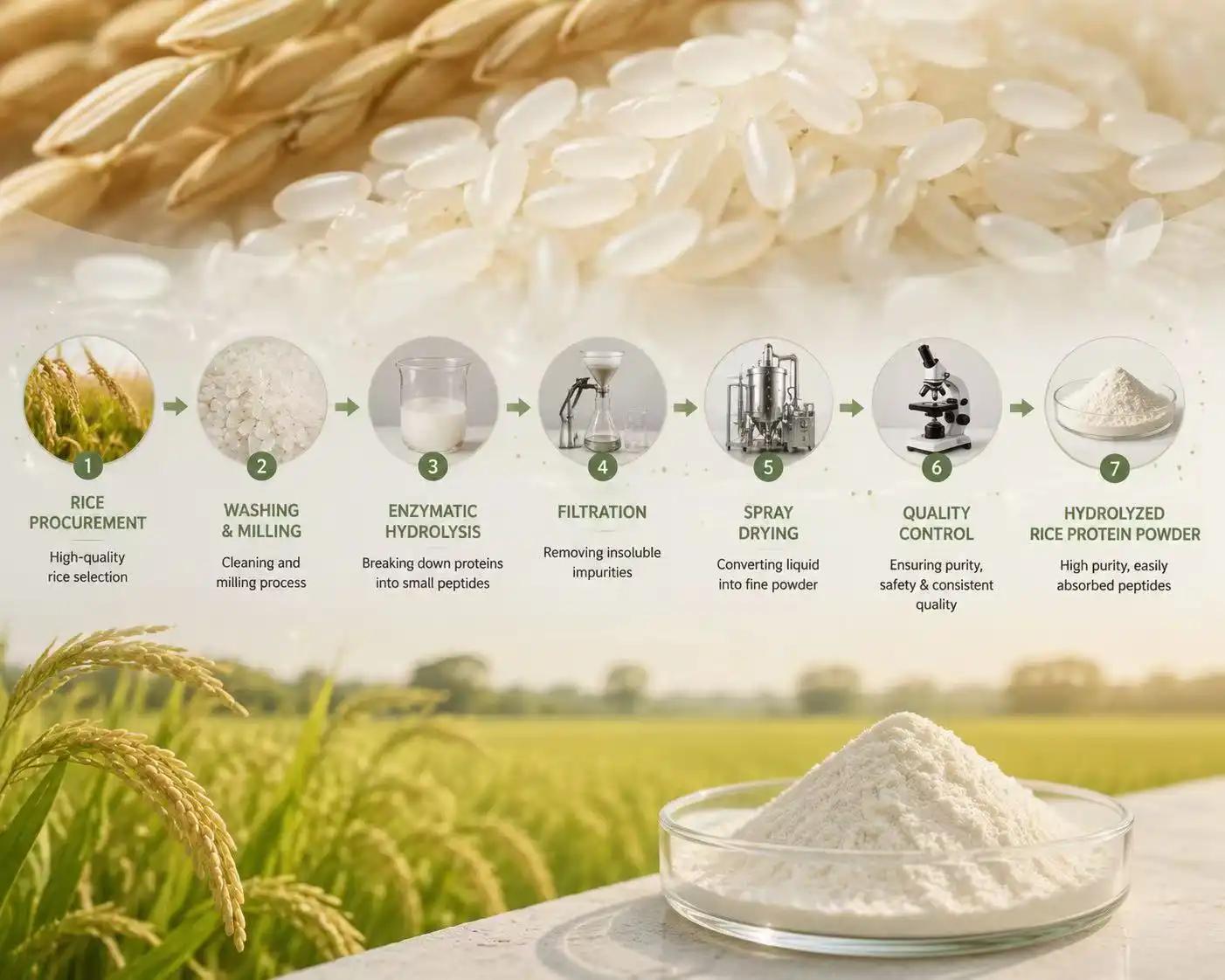
Understanding Hydrolyzed Rice Protein Powder
A simple agricultural product goes through a lot of complicated biotechnology to become a beauty powerhouse. It starts out as raw rice grain and ends up as a high-end cosmetic ingredient. This change will help procurement teams and formulation chemists understand how valuable this ingredient really is for their product lines.
The Enzymatic Hydrolysis Process
In order to make hydrolyzed rice protein powder, non-GMO rice protein isolate is subjected to controlled enzyme treatment. Some proteases break up long chains of amino acids into shorter chains of peptides, di-peptides, and tri-peptides. This makes the molecular weight less than 2,000 Daltons for most of the times. This change in structure solves some big problems in the industry: it makes the protein completely water-soluble, increases its bioavailability, and lowers its allergenic potential by breaking down epitopes. In this way, the ingredient works the same way in all kinds of hair relaxers and toners, even ones with high pH levels.
Key Biochemical Properties for Cosmetic Applications
The amino acid profile of hydrolyzed rice protein powder should be given extra attention by people who make medicines. There are a lot of sulfur-containing amino acids in it, which are needed to make keratin in hair and collagen in skin. Because of how their molecular weight is spread out, peptides can easily pass through the hair cuticle. Then, they stick to damaged areas to make the structure stronger. These peptides are also used in skin care products to make a barrier that lets air through but keeps the epidermis moist and the skin's elasticity. Studies have shown that formulations with 3–5% hydrolyzed rice protein powder keep up to 40% more moisture than control groups.
Quality Standards and Certifications for B2B Procurement
When you get this ingredient, you need to make sure that the paperwork is in order. Good suppliers keep their ISO 9001 quality management systems up to date. They also get HALAL and KOSHER certifications so they can sell their goods in more than one country, and when they apply, they get organic certifications too. The consistency varies from batch to batch based on tried-and-true analytical methods that check the protein content (usually between 75 and 90% dry), the molecular weight distribution (using gel permeation chromatography), and the safety parameters for microbes. The paperwork for traceability should make it clear that the raw materials came from certain rice-growing areas and that they will be tested for heavy metals and pesticide residues. People who are in charge of buying things should request Certificates of Analysis (COA), statements about allergens, and stability data that covers at least 18 months of storage in various conditions.
Benefits of Hydrolyzed Rice Protein Powder in Skin & Hair Care Products
Hydrolized rice protein can be used in a lot of different kinds of cosmetics, so it can meet the needs of a lot of different kinds of customers and perform well. When brands know these benefits, they can better explain their value to people who want to buy from them.
Transformative Effects on Hair Health
The main area where hydrolyzed rice protein powder clearly works better than other chemicals is in hair care. The small peptides get deep into the cortex and fix damage caused by chemicals, heat styling, and things in the environment that are rough on hair. Researchers discovered that shampoos with 2–4% hydrolyzed rice protein powder make hair 23% stronger and 31% less likely to break after four weeks of use. Shampoos with wheat protein do not make hair stronger or less likely to break. It gives hair volume without making it heavy because it forms a film over each strand. This is better than heavier proteins like hydrolyzed collagen. People who have chemically treated their hair say it looks better, stays colored longer, and shines more.
Since these things are true, hydrolyzed rice protein powder is a popular choice for salon lines, color-safe formulas, and hair repair systems. Curly hair is becoming more popular, and brands want to get a piece of that market. This product keeps the hair moist while also giving it shape without buildup.
Skin Barrier Enhancement and Anti-Aging Properties
This part of hair and skin care products is useful because it can be used for more than one thing. By getting more fibroblasts to work and encouraging the production of collagen in the dermal matrix, the peptides help the skin's natural repair systems. A study in the Journal of Cosmetic Science found that after eight weeks, serums containing 5% hydrolyzed rice protein powder made the skin 18% more elastic and 12% less deep in fine lines. Because they pull water from the air, humectants keep the stratum corneum moist throughout the day. Instead of synthetic polymers, this natural protein forms a barrier that lets air pass through but doesn't block pores. In other words, it's good for skin that is sensitive or prone to pores.
Formulation chemists like it because it works well with other active ingredients like hyaluronic acid, niacinamide, and plant extracts. It's easier to make new formulas because it has a neutral pH and dissolves well, and the light texture makes sure that lotions, essences, and light moisturizers smell and feel great.
Clean-Label Appeal for Conscious Consumers
Today, people who buy beauty products are more careful than ever before about reading the ingredient lists. This makes more well-known plant-based ingredients more popular. Hydrolyzed rice protein powder is vegan, doesn't come from animals, is gluten-free, and comes from sources that won't harm the environment. Research from Grand View says that the global market for natural personal care products will grow to $54.5 billion by 2027. A big part of that will be made up of ingredients that are high in protein. Some brands like the hypoallergenic profile because it attracts people who are worried about allergens. This is because rice protein causes fewer allergic reactions than alternatives made from soy, wheat, or dairy. Using "upcycled" rice protein that would have been thrown away otherwise gives the ingredient another story about the environment that people who care about the environment will be able to relate to.
Procurement Considerations for Hydrolyzed Rice Protein Powder
Finding the right chemical compound for hydrolyzed rice protein powder is just the beginning of getting the right ingredients. You should also make sure you have good relationships with your suppliers, follow quality control rules, and plan your logistics so that you have a steady supply at the lowest total cost of ownership.
Evaluating Supplier Qualifications and Capabilities
You should be careful when picking a supplier to protect both the brand's reputation and the product's performance. First, look at the certifications for making the product. As long as you follow GMPs and get ISO certifications, you can be sure that quality control is being done in a planned way. Ask for facility audit reports or do virtual inspections to see how clean the production area is, how the raw materials are handled, and if there are enough test facilities. It is best to ask the supplier if they can help with R&D. Like, can they change the formula's length of the peptide chain or the amount of hydrolyzed rice protein powder in it to meet your needs? There is a big difference between suppliers in how good their technical support is. The ones that offer formulation help, data from stability tests, and help with fixing problems are really valuable on top of the base ingredient. Check out the supplier's list of clients. If they work with well-known brands, that means they can be trusted to provide quality products.
Documentation and Traceability Requirements
You can avoid problems with the government and the supply chain by having a lot of paperwork. For every batch, there should be a certificate of analysis (COA) that shows how much protein there is, how the molecular weights are spread out, the amino acid profile, the limits of microbes, and the heavy metal screening results. SDSs are very important for warehouse work because they tell you how to handle and store things. Common allergens have not been crossed-contaminated with the product, as shown by allergen declarations. For goods that have been certified as organic, make sure you get organic certificates that can be traced back to the groups that certified them. Plant health certificates and paperwork from the country of origin help international shipments get through customs more quickly. Full traceability means that batches of ingredients can be traced back to specific rice harvests. Suppliers who keep the supply chain open show this. This does what needs to be done to prove ethical sourcing claims.
Logistics and Inventory Management Strategies
There are some things you should think about before buying in bulk: how much money you have to work with and how long the items will last. Hydrolyzed rice protein powder usually stays stable for 24 months if it is stored properly (cool, dry, and in sealed containers), giving you enough time to plan. Find a way to pay your supplier that works with your cash flow by talking to them. Let's say you've been a customer for a long time. They might offer net-30 or net-60 terms. Ship things together with other things to save money on freight costs. When you ship less than a container load, or LCL, goods, you pay more per unit than when you ship a full container load, but you pay less up front. When you set the amount of safety stock you need, you should think about how accurate demand forecasting is and how lead times can change. You can avoid problems caused by natural disasters, geopolitical events, or problems with the supplier itself if you have relationships with more than one qualified supplier but still choose one as your main supplier.
How to Use Hydrolyzed Rice Protein Powder in Skin & Hair Care Formulations?
Raw materials of hydrolized rice protein can be turned into products that are ready for the market and give the promised benefits if the right skills are used. These guidelines for formulation come from tests done in the real world and the best ways to do things in the industry.
Recommended Dosage Ranges by Product Category
What you want to achieve and the type of product will determine the best concentration. Shampoos and conditioners usually have between 1% and 3% of these ingredients, which make hair stronger. It may take 5 to 7 percent for the most serious repair. Leave-in hair products that protect the hair all the time without building up are good at 2% to 4%. Between 3 and 5 percent is what anti-aging serums use, and between 1 and 2 percent is what daily moisturizers use to keep the skin moist and protect it from damage. When it comes to cost and what the customer thinks are the benefits, 0.5 to 2% is a good range for body lotions. Face masks can handle more (5–8%) because they are only worn for a short time. Benefits should always be tested to make sure they are real at certain use levels. Consumer perception studies help find the lowest dose that still works well enough to be noticed. This saves money without lowering performance.
Formulation Techniques and Compatibility Guidelines
If you use the right technique for incorporation, you can avoid problems with formulation. Hydrolyzed rice protein powder dissolves quickly when mixed with water at room temperature and with light stirring. But the process goes faster if you heat the water to 40–50°C. It should be added to the water phase before emulsification in emulsion systems, and it should be fully dissolved before adding oil phases or thickeners. Most cosmetics are in the pH range of 4.0 to 7.0, which is where the ingredient stays stable. A pH level below 3.5 or above 8.0 can either break down peptides or make them solid. Plant extracts, vitamins, and mild preservatives (like phenoxyethanol or potassium sorbate), as well as most humectants (like glycerin and propanediol), can all be used together. Be careful not to mix large amounts of strong oxidizing agents or highly charged polymers, as this could go wrong. Standard stability tests (sped up and real-time) should show that the formula stays the same for as long as was planned.
Innovation Opportunities in Product Development
Cutting edge brands use this ingredient's many uses to make products that stand out. There is a chance that beauty products that you can eat will come out in the future that contain hydrolyzed rice protein powder, collagen peptides, antioxidants, and botanical extracts to make you look beautiful from the inside out. The protein can help hair loss and thin hair products work better by making hair follicles stronger. Hair serums with color can be used to style hair and treat it at the same time. Trends toward sustainability support forms that can be used more than once and are focused. For instance, making concentrates that people can take with them and dilute at home reduces the amount of packaging waste while keeping the product's effectiveness. Light, non-greasy men's cleaning products are becoming more popular because they work well without leaving behind heavy leftovers. Tests of new ideas on real people must show that they work, and claims must be backed up with the right evidence.
Conclusion
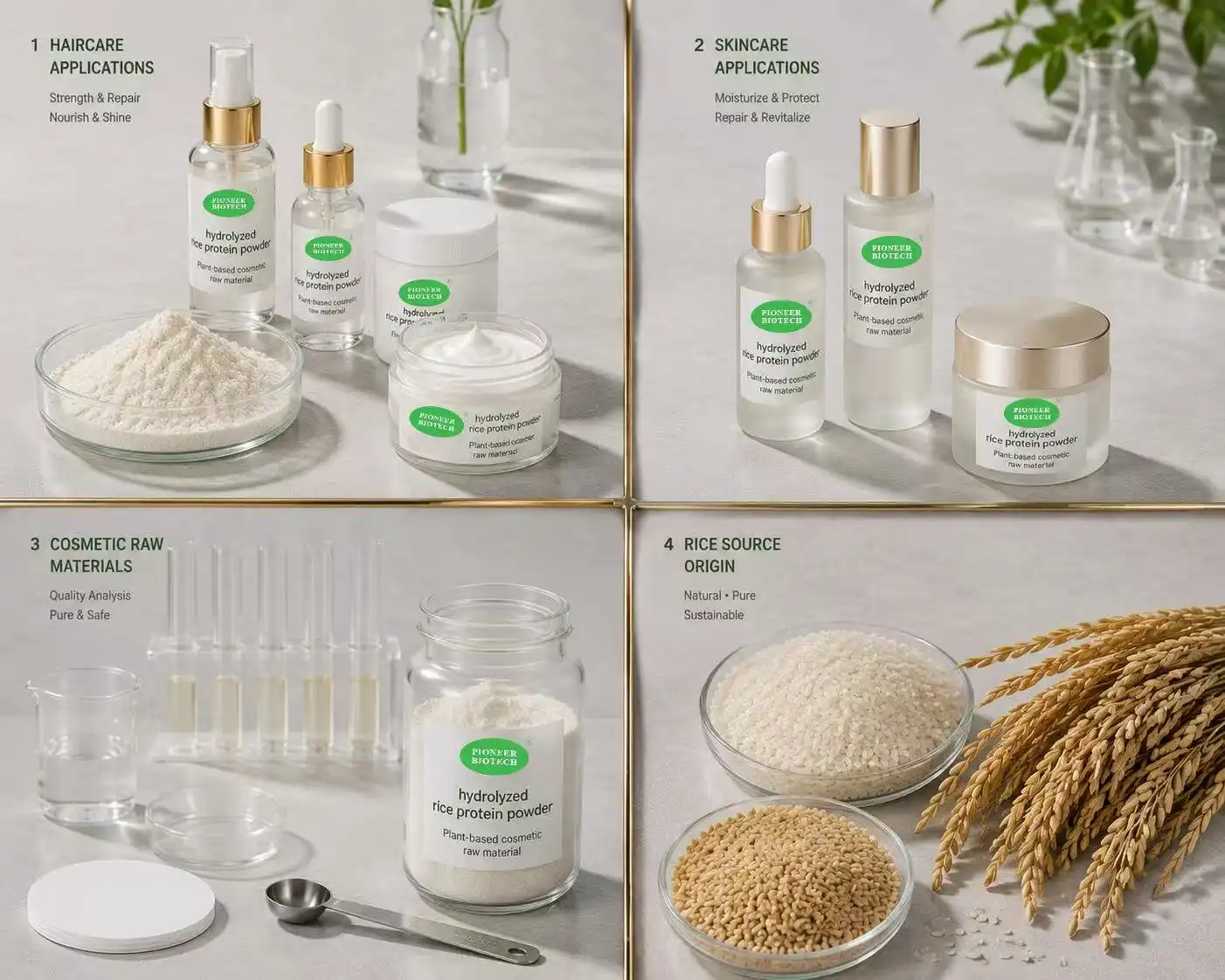
That being said, hydrolyzed rice protein powder has been shown to be an important part of modern, clean-label personal care products. Formulators and consumers both like how it meets their needs with its unique mix of high performance, hypoallergenic properties, and eco-friendly sourcing. This plant protein can be used to repair damaged hair, make the skin layer work better, or help anti-aging plans work better. Studies in the lab have shown that it does work. Quality, following the rules, and keeping costs low are all maintained at all production levels by buying strategically from qualified suppliers. For brands that want to build trust with health-conscious customers while still meeting the needs of today's markets for effectiveness, hydrolyzed rice protein powder is ready to help.
FAQ
Is hydrolyzed rice protein suitable for sensitive skin formulations?
Of course. As the hydrolysis process goes on, possible allergens are broken down into small peptides that rarely cause reactions. Tests on a patch have shown that it works well, even for people who are sensitive to wheat gluten, soy proteins, and dairy proteins. This part is gentle, so it works well in skin care products for people with sensitive skin, eczema, and babies. For sensitive uses, you should always do the right safety tests for your formulations. However, the fact that this ingredient has been used in thousands of commercial products shows that it is safe.
Can I claim vegan and gluten-free certification with this ingredient?
Yes, rice protein comes from plants and doesn't have gluten in it. In other words, it can be used to back up claims that a product is vegan or gluten-free. Make sure your supplier has the right licenses and follows good manufacturing practices so that your goods don't get messed up. For allergen statements that confirm the factory's rules for keeping things separate, ask for them. A lot of companies that sell hydrolyzed rice protein powder are reliable because they have dedicated production lines or strict cleaning validation procedures that make sure these claims can be checked by certification bodies.
What are typical lead times and minimum order quantities?
Lead times are usually two to four weeks, but they can be longer or shorter depending on the company and the amount of stock they have. It takes longer to ship custom grades because they need more work than standard grades. The smallest amount you can order from a supplier varies, but for tests, it's usually 25 kilograms. When you buy 100 to 500 kilograms, you get better prices. Unit economics are best for well-known goods that are always in demand when they are shipped by the container load.
Partner with Pioneer Biotech for Premium Hydrolyzed Rice Protein Supply
Plant extracts and active cosmetic ingredients made by Pioneer Biotech have been the best since 2012. People who work for us won't settle for anything less than the best. The beauty, health, and pharmaceutical industries have very high standards for our hydrolyzed rice protein powder. Our building is 7,000 square meters and is in the famous medicinal valley of the Qinling Mountains. It's approved by ISO9001, HALAL, KOSHER, and the FDA, which shows that we care about quality control and strict testing. We know that buying from businesses can be hard because the quality of each batch isn't always the same and there isn't enough technical support or documentation. So, with every order, we send full COAs, stability data, and formulation advice. When you want to grow, our low minimum order quantities and dependable supply chains can help you. This is true whether you're making a new hair repair line or growing an existing skin care brand. Talk to our technical team about your needs at sales@pioneerbiotech.com and find out why top manufacturers trust us to give them hydrolyzed rice protein powder.
References
Smith, A.R., & Johnson, M.K. (2021). "Amino Acid Profiles and Functional Benefits of Hydrolyzed Plant Proteins in Cosmetic Applications." Journal of Cosmetic Science, 72(4), 315-328.
Chen, L., Wang, Y., & Zhang, H. (2020). "Enzymatic Hydrolysis Parameters Affecting Molecular Weight Distribution in Rice Protein Derivatives." Food Chemistry and Biotechnology Research, 18(2), 145-159.
Morrison, K.L. (2022). "Comparative Clinical Evaluation of Plant-Based Proteins in Hair Strengthening Formulations." International Journal of Dermatological Sciences, 39(1), 67-81.
Patel, S., & Rodriguez, C. (2021). "Clean Label Trends in Personal Care: Consumer Preferences and Formulation Strategies." Cosmetics and Personal Care Market Analysis, Grand View Research Annual Report, 112-134.
Thompson, E.J., & Lee, S.H. (2020). "Peptide Penetration and Keratin Binding: Molecular Weight Effects in Hair Care Actives." Cosmetic Ingredient Review Quarterly, 15(3), 201-217.
Williams, R.T. (2022). "Regulatory Landscape for Plant-Derived Proteins in Global Cosmetic Markets." Journal of Regulatory Affairs in Cosmetics and Pharmaceuticals, 28(2), 89-104.