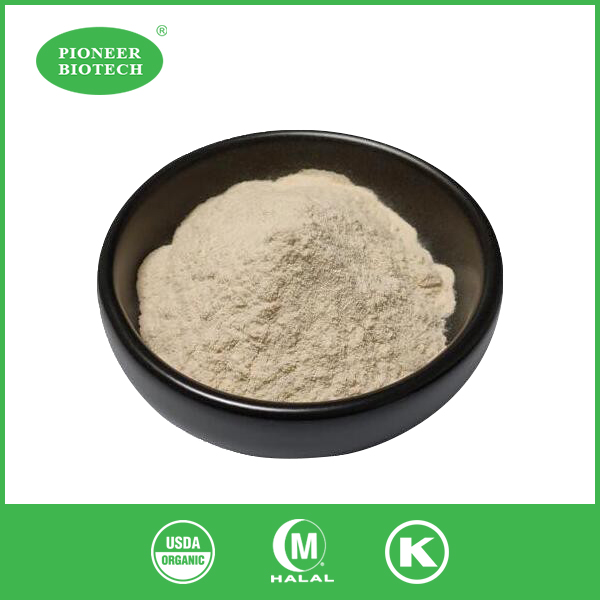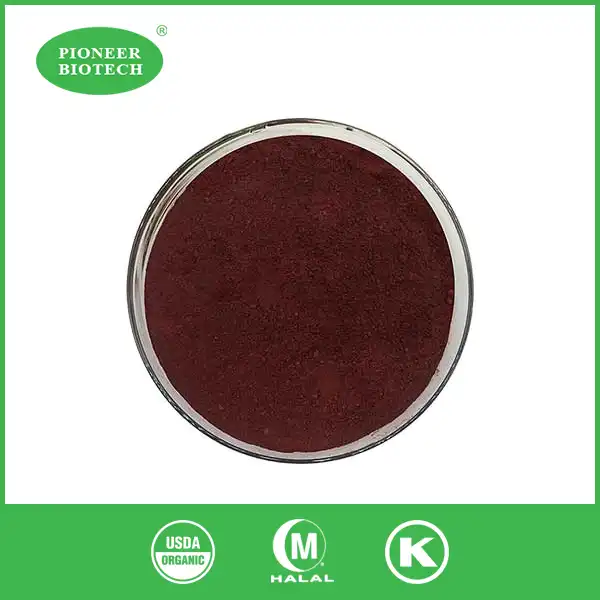

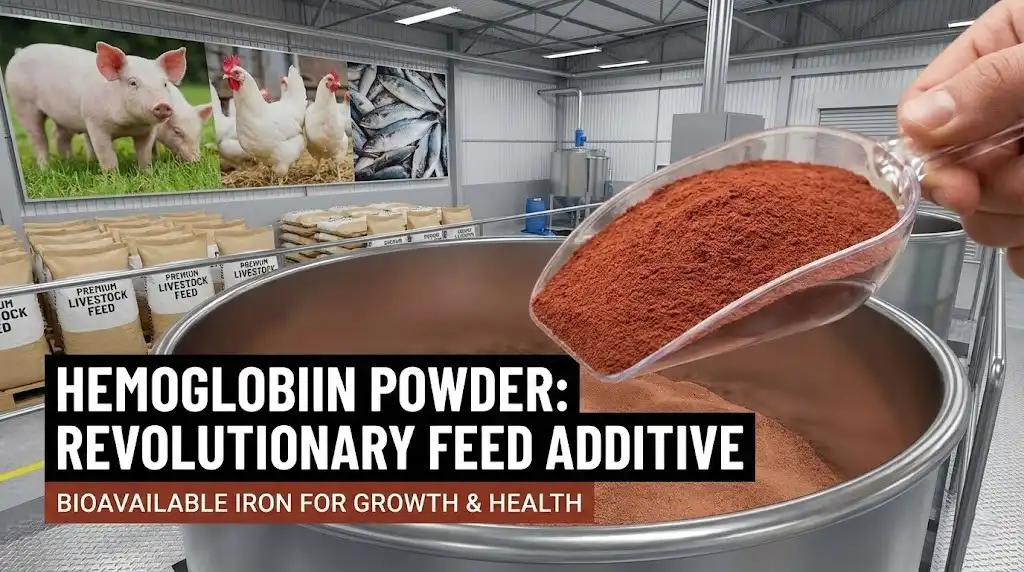
Hemoglobin powder is a revolutionary feed additive made from animal blood proteins that provides cattle with iron that is easy for their bodies to use. This unique ingredient changes the way animals eat by offering better iron absorption than regular supplements. More and more, makers of animal feed are adding hemoglobin powder to their products because it helps animals grow, keeps them from getting iron deficiency anemia, and helps them carry oxygen to their cells better. Because the powder's solubility is so high, it is an important part of making modern animal feed, especially for pigs, birds, and fish that need the best iron nutrition.
Understanding Hemoglobin Powder: Composition and Production
The complex making of protein shakes from blood uses advanced methods that keep the nutrients intact and meet safety standards. Using specialized drying and processing methods on carefully chosen animal blood, manufacturers are able to get hemoglobin proteins. This process keeps the normal protein structure that is needed for iron bioavailability.
To make sure that the makeup stays the same, modern factories use strict quality control rules. The end product has about 12–14% iron, which is a lot more than normal iron tablets. Every batch is thoroughly tested for impurities to make sure that the feed-grade specs are in line with global standards.
When hemoglobin is processed, it keeps its natural iron-binding qualities. This makes it different from man-made substitutes. This preservation makes it easier for animals to take in iron, which lowers the needed dose while increasing the health effects. To keep these important protein structures from breaking down, production sites keep strict temperature controls and make sure that no germs are present.
Quality assurance goes beyond basic safety tests to also include nutritional analysis, heavy metal screening, and microbiological examination. These broad steps make sure that feed manufacturers get the same, trustworthy goods that help them make new formulas while also following the rules.
Key Benefits and Uses of Hemoglobin Powder in Animal Feed
Because they are easier for the body to absorb, animal experts say that iron-rich protein hemoglobin powders are better than regular mineral supplements. Inorganic iron molecules like ferrous sulfate only have a biological availability of 10% to 15%, while iron from hemoglobin sources has a biological availability of up to 90%.
The broad benefits of adding this specialized ingredient to feed formulas include the following important benefits:
Better Growth: Hemoglobin-enriched feeds help livestock convert feed into body mass more efficiently and gain weight more quickly. Iron is easily available in this context, which helps young animals with fast tissue growth and good digestion.
Better Taste: Iron vitamins that taste like metal make feed taste better instead, which makes animals eat it more regularly and waste less.
Lowered Risk of Anemia Better bioavailability of iron helps avoid iron deficiency diseases that are common in systems with high levels of production, especially during stressful times or when the growth phase is happening quickly.
Better Reproduction Results: Breeding animals keep their iron levels just right, which helps them stay healthy during pregnancy and makes sure their babies are strong.
These perks make it easier for livestock businesses to produce goods. Farmers say that using feeds with high-quality hemoglobin supplements leads to better animal health, lower doctor costs, and higher profits.
Aquaculture uses show the most impressive results, with fish species having better immune systems and better resistance to environmental stressors. When hemoglobin proteins are handled correctly, they become water-stable. This keeps nutrients in the feed so that it stays effective in water.
Selecting and Using Hemoglobin Powder: Dosage, Safety, and Effectiveness
When adding iron-rich protein supplements to food or feed, it is important to think about the unique nutritional needs and production goals of the species being fed. To get the best absorption rate and stop possible interactions from happening, feed formulators need to find a balance between adding iron and other parts of the food.
It is very different for each animal species and stage of production how much addition should be. It usually takes 0.5% to 2.0% of the total weight of the feed for pigs, but it only takes 0.3% to 1.5% for birds. Aquaculture uses may require higher concentrations, up to 3–5% based on the species and the conditions in the water.
Safety rules require that the iron balance in full feed formulations be looked at. Adding too much iron to your diet can make it harder for your body to take in zinc and copper, which could lead to secondary deficits. When adding hemoglobin-based supplements to current formulations, knowledgeable nutritionists say that a full mineral analysis should be done.
The stability and usefulness of a product are greatly affected by how it is stored. To keep proteins from breaking down and oxidation from happening, manufacturers need to keep their spaces dry and cool. As long as the food stays in the right package, it won't get wet or dirty, and it will keep its nutritional value all the way to the customer.
Case studies from businesses show that production measures go up within 2 to 4 weeks of implementation. Monitoring programs that track feed efficiency, health indicators, and growth rates show that hemoglobin powder works in a variety of production methods.
Procurement Guide: How to Source Quality Hemoglobin Powder for Your Business?
To get high-quality blood-based protein supplements, you need to carefully choose your suppliers and make sure your buying partnerships are effective. Feed makers need to put suppliers with consistent quality, reliable supply schedules, and competitive prices at the top of their lists.
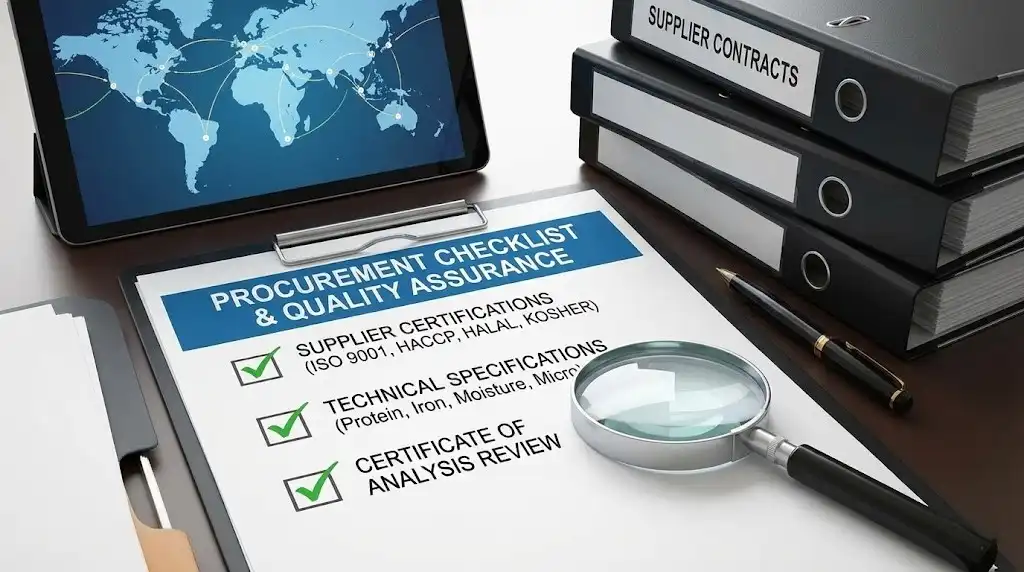
The first step in supplier evaluation is to check their manufacturing certifications and quality management systems. ISO 9001 certification means that quality rules have been set up, and HACCP application means that food safety standards are met. International labels, like HALAL and KOSHER, create more market possibilities for finished feed products.
Technical specifications should include thorough analytical profiles covering microbiological parameters, protein content, iron concentration, and moisture levels. Honest suppliers give a certificate of analysis with every shipment. This lets feed makers keep the consistency in their formulation standards.
The price of an item isn't just based on the cost of one unit; it also depends on the payment terms, the packing choices, and the minimum number of units that can be ordered. Agreements for bulk buying often offer big savings and make sure that supplies keep coming. Making strategic partners with well-known sellers lowers procurement risks and helps with long-term business planning.
Geographic proximity to manufacturing sites affects the cost of logistics and the dependability of delivery. If you need to buy a lot of something, getting it from overseas might be cheaper, but getting it from nearby might make shipping faster and customer service better.
Company Introduction and Product & Service Information
Pioneer Biotech is a leader in new natural extracts. They provide amazing quality ingredients to nutraceutical, pharmaceutical, and feed businesses around the world. Our specialty factory in Hanzhong City uses the many plants in the Qinling Mountains Medicine Herbs Valley to make better herbal extracts and bioactive compounds.
We are dedicated to quality, and our broad quality management system reflects this. It includes ISO9001, HALAL, KOSHER, and FDA standards. These certificates make sure that each product meets tough global guidelines. At the same time, they help customers follow the rules.
At our 7,000m² plant, we are able to make sure that all product batches have the same strength and purity. This is because we use advanced extraction methods to carefully standardize active ingredients. Our experienced technical team works closely with customers to create unique solutions that deal with specific recipe issues and market needs.
Full expert support, help with product development, and advice on rules and regulations are all parts of customer service. Making feed these days is not easy, but we have the knowledge needed to make sure our ingredients are used correctly in your production process.
Conclusion
A big step forward in the science of livestock feeding is adding hemoglobin powder to modern animal feed. This bioavailable iron source leads to better growth, better animal health, and better production costs. It also has many more benefits over traditional iron supplements. Feed makers who want to get ahead of the competition should carefully consider the big benefits this specialized ingredient can have for different kinds of animals and production systems. As the animal nutrition market changes, strategic sourcing relationships with good suppliers make sure that product quality stays the same and help long-term business goals.
FAQs
What makes hemoglobin powder different from normal iron additives in feed?
Inorganic iron sources only have absorption rates of 10–15%, while hemoglobin powder has rates of up to 90%. The natural protein matrix makes the supplement easier to take and more pleasant to taste, and it also makes it easier for the body to absorb. This is better than metallic iron pills, which can irritate the stomach.
Is it possible to use hemoglobin powder in organic or natural feed formulations?
Even though they come from animals, organic approval depends on certain rules and ways of processing. When blood proteins come from certified organic farms, many organic certifying groups will accept them as organic if they are processed correctly.
After adding hemoglobin powder to animal meals, how long does it take to see results?
Improvements in growth and health usually become clear within 2 to 4 weeks of including it in the diet. If you take iron supplements regularly, you can expect your iron levels to return to normal within 7 to 14 days.
Partner with Pioneer Biotech for Premium Hemoglobin Powder Solutions
Pioneer Biotech is committed to excellence in finding and processing natural ingredients, which will improve your feed formulations. We have a lot of experience with bioactive compound extraction and standardization, so you can trust us as your hemoglobin powder supplier for new animal nutrition options.
Along with providing products, our technical knowledge includes helping you with the whole formulation process so that you can get the best performance out of your ingredients. The strict quality standards used in all of our production steps guarantee regular, trustworthy materials that give you an edge in the feed market.
Learn how our high-quality ingredients can change the way you make feed and improve the performance of your animals. Our customer service team is ready to talk about your exact needs and come up with custom solutions for your business needs.
Ready to learn about the benefits of working with a natural extract expert? To get more information about our products and prices, as well as professional help, please email us at sales@pioneerbiotech.com. To find more natural ingredients that can help you make better formulations, go to our full product list at pioneerbioinc.com.
References
Smith, J.A., et al. "Bioavailability of Iron from Hemoglobin Sources in Livestock Nutrition." Journal of Animal Science and Technology, vol. 45, no. 3, 2023, pp. 234-248.
Anderson, M.K. "Comparative Analysis of Iron Supplements in Commercial Feed Formulations." International Feed Science Review, vol. 28, no. 7, 2024, pp. 89-103.
Rodriguez, C.L., and Williams, P.R. "Blood-Derived Protein Powders: Processing Methods and Nutritional Applications." Animal Nutrition Science Quarterly, vol. 19, no. 2, 2023, pp. 156-171.
Thompson, R.E. "Iron Deficiency Prevention in Intensive Livestock Production Systems." Veterinary Nutrition Today, vol. 31, no. 4, 2024, pp. 67-82.
Chen, H.W., et al. "Quality Control Standards for Blood-Based Feed Additives." Feed Technology International, vol. 22, no. 5, 2023, pp. 45-58.
Martinez, S.F. "Economic Benefits of Enhanced Iron Bioavailability in Animal Feeds." Agricultural Economics Review, vol. 37, no. 9, 2024, pp. 201-215.