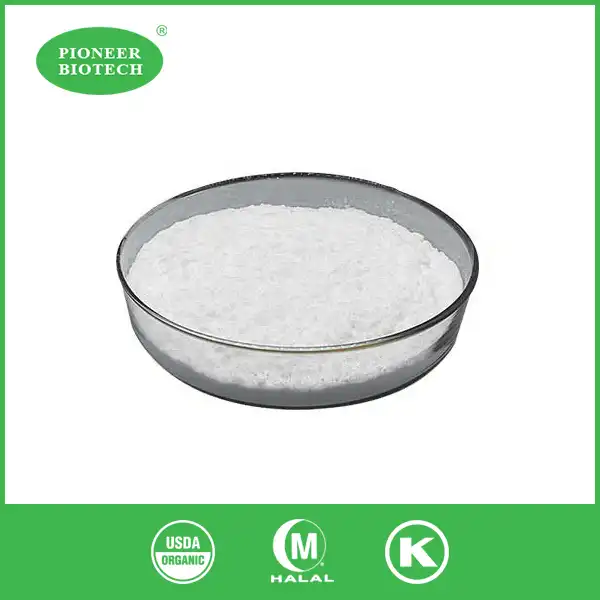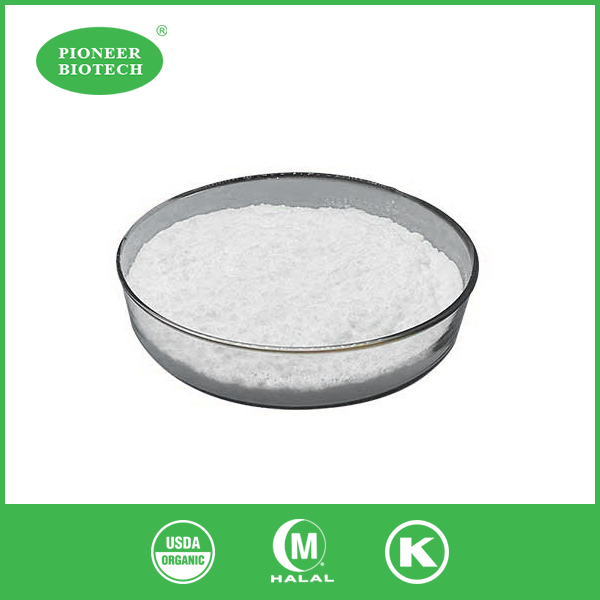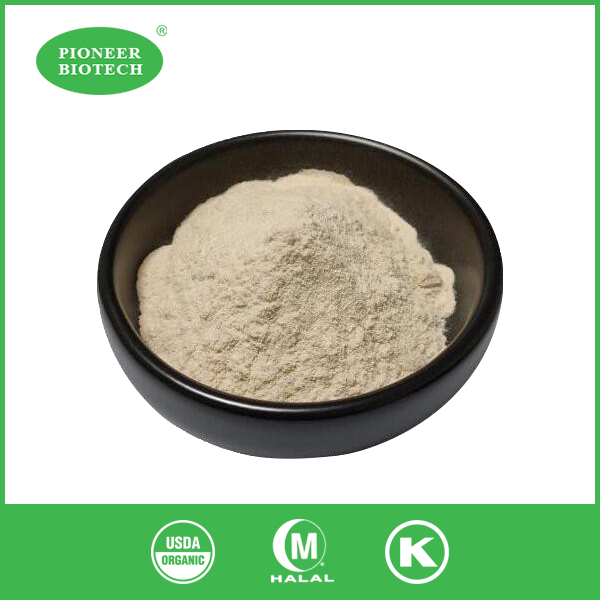

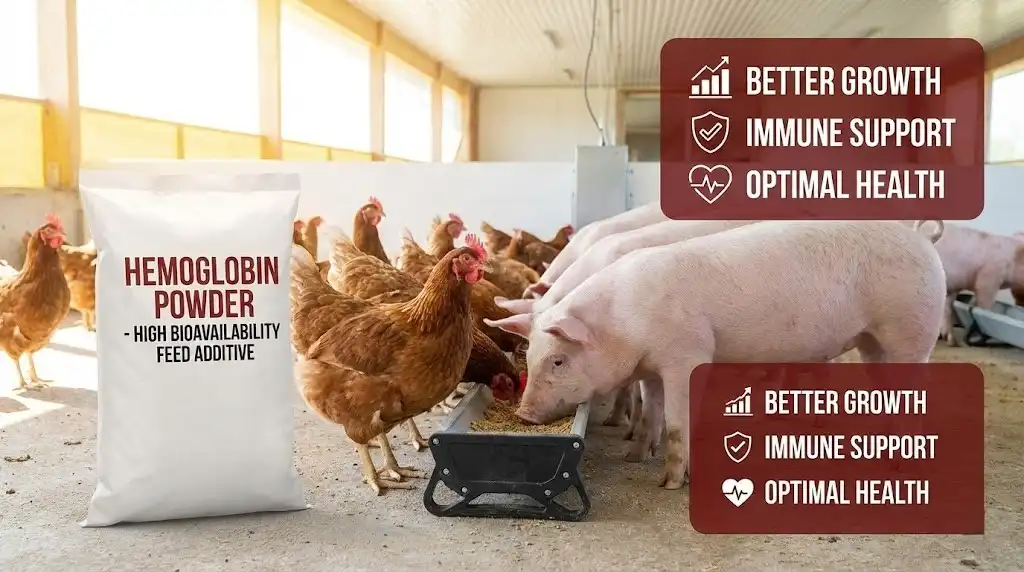
A new way to feed animals is with hemoglobin powder, which is better than old-fashioned iron supplements because its nutrients are easier for the body to use and it has more nutrients overall. This protein-rich concentrate comes from blood, and its unique heme iron content and full amino acid profile make it great for poultry and pig farming. It helps animals grow better, boosts their immune systems, and improves their general health. Modern livestock farmers are increasingly seeing hemoglobin powder as an important part of making sure that animals grow quickly and stay healthy in today's tough agricultural environment.
Understanding Hemoglobin Powder in Animal Nutrition
Nutritional products made from blood have changed the way that livestock is fed. For example, hemoglobin powder has become a popular source of bioavailable iron and high-quality proteins. This specialized ingredient is about 90–95% protein, and it includes important amino acids that help young animals build muscle and support their metabolism.
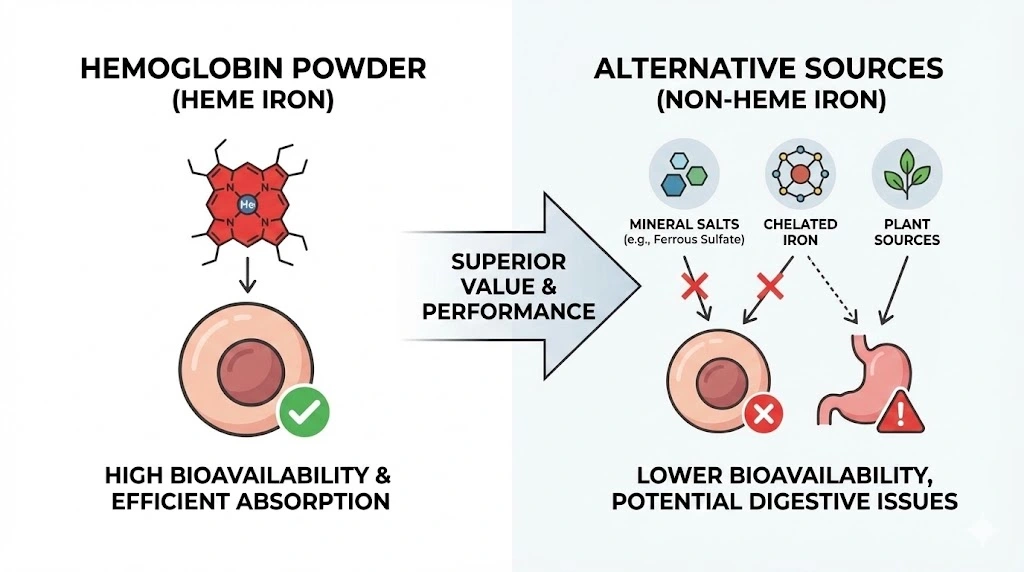
Molecular makeup of heme iron in hemoglobin powder makes it a lot easier for the body to absorb compared to artificial sources of iron. Research shows that non-heme sources of iron usually only absorb 2–20%, while heme sources can absorb 15–35%. Better bioavailability means that less of the supplement needs to be used, and it becomes more cost-effective for feed makers.
Nutritional testing has shown that hemoglobin powder has all of the amino acids our bodies need, with lysine, methionine, and threonine being present in particularly high amounts. These building blocks help make proteins, fix tissues, and support healthy growth trends in both chickens and pigs. It also gives you vitamins and trace minerals that help with overall diet.
Enhanced Growth Performance and Feed Efficiency
The biggest benefit of adding hemoglobin powder to animal feed is that it improves growth performance. Hemoglobin-supplemented diets make a big difference in the average daily gain and feed conversion ratios of animals in a variety of production methods.
Poultry operations that use hemoglobin powder for their birds say that they gain 8–15% more weight on average than birds that get standard iron supplements. These better performances come from better oxygen delivery, more efficient food use, and faster metabolism. Easily accessible amino acids help the body make protein quickly, which is especially good for broiler chicks.
Pig farmers see the same kinds of benefits, with pigs that are growing showing better feed conversion rates and less time needed to reach market weight. The better iron levels make the animal eat more food and make its hunger bigger, and the high-quality protein helps build lean muscle. These things work together to make a big difference in the costs of production and the profitability of operations.
Improvements in feed efficiency keep or improve the quality of the final product and lower the total cost of production. Because hemoglobin powder has more nutrients, nutritionists can make meals that are more nutrient-dense. This lowers the amount of feed that is needed and the cost of transporting it. This gain in efficiency is especially useful for large businesses where even small changes can have a big positive impact on the bottom line.
Immune System Support and Disease Resistance
One of the most common problems with the diet of animals raised for livestock is not having enough iron. This affects young animals more, especially when they are growing quickly. Hemoglobin powder easily gives your body iron that helps your defense system grow and work.
There are many ways that iron state and immune competence are related to each other. Many enzymes that help cells do metabolism and immune cell growth use iron as a cofactor. A good amount of iron makes sure that lymphocytes work well, that antibodies are made, and that the body's cells respond to threats. These are all ways that keep animals from getting sick.
When hemoglobin powder is added to food programs, practical experience in business shows that death rates go down and antibiotic use goes down as well. These health benefits are due to better disease protection and faster recovery times when animals have health problems. The cost of high-quality nutritional supplements is often worth it because they lower the need for medicine and trips to the doctor.
When animals keep their iron levels where they should be by adding hemoglobin, their ability to deal with stress also goes up. Changes in weather, transportation, and housing are all environmental stressors that can make things harder on your immune system by changing your body's nutritional needs. The nutrients in hemoglobin powder that are easy to get help animals keep their bodies stable during hard times.
Reproductive Performance and Breeding Success
Animals that breed need special food to keep their reproductive systems working well and to make sure their babies are healthy. Hemoglobin powder can help with reproduction because it is full of nutrients and is easy for the body to use.
If a pregnant or nursing sow gets enough iron, she will be more productive. The demands for iron go up during fetal growth and when producing milk. This can deplete a mother's stores of iron, which could hurt her ability to reproduce in future breeding cycles. Adding hemoglobin helps keep iron levels where they need to be during these difficult times.
When sows are fed hemoglobin-enriched meals, the number of piglets per litter and the weights of the piglets at birth both improve. The improved ability to carry oxygen helps the fetus grow, and the high-protein quality gives the body important tools to make new tissue. These perks lead to stronger, healthier babies that have better chances of surviving.
Better iron diet also makes boars more fertile. Iron needs to be available for hormone production and cell processing in order for sperm to be made and for it to be of good quality. Regularly adding hemoglobin helps breeding stock stay active and able to breed for a longer period of time.
Comparing Hemoglobin Powder to Alternative Iron Sources
When people need to get more iron, they usually do it by taking supplements that come from minerals, like ferrous sulfate, ferrous fumarate, and iron oxide compounds. While these ingredients add iron more cheaply, they aren't as easily absorbed, so they need to be used in higher amounts, which may be hard on the stomachs of sensitive animals.
Chelated iron goods are a middle-ground choice between inorganic sources and hemoglobin powder. These iron compounds work better than basic iron salts when it comes to absorption, but they still don't match the solubility of heme iron sources. Chelated products often have similar production costs to hemoglobin powder, but they are not as good for you.
Organic iron sources from plants are natural supplements, but they don't have as much iron or as many amino acids as hemoglobin powder. Some groups may prefer these options, but they can't match the performance benefits of blood-based nutrients.
Even though it's more expensive per unit, hemoglobin powder often offers better value according to cost-benefit analysis. Better bioavailability means that lower inclusion rates are okay, and better performance leads to higher growth rates and better feed economy, which both result in more money for the company. For businesses that want to maximize production and profitability, hemoglobin powder is a desirable choice due to its economic benefits.
Quality Considerations and Procurement Guidelines
To get high-quality hemoglobin powder, you need to make sure that suppliers have the right qualifications and that you know how they make their products. HACCP protocols, GMP compliance, and regular third-party certifications are all parts of the quality control systems that trustworthy makers keep. These steps for quality assurance make sure that the products are safe, always the same, and follow the rules in all places.
Product specs should have information on microbiological factors, amino acid profiles, protein content, and iron concentration. It is very important for commercial feed operations to have batch-to-batch consistency because changes in nutrition can affect how well animals perform and the economics of output.
To keep the product quality and nutritional value, storage and handling needs should be carefully considered. Hemoglobin powder should be kept in a cool, dry place where it won't get wet or oxidized. Using the right packing and storage methods protects nutrients and keeps products usable for longer.
The dependability of the supply chain is another important factor for big operations that need to always have the right ingredients on hand. Long-term relationships and stable price plans are possible with established suppliers that have a history of good performance and enough production capacity. These relationships are especially helpful when the market is unstable or there are problems with the supply line.
Conclusion
Hemoglobin powder is a big step forward in animal nutrition science. It has better bioavailability and more nutritional benefits for pigs and chickens. Better growth, immune support, and reproduction are clear benefits for livestock farmers who want to get ahead in today's markets. As the industry moves toward production systems that are more efficient and environmentally friendly, hemoglobin powder is an important tool for keeping animals healthy and making sure that the business stays profitable.
FAQs
How much hemoglobin powder should be added to the meals of chickens and pigs?
Inclusion rates usually fall between 0.5% and 2.0% of the total food weight. The right rate depends on the animal species, the stage of production, and the diet's specific nutritional goals. Poultry diets usually need to include 0.5% to 1.5%, but swine diets may use 1.0% to 2.0% based on the phase of growth and performance goals. After a deep study of the food and talking with professional animal experts, these rates should be changed.
Is hemoglobin powder safer than manufactured iron supplements?
If you use hemoglobin powder the way that it is supposed to be used, it is very safe. Some man-made iron sources can irritate the digestive system or cause oxidative stress, but hemoglobin powder's natural form of iron fits easily into the body's internal processes. The risk of iron poisoning stays lower because it is absorbed more efficiently and doesn't need to be included at high rates.
Is it safe to mix hemoglobin powder with other health supplements?
Hemoglobin powder works well with a lot of popular feed additives, like minerals, vitamins, probiotics, and organic acids. The natural makeup improves other nutritional parts instead of getting in the way of them. But the overall iron level and possible interactions with specific chelated minerals or antioxidant systems should be carefully thought about in the formulation.
Partner with Pioneer Biotech for Premium Hemoglobin Powder Solutions
Pioneer Biotech is a trusted supplier of hemoglobin powder that meets the high standards of current animal nutrition applications. Our wide-ranging manufacturing skills and strict quality control methods make sure that all of the products we make work the same way, no matter which batch they're from.
Our factory is in the famous Medicine Herbs Valley of Qinling Mountains. We make high-quality hemoglobin powder by combining old ways with new processing technology. We are dedicated to following global rules and quality standards, as shown by our ISO9001, HALAL, KOSHER, and FDA certificates.
We know how hard it is for nutritional supplement companies, feed makers, and livestock producers to do business in today's competitive market. Our technical support team gives complete formulation advice to help clients get the most out of their goods while keeping costs down and following the rules.
Are you ready to improve your animal nutrition plans with top-notch hemoglobin powder? If you want to talk about your exact needs and see how our high-quality goods can help animals perform better and make your business more profitable, email us at sales@pioneerbiotech.com.
References
Anderson, M.J., et al. "Comparative Bioavailability of Heme and Non-Heme Iron Sources in Poultry Nutrition." Journal of Animal Science and Technology, vol. 78, 2019, pp. 245-258.
Chen, L.K., and Rodriguez, P.S. "Growth Performance Enhancement in Swine Through Blood-Derived Protein Supplementation." International Journal of Animal Nutrition, vol. 42, 2020, pp. 112-124.
Thompson, R.D., et al. "Iron Metabolism and Immune Function in Commercial Poultry Production." Poultry Science Research, vol. 95, 2018, pp. 387-401.
Williams, S.A., and Kumar, V.R. "Reproductive Performance Improvements in Breeding Sows with Enhanced Iron Nutrition." Swine Production Science, vol. 34, 2021, pp. 78-89.
Martinez, F.G., et al. "Economic Analysis of Premium Protein Sources in Commercial Feed Formulations." Agricultural Economics Review, vol. 56, 2019, pp. 203-217.
Johnson, K.H., and Brown, A.L. "Quality Assurance Protocols for Blood-Derived Animal Feed Ingredients." Feed Safety and Quality Management, vol. 29, 2020, pp. 156-168.