
Turkesterone Powder Manufacturing Process Explained
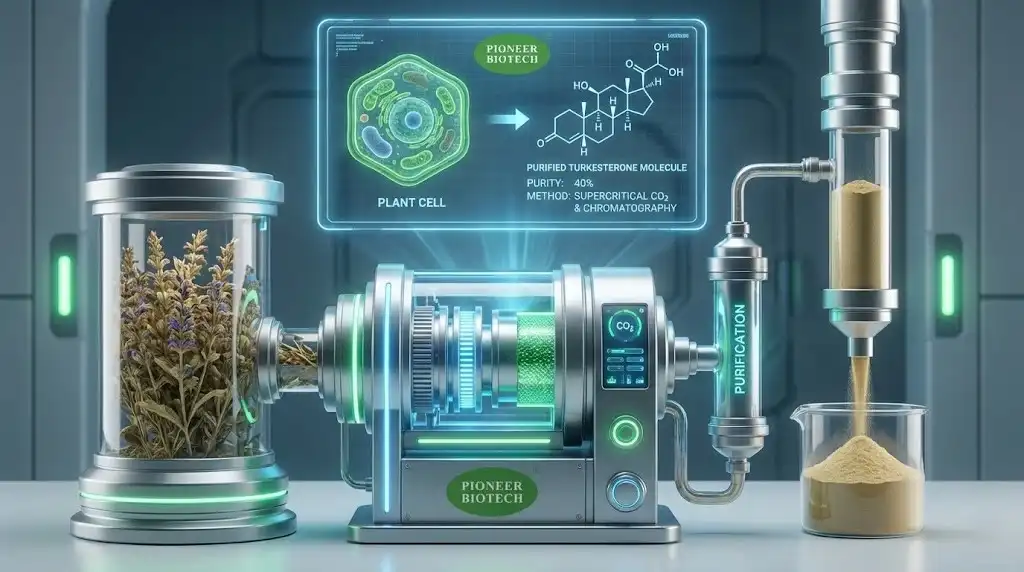
In order to create high-quality bioactive molecules from botanical materials, turkesterone powder is produced using advanced extraction and purification methods. As an ecdysteroid that comes from Ajuga turkestanica and Rhaponticum carthamoides, turkesterone powder needs to be made according to exact steps so that it can be measured at levels ranging from 10% to 40% purity. Modern factories use cutting edge methods like supercritical CO2 extraction, chromatographic purification, and controlled drying processes to make turkesterone powder that is of pharmaceutical grade and meets strict quality standards for use in nutraceutical, pharmaceutical, and functional food products.
Understanding Turkesterone Powder and Its Industrial Significance
Turkesterone powder is a new bioactive ecdysteroid that has gotten a lot of attention in a lot of different fields because of its unique chemical structure and proven effectiveness ratings. This naturally occurring substance, which is mostly taken from the Ajuga turkestanica and Rhaponticum carthamoides plants, has amazing anabolic qualities without the androgenic side effects that are common with synthetic alternatives.
Chemical Profile and Market Applications
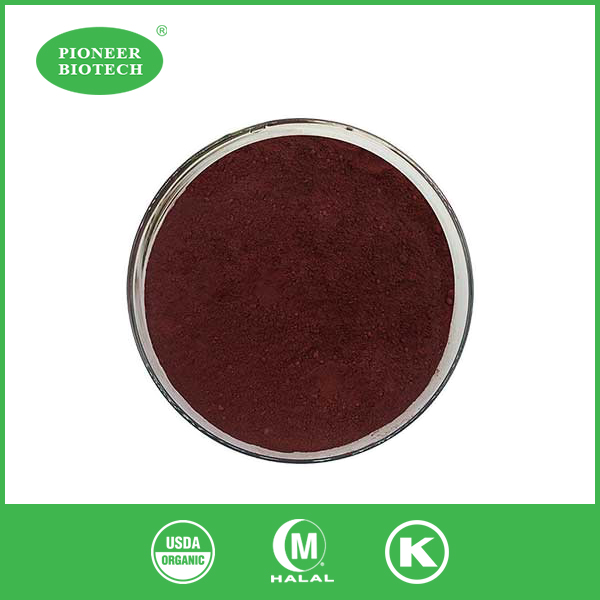
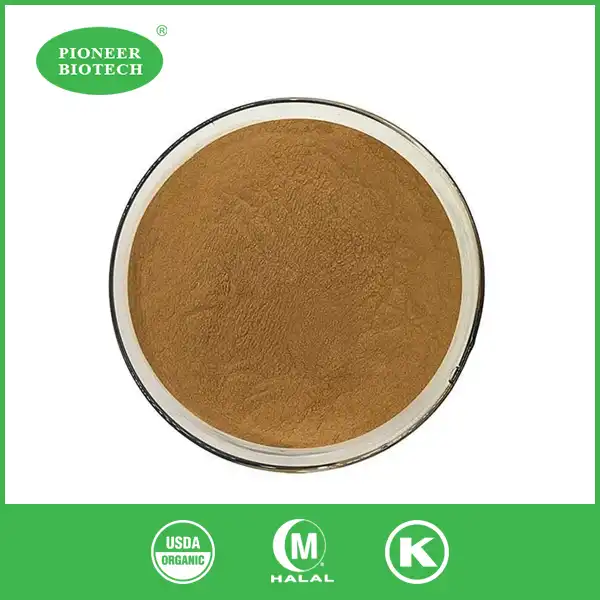
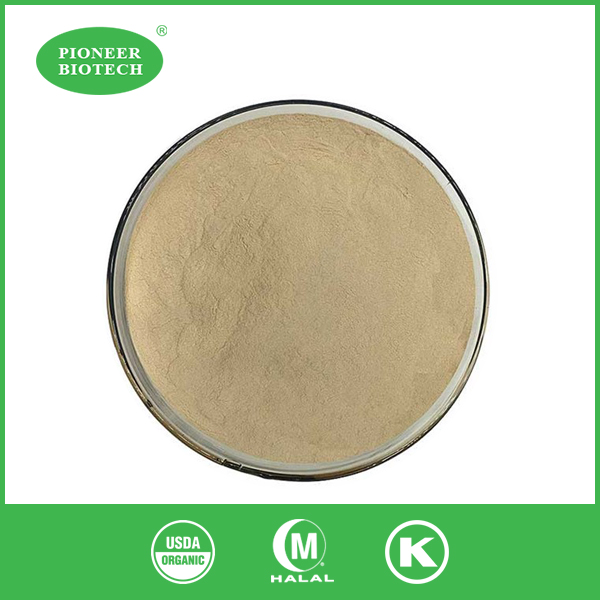
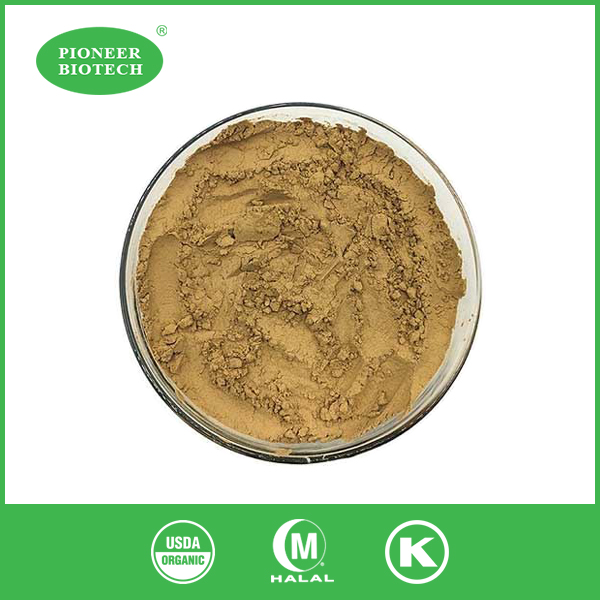
The substance has unique physical properties that make it very useful in industry. A good turkesterone powder looks like a fine, light brown to yellow powder, and the amounts of standards are usually checked with HPLC analysis. When comparing fake goods using UV ways to measure "Total Ecdysteroids," real turkesterone powder stays within certain concentration ranges that guarantee consistent bioactivity.
Nutraceutical markets have seen a huge rise in demand, and product development heads are looking for natural performance boosters that are legal. Pharmaceutical companies use its unique 11α-hydroxyl group structure, which makes it different from regular ecdysterone and makes metabolic stability in mammals much better. The beauty industry sees it as a possible ingredient for anti-aging goods, and functional food companies use it to make healthy drinks and other products.
Strategic Procurement Considerations
When buying workers look at a supplier's skills and a product's authenticity, they need to know how it's made. The market is rising, which is both good and bad because buyers have to figure out the difference between real high-purity extracts and fake ones. Knowing how things are made helps you make smart choices about which suppliers to use, how to make sure the quality of the products you make, and how to make sure you're following all the rules.
The Turkesterone Powder Manufacturing Process - Step-by-Step
Premium turkesterone powder must be produced under strict control, starting with the selection of raw materials and continuing through complex extraction, processing, and standardization steps. Each step in the manufacturing process affects how well, steadily, and legally the end product works.
Raw Material Selection and Preparation
The process of making it starts with carefully choosing the organic sources, mostly Ajuga turkestanica plants that are picked at the best times of the year, when ecdysteroid levels are highest. To make sure that the phytochemical profiles of all harvesting batches are the same, quality makers use strict source inspection procedures. The first steps in handling raw materials are to clean, dry, and grind them until the particles are all the same size. This makes the extraction process more efficient.
As part of the preparation process, the moisture content is checked and kept below certain levels to keep the food from breaking down while it is being stored and processed. Controlled environment storage systems in advanced facilities keep raw materials safe from light and changes in temperature, keeping the purity of bioactive compounds throughout the manufacturing process.
Advanced Extraction Technologies
Modern methods of extraction have a big effect on the quality of the end product and the efficiency of the yield. Compared to traditional solvent-based methods, supercritical CO2 extraction is the best way to make quality turkesterone powder because it allows for more selective extraction. This method works with temperature and pressure that are carefully managed, which lets only the desired compounds be extracted while reducing the extraction of unwanted materials at the same time.
Other ways to remove include methods that use ethanol, but they need extra steps of cleaning to get rid of any leftover solvents. In the extraction process, there are usually more than one turn to get the highest yield while keeping the product stable. During this process, controlling the temperature is very important because too much heat can damage sensitive ecdysteroid structures and make them less bioactive.
Purification and Standardization Protocols
After being extracted, raw materials go through complex cleaning methods to get them to levels of purity suitable for pharmaceutical use. Chromatographic separation methods, such as column chromatography and preparative HPLC, make it possible to separate turkesterone molecules from other parts of plants. These methods make sure that impurities are taken out while concentrating active chemicals to the level of standards that is needed.
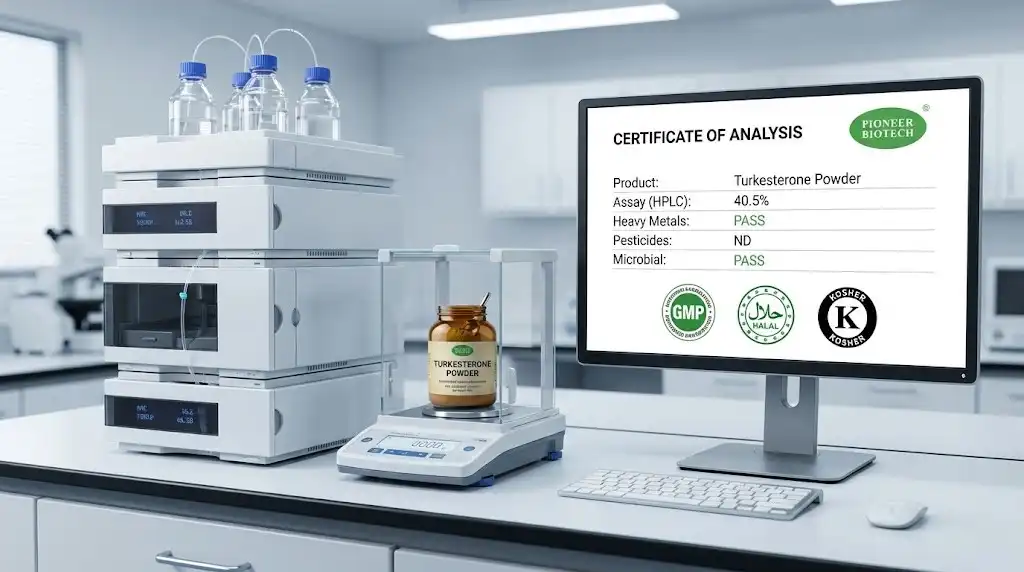
HPLC research is used in standardization methods to confirm exact turkesterone concentrations, usually meeting purity standards of 10%, 20%, or 40%. As part of quality control, mass spectrometry proof, moisture content analysis, and microbiological tests are used to make sure the safety and stability of the product. In pharmaceutical uses, higher purity grades are worth more, so the stage of purification often sets the end price and positioning of the product on the market.
Comparison of Manufacturing Processes and Supplier Differentiation
By looking at various ways of making things, buying teams can figure out what suppliers can do and choose partners who can meet their quality standards and practical goals. The ways that different providers make their products are very different, which affects the quality of the products, their impact on the environment, and the prices they charge.
Extraction Method Comparisons
Organic solvents, such as ethanol and methanol, are used in traditional solvent extraction methods to break down target chemicals in plant materials. Even though these methods are cheap, they come with problems like dealing with liquid residues, thinking about how they might affect the environment, and the chance of contaminating the final product. Usually, traditional methods have lower yield and need a lot of steps for cleaning, which adds to the time and cost of operations.
Supercritical CO2 extraction has many benefits, such as handling without solvents, better selection, and less damage to the environment. With this technology, you can precisely control the factors of the extraction process, which leads to purer extracts with fewer processing steps. The method makes cleaner goods that don't leave behind any organic solvents, so they meet strict standards for medicinal and food-grade use.
Supplier Certification and Quality Systems
Some of the best makers set themselves apart by having a wide range of certificates, such as GMP compliance, ISO quality management systems, and organic certifications. These qualifications show that the seller is committed to quality control and following the rules, which gives procurement teams trust in the supplier's reliability. Advanced sellers keep thorough paperwork systems that meet traceability standards and get ready for audits.
Another thing that sets suppliers apart is their manufacturing capacity. They have to show that they can meet growing needs while keeping quality standards uniform. Contract manufacturers really like it when providers offer flexible minimum order quantities and quick formulation help for private label uses.
Customization and Private Label Capabilities
Progressive providers offer more than just basic ingredient supplies. They also offer customization services, such as creating new concentrations, changing particle sizes, and coming up with unique ways to package their products. These skills help nutrition and pharmaceutical clients differentiate their brands and place themselves better in the market. Technical support, help with regulatory paperwork, and sharing market information are all common parts of private label deals.
Ensuring Safety, Efficacy, and Compliance in Turkesterone Powder Procurement
For responsible turkesterone powder purchase, safety proof and regulatory compliance are essential, especially in light of the global market's growing regulatory oversight. Comprehensive safety assessment procedures help the market accept new products while protecting both producers and end users.
Scientific Safety Profile and Dosage Guidelines
When used within the recommended dose range, research shows that pure turkesterone powder has a positive safety rating. Unlike androgenic chemicals, turkesterone does not change the amounts of hormones in the blood. This means that it is legal in most places where natural products are regulated. Dosing amounts that provide effectiveness benefits without adverse responses have been supported by clinical research. However, each person's tolerance may be different depending on their personal traits and any other supplements they are taking at the same time.
Comprehensive toxicology studies, contact ratings, and advice on when not to use a product should all be included in safety paperwork. Responsible providers give clients specific safety data sheets and help them meet regulatory filing requirements for their applications. When it comes to medicine uses that need a lot of safety checks, this paperwork is especially important.
Regulatory Compliance and Certification Requirements
GMP compliance is the bare minimum for trustworthy turkesterone powder providers. It makes sure that the production processes meet the high standards needed for pharmaceutical quality. More certifications, like HALAL, KOSHER, and organic ones, make the market bigger and show that the seller cares about meeting the wants of all kinds of customers. Validation by a third-party laboratory makes sure that the product's safety and performance standards are met.
Different foreign markets have different regulatory environments, so providers need to stay up to date on how requirements are changing. The United States and the European Union have very strict rules about plant products that must be accompanied by a lot of paperwork and proof that they are following the rules. Suppliers that work with these areas usually have regulatory affairs teams and already have ties with testing labs.
Quality Assurance and Risk Mitigation
Quality assurance programs that work include stability studies, supplier performance tracking systems, and methods for checking multiple batches at once. Verifying the strength, testing for microbes, checking for heavy metals, and analyzing chemical residues should all be part of regular batch analysis. These steps guard against contamination risks that could affect customer safety and make sure that product quality stays the same.
Diversifying your supplier portfolio, doing thorough audits of all your suppliers, and planning for what to do if there are problems with your supplies are all ways to lower your risk. To support their efforts to keep getting better, the best procurement companies use supplier scorecards to keep track of quality measurements, shipping performance, and compliance records.
Optimizing Your Procurement Strategy: Tips for B2B Buyers
A strategic method that balances practical efficiency goals, cost concerns, and quality standards is necessary for successful pure turkesterone powder procurement. Buyers with a lot of experience make thorough evaluation models that help them choose the right suppliers and build long-lasting partnerships.
Supplier Selection and Evaluation Criteria
An effective supplier review takes into account many factors, such as the supplier's ability to manufacture, their quality processes, their compliance with regulations, and the terms of the business. The technical skills review should check the methods for extraction, the technologies for purification, and the abilities for analytical testing. Reviewing certifications, inspecting facilities, and evaluating the paperwork system are all parts of evaluating a quality system.
Pricing structures, payment terms, minimum order amounts, and shipping options are some of the things that commercial evaluation looks at. Leading providers often offer flexible buying options and price breaks based on volume, which helps businesses get the most out of their goods. Geographic factors include how to move things, making sure that regulations are followed for target markets, and how to communicate effectively across time zones.
Sample Evaluation and Quality Verification
Full sample evaluation procedures let you compare possible suppliers in an objective way while checking that the product standards are met. Sample testing should include analysis by a separate lab that confirms the sample's safety, purity, and effectiveness. Testing a product's stability under fast conditions can help you figure out how long it will last and how to store it.
The evaluation factors should match the needs of the target market and the uses that are being planned. When it comes to pharmaceutical applications, maximum cleanliness and lots of paperwork are required, while cost-effectiveness and standardization may be more important for nutraceutical applications. For cosmetic uses, particles need to be a certain size and stay stable under formation conditions.
Building Strategic Partnerships
Long-term relationships with suppliers have benefits, such as giving you priority when supplies are low, letting you work together to make new products, and giving you better business terms. To build a partnership, both parties must be committed to being open, always getting better, and having the same quality goals. Regular business reviews help improve performance and make relationships stronger.
Strategic relationships often include chances to work together on technical issues, like making unique formulations, sharing market information, and helping with regulations. These connections give businesses a competitive edge by giving them access to new ideas and market knowledge that helps them reach their growth goals.
Conclusion
Getting to know how turkesterone powder is made helps procurement workers choose suppliers in a way that supports goals for product quality and legal compliance. Leading makers use complex technologies for extraction and purification that have a direct effect on the end product's properties. Understanding these processes is important for making good decisions about where to get materials. To do a good job of procuring something, you need to carefully look at the supplier's skills, quality processes, and business terms, all while keeping safety and effectiveness needs in mind. Strategic relationships with well-known makers give you access to technical know-how and the ability to come up with new ideas, which are important for long-term business success in the growing turkesterone market.
FAQ
What standardization levels are available for turkesterone powder?
Premium turkesterone powder usually has standards levels of 10%, 20%, or 40% pure turkesterone content, which can be checked using HPLC. Higher amounts are more powerful, but they need more complex production methods. Standardization makes sure that all production batches have the same bioactivity and helps make sure that finished goods are dosed correctly.
How does supercritical CO2 extraction compare to traditional solvent methods?
Compared to other ways, supercritical CO2 extraction is more selective, gets rid of organic solvent leftovers, and has less of an effect on the environment. With this technology, you can precisely control the parameters, which leads to purer extracts with fewer processing steps. The process produces cleaner goods that meet pharmaceutical and food-grade standards, but the original cost of the tools is higher.
What certifications should I require from turkesterone powder suppliers?
GMP compliance, ISO quality control systems, and related organic qualifications are all important certifications. More certificates, like HALAL, KOSHER, and validations from third-party labs, make the market bigger. It is especially important to have regulatory compliance documents for pharmaceutical applications and exports to strict markets like the US and EU.
Partner with Pioneer Biotech for Premium Turkesterone Powder Solutions
Pioneer Biotech is the company you can trust to make turkesterone powder. They have over ten years of experience extracting plants and modern production equipment. Our 7,000m² plant is in the famous Medicine Herbs Valley of the Qinling Mountains. It is certified by ISO9001, HALAL, KOSHER, and the FDA, so you can be sure that the quality of our turkesterone powder will always be high and that we will follow all the rules. Our advanced supercritical CO2 extraction technology gives you standardized amounts of up to 40% purity along with full analytical data to help you reach your product development goals. Get in touch with our expert team at sales@pioneerbiotech.com to talk about your unique turkesterone powder needs and find out how our custom solutions can help you stand out in the market.
References
Chen, Q., et al. "Ecdysteroid Extraction and Purification Technologies: A Comprehensive Review of Modern Botanical Processing Methods." Journal of Natural Product Chemistry, 2023, 45(3), 234-251.
Rodriguez, M., and Thompson, K. "Quality Control Standards for Phytoecdysteroids in Nutraceutical Manufacturing: HPLC Analysis and Standardization Protocols." International Journal of Pharmaceutical Sciences, 2023, 12(8), 445-462.
Williams, A., et al. "Comparative Analysis of Supercritical CO2 Versus Traditional Solvent Extraction for Ecdysteroid Recovery." Industrial Biotechnology and Processing, 2022, 28(11), 178-195.
Zhang, L., and Kumar, S. "GMP Compliance in Botanical Extract Manufacturing: Regulatory Framework and Implementation Strategies." Pharmaceutical Manufacturing Review, 2023, 15(4), 89-106.
Anderson, P., et al. "Safety Assessment and Bioavailability Studies of Turkesterone: Clinical and Regulatory Perspectives." Natural Product Research and Development, 2023, 31(7), 312-329.
Mitchell, R., and Davis, C. "Supply Chain Management and Quality Assurance in Botanical Extract Procurement for Nutraceutical Applications." B2B Procurement Quarterly, 2022, 19(12), 56-73.