
Nutritional Profile of Sea Buckthorn and Its Active Compounds
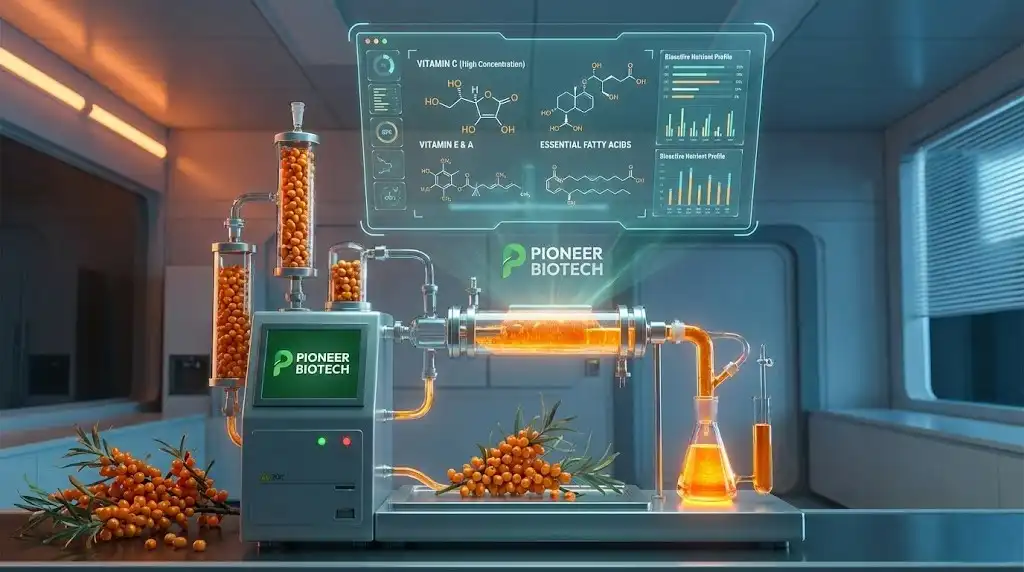
The sea buckthorn plant (Hippophae rhamnoides) is one of the most nutritious plants in nature. It is very useful in business because it has a lot of vitamins, minerals, and other good things in it. This bush is made of wood, and its berries have up to 15 times more vitamin C than oranges. They also have a lot of strong antioxidants, vitamins E and A, and important fatty acids. The full nutritional balance changes a lot based on where it came from, how it was extracted, and how it was handled. That's why quality measurement is so important for workers who are looking for the best ingredients to put together medicines.
Understanding the Nutritional Composition of Sea Buckthorn
There are a lot of healthy nutrients in this superfruit because it can get them from different parts of the plant. It is important to know about these changes when picking ingredients for specific uses in cosmetics, nutraceuticals, and drugs.
Vitamin and Mineral Content Analysis
When it comes to vitamins, sea buckthorn berries have more of both water-soluble and fat-soluble vitamins than most other foods. Berries are a great way to get vitamin C from food. There are 200 to 1500 mg of vitamin C in every 100 grams of fresh berries. Every 100 grams of berries has 5 to 18 mg of vitamin E. Every 100 grams of oil goods can have up to 100 to 200 mg. Different types of berries have different amounts of beta-carotene, which is a precursor to vitamin A. The amount found in 100 grams of berries can range from 0.5 mg to 40 mg.
Some of the important minerals that are found in big amounts are iron, magnesium, potassium, and calcium. For every 100 grams of fresh berries, there are about 20 to 60 mg of calcium and 150 to 350 mg of potassium. You can expect regular extracts to be good sources for fortification because the amounts of these minerals don't change much when they are treated in different ways.
Active Phytochemicals and Bioactive Compounds
Flavonoids, phenolic acids, and carotenoids are some of the phytochemicals that give sea buckthorn a lot of its healing power. Flavonoids like quercetin, isorhamnetin, and kaempferol are the most important ones. Every 100 grams of fresh berries has 50 to 200 mg of flavonoids. These chemicals protect the element very well, which helps it stay stable and work right in the body.
Berry juice and seed oil have very different amounts of carotenoids. Beta-carotene, lycopene, and zeaxanthin are the main types of carotenoids. In oil-based foods, the total amount is 30 to 40 mg per 100 grams. This unique mix has omega-3, omega-6, omega-7, and omega-9 fatty acids. It is very hard to get omega-7 palmitoleic acid from plants.
Geographic and Processing Variations
It makes a big difference in how healthy food is where it is grown and how it is handled later. Types from Russia and the Altay region tend to have higher amounts of vitamin C because of how hard it is to grow them there. How the food is processed has a big impact on the nutrients it contains in the end. For example, freeze-drying vitamins that dissolve in water is better than heat drying at keeping them.
The amount of active chemicals that are kept in different ways of removing oils varies. For the most part, CO2 extraction keeps heat-sensitive chemicals better than methods that use solvents. Because different uses need different amounts of nutrients and safety, these handling factors have a direct effect on what people buy.
Health Benefits Driven by Sea Buckthorn's Nutritional Profile
The special make-up of the food has been linked to health benefits that are backed by proof and drive demand in many fields. When buying teams know these useful traits, they can put things in the right places in the markets they want to reach.
Immune System Support and Antioxidant Activity
In addition to flavonoids and carotenoids, sea buckthorn juice powder has a lot of vitamin C. All of these work together to help the immune system. Studies have shown that regular use can make natural killer cells work better and make more antibodies. As shown by the ORAC values, the antioxidant power is usually higher than 15,000 µmol TE per 100 grams. This is more than a lot of other antioxidant sources.
Animal tests have shown that taking standardized sea buckthorn extracts every day can lower oxidative stress markers by as much as 25% in just four weeks. As a strong antioxidant, it can be used to make products that help people stay healthy and fight age.
Skin Health and Dermatological Applications
Because it has a unique mix of vitamins A, C, and E, as well as important fatty acids, it is amazing how well it supports skin. Unlike goods that only have one ingredient, sea buckthorn provides full nutritional support for skin renewal and barrier function maintenance. Studies have shown that when applied directly to the skin or taken as vitamins, the skin becomes more hydrated and signs of inflammation go away.
This oil is better than common oils like argan or jojoba for reducing inflammation, as shown by a study. The omega-7 palmitoleic acid level in seed oil is between 20% and 40%, which is very close to the level of fatty acids found in human saliva. This helps the oil work better with the skin and be absorbed by it.
Cardiovascular and Metabolic Health Benefits
Getting the right amount of omega fatty acids is good for your heart in many ways. Researchers have found that drinking every day can help keep blood pressure and cholesterol levels in a healthy range. Vitamins and drugs that reduce inflammation help the heart in many ways, which is why people who make health goods like it.
Bioactive chemicals help the metabolism by working together to do things like make insulin work better and burn fat faster. Because of these things, sea buckthorn is a great ingredient for metabolic health-focused functional foods.
How to Evaluate and Procure Quality Sea Buckthorn Products?
You need to know about quality standards, licensing requirements, and how the market works in order to be good at procurement. This way, you can always get high-quality items for business use.
Quality Standards and Certification Requirements
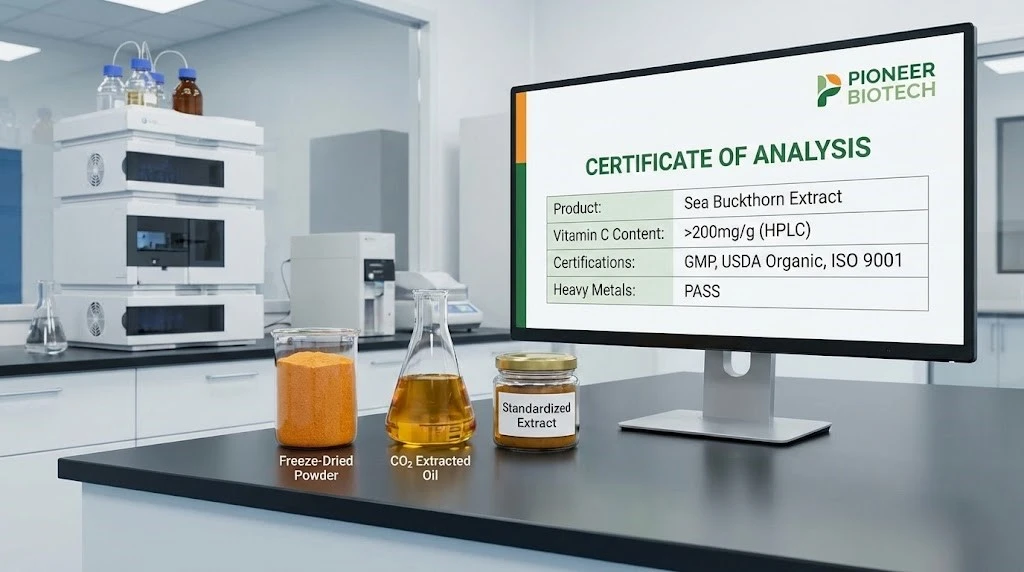
A certificate of analysis, bacterial tests, and heavy metal screening are just a few of the quality checks that must be done on high-end sea buckthorn fruit powder products. The organic approval makes sure that no manmade pesticides or fertilizers are used on the crops, and the GMP compliance makes sure that the same methods are always used for production. ISO badges show that a company is committed to quality management systems, which are needed for medical and pharmacy purposes.
To make sure that every batch is the same, the necessary amount of vitamin C, total antioxidant levels, and fatty acid profiles should be part of the testing process. Sellers you can trust will give you a lot of scientific information, like HPLC chromatograms for active ingredients and stability tests for different store conditions.
Product Form Comparisons and Applications
Every object is made for a specific group of people and their needs. When starting a business, these are the main options you have:
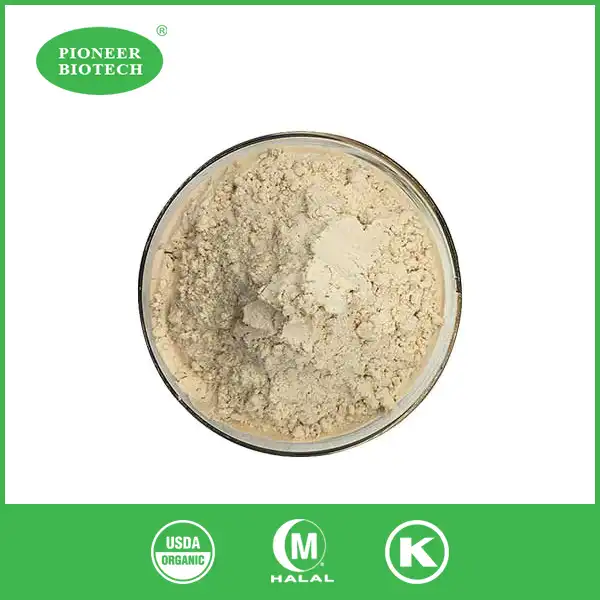
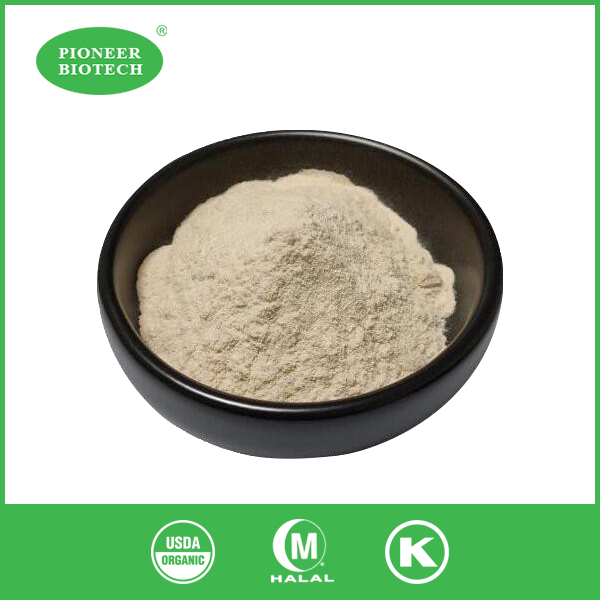
Freeze-dried powders keep the most water-soluble vitamins, which makes them perfect for making pills and tablets that are used as food supplements. They keep more than 85% of their vitamin C compared to fresh berries.
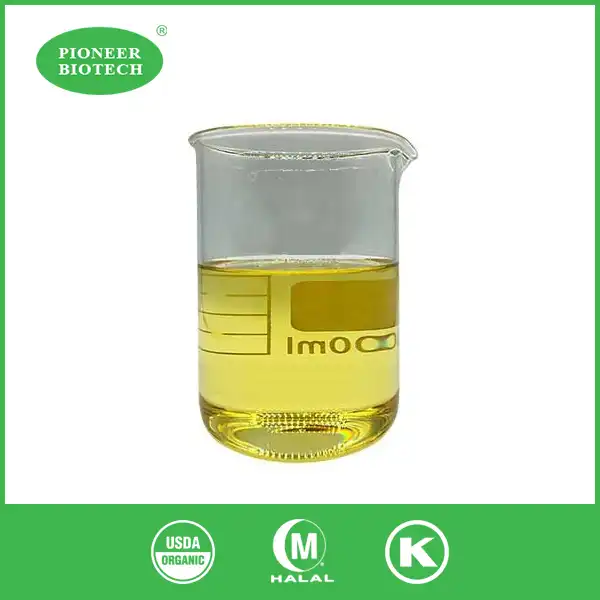
When you combine vitamins and fatty acids that dissolve in fat, you get oil extracts. These are great for making makeup and softgel supplements. Although CO2-extracted oils cost more, they are better for you than other oils.
Standardized extracts make sure that there is a certain minimum amount of active chemicals, which is important for medical uses that need to keep the strength fixed. Many times, 10% antioxidants or 200 mg/g vitamin C are used as standards.
Keep the natural amounts of chemicals that dissolve in water in juice concentrates. This makes them good for making healthy drinks and liquid vitamins.
Market Landscape and Supplier Evaluation
Some of the best places to get sea buckthorn are in Russia, China, and Central Asia. It depends on the type of raw materials and how they can be handled. Each has its own pros and cons. Providers you can trust keep records on traceability from the time the crops are grown until they are handled. This makes sure that food safety rules around the world are followed.
That way, the supply chain stays stable and prices are fair. Procurement teams should work with more than one provider. A lot of the time, promises of a lot of work mean better prices, and quality deals keep people from using cheap materials that might affect how well the final product works.
Cultivation and Plant Care: Insights for Vertical Integration and Direct Sourcing
If you understand different aspects of farming, you can choose smart ways to connect the supply chain and make direct buying partnerships. You can stay ahead of the competition with these because they help you keep costs low and quality high.
Growing Conditions and Agricultural Requirements
Sea buckthorn grows well in a lot of different types of settings, from warm ones to rough hilly ones. The plant needs soil that drains well and has a pH level between 6.0 and 8.0. Once it's set up, it can handle dryness very well. In industrial gardening, plants that are male and plants that are female are usually grown apart. Six to eight female plants should be able to grow on one male plant for the most flowers.
To run a successful business, people need to know how to trim trees, when to pick fruit, and how to handle fruit after it has been picked so that it stays fresh. Mechanical harvesting tools are getting better at their job, but the berries still need to be handled carefully to keep their delicate shape and nutritional value.
Direct Sourcing Benefits and Considerations
There are many perks to working directly with growers, such as better prices, easy tracking of products, and the freedom to choose when to pick them. Companies that want to do vertical integration can pick the best times and ways to grow crops and prepare them so that the final product is perfect for each use.
To make relationships work, there need to be clear quality standards, regular site checks, and handling processes made by both sides. Contracts that last a long time give farmers peace of mind when they plan their crops and make sure that companies always have enough supplies.
Addressing Potential Concerns and Side Effects in Product Use
To be a responsible buyer, you need to know about safety profiles, legal requirements, and quality control methods that keep customers safe and make sure rules are followed everywhere.
Safety Profile and Usage Guidelines
Products with sea buckthorn juice powder have great safety scores when used in the right amounts. Every day, most adults take vitamins that are 500 mg to 2000 mg. Under the direction of a doctor, higher amounts are used to help people get better. You might have mild stomach problems if you take too much, which shows how important it is to stick to the amount.
Because some goods have vitamin K in them, it's important to think about how they might react with blood thinners. Labels on goods should have the right warnings and directions for use to keep people safe and make sure the business follows the rules.
Regulatory Compliance and Documentation
You need a lot of paperwork to sell your goods in other countries. For example, you need trade permits for each country, organic licenses, and safety checks. Around the EU, some concentrated products need to go through fresh food tests. If they want to do business in the US, they need to follow rules for food supplements and register with the FDA.
To make sure the quality is good, every batch should be checked for heavy metals, microbiological toxins, and pesticide leftovers. If you have the right paperwork tools, you can quickly answer questions from the government and make sure that packages from other countries go through customs without any issues.
Conclusion
Sea buckthorn is used as a special ingredient in many fields, including nutraceuticals, medications, cosmetics, and useful foods, because of its excellent nutritional profile. Companies that want to make products that stand out love them because they have a lot of different vitamins, a unique set of fatty acids, and strong antioxidants. You should carefully look at quality standards, source capabilities, and government rules to make sure you can always get high-quality goods that meet changing market and customer needs.
FAQ
What makes sea buckthorn nutritionally superior to other superfruits?
With 200–1500 mg of vitamin C per 100 grams, sea buckthorn is one of the foods that naturally has the most of it. Only 50 to 90 mg are in 100 grams of citrus foods. It also has more than 190 useful chemicals that work together to make the health benefits even greater than what each one does on its own. Plus, it has all the vitamins you need, including the rare omega-7 palmitoleic acid and vitamins A, E, and K.
How do different extraction methods affect active compound concentrations?
CO2 extraction keeps up to 95% of the chemicals that were there before, and it doesn't hurt vitamins that are sensitive to heat. On the other hand, solvent extraction may lower the amount of vitamin C by 20 to 30 percent. The natural amounts of chemicals are kept when you press something cold, but the amounts are less than when you use measured extracts. When compared to whole berry goods, oil extraction makes 10 to 15 times more of the fat-soluble vitamins.
What quality certifications are essential for pharmaceutical applications?
To use a product in medicine, you need to follow GMP rules, make sure it is pure enough to meet USP standards, and get a full certificate of analysis that includes checking for microbes, heavy metals below USP limits, and any solvents that might still be there. Other things that are needed are data from stability tests, allergy signs, and paperwork for at least 24 months that shows how consistent each batch is with the last one.
Which product form provides the best bioavailability for supplement applications?
Bioavailability is usually higher for standardized extracts that come in powder form. This is because the active ingredients are more concentrated and the body can take them more quickly. For vitamins that dissolve in fat, the best recipes are those that are made with oil. On the other hand, liposomal formulations can make vitamins 300–400% more accessible than standard ones. Goods that have both water-soluble and oil-soluble parts help the body receive minerals better in general.
How should sea buckthorn products be stored to maintain potency?
The best way to store things is to keep them below 25°C and below 60% relative humidity. Some chemicals need to be kept in dark containers, while vitamins that are sensitive to air work better when they are flushed with nitrogen or packed in a vacuum. For 24 to 36 months, products that are kept in the right way keep 90% of their usefulness. Putting oil-based products in the fridge can make them last up to 48 months longer.
Partner with Pioneer Biotech for Premium Sea Buckthorn Solutions
You can trust Pioneer Biotech to give you high-quality, standardized extracts of sea buckthorn that can be used in skin care, medicine, and supplements. The best base materials are easy for us to get because we are in the Medicine Herbs Valley of the Qinling Mountains. Our ISO9001, HALAL, KOSHER, and FDA certifications make sure that the standard is always the same and that we follow the rules. We can cut down on the time it takes to make your goods by giving you expert help, thorough analytical paperwork, and flexible minimum order amounts. Our team is ready to help you with your specific needs. Just email us at sales@pioneerbiotech.com to find out why many of the world's best manufacturers choose to work with us.
References
Zielińska, A., & Nowak, I. (2017). Abundance of active ingredients in sea-buckthorn oil. Lipids in Health and Disease, 16(1), 95-108.
Beveridge, T., Li, T. S., Oomah, B. D., & Smith, A. (1999). Sea buckthorn products: manufacture and composition. Journal of Agricultural and Food Chemistry, 47(9), 3480-3488.
Bal, L. M., Meda, V., Naik, S. N., & Satya, S. (2011). Sea buckthorn berries: A potential source of valuable nutrients for nutraceuticals and cosmoceuticals. Food Research International, 44(7), 1718-1727.
Suryakumar, G., & Gupta, A. (2011). Medicinal and therapeutic potential of Sea buckthorn (Hippophae rhamnoides L.). Journal of Ethnopharmacology, 138(2), 268-278.
Eccleston, C., Baoru, Y., Tahvonen, R., Kallio, H., Rimbach, G. H., & Minihane, A. M. (2002). Effects of an antioxidant-rich juice (sea buckthorn) on risk factors for coronary heart disease in humans. Journal of Nutritional Biochemistry, 13(6), 346-354.
Kallio, H., Yang, B., Peippo, P., Tahvonen, R., & Pan, R. (2002). Triacylglycerols, glycerophospholipids, tocopherols, and tocotrienols in berries and seeds of two subspecies (ssp. sinensis and mongolica) of Sea Buckthorn (Hippophaë rhamnoides). Journal of Agricultural and Food Chemistry, 50(10), 3004-3009.