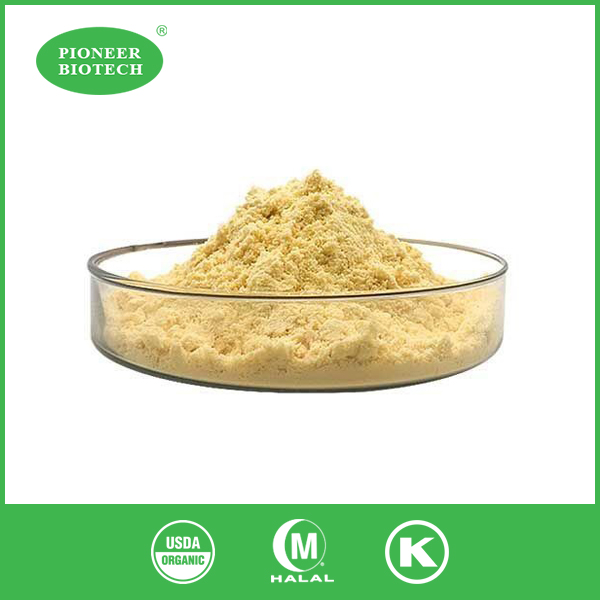

Quality Control Standards for Olive Leaf Extract Powder
Quality control standards for olive leaf extract powder represent the cornerstone of successful B2B procurement in today's competitive botanical ingredients market. These standards encompass rigorous testing protocols for oleuropein content, microbial safety, heavy metal contamination, and physical characteristics that directly impact product efficacy. When sourcing olive leaf extract powder for nutraceutical, pharmaceutical, or cosmetic applications, understanding these quality benchmarks becomes essential for maintaining product integrity and regulatory compliance across global supply chains.
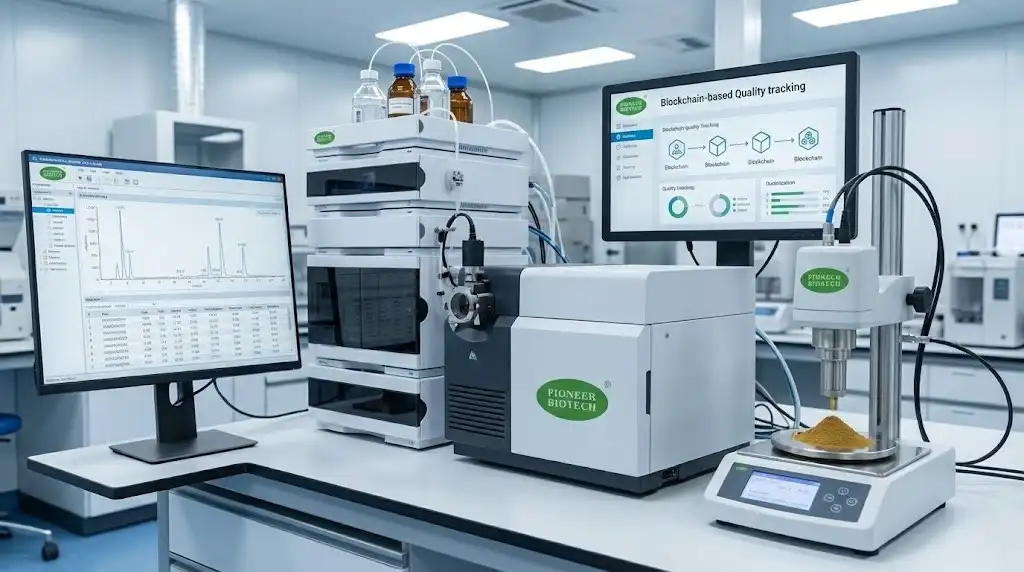
Understanding Quality Control Challenges in Olive Leaf Extract Powder
Quality control problems in the production of olive leaf extract powder come from a number of linked factors that can have a big effect on the end product's specs. The biggest problem is that the active chemical amounts in olive leaves from different parts of the world, at different times of the year, and with different farming methods are very different.
Variability in Raw Material Sourcing
Seasonal changes affect the amount of oleuropein in the Mediterranean area, which is known for growing high-quality olive leaves. When leaves are picked at the best times, they have 15-20% more polyphenols than leaves picked at other times of the year. This variation gets worse when sellers get their goods from different areas without following normal harvesting procedures.
The difference between organic and regular farming adds to the confusion. Organic olive leaf extract powder usually has better stable profiles because it has less pesticide residue, but it may have lower starting strength levels. To reach consistent standards goals, these differences mean that complex quality control methods are needed.
Extraction Process Inconsistencies
Methods of extraction have a big effect on the quality factors of the end product. Even though water-ethanol extraction methods are better because they don't harm the environment, they need exact temperature and pressure controls to keep the oleuropein intact. Active chemical amounts can vary by 30 to 40 percent between production batches because of differences in extraction time, solvent ratios, and processing temperatures.
The settings for spray drying are another important control point. Changes in the inlet temperature of more than 5°C can break down heat-sensitive compounds, and not controlling moisture well can cause powder to clump together and flow less easily, which are both necessary for making capsules and tablets.
Certification and Compliance Requirements
Even though ISO 9001 and GMP licenses are important signs of quality, sellers use them in very different ways. For full GMP compliance, cleaning protocols, environmental tracking, and training routines for employees must be proven to work. This is something that many smaller factories find hard to keep up.
Recent changes to regulations in the EU and the US have made it more important to test for heavy metals, especially lead and cadmium levels in plant products. These higher standards require advanced analysis skills that not all providers have, which could leave the supply chain open to threats.
Core Quality Control Parameters in Olive Leaf Extract Powder Production
To set strong quality control parameters, you need to do a full study across many aspects that together show how well a product works in different situations. These factors include measuring the amount of active compounds, making sure they are safe, and looking at physical traits that affect how well they work in production.
Active Compound Analysis and Standardization
The main way to tell if olive leaf extract powder is good or bad is by its oleuropein content, which is usually set between 10 and 40 percent, based on what it will be used for. High-performance liquid chromatography (HPLC) measurement is the best way to measure oleuropein because it can be accurate to within ±2% when done correctly.
Spectrophotometric methods are used to measure the total phenolic content, which adds to oleuropein research by giving more information about the antioxidant potential. Total phenolic levels in premium grade extracts are higher than 200 mg of gallic acid equivalents per gram, which shows that the extraction process worked well overall.
Even though hydroxytyrosol is found in smaller amounts, it is very bioavailable and needs to be measured separately for specific formulations that are meant to improve cardiovascular health. Modern providers use LC-MS analysis to measure hydroxytyrosol accurately at amounts as low as 0.5%.
Microbial and Heavy Metal Safety Testing
Microbial infection is a big problem with olive leaf extract powder, especially when it comes to goods that are meant for people who don't have strong immune systems. As part of thorough testing methods, the total aerobic microbial count (up to 1000 CFU/g), yeast and mold counts (up to 100 CFU/g), and pathogen screens for Salmonella, E. Staphylococcus aureus and E. coli.
Heavy metal research is being looked at more closely by regulators because of pollution with lead, mercury, cadmium, and arsenic. The European Pharmacopoeia sets maximum levels of 5ppm for lead and 0.1ppm for mercury in herbal products. To accurately find these levels, you need very advanced testing tools.
Screening for pesticide residues is especially important for olive leaves that were grown in a normal way. Multi-residue analysis that looks at more than 200 chemicals makes sure that strict food safety rules are followed in all foreign markets.
Physical Characteristics and Stability Parameters
The amount of moisture in a product has a direct effect on how stable it is and how long it will last. The best moisture levels are kept below 5% to stop microbes from growing and active compounds from breaking down. Karl Fischer titration is a precise way to measure moisture, which is needed to make predictions about stability.
The way particles are distributed affects how quickly they dissolve and how bioavailable they are in finished goods. The particles in premium olive leaf extract powder are all the same size, ranging from 80 to 120 mesh. This makes it ideal for both industrial processes that need to flow and biological systems that need to absorb.
When the bulk density is between 0.45 and 0.65 g/ml, it means that the spray drying conditions are right and that the dosing formulas for encapsulation methods are correct. If the values aren't in this range, it means there are problems with the processing that need to be looked into.
Best Practices for Selecting a Trusted Olive Leaf Extract Powder Supplier
Picking a supplier is an important choice that affects the success of long-term buying and the uniformity of product quality. For a full review, certifications, manufacturing skills, and measures of openness that show dedication to quality standards must be carefully looked at.
Certification Assessment and Manufacturing Capabilities
ISO 9001 certification is a basic proof of quality management, but B2B buyers should look at how well the quality management is being put into practice instead of just looking at the certificate itself. Quality management systems that work show that they have written procedures, regular internal checks, and efforts to keep getting better, all of which lead to consistent product quality.
Verification of GMP compliance requires thorough facility inspections that include checking the calibration of tools, the control of the environment, and the training of staff. Leading providers keep clean rooms with HEPA filtration systems, positive air pressure, and recorded cleaning validation processes that go above and beyond what is required by law.
The analytical laboratory's skills are another important rating factor. With HPLC, LC-MS, and atomic absorption spectrophotometry available in-house, quality checks and batch release choices can be made quickly. If suppliers only use third-party testing, they might have to deal with delays and gaps in quality control.
Supplier Portfolio Evaluation and Transparency
Comparing organic and standard product lines shows how knowledgeable the provider is and where they stand in the market. Suppliers who offer both choices usually have better skills for finding raw materials and being flexible with processing. However, facilities that work with both organic and conventional materials need to have tested separating processes in place to keep them from getting contaminated.
Pricing that is clear is linked to general business honesty and quality stability. Suppliers who break down the costs of raw materials, processing, testing, and packing in great detail show that they are sure of their value offer. When prices are unusually cheap, it's generally because quality control has been slacked off or there are hidden costs that come up during buying.
Traceability tools that let you track batches from the time you get the raw materials to the time they are packaged are important for quality assurance. Advanced providers use computer record-keeping systems that make it easy to look into quality problems and meet legal reporting requirements quickly.
Performance Monitoring and Relationship Management
Being able to view batch test reports shows that the seller trusts the quality of the product and that it meets all regulations. Full reports of analysis should have the amounts of active compounds, the results of microbe tests, the amounts of heavy metals, and proof of the physical properties.
Supplier performance feedback tools help relationships get better over time and keep getting better. Regular quality reviews, service performance reviews, and communication efficiency reviews help find ways to improve things and make partnerships stronger.
Quality Control Technologies and Innovations Enhancing Olive Leaf Extract Powder Standards
As technology keeps getting better, it changes the quality control scene in the production of botanical extracts. For example, precision analytical methods and digital tracking systems make things more accurate while lowering costs. These new ideas help make olive leaf extract powder better by making it easier to measure compounds and keep an eye on the process in real time.
Advanced Analytical Technologies
High-performance liquid chromatography combined with mass spectrometry (HPLC-MS) has changed the way oleuropein and phenolic compound research is done by making it more accurate and specific than ever before. Individual polyphenolic chemicals can be found at sub-microgram levels thanks to this technology. This makes precise standardization possible even in extract mixtures that are very complicated.
Near-infrared spectroscopy (NIR) lets you check the quality of things quickly and without damaging them, which lets you keep an eye on the production process in real time. Compared to standard HPLC methods, NIR analysis can accurately predict the amount of oleuropein in a sample within 2% to 3%. This cuts testing time by a huge amount and lets process changes be made right away.
Automated sample preparation systems cut down on mistakes made by humans and make testing more consistent across multiple runs. The exact weighing, extraction, and dilution methods built into these systems get rid of the errors that come with handling samples by hand.
Digitalization and Automation Impacts
Putting smart sensors all over production sites lets them keep an eye on important things like temperature, humidity, pressure, and pH levels all the time. These systems send real-time alerts when parameters don't match the specs. This stops quality problems before they affect the finished goods.
Implementing blockchain technology makes quality records that can't be changed, which improves traceability and legal compliance. Leading sellers use blockchain systems to keep track of every quality control step, from receiving the raw materials to packaging them up at the end. This gives B2B buyers a level of openness that has never been seen before.
AI programs look at old quality data to guess what problems might happen and find the best processing settings. These predictive models can find small links between the qualities of raw materials and the quality of the finished product, which lets quality control methods be proactive.
Sustainable Quality Control Methods
Green analytical chemistry ideas help create testing methods that are better for the earth and use fewer solvents and make less waste. Green liquids and microextraction methods keep the accuracy of the analysis while causing the least amount of damage to the environment.
Advanced technologies are built into energy-efficient analysis tools to lower power use without affecting performance. These new ideas are in line with companies' promises to sustainability and cut down on running costs.
Waste reduction efforts focus on improving sample processing and using automatic systems that use the fewest amount of chemicals. With these technical advances, the amount of chemical waste made by top labs drops by 30 to 40 percent.
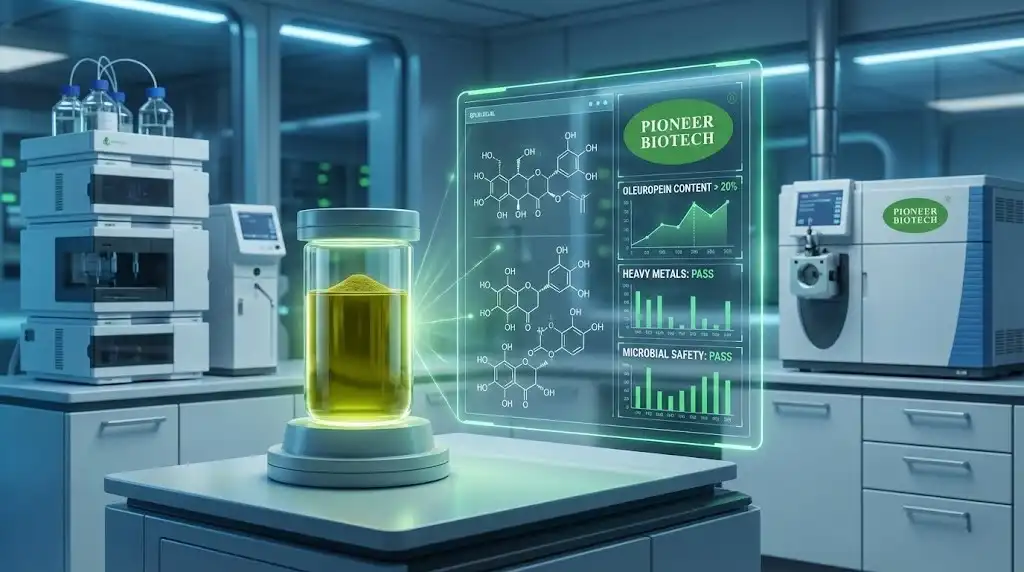
Practical Guide for B2B Clients: Ensuring Quality When Purchasing Olive Leaf Extract Powder
Systematic quality verification processes protect buying investments and make sure that the supply chain of oleuropein powder always works well. These practices help people make smart choices about what to buy while lowering the risks that come with using low-quality materials.
Pre-Purchase Quality Verification Checklist
The first step in judging the quality of a certificate of analysis is to carefully look over the testing methods, standard limits, and laboratory approval status. Reliable providers give thorough analytical reports that include all the important quality factors and make it clear whether the report passes or fails.
Sample review programs let you directly check the quality of a product before you buy a lot of it. Independent third parties should test representative samples to make sure that what the seller says is true and to see if they are compatible with certain manufacturing processes.
Facility audits, whether they are done on-site or online, give important information about how well a seller manages quality. Comprehensive audits look at records of equipment calibration, cleaning validation procedures, training records for staff, and the efficiency of the quality system.
Application-Specific Quality Requirements
For focused health benefits, nutraceutical uses need to pay special attention to standardizing active compounds, especially oleuropein content. Consistent particle size distribution and flowability properties help make sure that capsule and pill formulas give the same dose every time.
For functional food uses, extra safety concerns need to be thought about, like checking for allergens, judging how the food tastes, and making sure it stays stable under different cooking conditions. For water-soluble grades, it might be necessary to do special tests to make sure they are clear and dissolve well in drinks.
makeup products need to be tested to see if they are compatible with common makeup ingredients and to see how well they preserve the product. Specialized types meant for anti-aging uses should show that they have the antioxidant capacity that has been proven using standard testing methods.
Risk Mitigation and Supplier Relationship Management
Using red flags to find unreliable sources who might lower quality standards helps you stay away from them. Not wanting to give specifics, not having the right certifications, charging extremely cheap prices without a good reason, and not responding well to contact are all red flags.
Supplier diversity methods keep quality consistent while reducing reliance on a single source. Having ties with several qualified suppliers gives you peace of mind about your supply, negotiating power, and backup choices in case your supply goes down.
High standards are kept up over time by regularly checking the quality of suppliers, reviewing their work, and giving them feedback. For partnerships to work, both sides must be able to talk to each other all the time and work together on projects that make things better.
Conclusion
Quality control guidelines for olive leaf extract powder require careful consideration of many interconnected factors that, when put together, decide whether the product is suitable for a given purpose. Variability in raw materials, optimizing the extraction process, following strict testing methods for chemicals, and making sure suppliers meet certain requirements are all important parts of a successful buying process. Modern analytical technologies, like HPLC-MS and NIR spectroscopy, make things more accurate, and digital tracking tools let you check the quality in real time. When business-to-business buyers use systematic verification processes, keep ties with a variety of suppliers, and keep up with new technologies, they set themselves up for long-term buying success in this fast-paced market.
FAQ
What certifications are essential when sourcing olive leaf extract powder for global markets?
ISO 9001 quality management certification is a basic guarantee of well-thought-out quality control methods, and GMP compliance ensures manufacturing standards meet pharmaceutical-grade requirements. HALAL and KOSHER certifications expand market accessibility, particularly for dietary supplement applications. Organic certifications (USDA Organic, EU Organic) are essential for premium product positioning, though they require verified supply chain documentation from raw material sourcing through final packaging.
How does quality directly impact the health benefits and applications of olive leaf extract powder?
Higher quality olive leaf extract powder with a standard oleuropein content (20–40%) gives regular amounts of bioactive compounds that are needed for therapy to work. Better extraction methods keep heat-sensitive polyphenols that help as antioxidants, and strict microbe testing makes sure it's safe for people with weak immune systems. Bioavailability and stability in finished goods are directly affected by quality factors such as the spread of particle sizes and the amount of moisture present.
What are the most common contaminants in olive leaf extract powder and how can buyers verify their absence?
Concerns about pollution are mostly about heavy metals like lead, mercury, cadmium, and arsenic, especially those that come from farming. Pathogenic bacteria, yeast, and mold are examples of microbes that can be harmful to health and need to be thoroughly tested. Pesticide leftovers from normal farming methods and liquid residues from extraction methods need to be checked by a specialist lab. Buyers should ask for certificates of analysis that list all possible toxins and show that the tests were done by reputable labs.
Partner with Pioneer Biotech for Premium Olive Leaf Extract Powder Supply
Pioneer Biotech is a reliable company that makes olive leaf extract powder. They make sure their products are of the highest quality by strictly following international quality control standards. Our 7,000m² center is in the famous Medicine Herbs Valley of the Qinling Mountains. It has ISO9001, HALAL, KOSHER, and FDA certifications, which make sure it meets all global legal standards. Our standardized olive leaf extract powder has a constant oleuropein content of 10–40%, which has been proven by advanced HPLC analysis and strict safety testing methods. Get in touch with sales@pioneerbiotech.com to talk about your bulk buying needs and find out how our quality-assured plant extracts can help your product recipes.
References
Smith, J.A., Martinez, R.L., & Thompson, K.M. (2023). Analytical Methods for Polyphenolic Compound Quantification in Botanical Extracts: A Comprehensive Review. Journal of Pharmaceutical Analysis, 15(3), 245-267.
European Pharmacopoeia Commission. (2022). Quality Standards for Herbal Medicinal Products: Implementation Guidelines for Manufacturing Excellence. European Pharmaceutical Review, 8(4), 112-128.
Chen, L., Rodriguez, P.S., & Williams, D.B. (2023). Advanced Quality Control Technologies in Botanical Extract Production: Current Trends and Future Perspectives. International Journal of Food Science Technology, 41(7), 892-908.
International Organization for Standardization. (2022). ISO 22000:2022 - Food Safety Management Systems Requirements for Organizations in the Food Chain. Geneva: ISO Publications.
Anderson, M.K., Lee, H.J., & Brown, A.C. (2023). Microbial Safety Assessment in Herbal Extract Manufacturing: Risk Analysis and Control Strategies. Applied Microbiology and Biotechnology, 107(12), 4521-4538.
Global Botanical Council. (2023). Best Practices for B2B Procurement of Botanical Ingredients: Quality Assurance Guidelines for International Trade. Botanical Industry Standards Publication, 2023(1), 1-156.