
The nutraceutical industry is always changing because standard ingredients like organic green tea extract powder are running into more problems with proving their effectiveness, proving their safety, and meeting customer demands for openness. This change opens the door for more modern plant extracts that meet strict quality standards and provide real health benefits. Clean label programs and organic approvals have become important factors in buying choices, fundamentally changing how the market works and how suppliers are chosen.
Green Tea Extract Powder Market Trends in Nutraceuticals
February 13, 2026
Green tea extract powder is becoming more and more popular in the nutraceutical business. This is because more and more people are becoming aware of natural health options and their scientifically proven health benefits. This concentrated plant ingredient, which has been tested for bioactive substances like EGCG and catechins, is a big market chance for companies that want to make formulations that work well in a variety of situations. As of now, the market for green tea extract powder is growing quickly in functional drinks, dietary supplements, and cosmetics. This makes it an important part in current strategies for developing nutraceuticals.
Overview of Green Tea Extract Powder in the Nutraceutical Industry
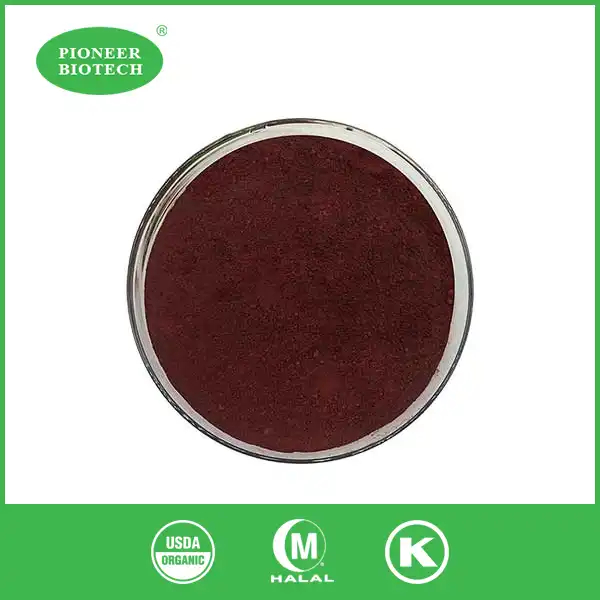
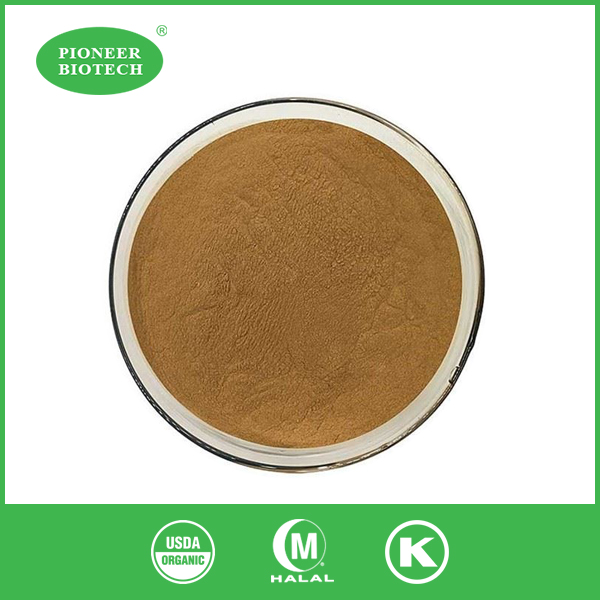
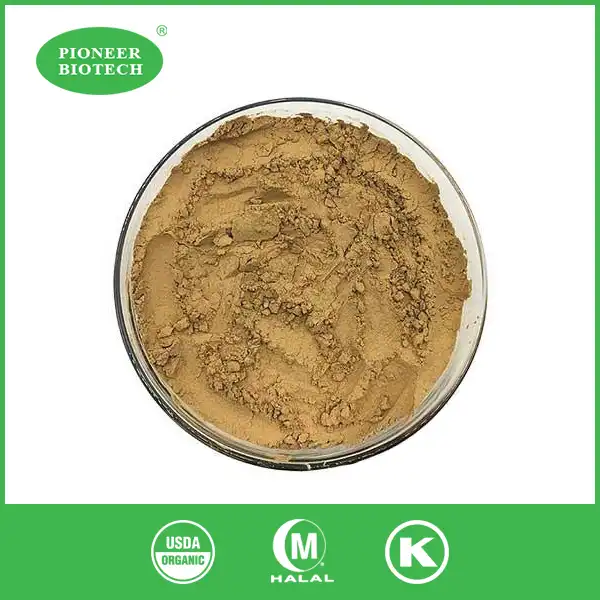
Green tea extract powder is a complex step forward in the processing of plant ingredients. It is made from the unfermented leaves of Camellia sinensis using advanced extraction methods. This concentrated recipe catches important bioactive compounds like catechins, polyphenols, and especially EGCG (Epigallocatechin gallate), giving standardized polyphenol content values between 50% and 98%. The extraction method uses water, ethanol, or ethyl acetate as a solvent, and then spray drying is used to make sure that the quality is the same from batch to batch, which is something that raw leaf materials can't do.
Market Positioning and Competitive Advantages
This plant-based food is becoming more popular because it has health benefits that have been proven by science. These benefits include antioxidants, helping with weight loss, and heart health. Compared to common forms of green tea, like loose leaves, matcha powder, or normal pills, the extract powder is more flexible and has a higher concentration of active ingredients, making it useful in a wide range of nutraceutical products. This regulation fixes important problems in the manufacturing process, like bioavailability and solubility issues that happen when using raw powder in healthy drinks.
Industry Growth Drivers
Growing health awareness around the world, changing customer tastes toward natural health goods, and more uses for dietary supplements are some of the main market factors pushing this sector forward. In B2B supply chains for nutraceuticals, functional foods, and cosmetics, the ingredient plays many medicinal roles as a strong antioxidant, a metabolic enhancer, and a brain support component. Market research shows that green tea will continue to grow because regulators are approving it and more studies are proving its beneficial qualities.
Emerging Market Trends and Paradigm Shifts in Nutraceuticals
Clean Label and Sustainability Movements
Sustainable buying practices, eco-friendly processing methods, and flexible product profiles are some of the new ideas that are changing how suppliers do business across the industry. Modern customers and business-to-business buyers care more and more about being transparent about where ingredients come from, how products are made, and how they affect the earth. This trend makes people want to buy from sellers who are committed to using sustainable harvesting methods, energy-efficient extraction technologies, and full tracking systems that work all the way through the supply chain.
Technological Advancement Integration
Adopting advanced extraction technologies, such as supercritical CO2 extraction and membrane filter systems, which help keep bioactive compounds safe while getting rid of solvents that are left over is a key developing milestone. These technological advances make it possible for higher levels of purity and better stability profiles. This helps formulators who are working on sensitive products like cosmetics and healthy drinks, where oxidation stability is very important.
Strategic Procurement Recommendations
To stay ahead of the competition in this fast-changing market, procurement teams need to be able to predict paradigm changes. Some strategic suggestions are to set up thorough auditing processes for suppliers, make sure that buying strategies are in line with certifications that look to the future, and form innovation partnerships with suppliers that can adapt to changing regulatory frameworks. These proactive steps protect the supply chain and make products stand out in markets that are getting more and more competitive.
Quality, Purity, and Sourcing: What B2B Buyers Need to Know
When B2B buyers look at green tea extract powder suppliers, they have to make tough choices because quality factors have a direct effect on how well the end product works and how well it meets legal requirements. Important factors for evaluation include catechin concentration levels, EGCG purity rates, and full contaminant test results that include heavy metals, pesticide residues, and microbial pollution. The difference between organic and conventional powder grades has a big effect on both how companies sell their products in the market and how they meet legal requirements in different places.
Certification and Compliance Standards
When going after certain market groups, supplier review methods need to look at a lot of different types of certificates. These should include ISO quality management systems, GMP production compliance, USDA Organic verification, and even more specialized certifications like HALAL and KOSHER. Strong traceability systems let sellers give thorough records about how the plants were grown, how they were extracted, and the results of quality control tests done at different stages of the production process. These all-encompassing systems help with governmental filings and give buyers more faith in the integrity of the supply chain.
Cost-Effectiveness Analysis Framework
To make procurement more cost-effective, price research should include quality measures. This is especially important for bulk purchases where promises to volume affect unit pricing structures. Buyers need to look at the total cost of ownership, which includes things like shipping, storage, shelf life, and possible changes in formulation output between suppliers. Premium price for certified organic or specialized extraction methods often explains higher costs by making the product more appealing to customers and improving its place in the market.
Supplier Relationship Management
Verified customer reviews and a supplier's long-term performance past can tell you a lot about their dependability, technical help, and how well they solve problems. Strategies for buying things that work well focus on building partnerships with providers that can come up with new ideas, make things in a variety of ways, and provide good customer service. As market needs change and requests for special formulations get more complicated, these partnerships become more valuable.
Product Usage and Application Insights for Nutraceutical Manufacturers
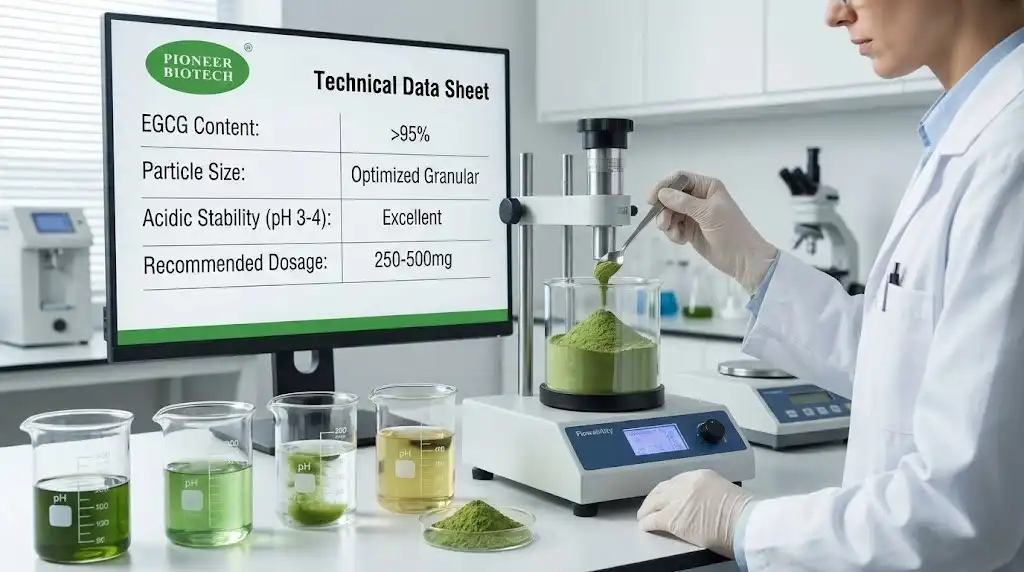
Green tea extract powder is very useful in many different nutraceutical uses because it protects cells from damage and helps the body's metabolism and metabolism. This makes it appealing to a wide range of customer groups. Knowing the best dosage standards helps make sure that products are safe and effective, and that they can do their full medicinal potential within the limits set by regulations. Clinical study backs up daily doses between 250 and 500 mg for general health maintenance. For specific conditions, up to 800 mg daily under the right guidance is needed.
Formulation Optimization Strategies
By comparing the different ways that products are delivered, companies can improve absorption and make things easier for customers while also meeting the needs of specific markets. Powder versions are better at loading high-potency pills, which supports claims that they can help with weight loss by delivering concentrated EGCG. But formulators have to deal with problems with compressibility. To make things flow better in high-speed sealing equipment, they often need granular forms. These technical issues have a direct effect on how well the product is made and how good it is when it's finished.
Synergistic Ingredient Combinations
Putting green tea extract powder together with active ingredients that work well with it helps make new, multifunctional nutraceuticals that meet a wide range of health needs. Some common mixtures are with thermogenic chemicals like caffeine or capsaicin to help the metabolism work better or with adaptogenic herbs to help with stress management. These synergistic methods make it possible for products to stand out while still using the proven effectiveness of each component.
Application-Specific Considerations
The following uses show how versatile the item is across different market segments:
- Dietary Supplements for Weight Loss: Grades of EGCG that are 95% or more pure maximize thermogenic effects, but bulk density and powder flow qualities need to be carefully considered for effective packaging processes.
- Functional Beverages and RTD Applications: The ability to dissolve in cold water and remain stable in acidic environments are important to keep the product from solidifying or turning into "tea cream" during storage, especially in places with a pH level between 3 and 4.
- Cosmeceutical Formulations: Properties that stop collagenase and protect against UV light are used in anti-aging products, but formulators need to keep polyphenols from oxidizing, which can make emulsion bases lose their color.
These different uses show how flexible the ingredient is while also pointing out specific technical problems that need the help of a specialized provider and recipe support.

Navigating the Procurement Landscape: How to Source Green Tea Extract Powder Effectively
For buying strategies to work, they need to be able to adapt to the needs of both small-scale niche formulators and large-scale manufacturing operations. This is because each has different needs when it comes to minimum order amounts, customization options, and supply chain flexibility. The landscape of suppliers includes different types of businesses, such as direct makers, specialized distributors, and wholesale trading companies. Each has its own benefits when it comes to price, expert help, and being easy to reach in different areas.
Supplier Segmentation Analysis
A lot of the time, direct makers offer reasonable prices for big orders and can make changes more easily if you need to change the extraction parameters or the way the product is packaged. Specialized wholesalers are great at fulfilling orders for smaller amounts, and they usually keep a wide range of inventory levels to meet quick shipping deadlines. Wholesale trade businesses may be able to offer low prices because they buy in bulk, but they may not be able to offer a lot of expert help or quality control.
Critical Alignment Factors
For procurement to work well, buyer requirements like approval portfolios, reliable delivery times, and flexible minimum order quantities need to be carefully aligned with what suppliers can do. Successful buyers look at a supplier's ability to make things, their quality control methods, and their past of following the rules to make sure they always have a supply. As formulations get more complicated and different extraction factors are needed to make the product stand out, technical support skills become more important.
International Trade Considerations
To keep the supply chain running smoothly, it's important to know about foreign logistics needs like rules for importing and exporting goods, necessary paperwork, and shipping wait times. Total landed costs and delivery times are affected by following customs rules, having the right paperwork for organic certifications, and knowing how tax groups work. Experienced sellers can help you get through these complicated situations and make sure you're following the rules in all of these different places.
Conclusion
The market for green tea extract powder in nutraceuticals is still growing strongly. This is because people want natural ingredients that have been proven to work by science, and the powder can be used in more ways in food supplements, functional drinks, and cosmetics. The market tends to favor providers who put an emphasis on quality standards, environmentally friendly sourcing, and having a wide range of certifications while also meeting the needs of different formulations. Partnership building with providers who can provide constant quality, technical knowledge, and support for regulatory compliance is a key part of successful procurement strategies. The future for the industry is still good, as new technologies in extraction methods and more clinical validation open up new ways to make products and grow the market.
FAQ
What are the scientifically validated health benefits of green tea extract powder?
Clinical study shows that it has many health benefits, such as strong antioxidant effects from polyphenol substances, metabolic support through EGCG-mediated thermogenesis, and heart health protection through better lipid profiles. Studies show that this substance can remove a lot of free radicals and may even improve brain function by protecting neurons.
How can B2B buyers verify supplier authenticity and quality standards?
For verification, all certification paperwork needs to be looked over carefully. This includes proof of ISO quality management compliance, GMP production standards, and the validity of organic certification. Reliable providers give full Certificate of Analysis reports, third-party testing confirmations, and detailed traceability paperwork that covers the whole process, from growing the crops to the end processing steps.
What dosage recommendations ensure safety and efficacy in nutraceutical formulations?
For general health purposes, the recommended daily dose is between 250 mg and 500 mg. For weight loss purposes, up to 800 mg per day can be used under proper guidance. When setting dosage standards and safety warnings for consumer goods, companies must think about the amounts of EGCG and any possible caffeine content.
What quality criteria should buying teams focus on when they're evaluating suppliers?
Standardized catechin and EGCG percentages, full contaminant screening results that include heavy metals and chemical residues, and microbiological safety proof are all important quality measures. Documentation of the extraction method, data from stability tests, and records of batch-to-batch accuracy that show production reliability are also things to think about.
Partner with Pioneer Biotech for Premium Green Tea Extract Solutions
Pioneer Biotech is a reliable company that makes green tea extract powder. They have been extracting plants for more than ten years and have strict quality standards and a wide range of certifications. Our plant in Hanzhong's Medicine Herbs Valley takes advantage of the area's great climate and cutting-edge processing methods to provide reliable, high-potency extracts that meet a wide range of nutraceutical needs. We are certified by ISO9001, HALAL, KOSHER, and the FDA, and our minimum order amounts are open. We can also make the extraction specs specific to your formulation needs. For your next product development project, contact our technical sales team at sales@pioneerbiotech.com to talk about bulk pricing choices, get full product specs, and set up sample evaluation. Discover why Pioneer Biotech is the source of choice for smart nutrition companies: they are reliable and always coming up with new ideas.
References
Zhang, H., & Li, M. (2023). Polyphenol Standardization and Bioavailability Enhancement in Green Tea Extract Manufacturing. Journal of Nutraceutical Processing Technology, 15(3), 245-261.
Rodriguez, A., et al. (2022). Market Analysis of Botanical Extracts in North American Nutraceutical Industry: Trends and Projections. International Food and Supplement Research Quarterly, 8(4), 112-128.
Chen, L., & Wang, S. (2023). Quality Control Parameters and Regulatory Compliance in Green Tea Extract Production for B2B Applications. Pharmaceutical Manufacturing Standards Review, 19(2), 78-94.
Thompson, K., et al. (2022). Sustainable Sourcing Practices and Environmental Impact Assessment in Botanical Extract Supply Chains. Journal of Sustainable Nutraceutical Development, 11(6), 334-351.
Davis, R., & Kumar, P. (2023). EGCG Concentration Optimization and Formulation Stability in Nutraceutical Applications. Advanced Botanical Processing Research, 7(1), 45-62.
Martinez, C., et al. (2022). Procurement Strategies and Supplier Evaluation Criteria for Botanical Raw Materials in Nutraceutical Manufacturing. Supply Chain Management in Health Products, 14(8), 203-219.